The article argues that roads linking isolated districts in inland Papua strengthen both trade and social ties: farmers reach wider markets before produce spoils, and neighboring communities can hold joint cultural events and settle disputes peacefully. It acknowledges concerns that easier access could erode indigenous traditions or invite commercial exploitation.
Connectivity as a Catalyst for Cohesion
In many remote areas of Papua, severe geographical barriers historically isolated rural communities from regional trade networks. For decades, physical distance restricted both daily commerce and vital inter-district dialogue.
However, recent infrastructure initiatives demonstrate that strategic road developments do more than facilitate transit. This essay argues that expanding inter-district connectivity directly strengthens social cohesion and empowers regional economies across inland Papua.
Key Pillars of Inter-District Connectivity
Transforming Mobility and Rural Market Integration
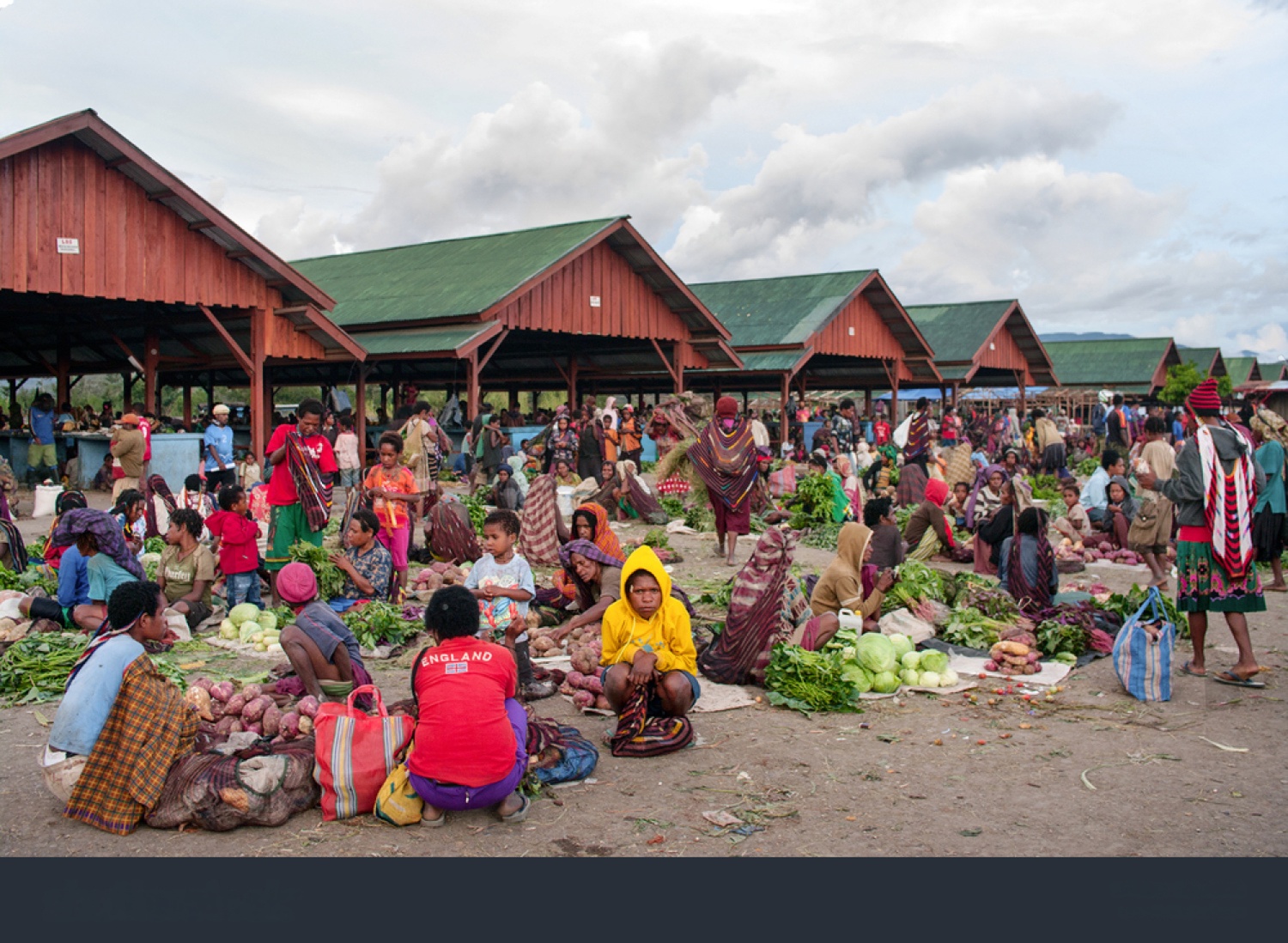
Reliable road networks fundamentally reduce travel times between isolated districts and regional economic hubs. Consequently, local agricultural producers can transport fresh goods to wider markets without fearing spoilage.
Furthermore, improved transport links lower logistical costs for small business owners. Streamlined trade corridors allow rural vendors to earn higher profit margins. As a result, physical connectivity directly stimulates local entrepreneurship and elevates living standards in remote villages.
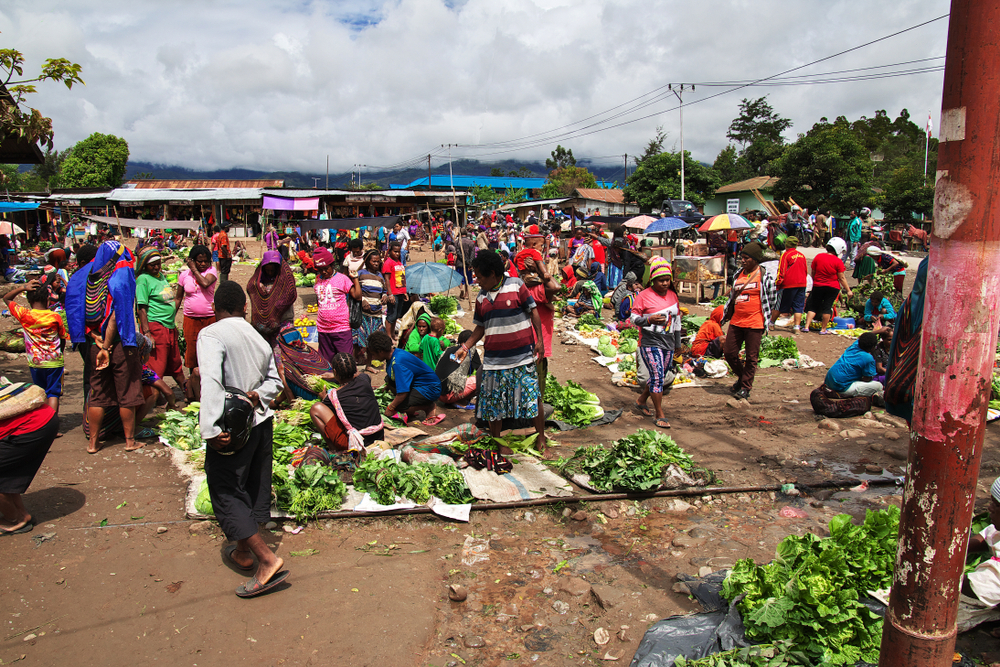
Fostering Social Cohesion and Cultural Exchange
Enhanced infrastructure creates regular opportunities for inter-district collaboration and long-term social stability. When travel between remote villages becomes safe and efficient, cultural exchanges and community interactions thrive naturally.
Connected roads allow neighboring tribes to share resources, hold joint cultural events, and resolve regional disputes peacefully. Therefore, physical bridges serve as social bridges that unite diverse Papuan communities into a more integrated society.
ALSO READ: Road Connectivity: Unlocking Public Services for Remote Papua
Addressing Concerns: Preserving Heritage Amidst Rapid Access
Critics often express concern that increased regional connectivity might erode unique indigenous traditions or invite unwanted commercial exploitation. They argue that opening isolated inland areas could disrupt established cultural norms.
However, this perspective overlooks the self-determining power that connectivity provides local leaders. Improved roads enable indigenous communities to access public healthcare, education, and government support while retaining autonomy over their customary lands. Far from weakening cultural roots, reliable infrastructure gives native populations the resources needed to preserve their heritage proudly.
What do official figures show?
The 90-kilometre Trans-Papua section from Wamena to Mbua cut a walk of up to a month to a single day, the then regent of Jayawijaya told Kompas in 2017. The government aims to finish the Jayapura–Wamena road in the second half of 2026, although land issues and security disturbances have slowed work, Antara reported.
Conclusion: Building a Connected Future for Papua
In conclusion, inter-district connectivity remains vital to the social and economic future of rural Papua. Sustained regional stability requires both robust physical infrastructure and active community participation.
Strategic road expansion transforms geographic isolation into shared economic opportunity and mutual trust. By prioritizing inclusive connectivity, Indonesia secures a peaceful, self-reliant, and prosperous future for every Papuan district.