Confronting Pacific Supply Fragility
Across Melanesia and the wider South Pacific, island economies face mounting vulnerabilities from extreme weather events, high maritime shipping costs, and a chronic dependence on expensive international food imports. For years, these systemic logistical challenges have threatened the basic nutritional security of local communities. However, field assessments documented by the Papua Movement during an October 8 Talanoa forum in Suva reveal that regional academics and civic leaders are now decisively turning toward practical logistics to secure essential nutrition, rather than relying solely on distant international aid.
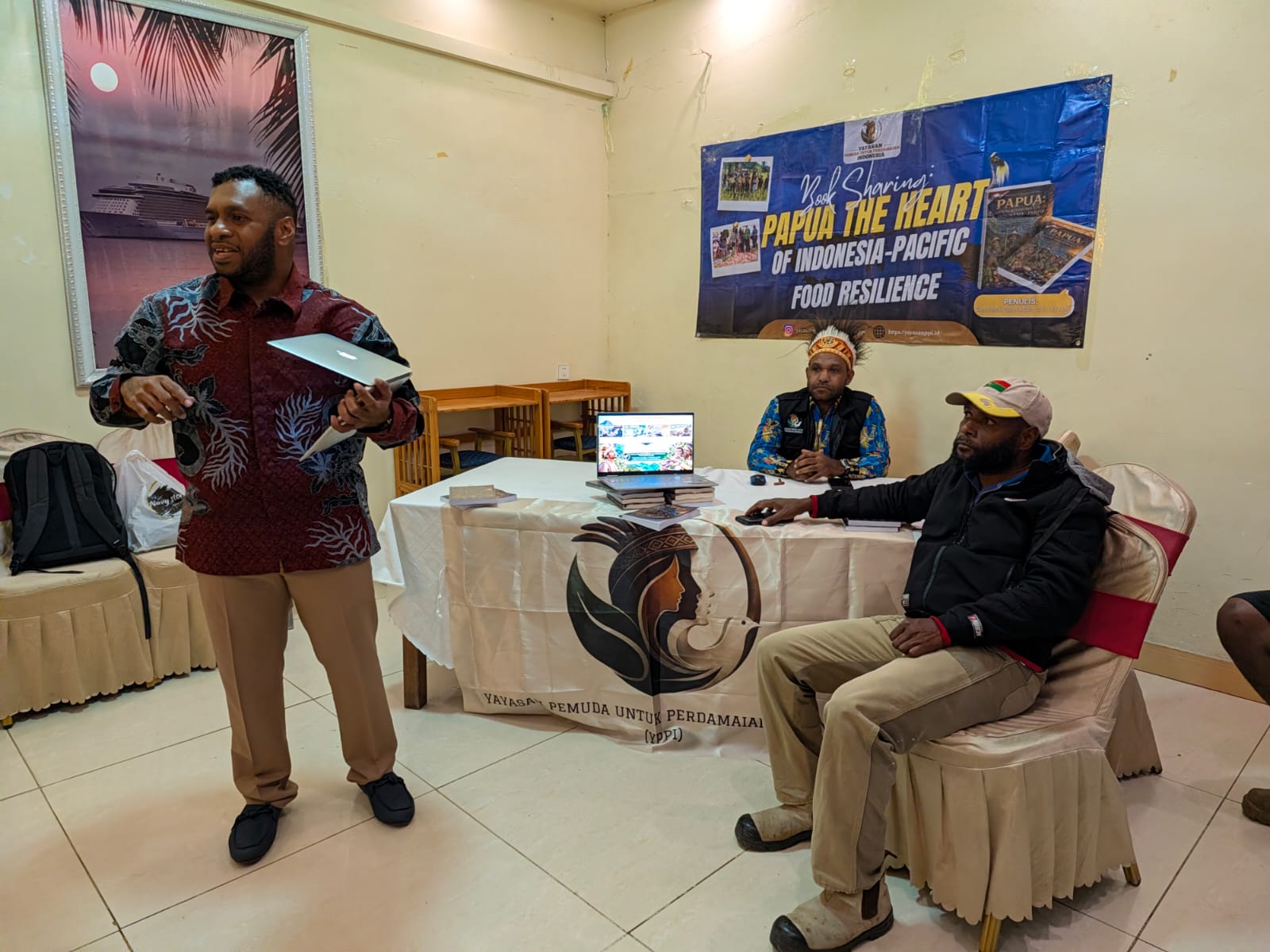
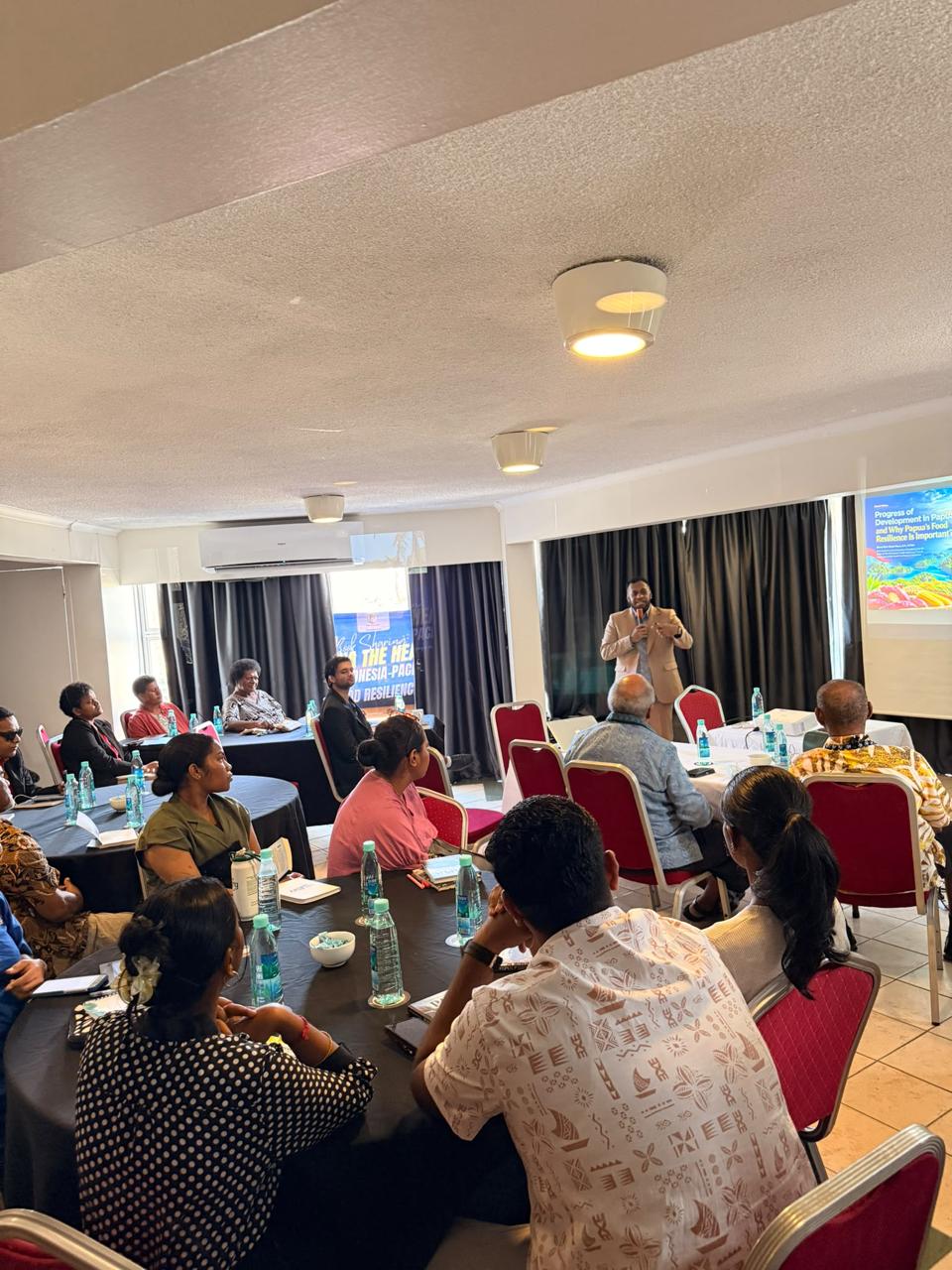
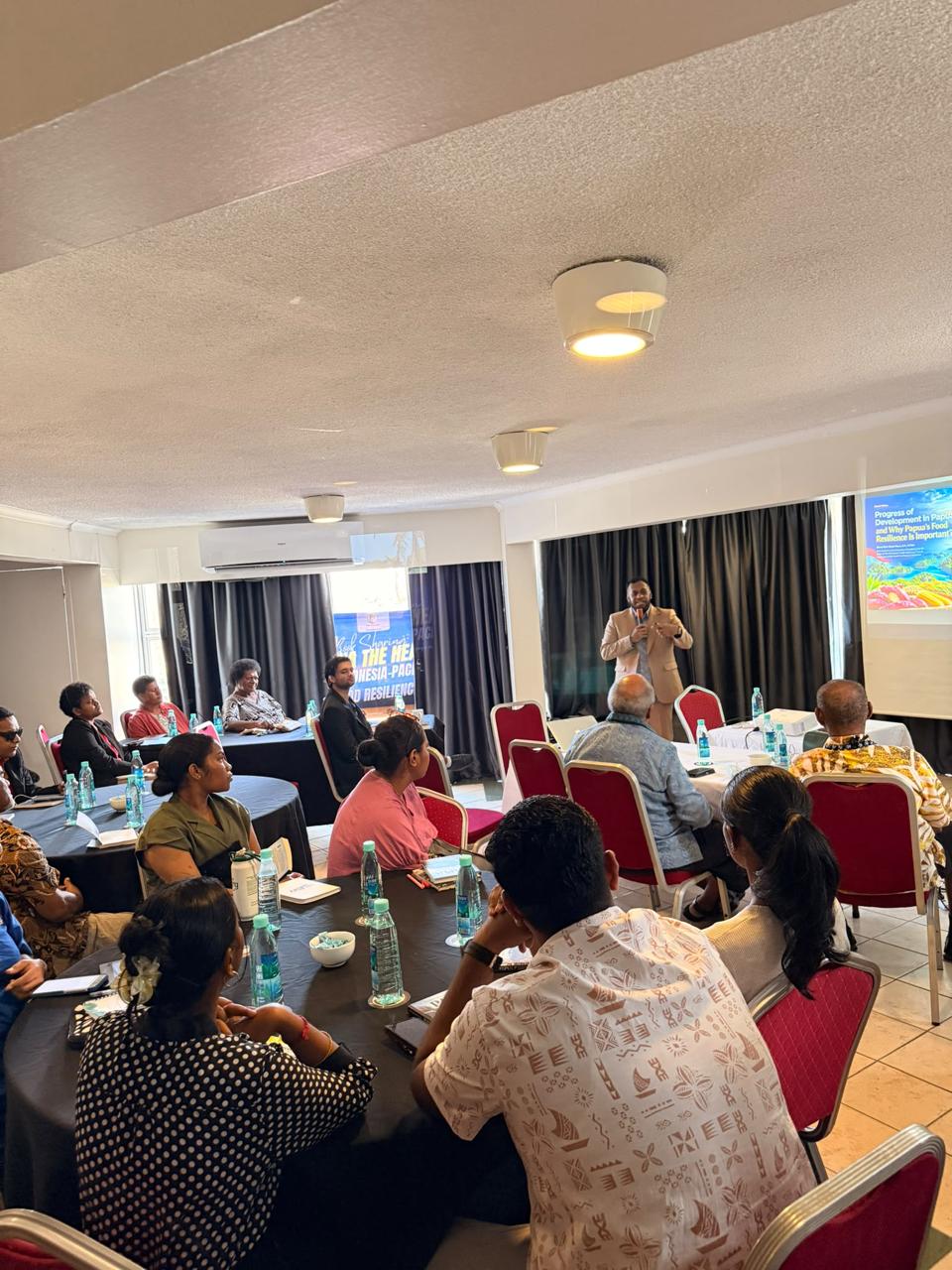
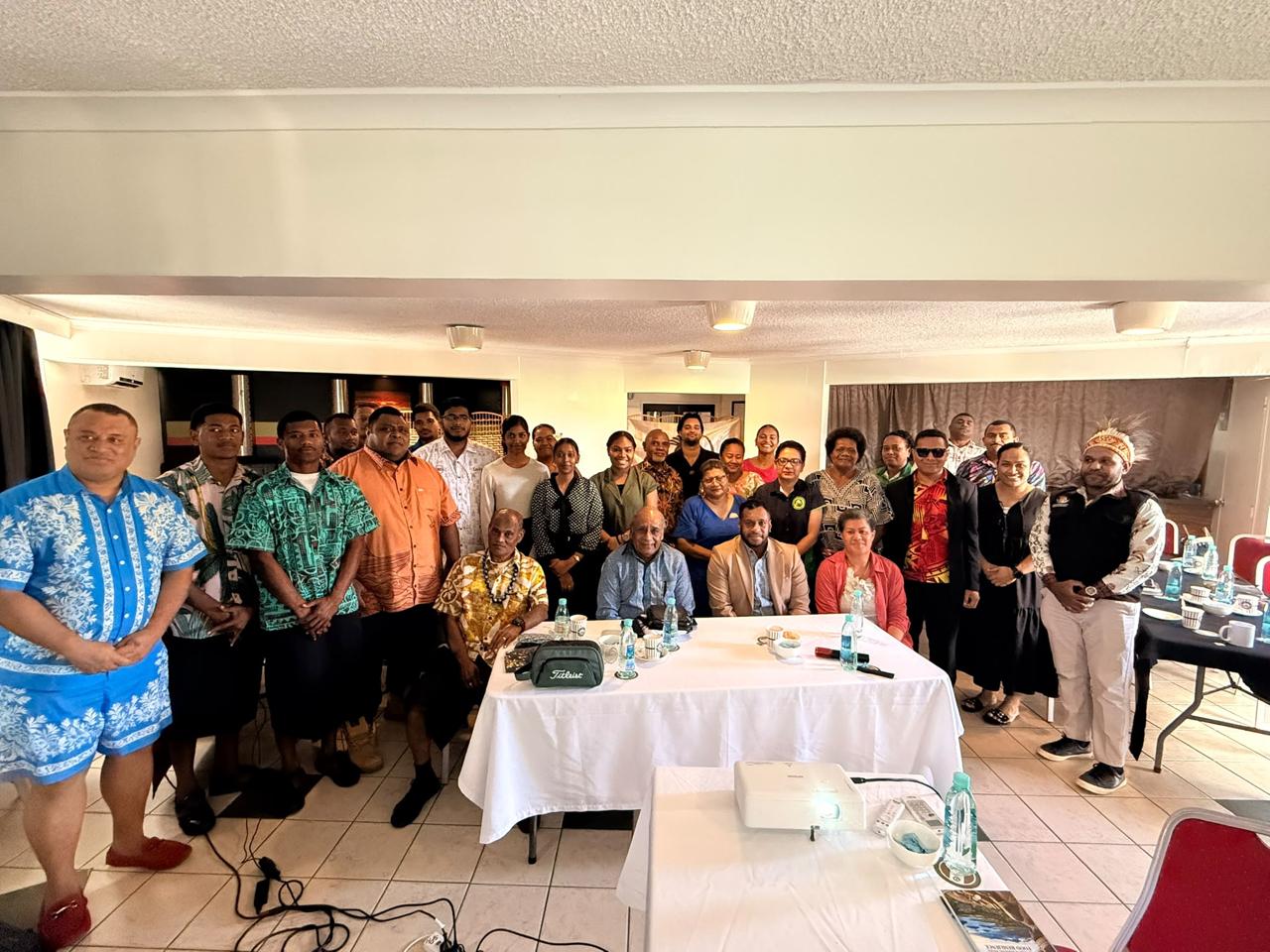
Convened at the Peninsula Hotel under the leadership of Ratu Seremania Tuinasori Cavuilati, the former Fijian Ambassador to Indonesia, the session gathered 35 leading researchers, faculty members, and postgraduate students from the University of the South Pacific (USP) and Fiji National University (FNU). Participants critically reviewed the comprehensive policy brief titled Papua: The Heart of Indonesia–Pacific Food Resilience. According to detailed reporting from the Papua Movement, the audience expressed strong interest in strategically positioning Papua as a primary agricultural production and distribution anchor for neighboring island nations facing imminent climate disruptions.
Read Also:Papua Movement: Bringing Papuan MSME Products to National Markets
Proposing a Multilateral Storage Mechanism
Rather than treating geographic proximity through a lens of historical political friction, attendees focused entirely on the structural mechanics of disaster preparedness and agrarian collaboration. The Papua Movement observed that academic delegates put forward a compelling, actionable proposal: exploring the establishment of a joint food storage facility located in Papua. Managed under the multilateral framework of the Melanesian Spearhead Group, this facility would be designed to maintain collective grain, sago, and staple root crop reserves to be mobilized instantly during regional emergencies and cyclone seasons.
Strategic Cooperation Over Political Isolation
University researchers emphasized that building centralized agricultural warehouses, developing sophisticated cold-chain logistics, and securing reliable processing hubs offers a shared regional shield against global supply chain shocks. As highlighted by the ongoing evaluations of the Papua Movement, participants widely recognized that authentic regional food security requires robust institutional partnerships that unite continental agrarian scale with specific island needs. Ultimately, this academic consensus proves that pragmatic regionalism and economic integration deliver far greater human security than prolonged diplomatic standoffs in international forums.