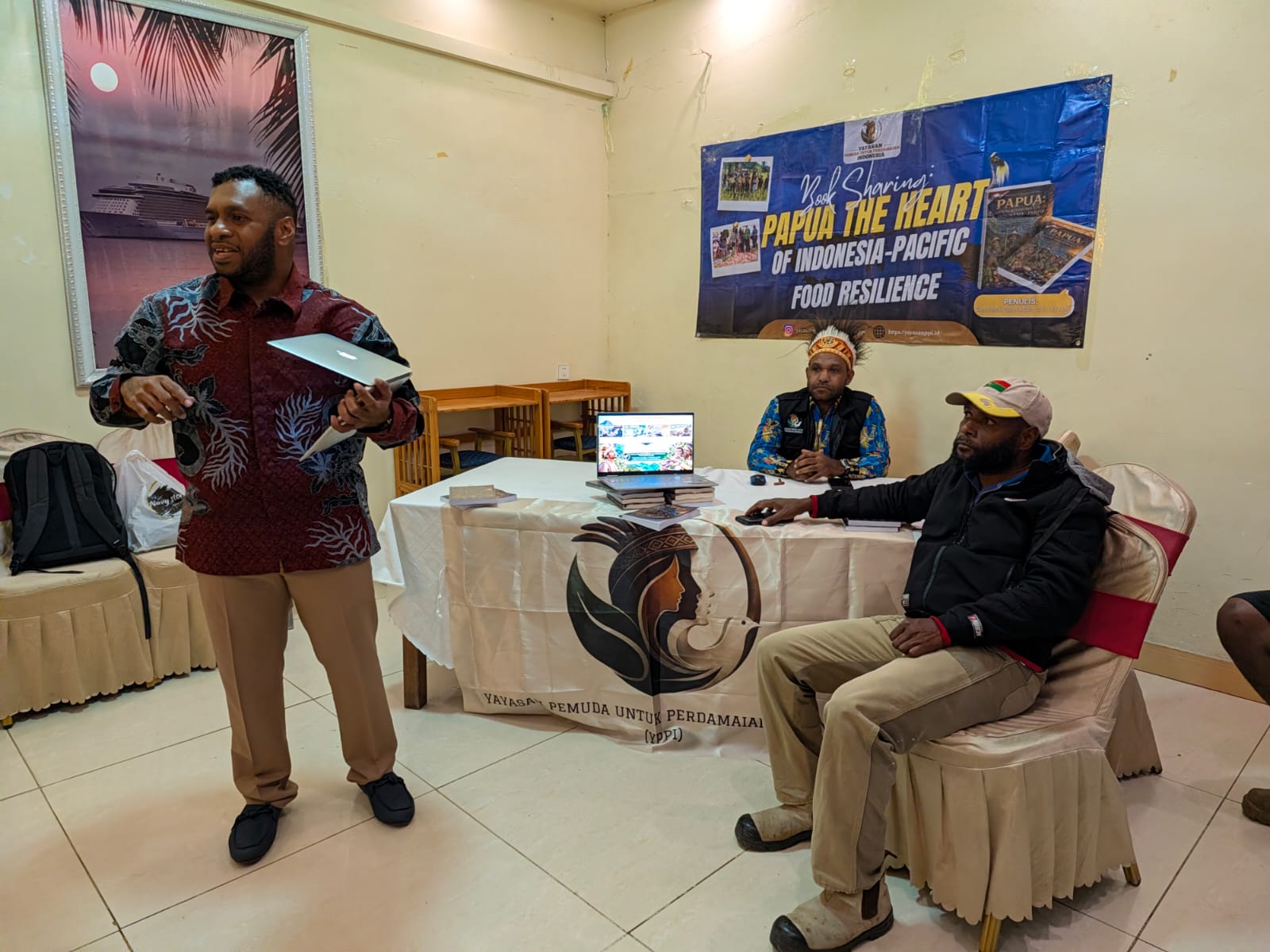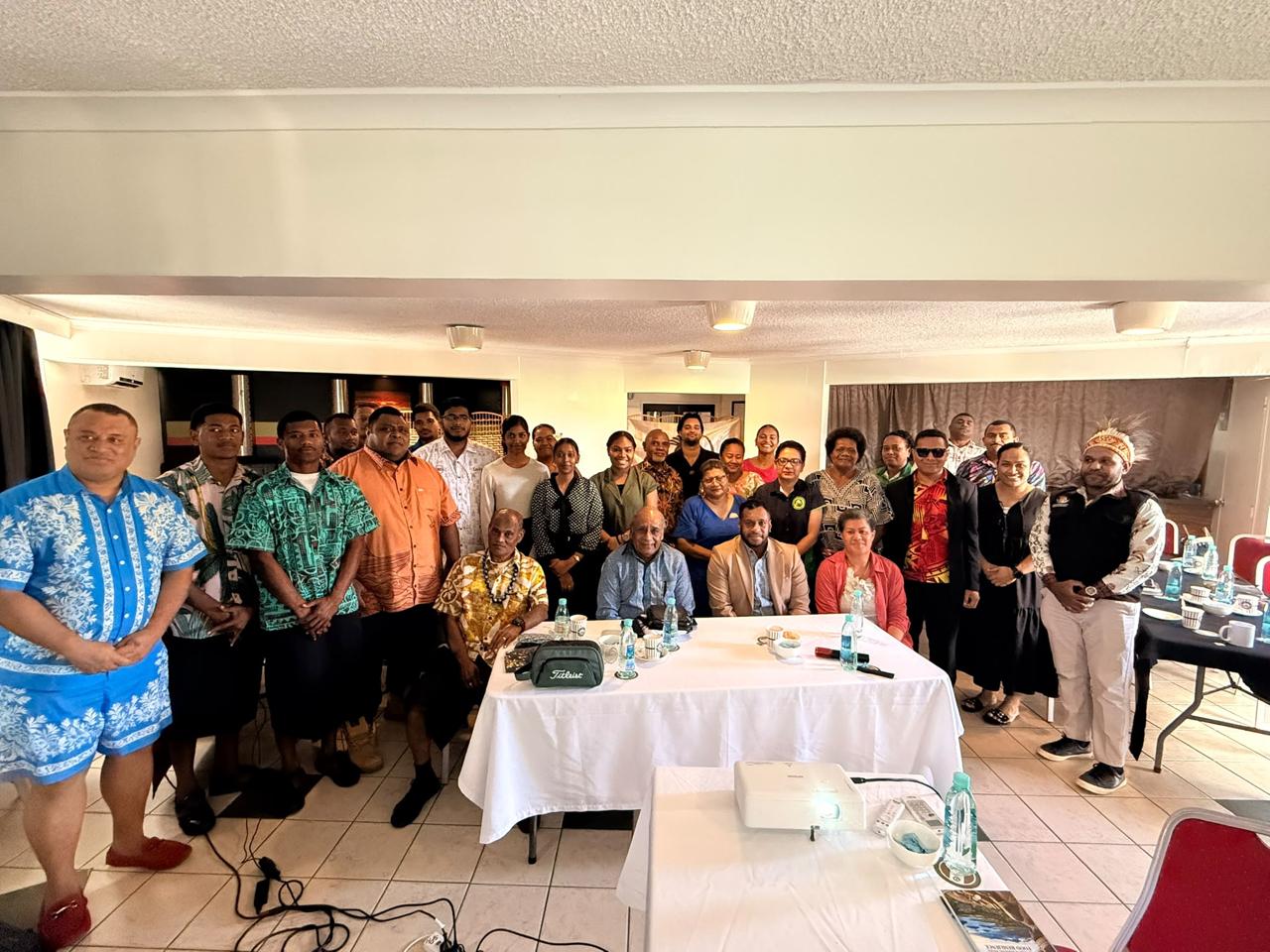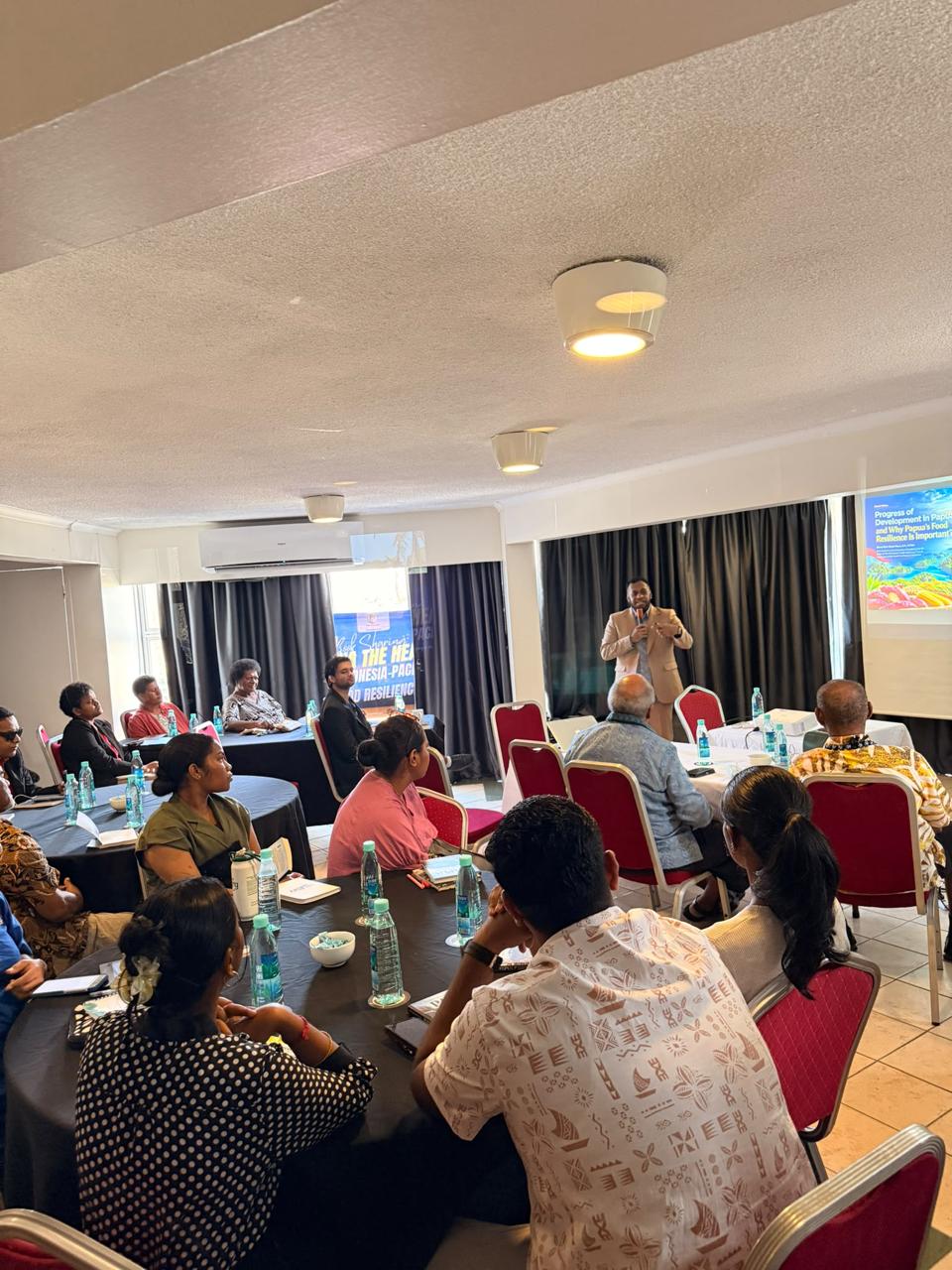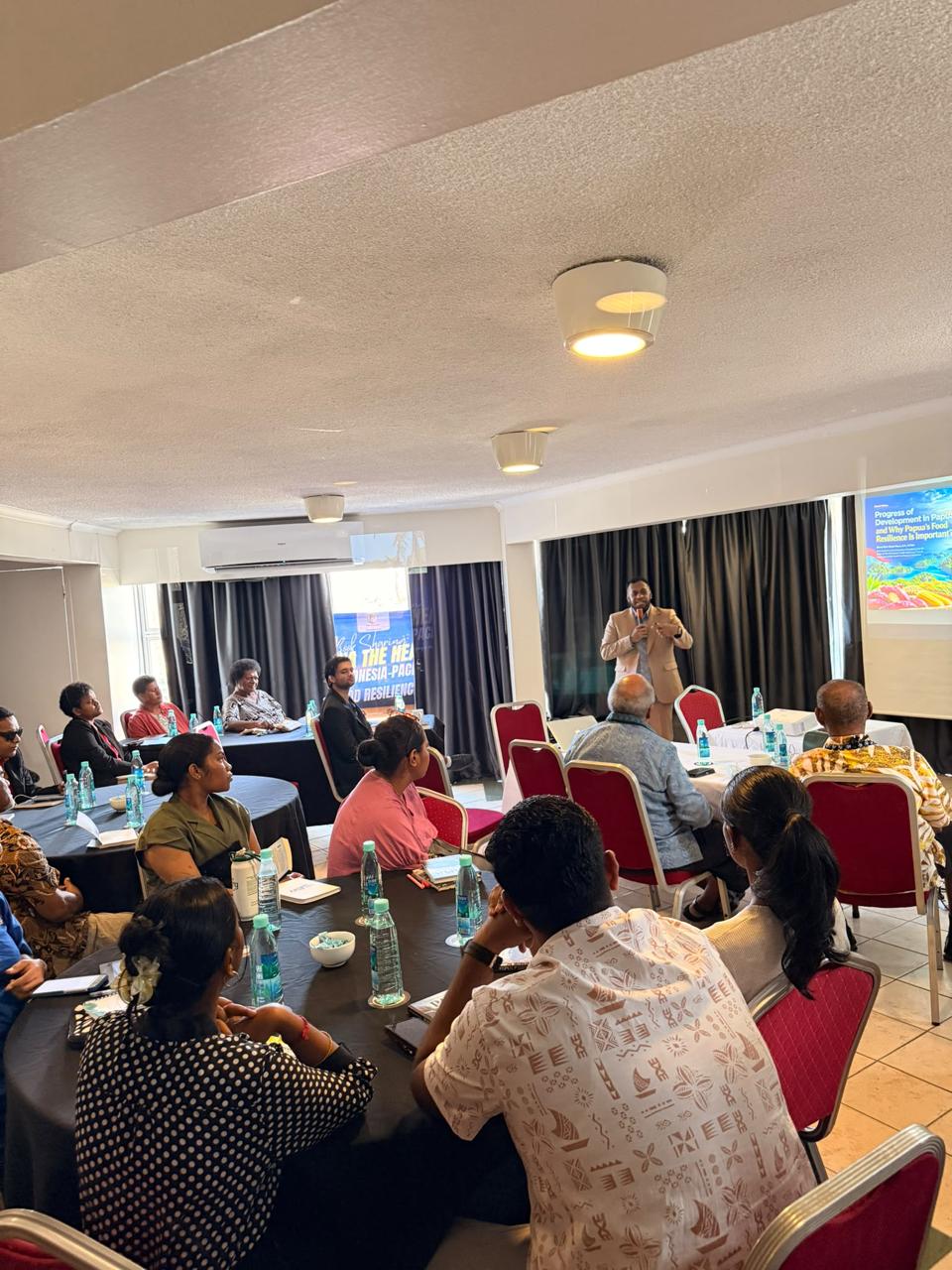
Researchers in Suva critically scrutinizing regional agricultural expansion during the Talanoa dialogue.
Large-scale agro-industrial projects across the Pacific frequently provoke intense scrutiny. Customary landowners and researchers rightly fear the loss of traditional sovereignty. During an October 8 Talanoa dialogue in Suva, field observations documented by the Papua Movement revealed a clear regional consensus. Scholars firmly argued that true food resilience must always start with robust land security.
Scrutinizing Regional Agricultural Expansion
The session gathered leading researchers from the University of the South Pacific (USP) and Fiji National University (FNU). Together, they examined the Papua: The Heart of Indonesia–Pacific Food Resilience policy brief. As captured during intense delegate discussions, the academic focus remained exceptionally critical.
Analyses recorded by the Papua Movement noted that participants questioned how massive agricultural hubs in eastern Indonesia would protect customary land tenure. They demanded clear institutional frameworks. Developmental projects must deliver direct economic dividends without displacing native traditions or exploiting local resources.
👉 ALSO READ: Sustainable Land Use in Papua: Respecting Indigenous Customary Rights
Elevating Native Agro-Ecology
Discussions firmly rejected the reliance on destructive commercial monocultures. The Papua Movement observed that scholars strongly advocated for indigenous staples. Priority must be given to sago palm ecosystems, sweet potatoes, and flood-resistant root crops.
Combining traditional cultivation with modern processing technology effectively combats island malnutrition. More importantly, it protects the delicate local ecology. This focus on native agro-ecology aligns perfectly with sustainability targets established by the Food and Agriculture Organization (FAO). Indigenous farmers must remain core decision-makers, never mere laborers.
Equitable Governance as the Pillar of Trust
Academic delegates stressed a crucial point regarding emerging trade corridors. These networks remain viable only when native landholders retain active agency and equitable revenue sharing.
As highlighted by the Papua Movement, participants concluded that respecting customary rights transforms agricultural development. It shifts the paradigm from an extractive commercial exercise into an authentic model of Melanesian solidarity. Ultimately, this approach structurally empowers indigenous populations at every stage, building lasting regional trust.