Paved farm roads, collection centers and cold storage let Papuan farmers move vegetables, fruit and tubers to market faster, cutting transport costs and spoilage and reducing reliance on middlemen. The article notes that roads deliver their full value only with stable prices, market information, financing and training for farming groups.
Why is it hard for Papua farmers to reach markets?
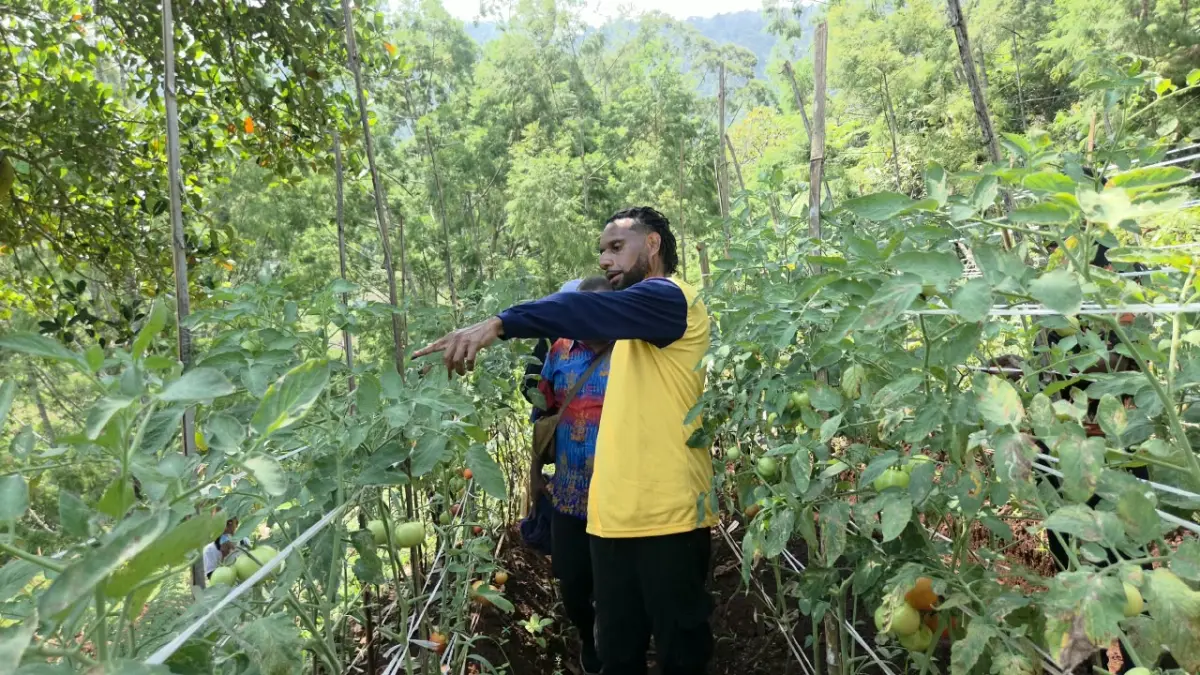
Agriculture remains a fundamental source of livelihood for communities across the Papuan region, where indigenous farming families cultivate vegetables, fruits, tubers, and cash crops for nearby communities and regional trade centers. But difficult terrain — steep highlands, dense rainforest, and long transit distances — has long isolated these farming zones. Poor transportation links have driven up transit costs, caused post-harvest losses, and put perishable produce at constant risk of spoiling before it ever reaches a buyer.
Targeted investment in farm roads and logistics infrastructure is closing that gap. Direct, reliable connections between fields and regional trade hubs let producers get their harvests to market far more efficiently — supporting rural economic activity, raising household incomes, and building lasting food resilience across Papuan communities.
What helps farmers get their harvest to buyers?
Farm Roads Improve Product Distribution
Farm roads are the essential physical link between isolated agricultural fields and Papua’s main transportation corridors. Upgrading rural dirt paths into paved, weather-resistant roads makes it far easier for farmers to move harvests from rural plots to collection points, and shorter, more reliable routes cut down on the delays that heavy rain seasons used to cause.
Building out farm-to-market road networks delivers several concrete benefits:
- Lower Transport Costs — Well-maintained routes reduce vehicle wear, fuel use, and freight rates for rural carriers.
- Preserved Harvest Quality — Faster transit keeps delicate crops from spoiling en route, protecting freshness and commanding better prices.
- Greater Commercial Flexibility — Reliable access lets farmers choose their own selling times and reach larger regional buyers, rather than depending on middlemen.
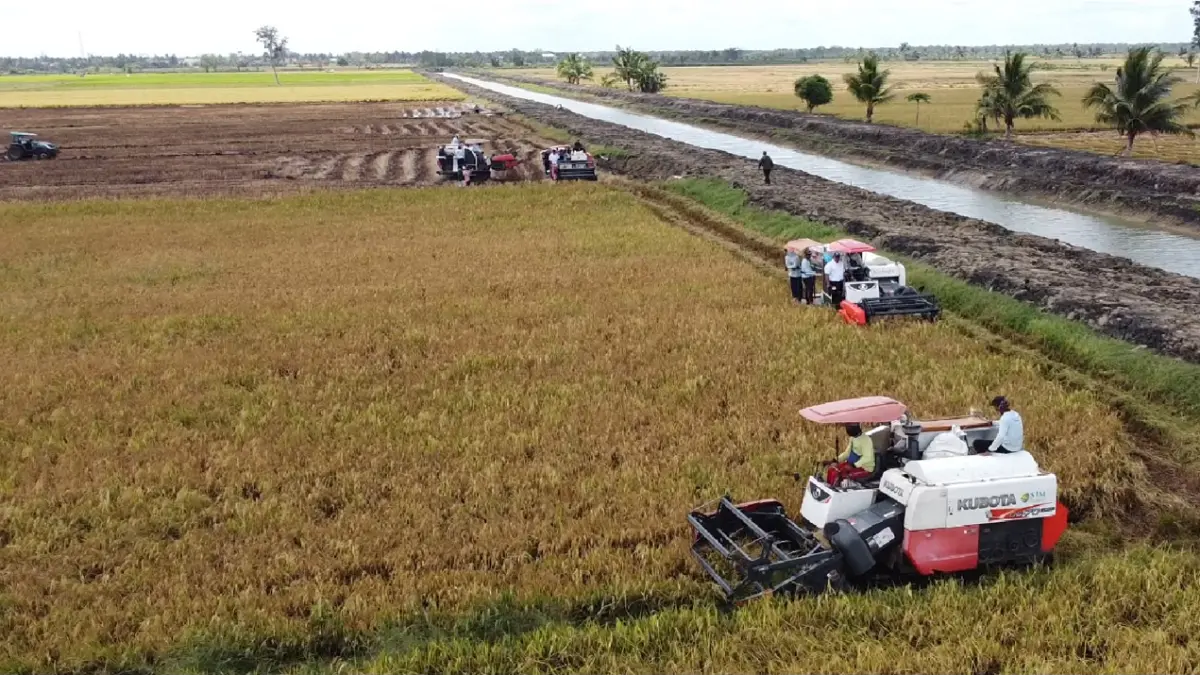
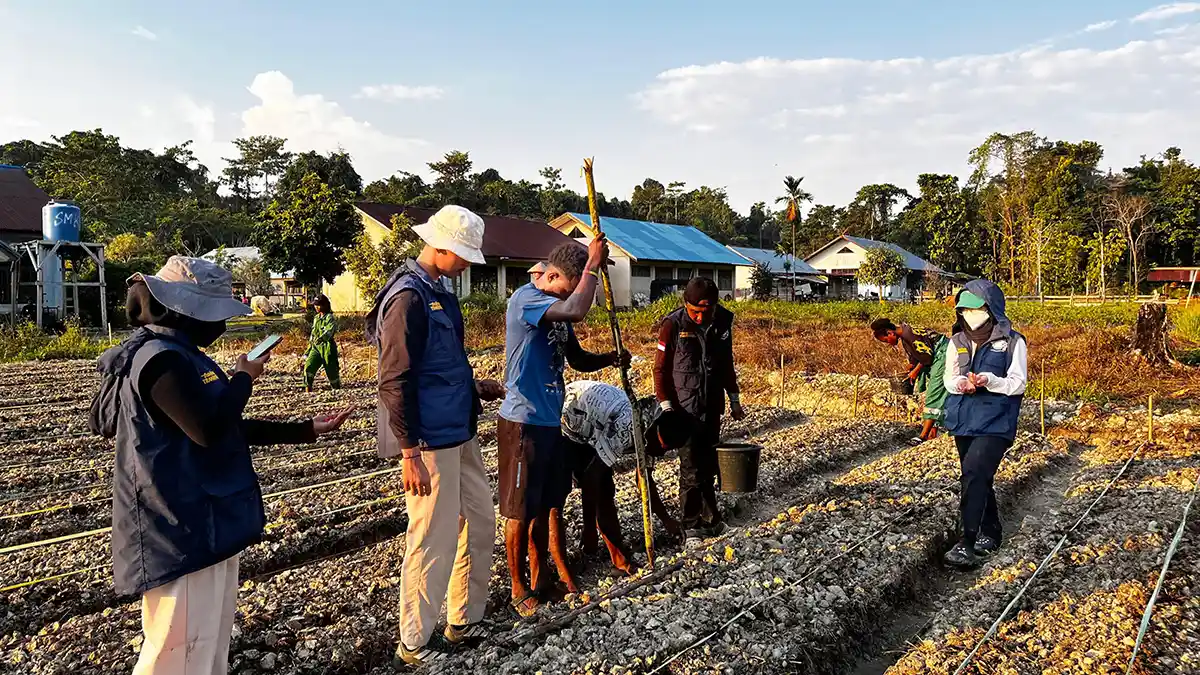
- Enhanced Rural Mobility — Better roads also make it easier for extension officers, fertilizer supplies, and farming equipment to reach rural villages.
In short, farm road construction removes a critical physical barrier — turning isolated subsistence farming zones into active, commercial agricultural hubs.
👉 ALSO READ: Papua Movement: Sports and Community Unity in Papuan Neighborhoods
Logistics Infrastructure Supports Regional Trade
Road access delivers its full economic impact only when backed by an integrated logistics system. Moving produce efficiently takes strategic infrastructure along the whole supply chain — sub-district collection centers, cold storage, processing facilities, and organized transport networks that carry goods smoothly from countryside farms to urban markets.
Investment in supply chain logistics cuts down unnecessary handling and speeds up delivery to market. Storage facilities protect harvests from heat and moisture, letting farmers hold excess inventory during harvest surges instead of selling at a loss. Reliable logistics also give farmers the confidence to expand production, plan planting around market demand, and move toward sustainable commercial agribusiness.
What does this look like on the ground?
Two recent examples show both the problem and possible answers.
Rainy-season shortages in Jayawijaya. In April 2025, the regent of Jayawijaya, Atenius Murib, asked the local agriculture office to watch vegetable supplies closely during the rainy season, Antara reported. He said that, according to Statistics Indonesia (BPS), expensive vegetables, especially spinach, were one cause of high inflation in Highland Papua. Fields under water could not be farmed, so spinach became scarce in Wamena’s markets. He also asked the regional inflation control team to find ways to keep the prices of spinach, tomatoes and chillies stable.
A vegetable shop for Arfak farmers. In Manokwari, West Papua, a young Papuan entrepreneur, Simon Tabuni, and his friends started Anggi Mart during the COVID-19 pandemic, according to Antara. At the time, Papuan market women (mama-mama Papua) could not sell their vegetables because people avoided crowded markets. The shop collected potatoes, carrots, cabbage and spring onions from the Arfak Mountains, and greens from farmers around Manokwari, then sold them online through WhatsApp.
These cases point to the same lesson. Farmers need more than a road: they need storage, steady buyers and ways to sell when normal markets close.
Are roads enough?
Critics rightly point out that roads alone don’t guarantee higher profits or economic security for rural farmers. Physical infrastructure has to be paired with stable commodity prices, transparent market information, accessible financing, and ongoing technical training for indigenous farming collectives.
Even so, reliable transport infrastructure is the foundation everything else builds on. Roads only deliver their full value when they connect producers to storage hubs, transport services, and dependable buyers. When agricultural planning accounts for Papua’s geography, environmental sustainability, and local community needs, infrastructure investment translates into real, long-term independence for farming families.
What comes next?
Connecting rural farms with regional markets reshapes everyday opportunities for agricultural producers across Papua. Reliable farm roads and logistics networks cut distribution costs, prevent post-harvest losses, and help secure fairer returns for indigenous farmers.
Deepening the ties between rural producers, logistics systems, and regional consumer hubs builds long-term rural resilience — and, over time, a more sustainable, self-reliant regional economy for every Papuan community.