By International Desk | Published: September 2026 | Category: Asia-Pacific & First Nations Analysis
Disclosure: Papua Movement is published by the Youth Foundation for Indonesian Peace (YPPI), the organisation that made this declaration. Steve Mara, quoted below, is the editor of Papua Movement.
Executive Summary:
- Historic Shift: The Youth Foundation for Indonesian Peace (YPPI) declared its mission in Jakarta. The foundation aims to transform Indigenous Papuans into active leaders of national development.
- A Broader Youth Movement: Youth activism in Papua is shifting away from peripheral dissent. Instead, young leaders are focusing on institutional advocacy that combines indigenous sovereignty with regional connectivity.
- Geopolitical Nexus: Papuan youth leaders now connect land rights directly to national food security and Pacific diplomacy.
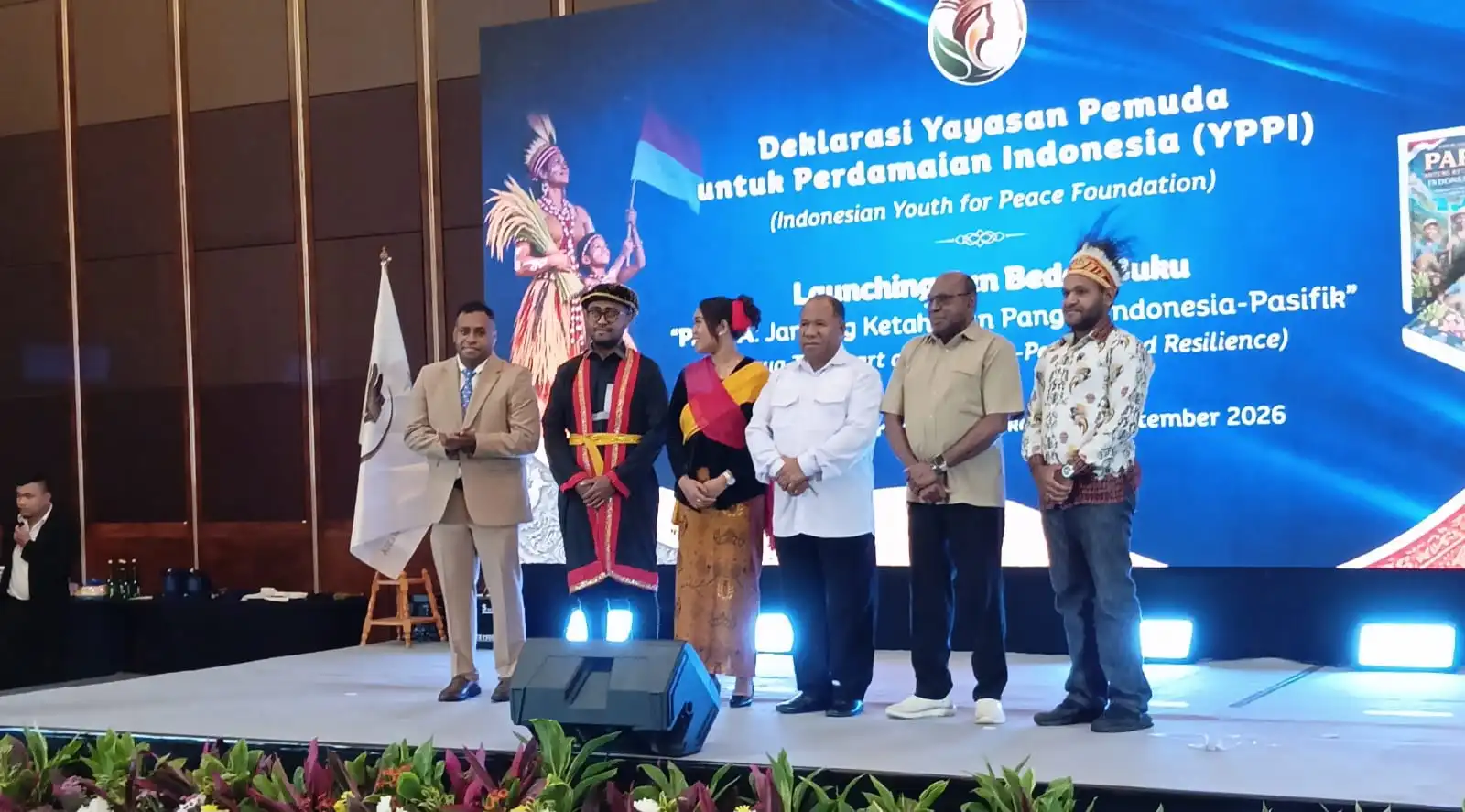
In early September 2026, a powerful voice emerged from Indonesia’s eastern frontier. The Youth Foundation for Indonesian Peace (YPPI) made its formal declaration in Jakarta on September 4. This event marked a milestone for Papuan youth advocacy. Today, this youth-led advocacy movement is actively redefining West Papua’s role in Pacific security. The summit brought together Indigenous leaders, government officials, and student federations. Together, they framed local empowerment as a vital pillar of regional stability.
Alfred Pabika, the General Chairman of YPPI, addressed the audience directly. He highlighted a long history of community disenfranchisement. For decades, state authorities used Article 33 of the Indonesian Constitution to justify top-down development projects. As a result, industrial resource extraction often bypassed local First Nations stewards. These traditional communities have protected local fragile ecosystems for generations. Therefore, YPPI demands structural inclusion. Local youth now insist on turning customary landowners into sovereign decision-makers.
From Exploitative Objects to Sovereign First Nations Subjects
The declaration was covered by national media, including Media Indonesia (“YPPI Officially Declared, Focusing on the Protection and Empowerment of Indigenous Communities”). This event highlights a major shift in how young Papuan intellectuals engage with state policy. Furthermore, YPPI directly challenges the legacy of state-driven megaprojects. In South Papua, large agricultural projects create significant risks for local communities. Specifically, industrial expansion often alienates Indigenous clans from their ancestral land (hak ulayat).
This dynamic holds deep relevance for observers in Australia and the Pacific region. In those nations, First Nations land rights remain central to political debate. Consequently, YPPI’s advocates reject purely militarized solutions. Instead, they argue that true peace requires full legal recognition of customary land stewardship.
“Constitutional promises of resource prosperity have too often ended as mere rhetoric for Indigenous communities. YPPI exists to bridge this silent gap. We must ensure our people drive national and regional development on their own ancestral lands.”
— Alfred Pabika, General Chairman of YPPI
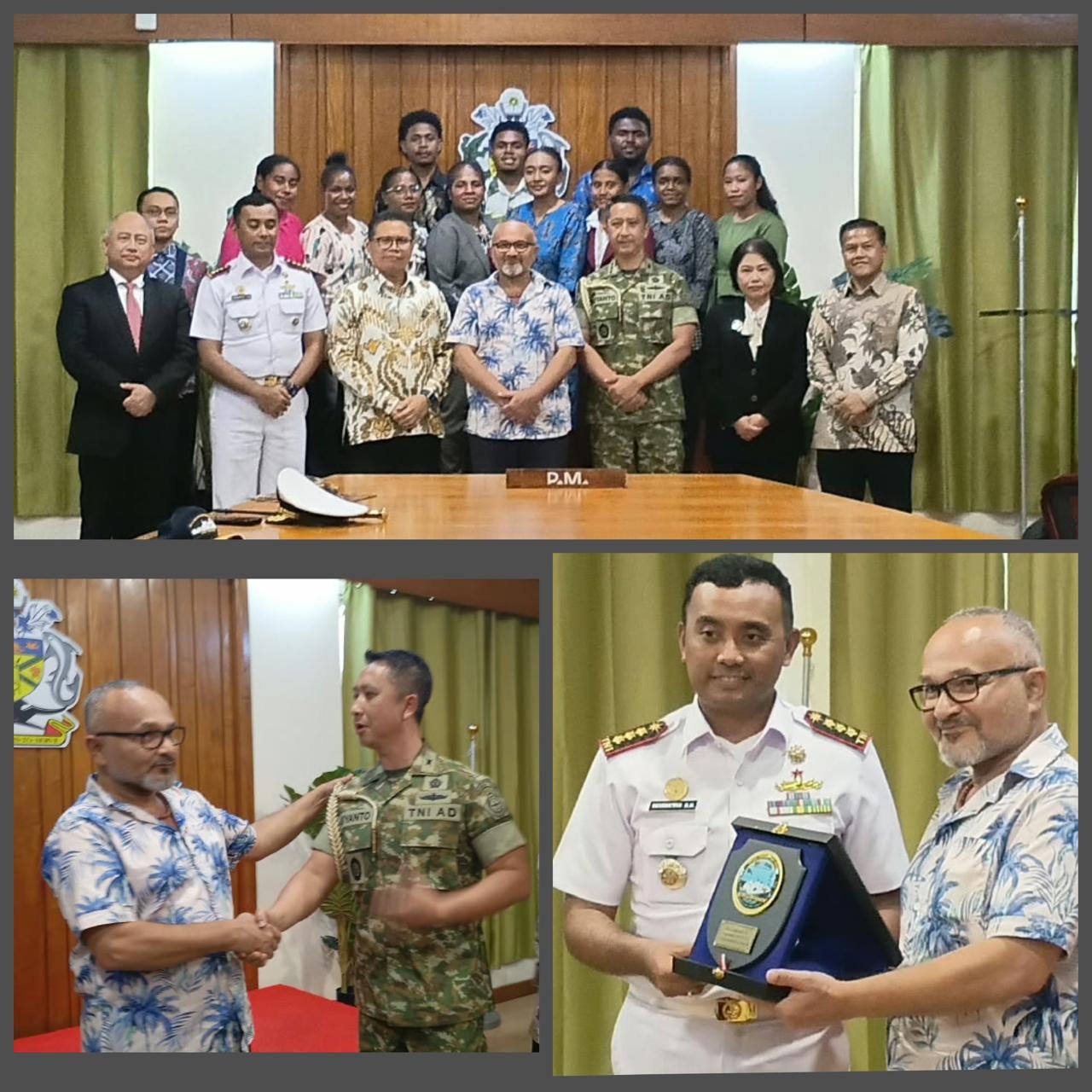
Government officials also offered crucial support during the summit. Maddaremmeng, Secretary of the South Papua Provincial Government, emphasized the value of state-youth partnerships. He noted that contemporary youth leaders actively break old stereotypes. Rather than relying on conflict, young Papuan intellectuals now use policy frameworks and regional diplomacy to protect their heritage.
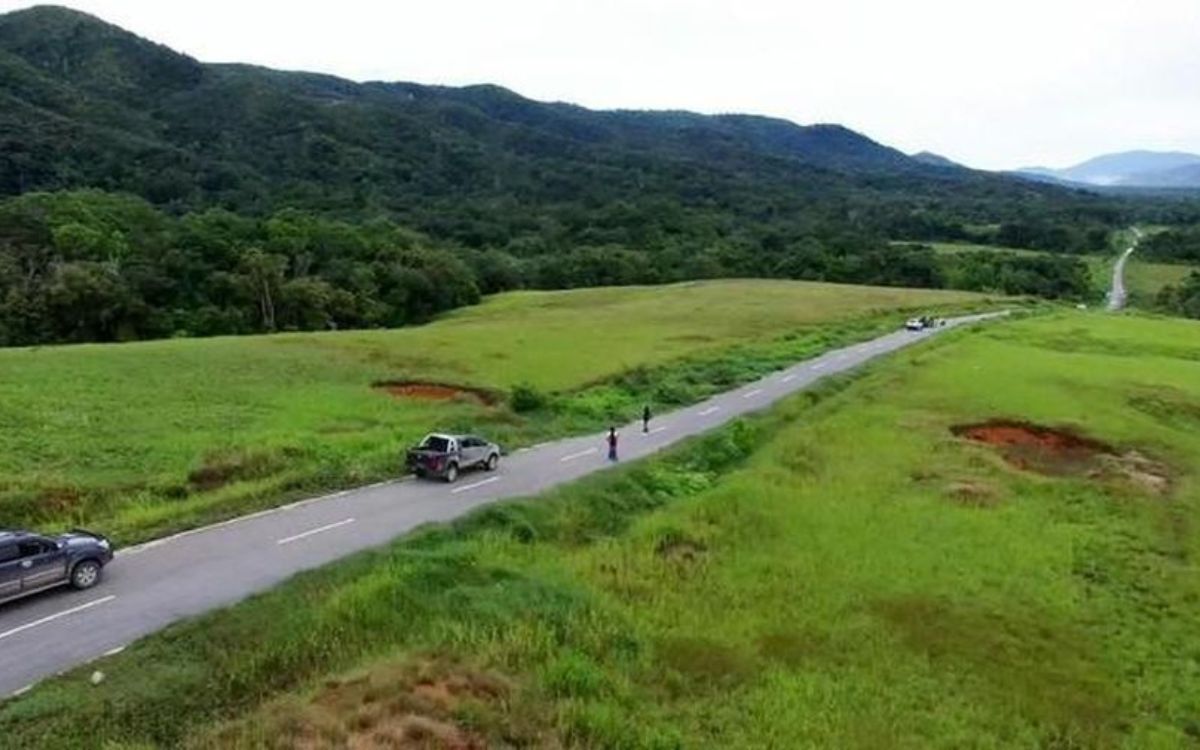
👉 Also Read: Trans-Papua Road, Youtefa Bridge and Palapa Ring: How Infrastructure in Papua Is Changing
Watch: Highlights from the YPPI declaration on youth empowerment and Pacific diplomacy.
The Food-Security Nexus: Bridging West Papua and the Pacific Neighborhood
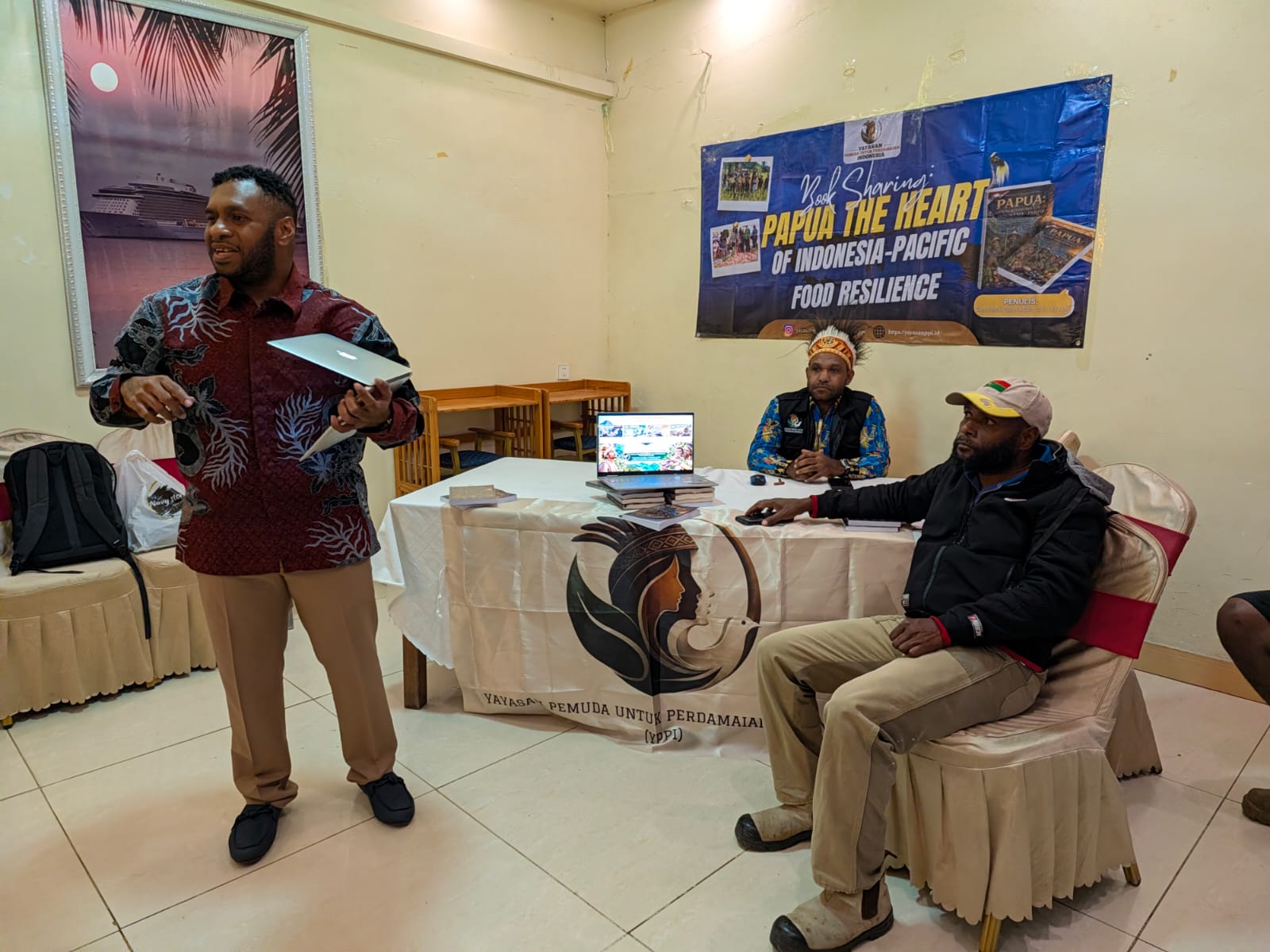
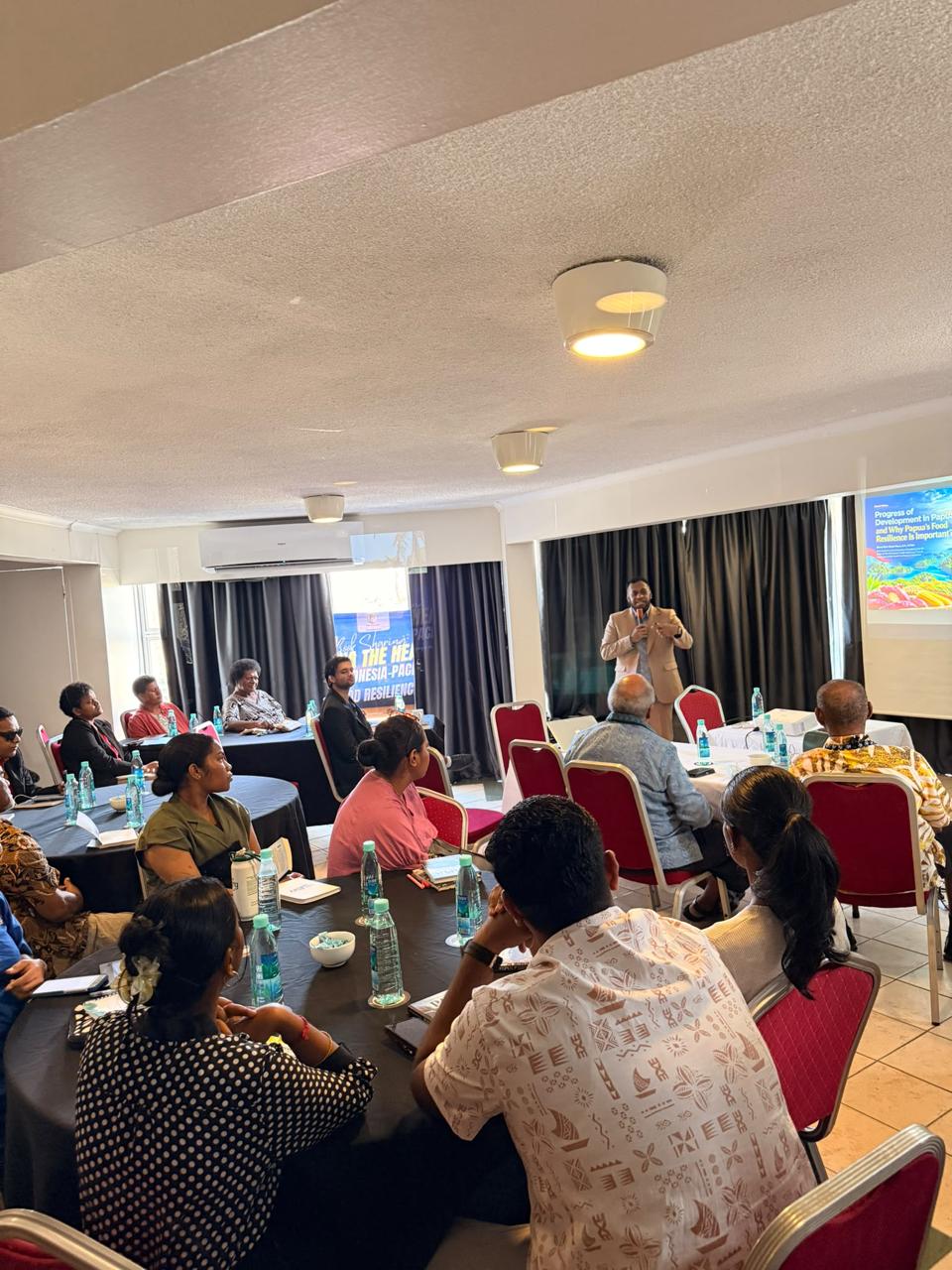
Steve Mara, a Papuan geopolitical analyst and the editor of Papua Movement, spoke at the conference. He framed West Papua’s fertile geography as a central pillar of regional food diplomacy. Moreover, Mara pointed out that global powers rely heavily on agricultural and energy self-sufficiency. Consequently, this reality is especially urgent for island nations in the climate-vulnerable Pacific neighborhood.
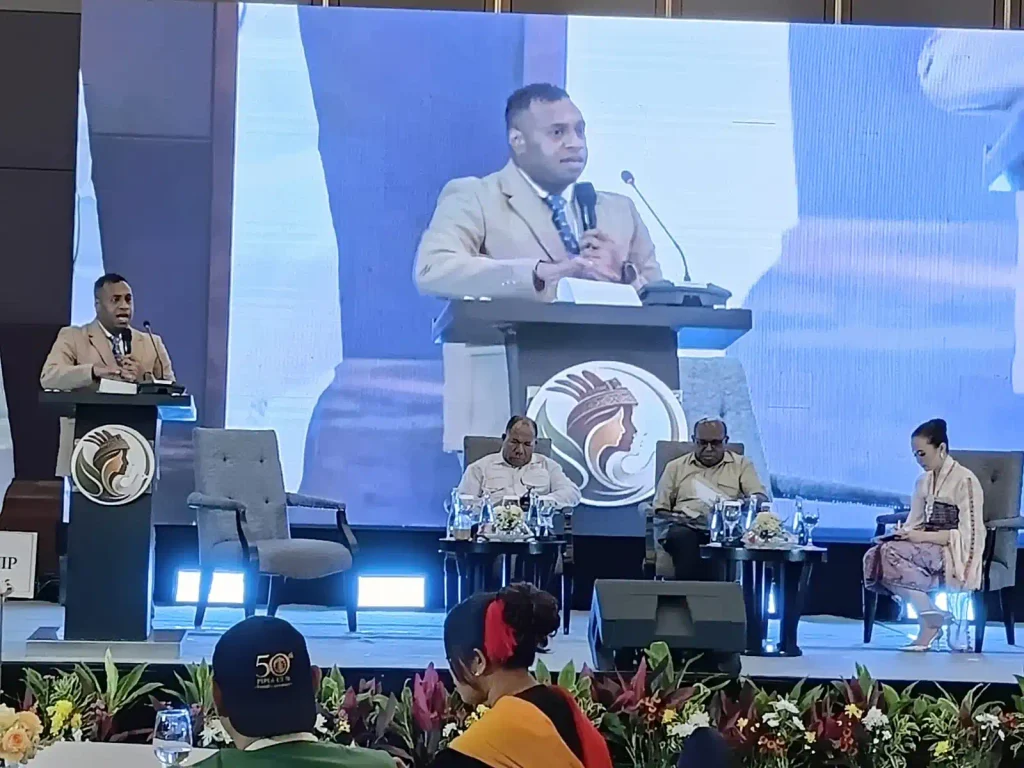
However, Mara emphasized that nations cannot separate food security from Indigenous self-determination. Developers must not build agricultural hubs through land grabs. Instead, he called for fair partnerships with local landowners. Sustainable Papuan agricultural yields can strengthen domestic resilience. In addition, these yields can supply reliable food exports to neighboring Pacific Island states. As a result, Indigenous Papuans become key diplomats between Southeast Asia and Melanesia.
Reimagining Peace in the Asia-Pacific: Lessons for Regional Observers
International stakeholders closely monitor ongoing developments in West Papua. For these observers, the rise of YPPI offers a fresh perspective. YPPI argues that lasting peace depends on economic justice, cultural preservation, and land sovereignty. Furthermore, YPPI built a broad coalition including youth federations, student movements, and non-governmental organizations. This coalition shows a growing consensus within Indonesian civil society.
Indonesia is now moving toward its ‘Golden Vision 2045’. In this context, YPPI presents its declaration as a blueprint for Papuan youth advocacy. Caring for ancestral land preserves indigenous identity. Likewise, safeguarding local culture strengthens the nation. Finally, empowering local communities creates the foundation for genuine peace. For the broader Asia-Pacific region, the message from Jakarta is clear: true security begins when leaders honor First Nations voices at the geopolitical table.