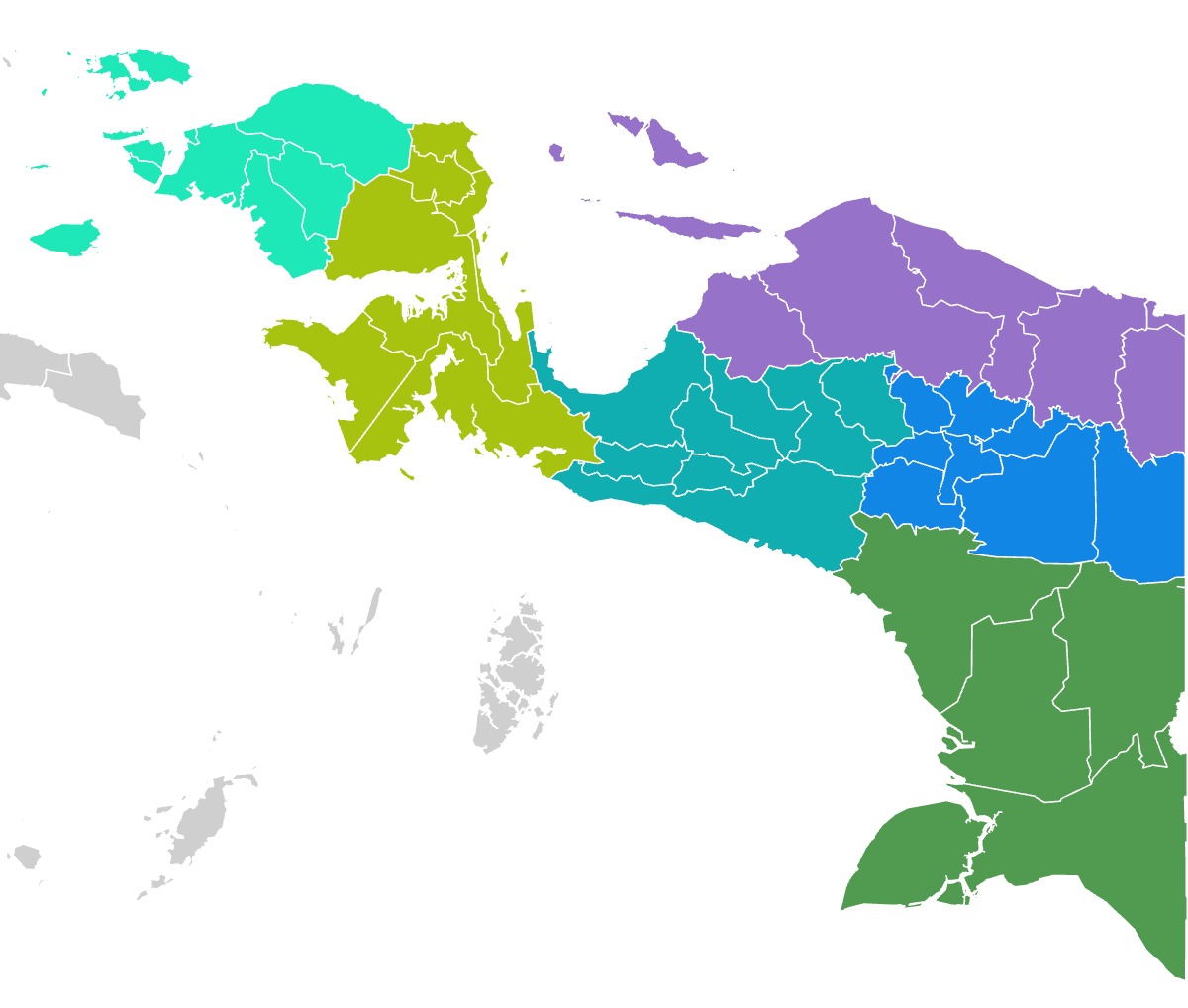
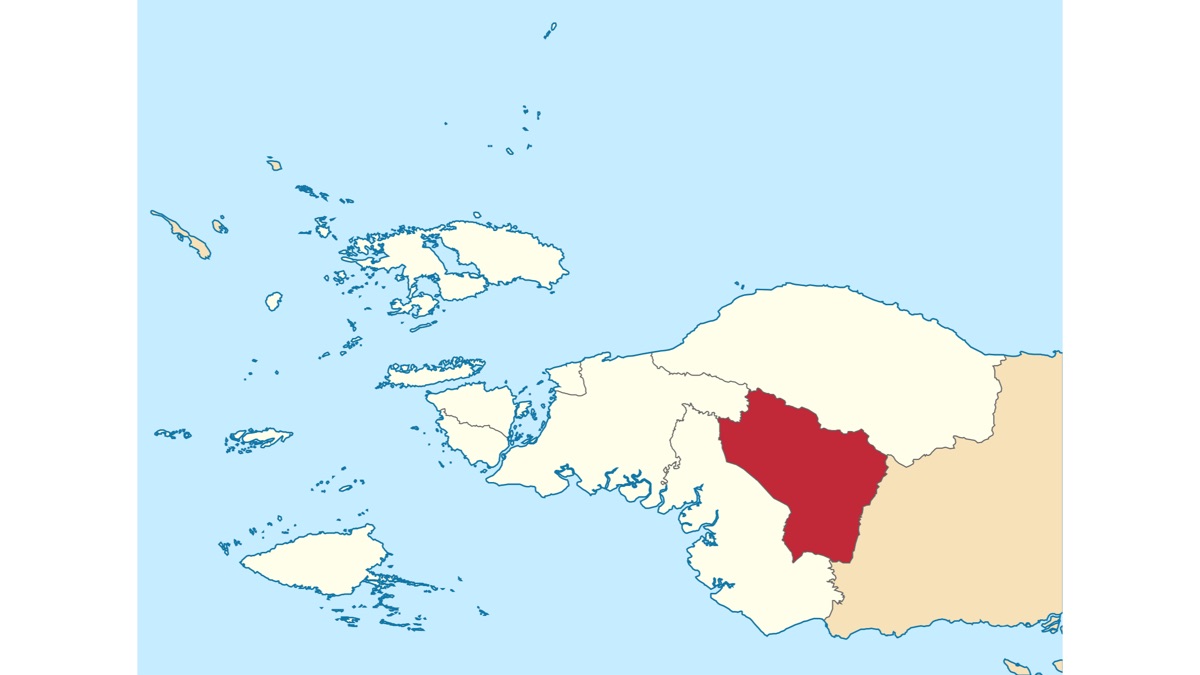
Violence in Maybrat, Southwest Papua, has forced many residents to leave their homes since September 2021. Some families have returned, but others still face uncertainty. Reports from Komnas HAM, church workers and local media describe the impact on housing, education and healthcare. They also show that no single current count of displaced residents is available.
Understanding Maybrat’s Displacement Crisis
The displacement began after an armed attack on a military post in Kisor Village, South Aifat District, on 2 September 2021, in which four Indonesian soldiers were killed. A spokesman for the TPNPB, the armed wing of the Free Papua Movement, told Tempo that the group carried out the attack. After the attack, many residents left their homes because they feared further violence. Some moved to other parts of Maybrat, Sorong Regency and South Sorong Regency.
In April 2024, Jubi reported that 3,387 Maybrat residents remained displaced. The figure came from Komnas HAM monitoring in July 2023. However, Komnas HAM said it had not yet updated the data. An earlier Komnas HAM observation summary, quoted by KPAI in December 2023, put the total at 6,556 displaced people from two Aifat districts, spread across the Sorong area and several locations in Maybrat. These figures cover different reporting periods. They should not be treated as the current number of displaced residents.
Key Pillars of the Displacement Crisis
1. Returning Home Remains a Gradual Process
The return of displaced families has taken place in stages. In January 2025, Jubi reported that by the end of 2024 only 202 families had returned to their villages, compared with the 706 displaced families Komnas HAM recorded in 2023. Meanwhile, Komnas HAM documented the return of 64 residents to Imsun Village on 23 December 2024. They had been displaced for more than three years.
These figures come from separate reports. They may overlap, so they should not be added together.
👉 ALSO READ: What Is the Current Situation in West Papua?
2. Education and Healthcare Access Have Been Disrupted
Displacement has also affected children’s education. In December 2023, the Indonesian Child Protection Commission (KPAI) cited Komnas HAM data on 378 school-age children whose education had been disrupted.
The problem continued to draw attention in January 2025. Jubi reported that two elementary schools in Maybrat, SD YPPK Ayata and SD YPPK Faan Kahrio, were being used as security posts. Komnas HAM warned that this could disrupt children’s right to education.
Healthcare is another major concern. In April 2024, Jubi reported Komnas HAM’s findings on limited health services and declining health conditions among displaced residents. Later, an August 2025 update by Human Rights Monitor, a Papua-focused rights documentation group, cited church workers who described ongoing problems with healthcare, education, housing and economic support for displaced people from the Aifat area.
Addressing Concerns: What Is Needed for Recovery?
Church workers have also raised concerns about the daily needs of displaced families. At a Christmas gathering for Maybrat refugees in January 2025, a representative of the Augustinian Order’s Secretariat for Justice, Peace and the Integrity of Creation (SKPKC OSA) spoke about children’s education difficulties. The gathering also highlighted community efforts to support displaced children and calls for safe returns.
In July 2025, Human Rights Minister Natalius Pigai announced a recovery plan for Maybrat with the housing, social affairs, health and public works ministries. It covers housing, roads, schools and health services in districts including Aifat Timur, Aifat Timur Jauh, Kamundan and Aifat Selatan. Pigai said development gaps, discrimination and low access to education were among the causes of the conflict, and Maybrat’s deputy regent welcomed what he called a humane approach. However, the announcement does not confirm that all these services have been restored.
Conclusion: What the Reports Show
Maybrat displacement is not only about people leaving their homes. The reports reviewed here describe its effects on children’s education, access to healthcare and family livelihoods.
Church workers cited by Human Rights Monitor say returning families also need safe housing, functioning schools and accessible health services. Komnas HAM has said its figures have not been updated, and the reported numbers cover different periods, so no single current count of displaced residents was available in the sources reviewed for this article.