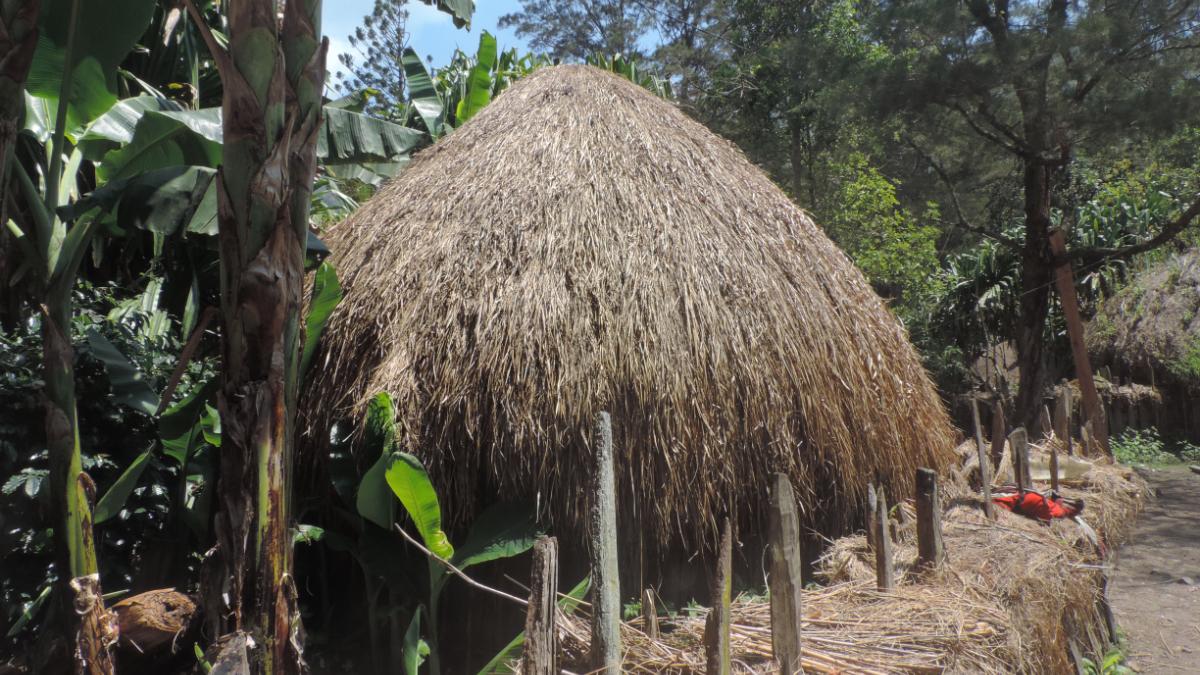
Solar energy offers a practical way to expand electricity access in remote Papuan communities, including highland villages with traditional Honai (round, thatched houses). In areas where conventional power networks are difficult to extend, solar lamps and standalone systems can provide lighting and support essential household activities. However, successful implementation requires more than installing panels. Reliable equipment, battery storage, suitable locations, and community participation determine whether these projects deliver lasting benefits.
Bringing Solar Energy to Remote Highland Communities
Papua’s mountainous geography makes electricity distribution difficult, especially in villages far from established power networks. Decentralized solar systems offer an alternative because they can generate electricity without depending entirely on long transmission lines.
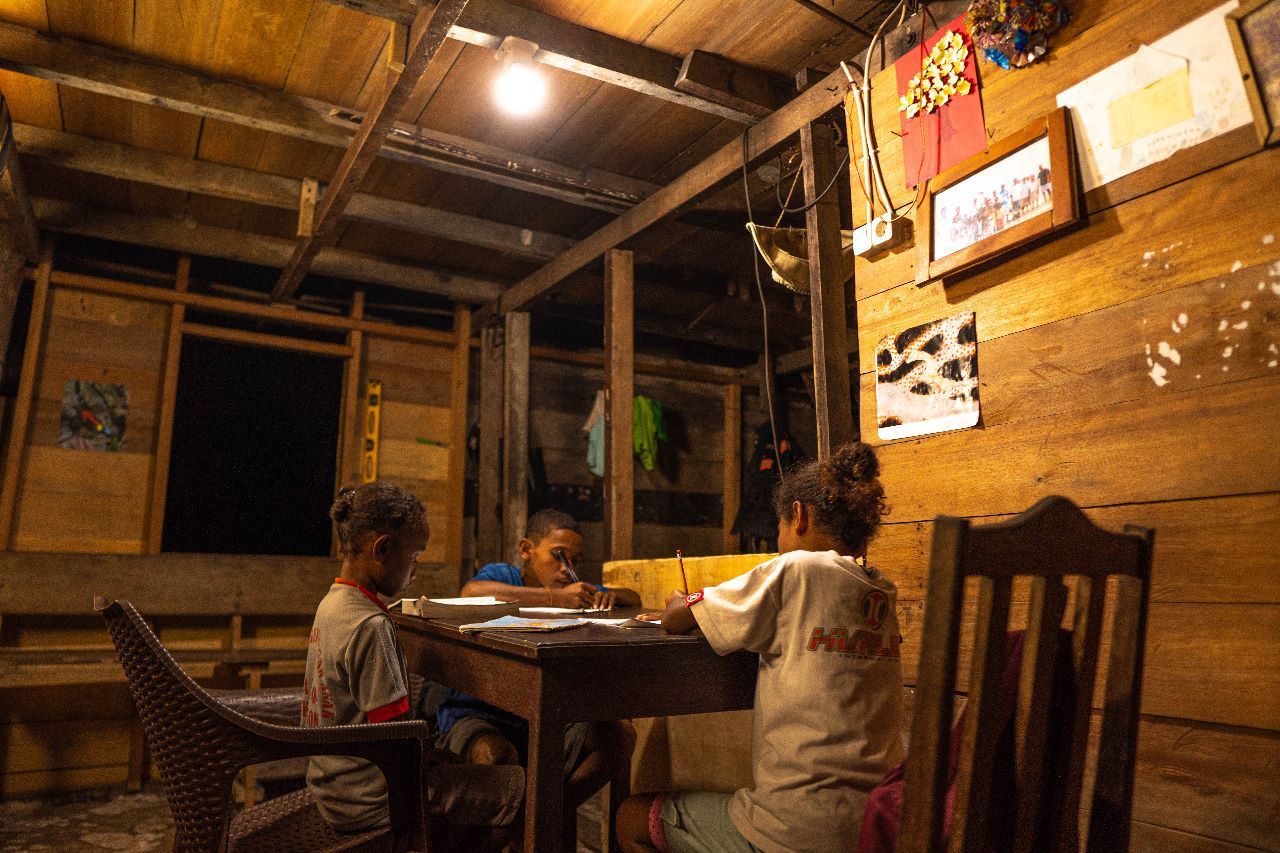
Solar lighting was being rolled out to traditional homes in Papua in 2019. In November 2019, ANTARA reported that the Jayawijaya district administration was installing solar-powered lamps to illuminate Honai homes, with lamps already in place in districts including Pyramid, Bolakme, Wollo, and Wosi. The lamps were provided by the Ministry of Energy and Mineral Resources.
A feasibility study published in the Bulletin of Electrical Engineering and Informatics in October 2025 proposes a solar-diesel hybrid system for Jifak, a remote mountain village in Papua. Using HOMER simulation software, the researchers modelled photovoltaic panels, diesel generators, and battery storage as a combined solution, with an estimated net present cost of US$10.43 million and an energy cost of about US$0.51 per kilowatt-hour. The study also assessed potential improvements in lighting, education, productivity, and household economic activities. The study shows why solar energy should be evaluated according to local needs rather than treated as a one-size-fits-all solution.
Key Pillars of Solar Energy Implementation
Expanding Access Through Practical Solar Projects
Recent projects demonstrate how solar technology can serve communities beyond the reach of conventional electricity networks. ANTARA reported in April 2025 that PLN had provided electricity to 49 houses in Borme District, Pegunungan Bintang, through its SuperSUN program in December 2024. SuperSUN units combine solar panels with an inverter and a battery, according to PLN details reported by Koran Jakarta, to provide electricity in remote areas.
The program illustrates why decentralized energy systems matter in Papua. Instead of relying exclusively on large power networks, individual communities can receive electricity through smaller installations suited to local conditions.
The priority should be ensuring that solar projects respond to actual household needs. Planning should consider:
- Energy demand: Matching system capacity with household electricity consumption.
- Battery storage: Providing sufficient stored energy for periods without sunlight.
- Installation: Choosing stable structures and suitable locations for solar panels.
- Community participation: Involving residents in planning and daily system management.
These considerations help prevent installations from becoming underused or unsuitable for local conditions.
Maintenance and Local Technical Capacity
Installing solar equipment is only the beginning. Panels require periodic cleaning, batteries need monitoring, and electrical components must receive regular inspections. In remote highland communities, difficult transport routes can also delay repairs and replacement parts.
According to PLN, as reported by ANTARA on 29 March 2025, Tanah Papua had 123 solar power plants and dozens of SuperSUN units distributed across remote and underserved areas. The PLN project manager quoted in the report described the region’s topography as very complex and said the work was not only about supplying electricity but also about keeping it going.
Local technician training and clear maintenance responsibilities are essential. Residents who understand basic system operation can identify problems earlier and coordinate repairs more effectively. Long-term maintenance budgets and access to spare parts are equally important.
👉 ALSO READ: After Sunset: The Challenge of Reliable Electricity in Papua
Addressing Concerns: Weather, Costs, and Reliability
Solar installations in Papua’s highlands must account for changing weather conditions. Cloud cover and rainfall can reduce electricity generation, while limited battery capacity may restrict nighttime use. Initial equipment costs and future battery replacements can also create financial challenges for communities.
These concerns require realistic planning rather than promises of uninterrupted electricity. Site assessments, suitable battery capacity, and transparent maintenance arrangements can improve project reliability. Energy programs should consider both installation costs and long-term operating requirements.
Conclusion: Making Solar Power Work for Papua
Solar technology can expand electricity access in remote highland communities, including those where conventional networks remain difficult to develop. Examples from Jayawijaya and Pegunungan Bintang show how solar lighting and standalone systems can address different electricity needs.
Lasting progress depends on matching technology with local conditions. Reliable equipment, community participation, and consistent maintenance can help transform solar installations into useful long-term infrastructure across Papua.