Editorial: This article sets out the view of Papua Movement’s editors.
Over the past eight years, armed groups in Papua’s highlands have repeatedly attacked people whose only role was to serve local communities. Armed attackers have killed, injured or taken hostage teachers, a nurse, pilots, a driver and construction workers. In our view, no political struggle can excuse these attacks on civilians in Papua. This editorial sets out what credible media have reported and why the same standard must apply to everyone who carries a gun in Papua.
👉 ALSO READ: What Are the OPM and the TPNPB? Papua’s Armed Separatist Groups Explained
Who have the armed groups attacked?
- December 2018, Nduga. An armed group attacked workers building a Trans-Papua bridge. Police and the military confirmed at least 20 deaths, BBC News Indonesia reported.
- April 2021, Beoga, Puncak. Armed separatists shot dead two teachers, Oktovianus Rayo and Yonathan Renden, Antara reported.
- September 2021, Kiwirok, Pegunungan Bintang. Attackers burned the community health centre. A nurse, Gabriela Meilan, died after falling into a ravine while fleeing, according to officials quoted by Tempo.
- February 2023 to September 2024, Nduga. Fighters burned a small passenger plane and held its New Zealand pilot, Phillip Mehrtens, hostage for more than 19 months before releasing him, Reuters reported.
- March 2025, Yahukimo. Gunmen attacked housing for educators, killing a teacher and injuring six others. The military said the victims were “educators and medical personnel – not spies”, BenarNews reported.
- July 2026, Yahukimo. The TPNPB shot dead American pilot Nicholas F. Gosselin and burned his plane, whose passengers were Papuans, Reuters reported.
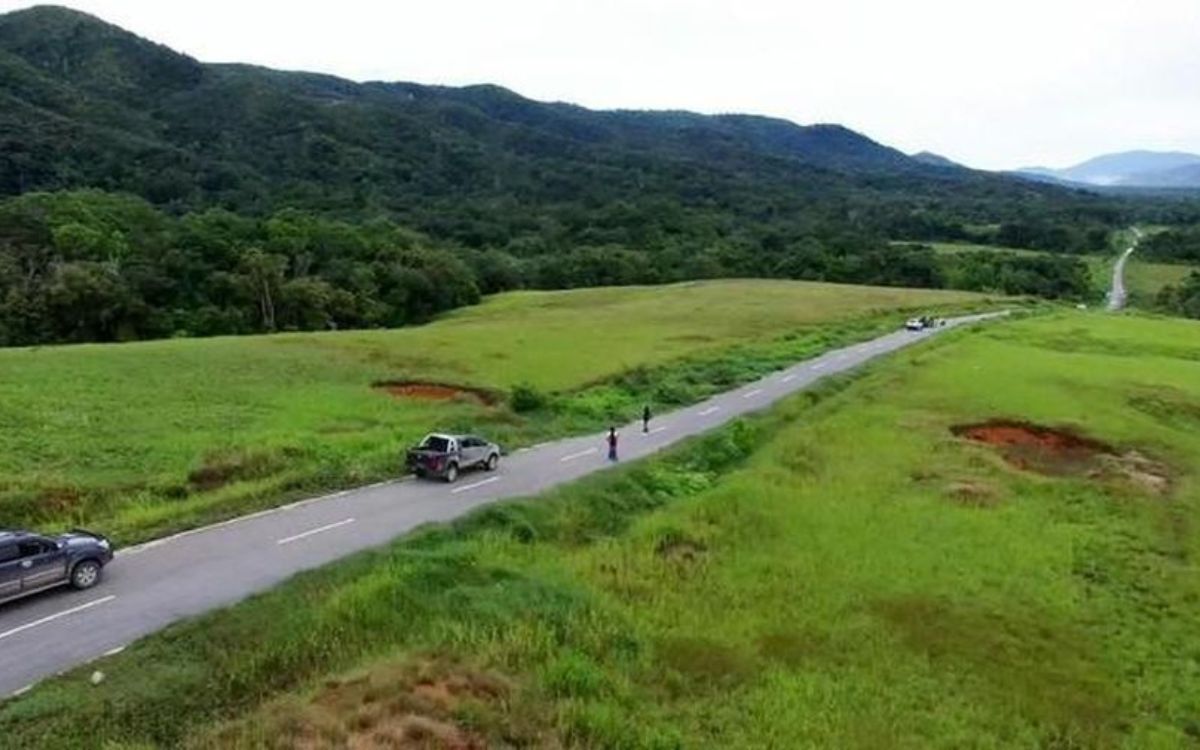
- September 2026, Wamena–Mbua road. Attackers killed driver Aris Sanda, who had driven the route since 2013. Police said early evidence pointed to an armed group in the area but still needed verification, Kompas reported.
Why do these attacks matter so much?
After all, teachers, nurses, pilots and drivers are the thin links between remote highland villages and the rest of the country. When attackers burn a health centre or kill a pilot, the people who suffer most are Papuan families who lose their school, their clinic or their only flight out. For how far many villages already are from care, see Papua Rural Healthcare.
What do the armed groups say?
However, armed groups have often claimed that the people they attacked were spies or intelligence agents. In the 2025 Yahukimo case, a TPNPB commander made that claim; the military rejected it. Similarly, in the 2026 Wamena–Mbua case, police denied that the driver was an intelligence agent.
In our view, such claims do not change the law. Under the principle of distinction in international humanitarian law, the parties to a conflict must always distinguish between civilians and combatants, and they may never direct attacks against civilians. A teacher in a classroom or a pilot on a runway is a civilian.
Does this excuse abuses by security forces?
No. The same standard applies to soldiers and police. In March 2024, the Indonesian army apologised and arrested 13 soldiers after a video showed troops torturing a Papuan man, Reuters reported. In short, violence against civilians is wrong whoever commits it, and condemning one side’s crimes must never become a reason to ignore the other’s.
What should happen next?
- Investigate every killing. Authorities should investigate each case and, where evidence allows, prosecute it in open civilian courts.
- Protect public servants. Teachers, health workers and pilots in remote districts need practical protection, not only condolences.
- Verify before blaming. Independent reporters and investigators should check claims by every side, including the military.
- Keep dialogue open. Finally, lasting safety in the highlands depends on talks as well as security.
For background on the groups involved, see What Are the OPM and the TPNPB?. For the wider picture, see What Is the Current Situation in West Papua?.