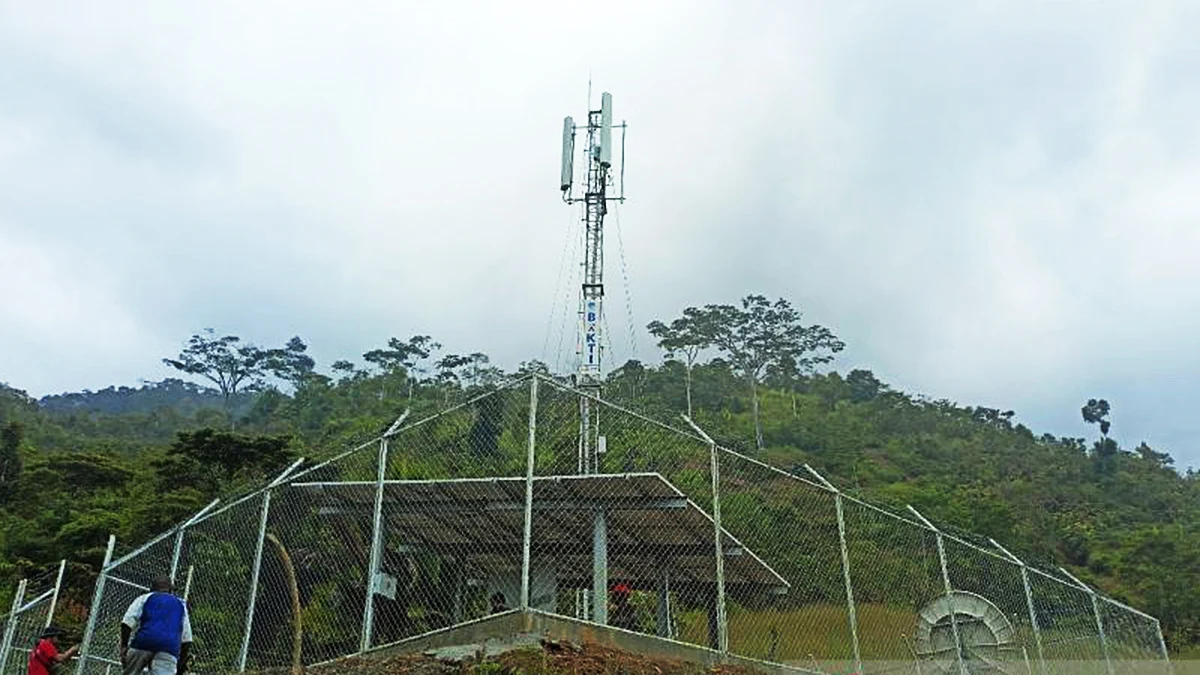
Between October 2024 and May 2025, Indonesia’s digital connectivity programme connected 1,705 locations across the six provinces of Tanah Papua. Of these, 351 locations received 4G BTS signals. These connections can help residents access education, information, public services, and markets, but their value depends on reliable service and the skills to use it.
When Internet Access Opens New Learning Opportunities
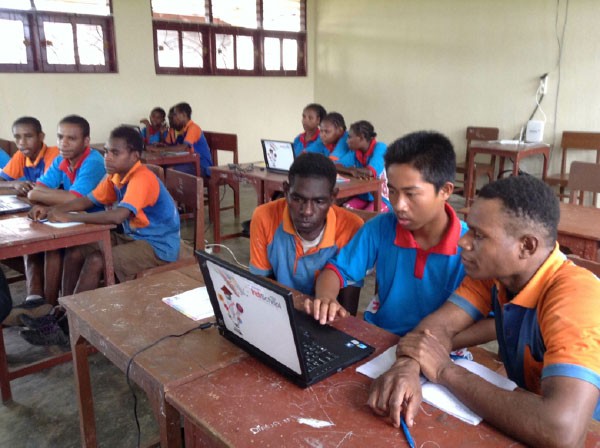
For students in remote Papuan villages, internet access can bring learning resources closer to home. They can search for explanations, access digital reading materials, watch educational videos, and communicate with teachers when suitable platforms are available. These resources can supplement classroom lessons, especially where access to libraries and additional learning materials remains limited.
For the Papua Movement, digital connectivity is an important part of expanding educational opportunities. Yet, a signal alone cannot replace teachers, classrooms, or direct guidance. Students also need suitable devices, reliable electricity, affordable data, and support in evaluating online information. When these elements work together, internet access can help young Papuans build knowledge and digital skills for further education and future employment.
Key Pillars of Digital Connectivity in Papua
Expanding Reliable Access to Remote Communities
Turning 4G Infrastructure Into Practical Benefits
Komdigi’s 2025 performance report recorded 3,262 operating BTS locations across Papua. This infrastructure supports wider access to communication and information, although coverage and service quality can differ between locations. APJII’s 2025 survey also reported internet penetration of 69.26% across the combined Maluku–Papua region. This figure highlights the continuing connectivity gap, but it should not be interpreted as a Papua-only result.
For the Papua Movement, the next priority is making connectivity useful in daily life. Practical steps include:
- Education: Helping schools and students access digital learning materials.
- Local businesses: Teaching sellers to promote products through social media and online marketplaces.
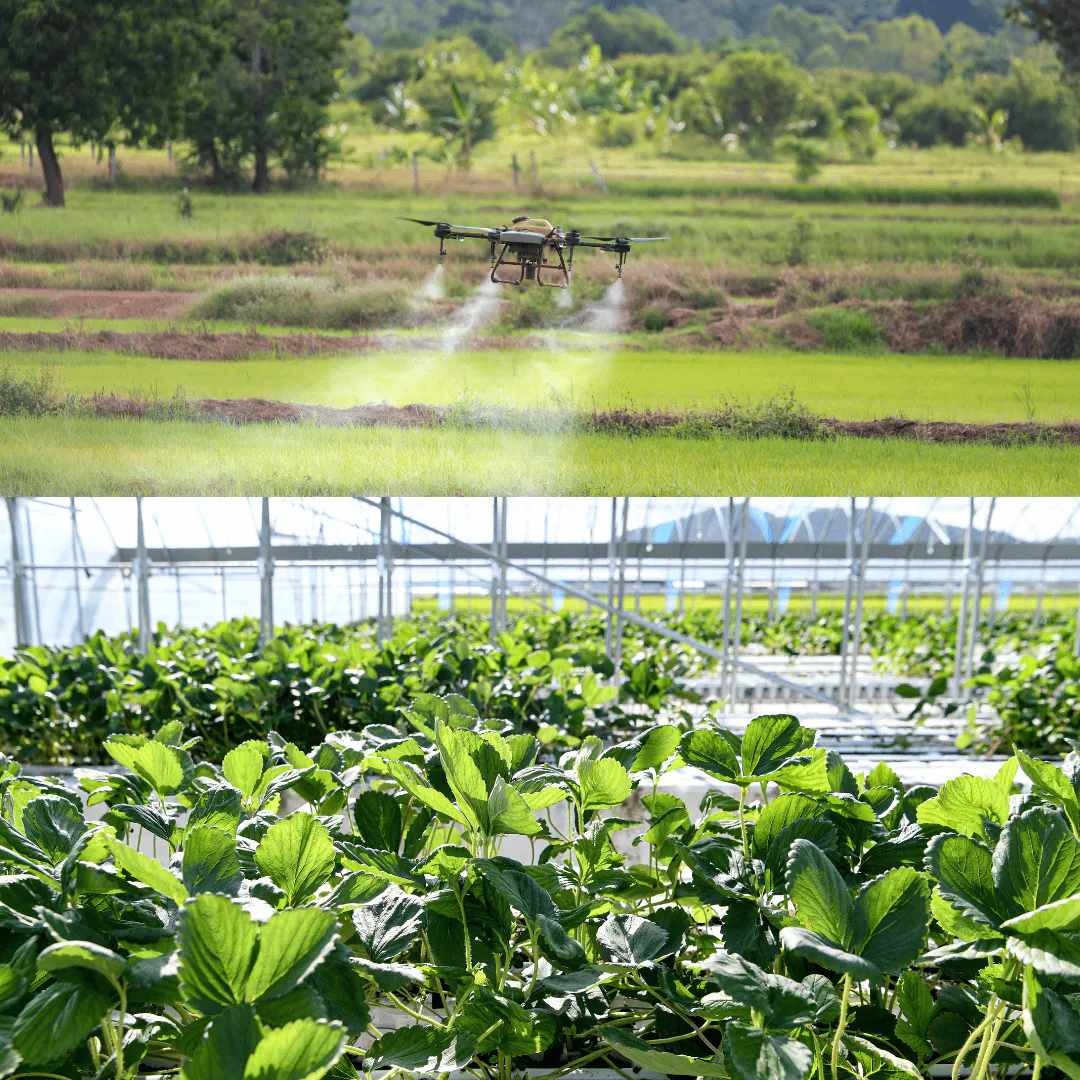
- Agriculture: Using online information to check weather, learn farming techniques, and compare market prices.
- Public services: Helping residents find official information and communicate with relevant agencies.
Connecting Local Businesses to Wider Markets
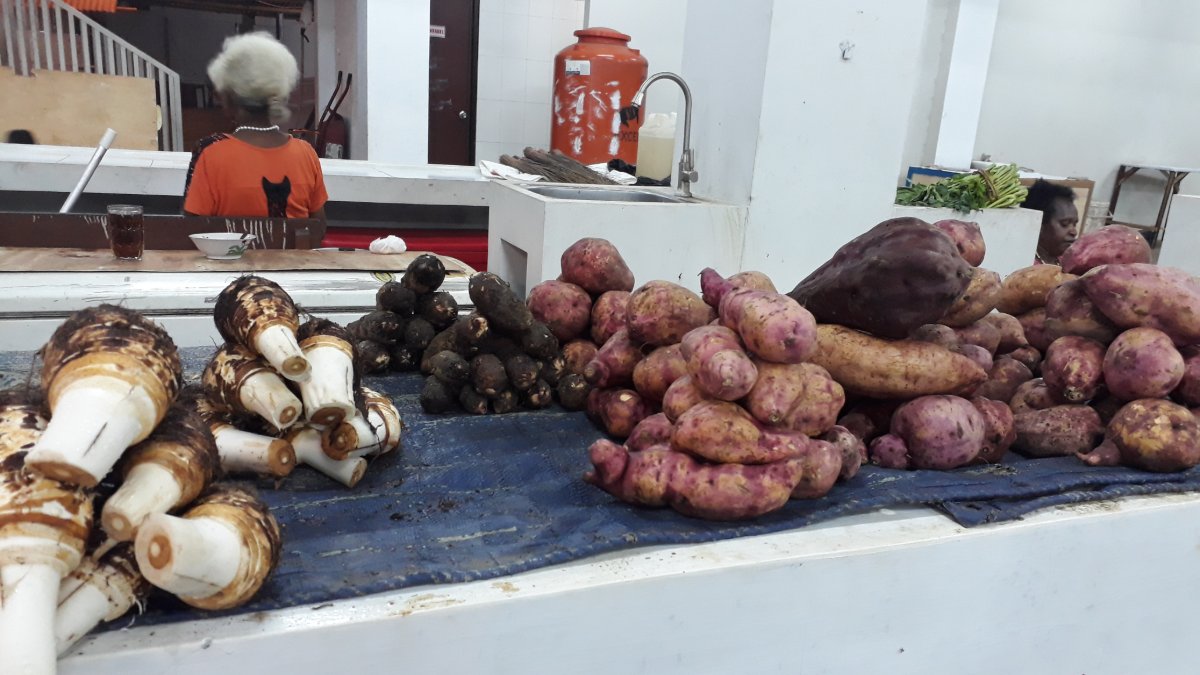
Internet access can help small businesses reach customers beyond their immediate villages. Farmers, food producers, craft makers, and market traders can share product information, communicate with buyers, and learn about prices in other areas. Digital payments may also make transactions more convenient where reliable connections and supported services are available.
The Papua Movement can frame this progress around local participation and economic opportunity. However, online promotion does not guarantee higher sales. Businesses still need consistent product quality, suitable packaging, dependable delivery, and fair access to digital tools. Training in pricing, customer service, online safety, and basic financial management can help local entrepreneurs use connectivity more effectively.
👉 ALSO READ: After Sunset: The Challenge of Reliable Electricity in Papua
Addressing Concerns: A Signal Does Not Solve Every Problem
Remote villages face practical barriers even after a tower becomes operational. Difficult terrain, weather, power interruptions, and equipment maintenance can affect network reliability. Meanwhile, the cost of smartphones and mobile data may prevent some households from using available services regularly. Infrastructure expansion must therefore go hand in hand with reliable operations and affordable access.
The Papua Movement should also recognize that digital inclusion requires more than technical coverage. Schools need relevant learning materials, teachers need digital training, and small businesses need guidance suited to their products and markets. Safe internet use matters as well, particularly for younger users. Local governments, service providers, schools, and community groups can work together to identify local priorities and make connectivity more useful.
Conclusion: Connecting Villages to New Opportunities
A 4G tower can reduce the distance between a village and useful information, educational resources, and potential customers. Its lasting value, however, depends on how people can access and apply those opportunities. Reliable service, affordable data, suitable devices, and practical digital skills all contribute to meaningful outcomes.
For the Papua Movement, the goal is not simply to count towers or celebrate stronger signals. It is to encourage connectivity that supports learning, local enterprise, and broader community participation. When infrastructure is matched with skills and relevant services, internet access has a stronger chance of becoming a lasting resource for villages across Papua.