The article argues that the Indonesian state’s presence in Papua should be measured by roads, public services, food security and economic opportunity, not by security operations alone. It calls for directing resources to remote mountain villages, supporting local farming and small businesses, and expanding health care and schooling to build trust between residents and government.
Redefining State Presence in Papua
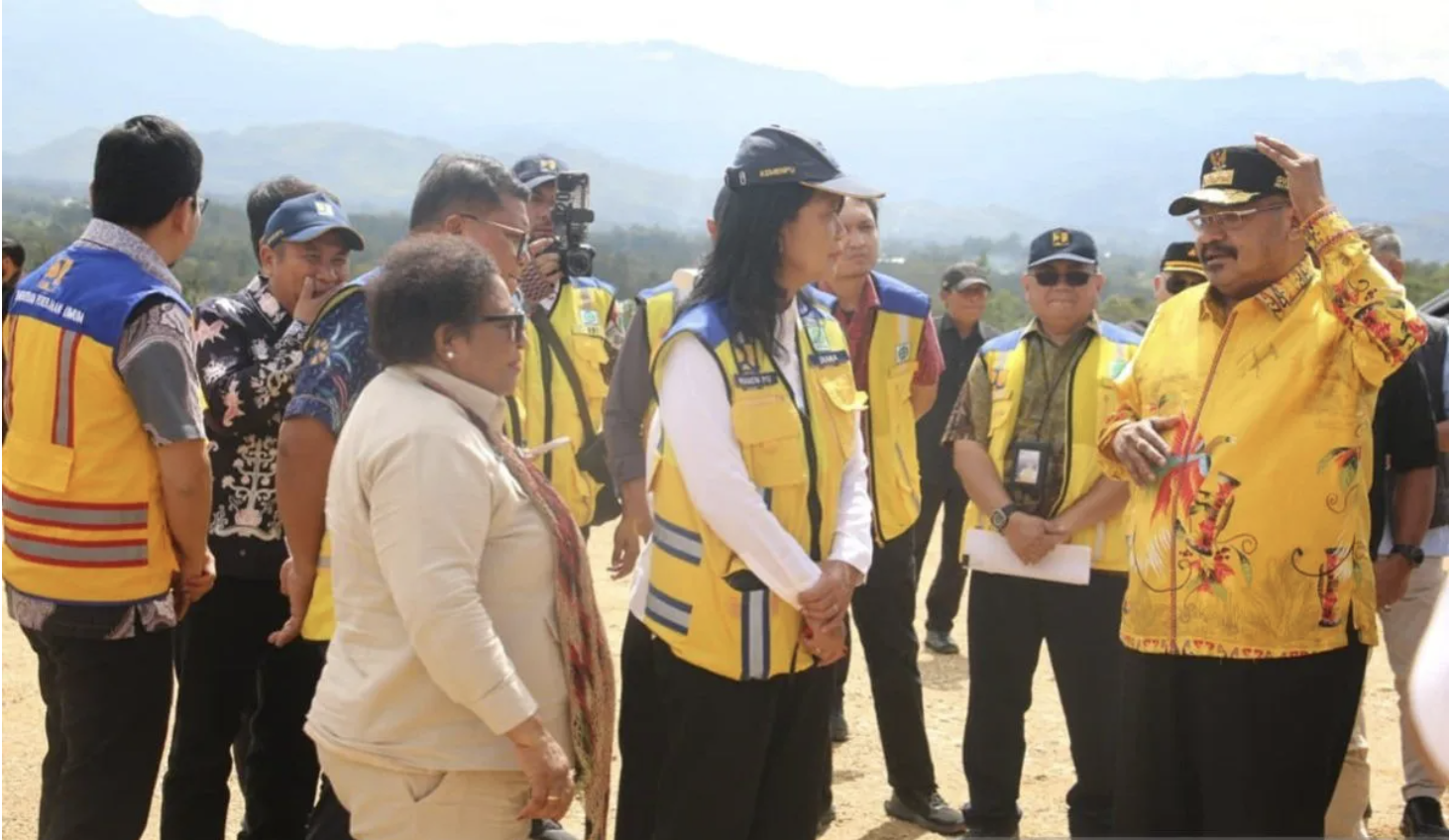
State presence in Papua must extend beyond conventional security measures. In fact, true governance requires delivering essential services, roads, and economic opportunities.
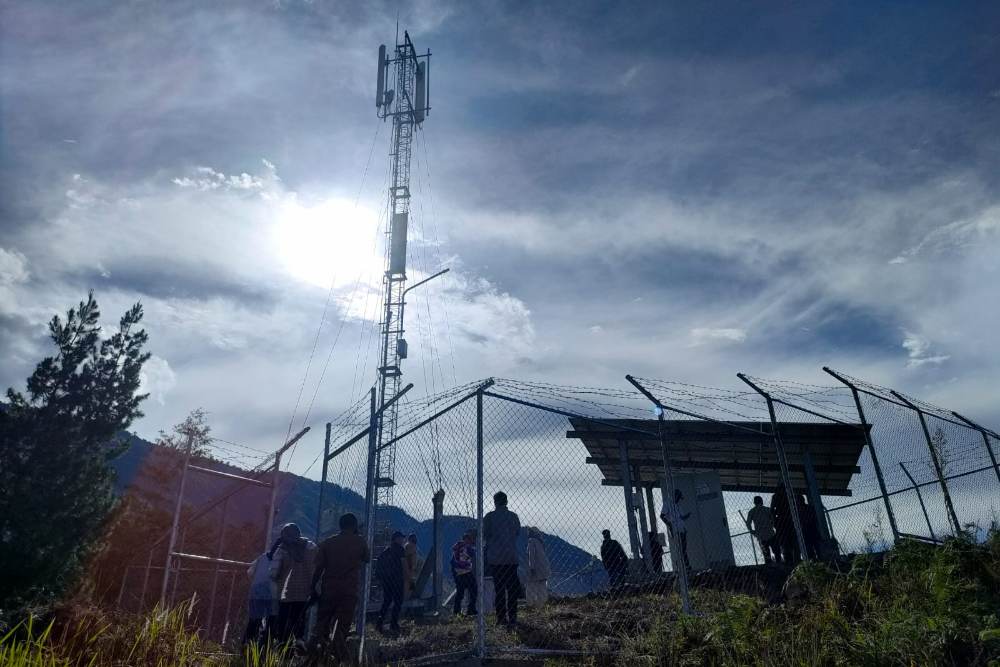
Development strengthens the relationship between the state and local citizens. Consequently, public policies focus on improving overall living standards across remote regions. Therefore, tangible infrastructure becomes a clear sign of effective state presence in Papua.
Redistribution and Public Services
A redistributive approach helps reduce long-standing inequalities across provinces. For instance, urban centers often enjoy better service access than remote mountain villages.
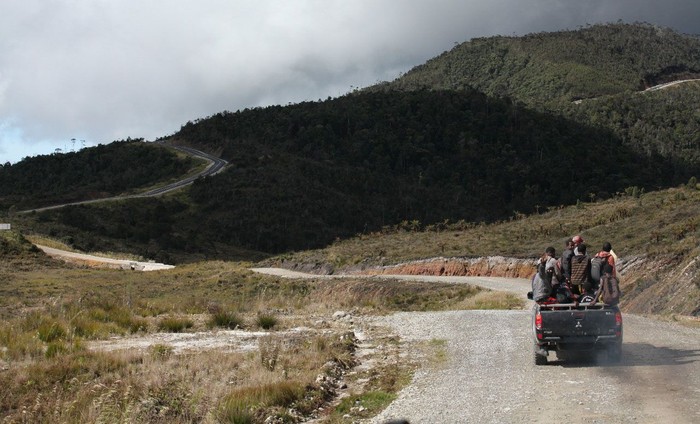
Therefore, public policy in Papua must bring resources directly to isolated communities. As a result, improved roads reduce geographic barriers and speed up service delivery. Ultimately, balancing access builds trust between local residents and government bodies.
Food Security as a Development Priority
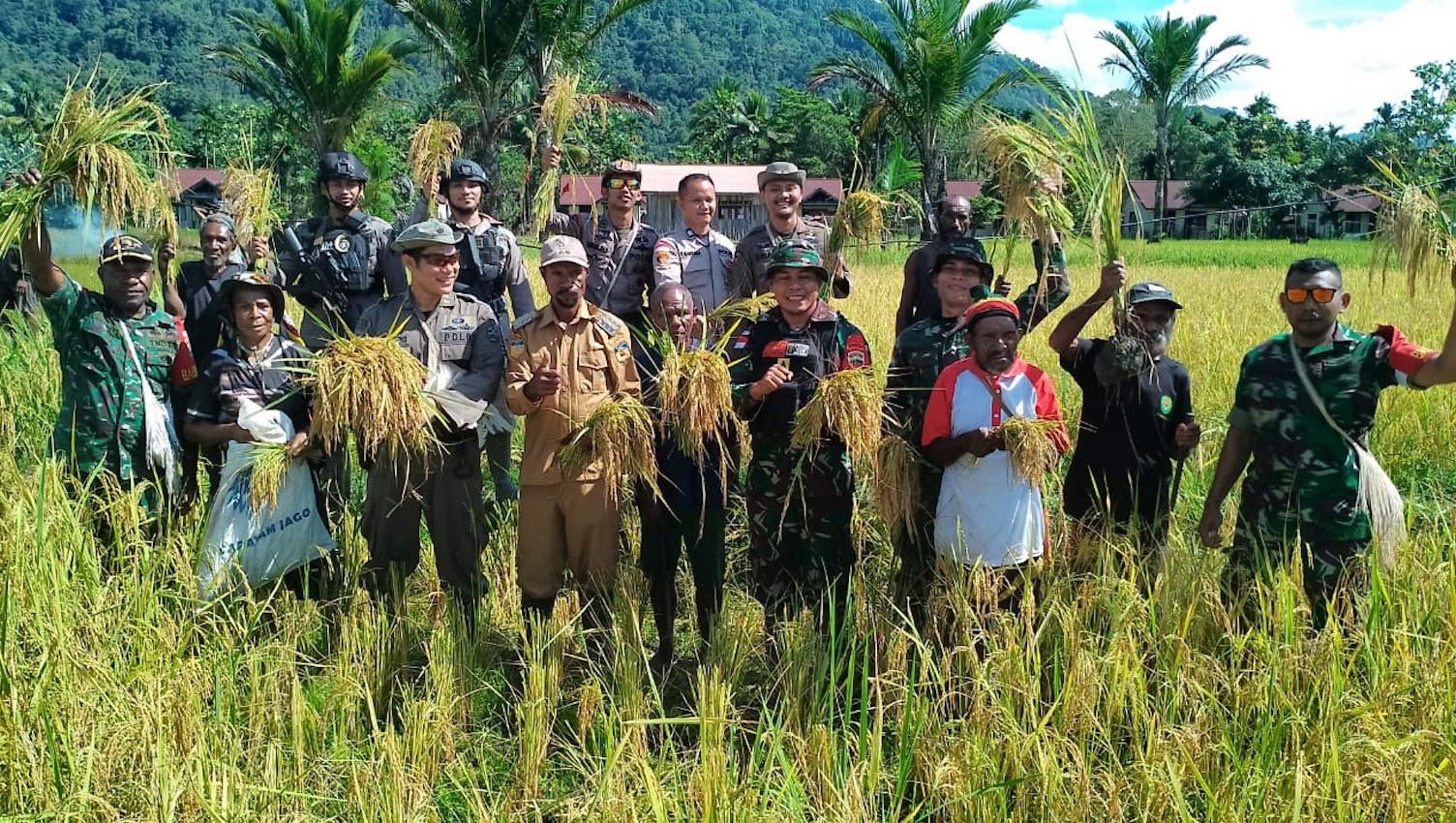
Food security serves as another vital pillar of modern state presence. Furthermore, supporting local farming and food distribution makes essential goods affordable across Papua.
Development programs focus on four key priority areas:
- Agricultural Production: Boosting local farming capacity to secure stable crop yields.
- Distribution Networks: Connecting remote agricultural producers directly to urban consumers in Papua.
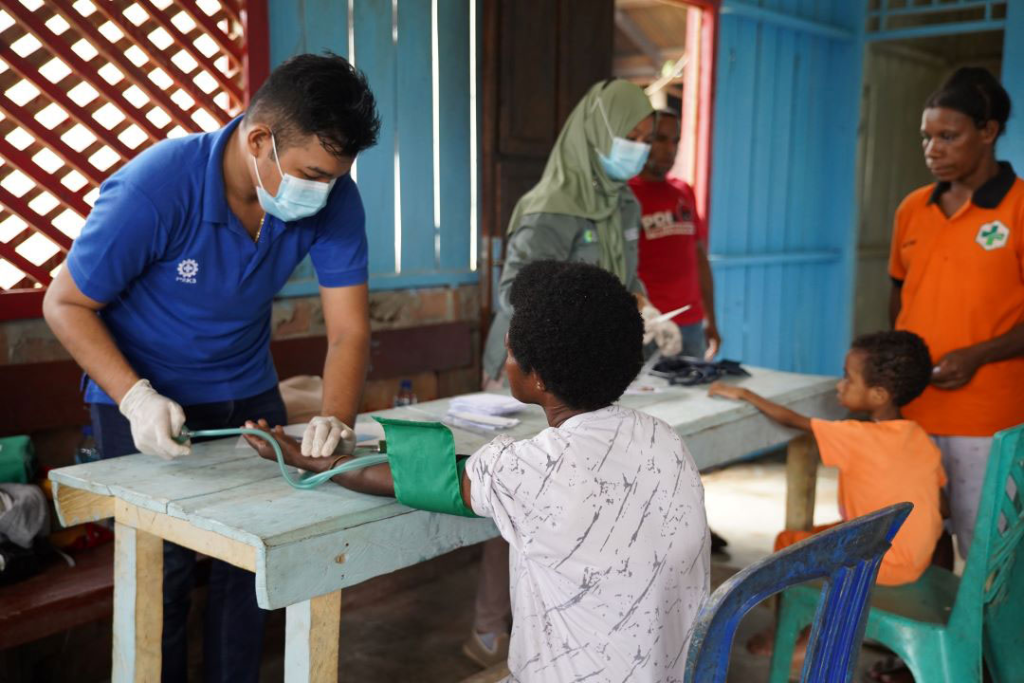
- Essential Public Services: Expanding healthcare facilities and primary education across rural districts.
- Local Economic Growth: Supporting small Papuan businesses and regional trade networks.
Together, these combined measures make development benefits tangible for everyday citizens.
ALSO READ: The Papua Movement: Strengthening Agricultural Development Through Institutional Collaboration
What do official figures show?
Three new provinces, South Papua, Central Papua and Highland Papua, were created on 25 July 2022, according to the Ministry of Home Affairs. Special autonomy funds rose from 2 to 2.25 percent of the national General Allocation Fund under Law No. 2/2021, according to the Ministry of Finance.
Inclusive State Capacity
Meaningful governance requires more than security operations. In addition, combining food security with public service delivery creates an inclusive growth model.
By prioritizing redistribution and connectivity, the state capacity improves daily life across Papua. In conclusion, providing reliable services secures long-term stability and economic prosperity for the region.
ALSO WATCH: Should Geography Decide Your Access To Basic Rights?