Papua already sends some food abroad, but only in small amounts, and mostly by plane. Tuna from Biak flies to Japan, Merauke grows rice, and Papua holds most of Indonesia’s sago. Supporters argue that Papua could become a Pacific food hub for eastern Indonesia and nearby island nations. This article looks at what the evidence shows so far and what stands in the way.
ALSO READ: Connecting Papua: Social Interaction, Trade, and Regional Connectivity
What does Papua already export?
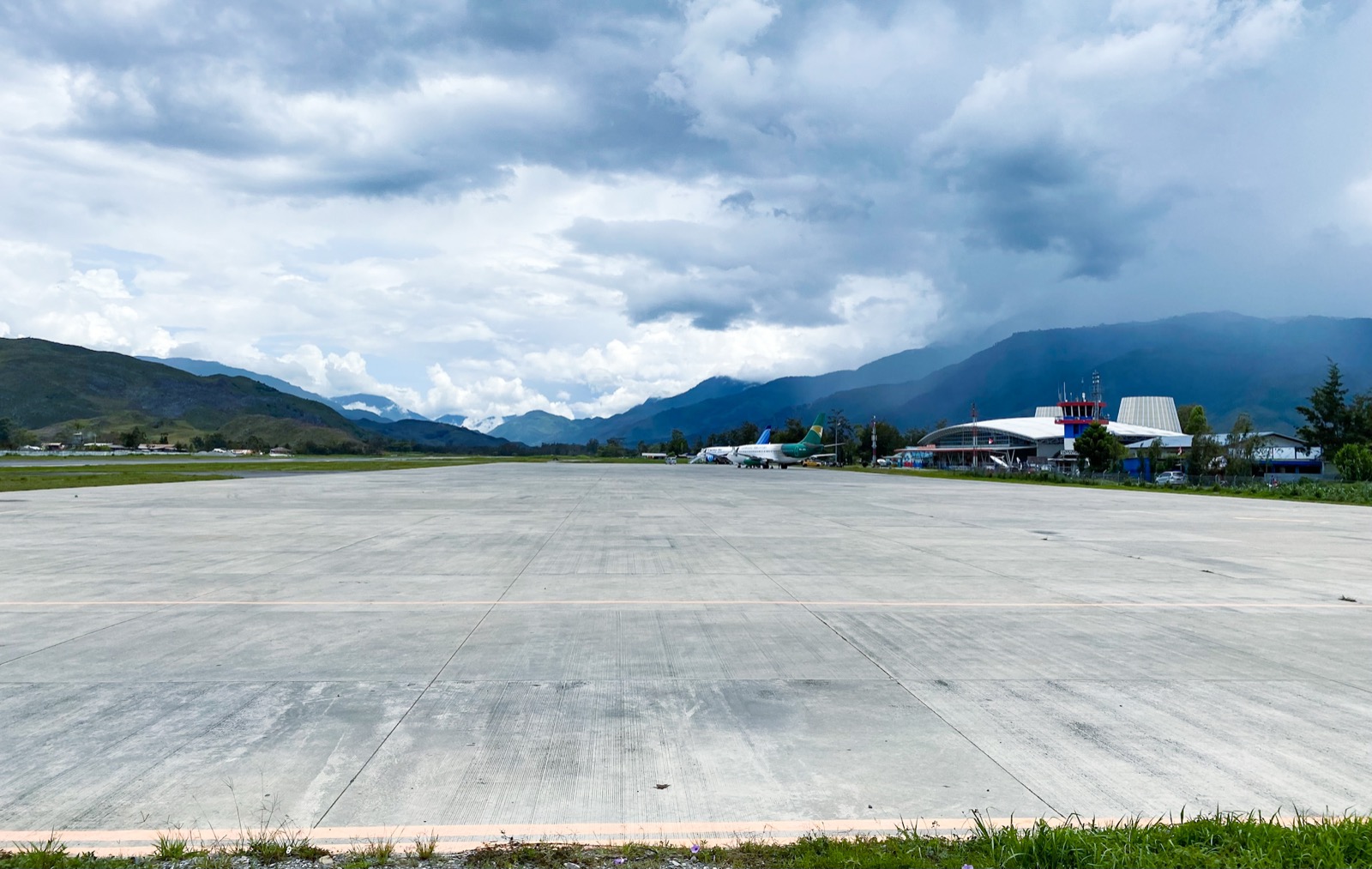
The clearest example is fresh tuna from Biak. In October 2023, Antara reported that the Integrated Marine and Fisheries Centre (SKPT) in Biak Numfor had sent 53 shipments of fresh yellowfin tuna to Narita, Japan, that year. Together they weighed 166.4 tonnes. The fish travel by air from Frans Kaisiepo Airport in Biak. The head of the Biak Numfor fisheries office, Effendi Igirisa, said that Japan remained the main destination and that some buyers there now received fish directly from Biak.
That volume is real but small. It shows that Papuan seafood can meet strict foreign buyers’ standards. However, air freight limits how much can be sent.
What food could Papua produce at scale?
Two crops stand out in official data. The same 2020 ministry report noted that sago from Papua tends to yield more starch than sago grown elsewhere, yet about 80 percent of Indonesia’s sago output still comes from Riau, not Papua.
| Food | Figure | Source |
|---|---|---|
| Sago land in Papua | about 5.3 million hectares, over 95% of Indonesia’s sago land | Ministry of Agriculture, 2020 |
| Share of Indonesia’s sago potential in use | about 6 percent | Ministry of Agriculture, 2020 |
| New rice fields across Papua by mid-2026 | 83,030 hectares | Ministry of Agriculture, July 2026 |
| Fresh tuna flown from Biak to Japan, Jan–Oct 2023 | 166.4 tonnes in 53 shipments | Antara, October 2023 |
The Ministry of Agriculture reported in 2020 that Papua holds about 5.3 million hectares of sago, yet Indonesia uses only around 6 percent of its sago potential. In July 2026, the ministry said that 83,030 hectares of new rice fields had been developed across Papua, most of them in South Papua. For more detail, see Papua Sago Supply and Papua Agriculture and the Army.
How would food reach Pacific markets?
Today most links run inward, not outward. Ships under the Tol Laut programme bring goods to Papuan ports, and small planes carry them to the highlands. Exports such as Biak tuna rely on passenger and cargo flights. For a Pacific food hub to work, Papua would need regular shipping routes to island nations, cold storage at ports and enough surplus after feeding its own people. For how goods move inside Papua today, see Papua Transport Network.
The land border with Papua New Guinea already sees small-scale trade. At the Skouw crossing near Jayapura, traders from both countries buy and sell goods, as described in Papua Border Road.
What are the risks?
Large food projects need land, and in Papua most land and forest is held under customary (adat) tenure. Some indigenous residents oppose how fast forests are being cleared. In September 2025, a clan head from Merauke told the Constitutional Court that a national food project had cleared forests and swamps his community relied on without proper dialogue.
These concerns matter for any export plan. Buyers abroad increasingly ask where food comes from and whether land rights were respected.
What would make Papua a real Pacific food hub?
- Surplus first. Papua still depends on shipments from other islands for many goods, so local supply comes before exports.
- Shipping links. Regular routes to Pacific island ports, not only flights.
- Cold chains. Storage and processing at ports so fish and fresh food keep their value.
- Consent and traceability. Clear agreement with customary landowners, which foreign buyers increasingly expect.