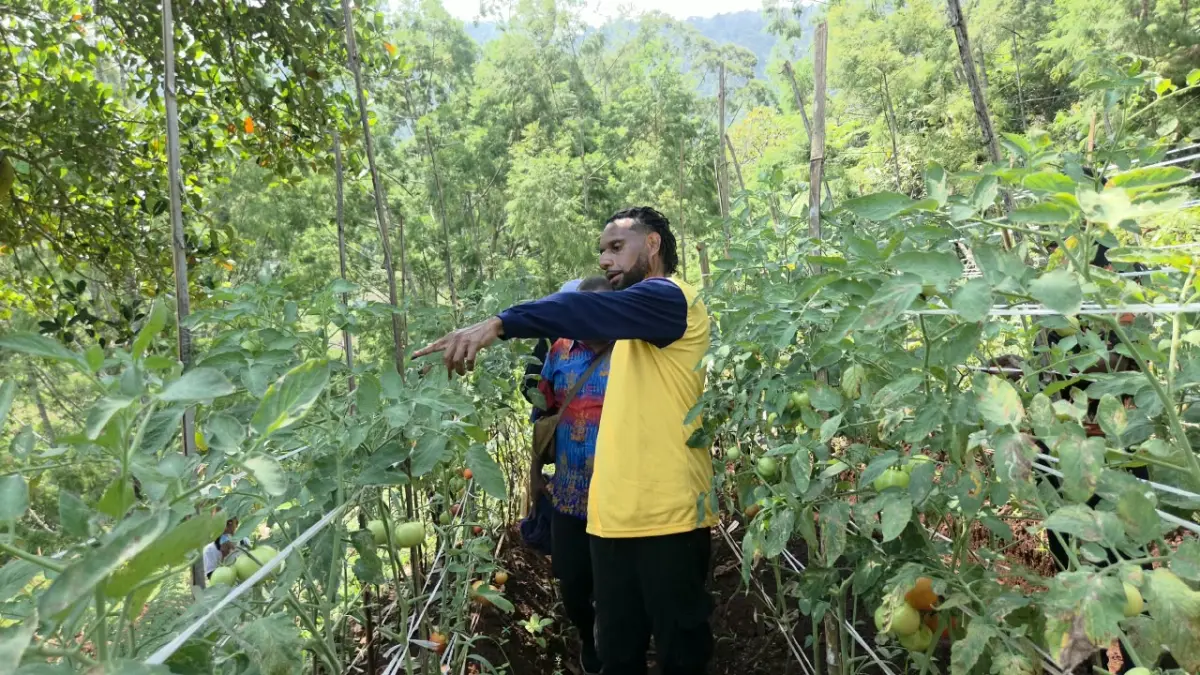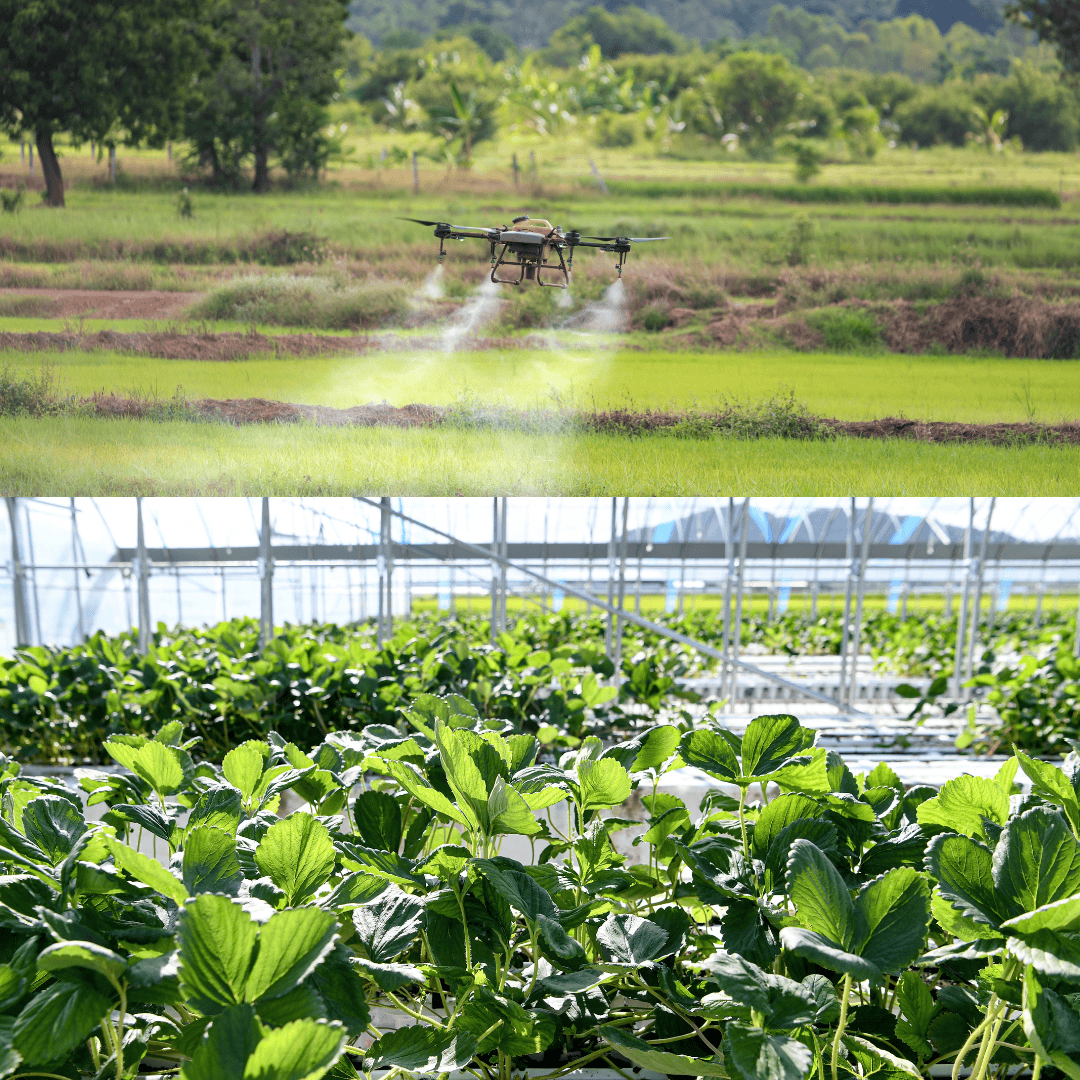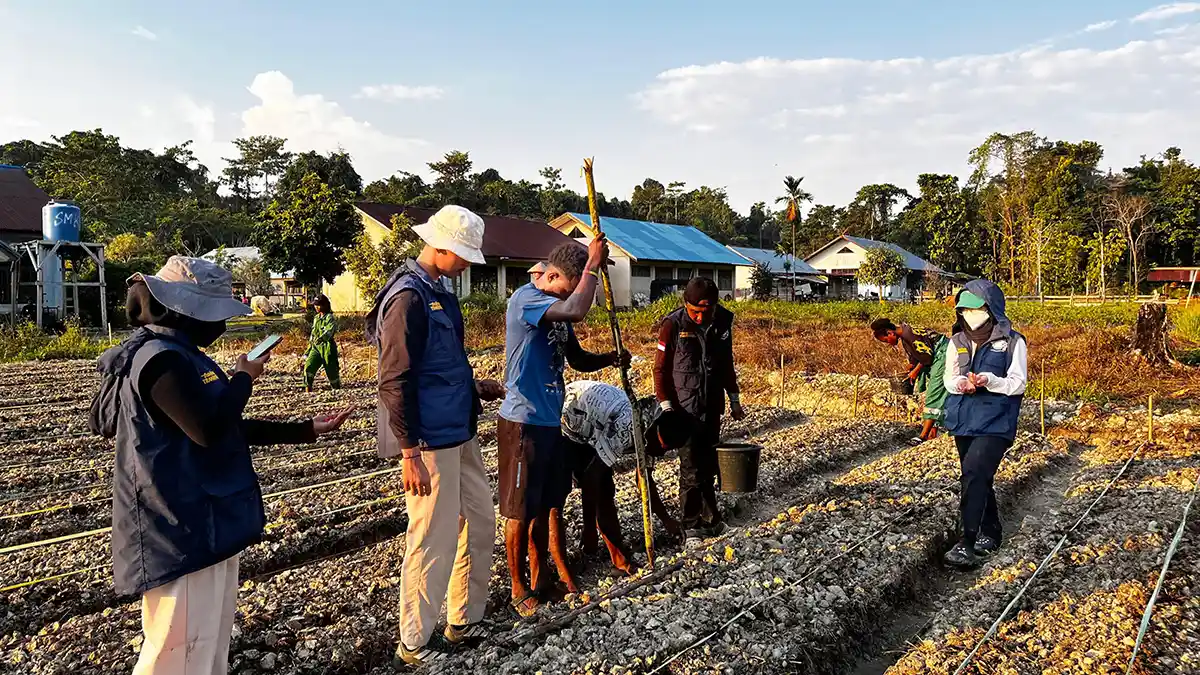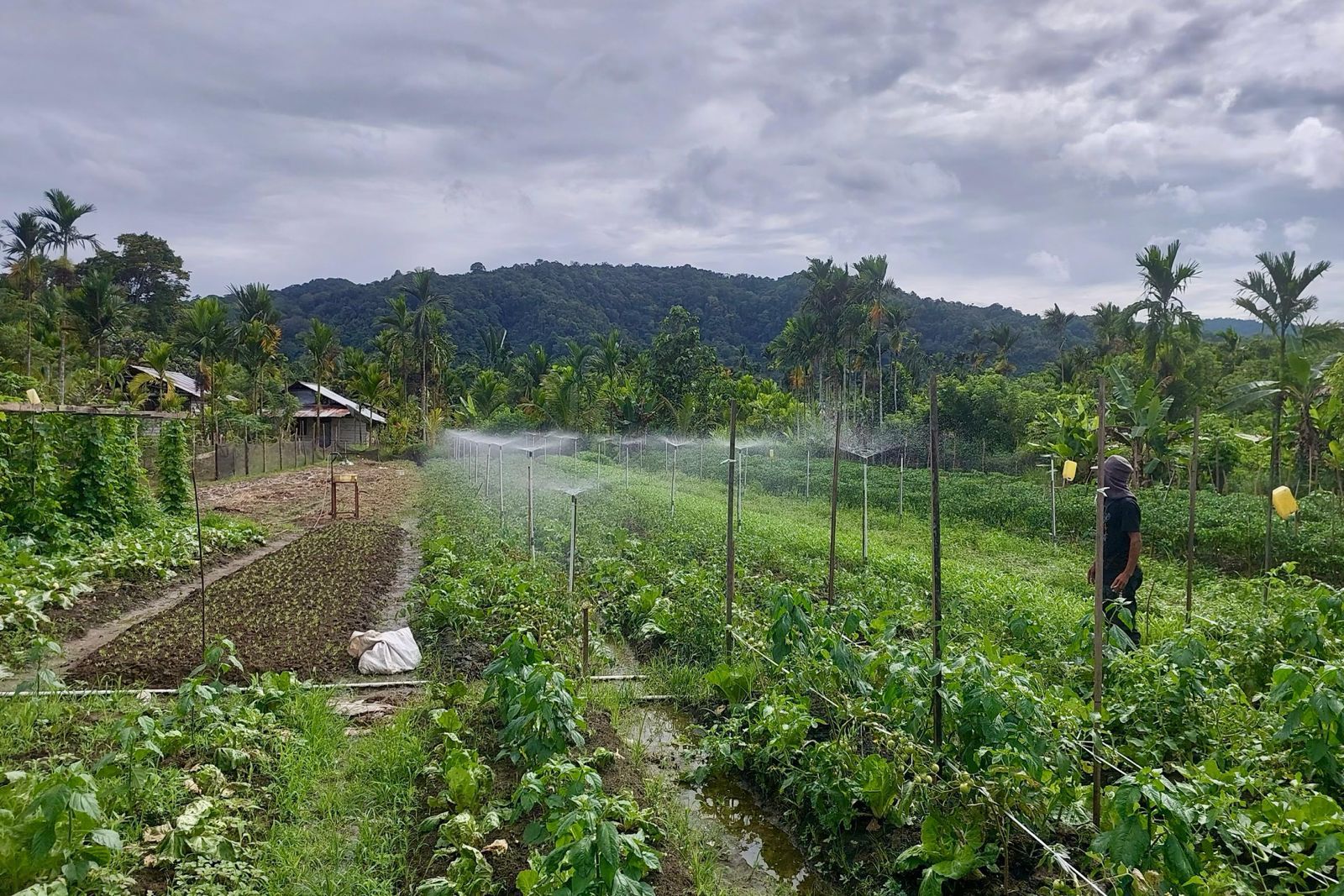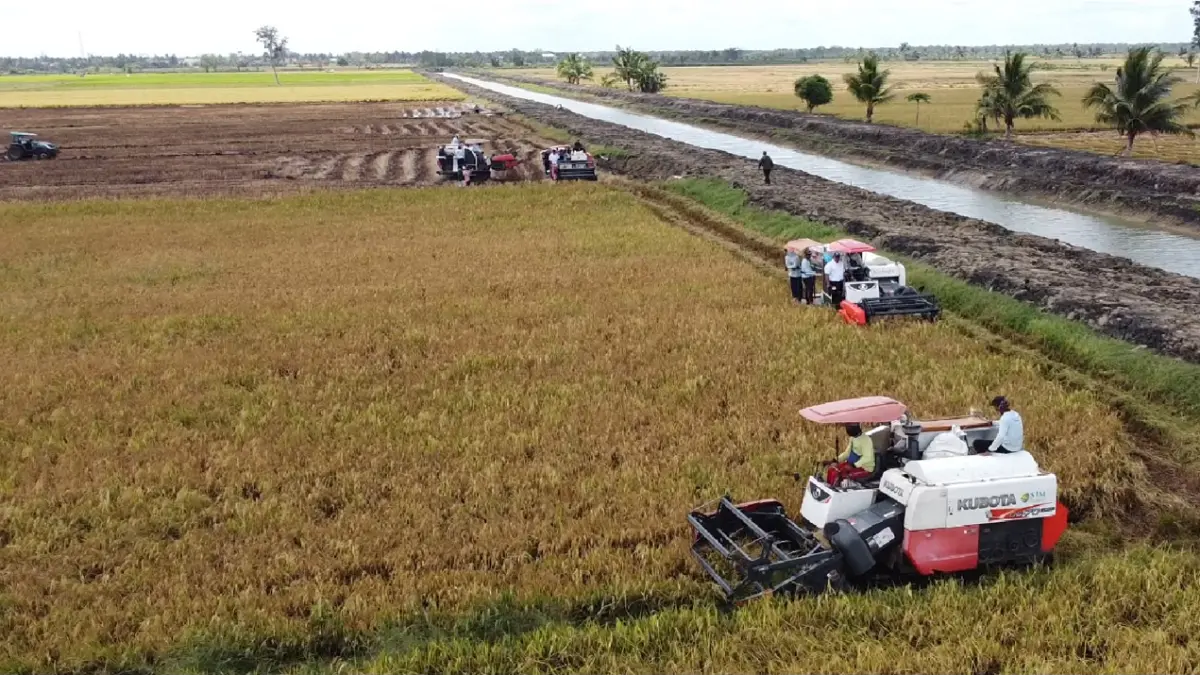
Smart farming tools such as solar-powered soil sensors, automated drip irrigation, crop-scanning drones and local weather sensors let Papuan farmers track soil moisture, nutrients and crop health in real time. Used alongside traditional crop knowledge, they can raise yields, cut water and fertilizer waste and help farms cope with unpredictable weather.
Driving Sustainable Growth Through Smart Farming
Adopting smart farming technology is establishing a futuristic foundation for regional agriculture. In fact, integrating IoT sensors, automated irrigation, and satellite data turns traditional farmlands into highly productive ecosystems. In the past, unpredictable weather patterns and soil degradation created significant crop risks for rural communities.
However, modern precision farming techniques now allow growers to monitor soil moisture, temperature, and crop health in real time. By relying on data-driven agricultural management, local farmers maximize crop yields while drastically reducing resource waste. Consequently, smart farming builds strong climate resilience across both lowland plains and mountain valleys. As a result, the agricultural sector becomes a primary engine for sustainable economic prosperity.
Key Pillars of Smart Agriculture
Implementing Precision IoT and Automated Systems
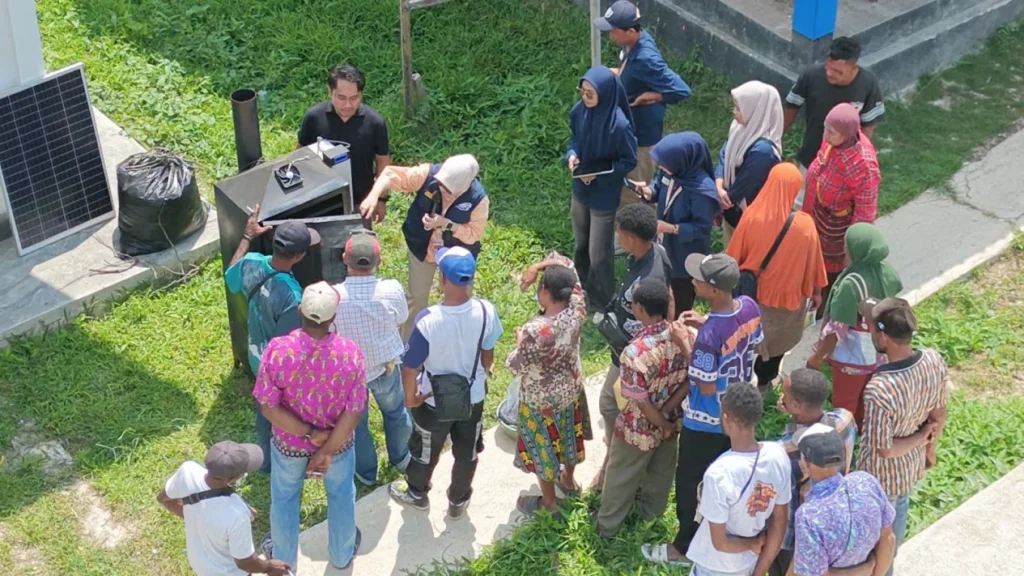
Deploying connected smart sensors across crop fields gives rural farmers instant insight into their soil conditions. For instance, solar-powered soil sensors measure soil acidity and nitrogen content continuously, sending alerts directly to farmers’ mobile phones. Therefore, smallholder growers can apply organic nutrients precisely where needed rather than treating whole fields blindly.
Expanding precision farming tools provides several direct advantages for local growers:
- Precision irrigation: First, automated drip irrigation systems deliver exact water amounts to plant roots based on real-time soil moisture data.
- Drone crop health: Second, multi-spectral imaging drones scan large farming valleys quickly to detect crop disease before it spreads.
- Climate forecasting: Third, hyper-local weather sensors give smallholder farmers accurate rain forecasts to schedule planting and harvesting correctly.
- Automated sorting: Finally, smart post-harvest sorting machinery helps cooperatives grade fruits and vegetables efficiently for commercial packaging.
Mastering these precision tools builds strong technical confidence among native farming families. Local agricultural communities, as a result, operate modern, high-yielding farms that compete successfully in national commercial markets.
Building Climate-Resilient Data Networks for Farming
Using shared data networks can help agricultural cooperatives exchange farming insights and strengthen regional food resilience. In Papua: The Heart of Indonesia–Pacific Food Resilience, Steve Mara emphasizes the importance of integrating Indigenous food systems into broader food security strategies. This perspective supports the use of smart farming technology alongside local crop knowledge and traditional land management, helping Papuan farmers adapt to climate risks while protecting agricultural biodiversity.
Connecting farms into shared digital data networks protects rural producers from sudden climate disruptions. Ultimately, data-driven farming ensures that regional food production remains stable, predictable, and ecologically sustainable.
👉 ALSO READ: Digital Tools Transform Papuan Farmers into Modern Producers
Addressing Concerns: Solar Power and Technical Literacy
Transitioning to smart farming systems can sometimes raise concerns regarding initial equipment costs and technical maintenance in remote areas. Indeed, delicate digital sensors and automated irrigation pumps require reliable electricity and skilled technical upkeep. Therefore, regional government partnerships and private agriculture companies must fund solar power installations and vocational technician training.
Fortunately, modern smart farming equipment is increasingly built with rugged, weatherproof solar panels designed specifically for tropical environments. Furthermore, local agricultural centers offer hands-on training workshops to teach young Papuans how to maintain drones and IoT sensors. By combining renewable energy with practical technical education, rural communities establish fully self-sustaining agritech hubs.
What do official figures show?
About 2,000 villages in Indonesia still had no telecommunications coverage in August 2026, most of them in Papua, the head of the state telecoms agency BAKTI said, Warta Ekonomi reported. According to the Ministry of Agriculture, Papua holds about 5.3 million hectares of sago, more than 95 percent of Indonesia’s sago land, yet the country uses only about 6 percent of its sago potential.
Conclusion: Securing Tomorrow Through Agricultural Innovation
Embracing smart farming technology marks a powerful turning point for regional food independence and economic stability. Most importantly, equipping smallholder farmers with precision agritech proves that cutting-edge innovation can flourish alongside nature preservation. When local growers harness digital intelligence, they safeguard their environmental heritage while producing abundant harvests.
Over time, integrating high-tech precision tools will ensure a food-secure, prosperous, and resilient future for generations to come.