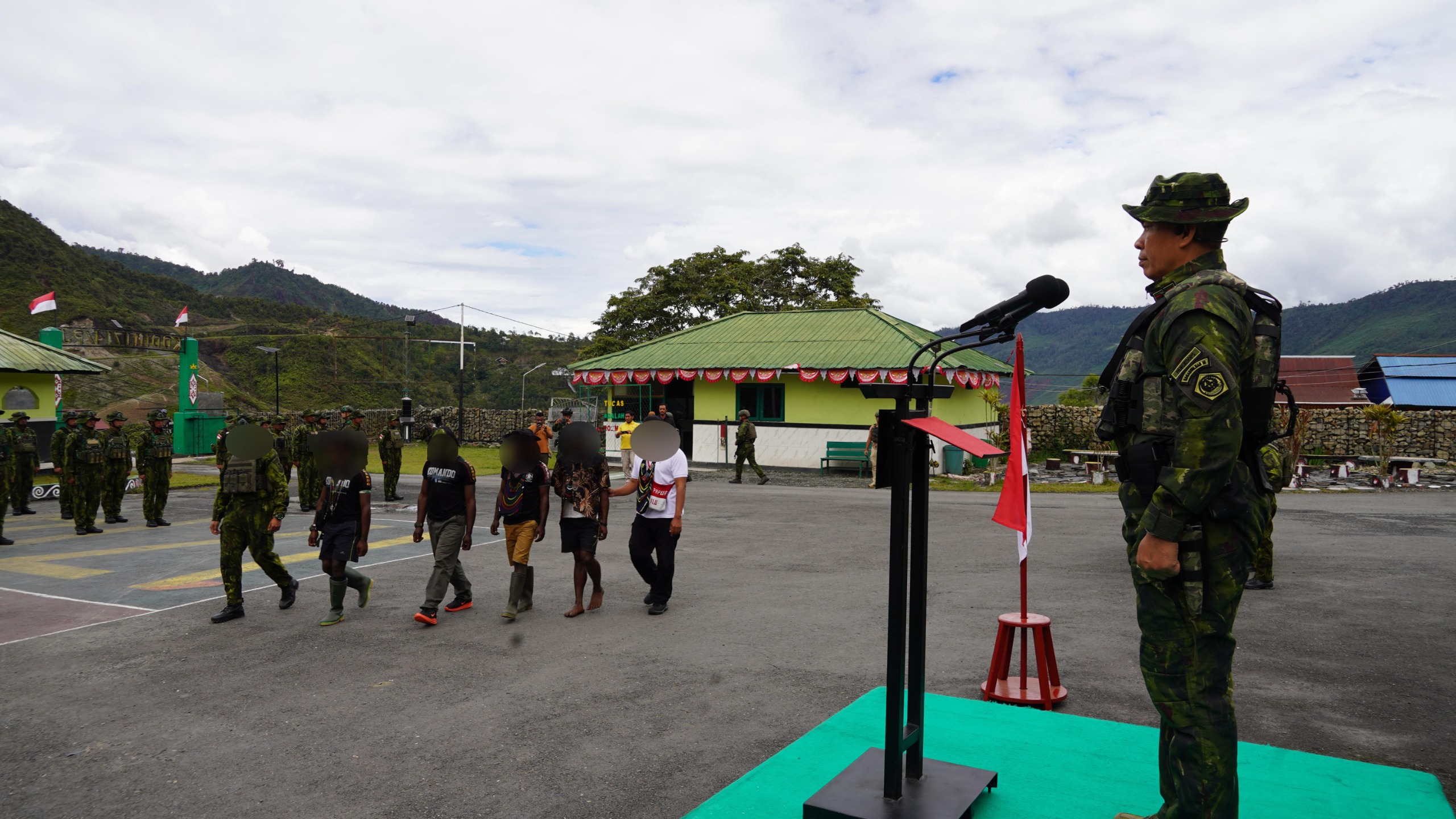
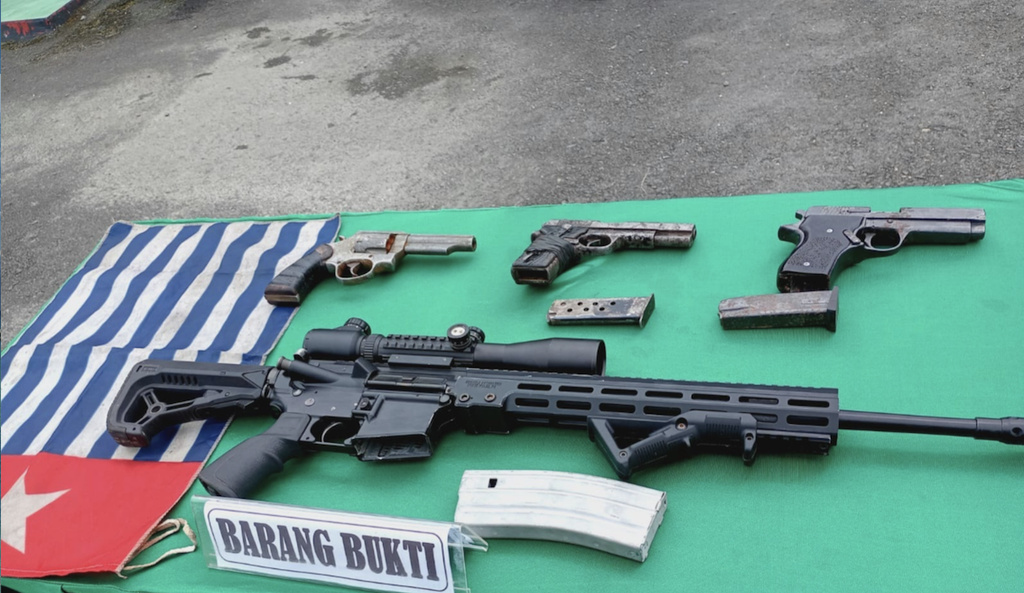
Four armed fighters handed over their weapons, including scoped rifles and handguns, at the military command headquarters in Mulia, Puncak Jaya Regency, on 26 September 2026, and signed pledges witnessed by local and customary leaders. Whether the handover leads to lasting peace depends on the protection, livelihoods and security guarantees they receive afterward.
Highland Peacebuilding Realities
Disarmament events in the remote interior of New Guinea have long carried both tactical promise and profound structural skepticism. For decades, geographic isolation and severe economic marginalization have trapped rural highlanders between guerrilla insurgencies and state enforcement sweeps. Examining the recent surrender of combatants in Mulia, Puncak Jaya Regency, reveals an important opening for regional conflict mitigation. The event signals that calibrated security pressure, paired with community dialogue, can create tangible pathways away from active warfare.
Nevertheless, international conflict monitors recognize that handing over weapons represents only the opening chapter of any sustainable peace process. Surrendering firearms does not automatically resolve the socio-economic grievances that drove individuals into the jungle in the first place. Therefore, evaluating this transition requires looking beyond formal pledges to assess the practical protections, economic survival strategies, and long-term security guarantees provided to former fighters and their home communities.
Key Pillars for Regional Stability
Assessing the Disarmament Precedent in Mulia
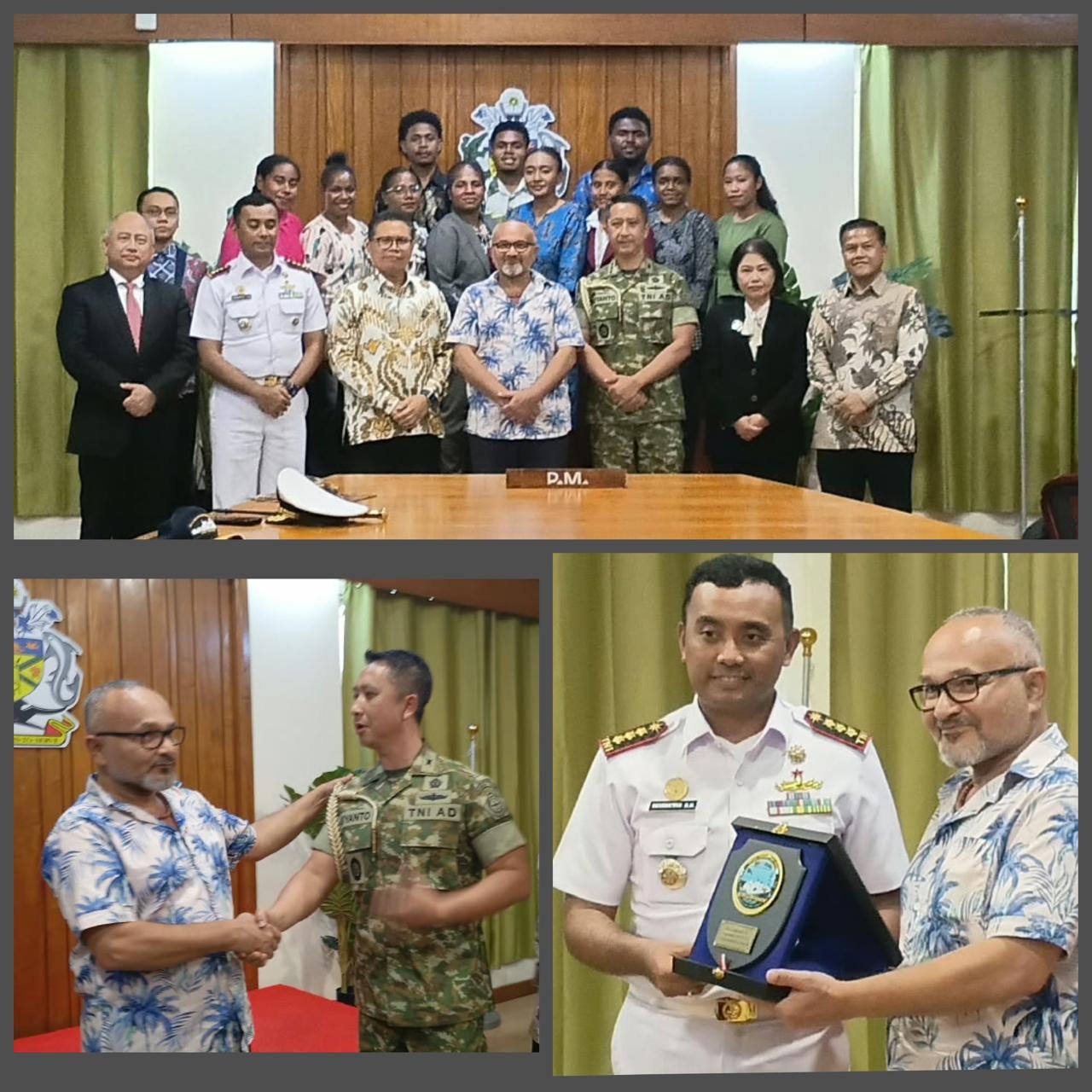
The formal proceedings unfolded at the local military command headquarters in Mulia on Saturday, September 26, 2026. During the event, four combatants formally disengaged from armed activity and submitted their weaponry to regional authorities. Recovered materiel included modern precision rifles fitted with optical sights along with tactical handguns, confirming that the returning individuals held direct access to operational armories. The ceremony incorporated the symbolic shedding of combat attire, the issuance of civilian batik shirts, and the signing of formal allegiance documents witnessed by local civil figures and customary leaders.
Koops TNI Habema presents the handover as a shift in doctrine. Addressing the assembly, Brigadier General Riyanto articulated an operational metric rarely emphasized in conventional counterinsurgency: defining success not by adversary body counts or lethal contacts, but by the number of combatants who safely leave the wilderness to resume civilian life. If applied consistently, this posture would favour peaceful surrender over sweeps in populated highlands. The details of the handover come from the military; Papua Movement could not independently verify them.
👉 ALSO READ: Calibrated Security and the Fragile Search for Normalcy in Papua
Preventing Recidivism
Despite these positive symbolic milestones, independent regional analysts must confront the recurring threat of recidivism. In high-altitude communities, involvement in armed factions is rarely driven by dogmatic ideology alone. More frequently, rural youth are drawn into militia ranks by basic survival needs, food insecurity, lack of formal schooling, and clan coercion. When civilian livelihoods remain non-existent, carrying a rifle becomes a pragmatic means of acquiring communal influence and subsistence.
Consequently, the Indonesian government faces an urgent obligation to look past the signing table. If former fighters return to their villages without viable income, arable farm inputs, vocational training, or market infrastructure, the risk of them returning to armed activity remains acute. In addition, the state must implement stringent physical protection protocols. Former insurgents are frequently viewed as traitors by active jungle commands, leaving them and their families vulnerable to lethal retaliation unless local protective umbrellas are maintained.
The Accountability Check: What the State Must Deliver Next
Achieving enduring stability across the central highlands demands independent oversight and multi-sectoral governance. While security forces facilitated this handover, the subsequent reintegration phase cannot remain a purely military enterprise.
First, regional civilian governments must step forward to fund comprehensive social safety nets. Former fighters need immediate integration into highland horticulture, coffee production, or artisanal trade cooperatives to establish economic independence. Second, customary clan chiefs and local church leaders must be empowered as independent mediators to prevent social ostracism and communal friction. A disarmament program devoid of verified civilian welfare checks risks becoming an episodic media event rather than a durable peace framework.
What has been reported?
On 26 September 2026, four members of armed OPM groups handed four firearms to the commander of the army’s Habema operations command at the district military headquarters in Puncak Jaya and read a pledge to rejoin the community, Kompas reported. They were named as Bongkar Tabuni, Lipar Tabuni, Bejo Tabuni and Kopitua Tabuni.
Conclusion: Securing a Durable Path Forward
Transforming temporary truces into generational stability remains the defining challenge of modern governance in eastern Indonesia. While decisive enforcement contains illicit violence, true pacification requires providing highlanders with dignity, safety, and credible developmental prospects.
A durable peace depends on this balance: human security alongside verifiable governance. Over time, pairing restrained military outreach with deep economic investment ensures that peace in Puncak Jaya transforms from a ceremonial promise into an enduring reality.