
In community-based tourism in Papua, village families run the business themselves as guides, homestay hosts, craft sellers and boat or car drivers, so visitors’ money stays in the village. The article argues these destinations need local government promotion to reach travelers, and village rules on waste and visitor numbers to protect forests and culture.
Why does community tourism in Papua matter?
Papua’s beautiful natural landscapes offer great chances for local people to build strong tourism businesses. In fact, residents know their land, rivers, and culture better than any outside travel company ever could. Because of this deep knowledge, communities can easily create authentic and fun travel experiences for their guests. Furthermore, when people visit these natural areas, they truly want to learn from the locals who live there. Therefore, giving control to the village makes the trip much better for everyone involved.
However, remote villages often find it hard to attract guests without good marketing and clear road access. As a result, local government help becomes very important to show these hidden places to the outside world. Community-based tourism connects local hard work with new chances to earn money across Papua. Ultimately, this teamwork helps keep the money inside the local area, which directly supports local families.
How does village tourism create income?
Local Communities Create Economic Opportunities
Direct community action turns beautiful nature into a steady source of daily income. For example, local families can manage many parts of the travel experience themselves instead of relying on big companies. Consequently, they build small businesses that support their daily needs and improve their quality of life. In addition, this hands-on approach allows residents to use the skills they already have.
Village tourism brings several important money-making benefits to rural areas:
- Local Tour Guides: First, native guides share true stories about the forest, history, and local art with eager visitors.
- Family Homestays: Second, providing guests with a room gives families extra money while offering a warm, cultural stay.
- Local Goods: Third, village makers sell traditional food, wood carvings, and handmade bags directly to tourists.
- Local Transport: Finally, local drivers and boat owners offer safe travel services for visitors exploring the region.
Moreover, these daily activities allow tourist money to stay within the village economy. Local residents can safely grow their travel business at their own pace. As a result, community-led tourism builds new jobs while making the local economy much stronger over time.
👉 ALSO READ: Papua Movement: Civil-Military Synergy Supporting Local Farmers
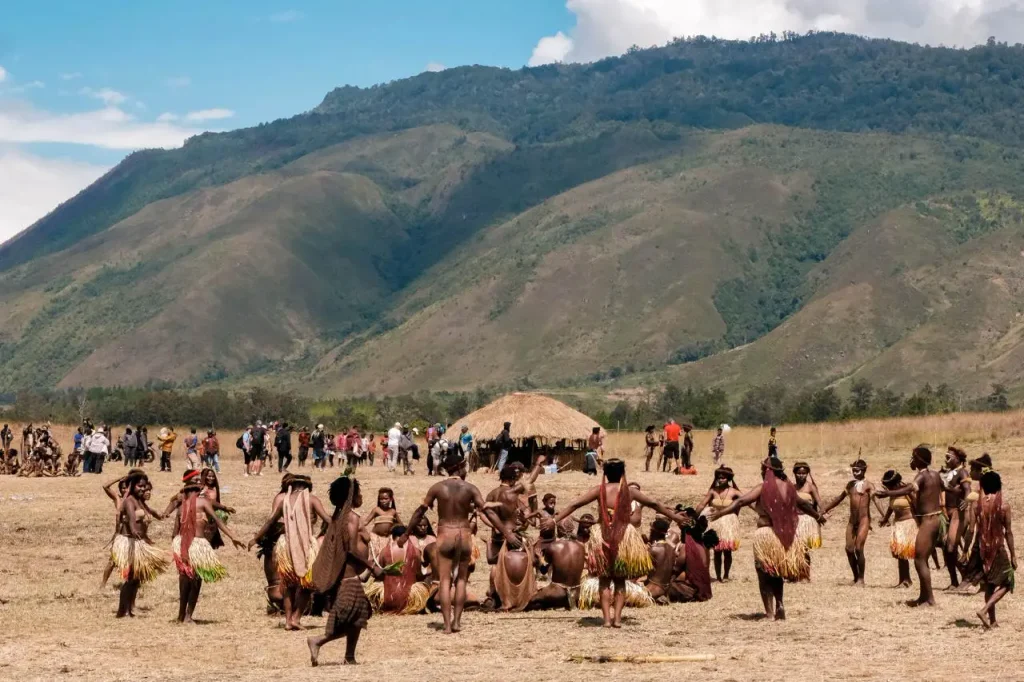
Government Promotion Expands Tourism Access
Even the best village destinations need clear marketing to invite guests from far away. Therefore, local government offices must support these spots through digital ads, travel festivals, and public websites. Better promotion easily introduces hidden nature parks to both local and foreign travelers who want to explore. Consequently, small villages gain the visibility they need to succeed in a busy travel market.
Meanwhile, official support helps village teams improve their brand and show off their natural beauty online. In addition, local leaders can partner with big travel networks to bring in more group tours smoothly. Stronger marketing connects local nature spots with larger travel markets. Because of this effort, local tourism grows faster and reaches more people who want to experience Papua.
What does community tourism in Papua look like in practice?
Two villages show how it works when residents own the business.
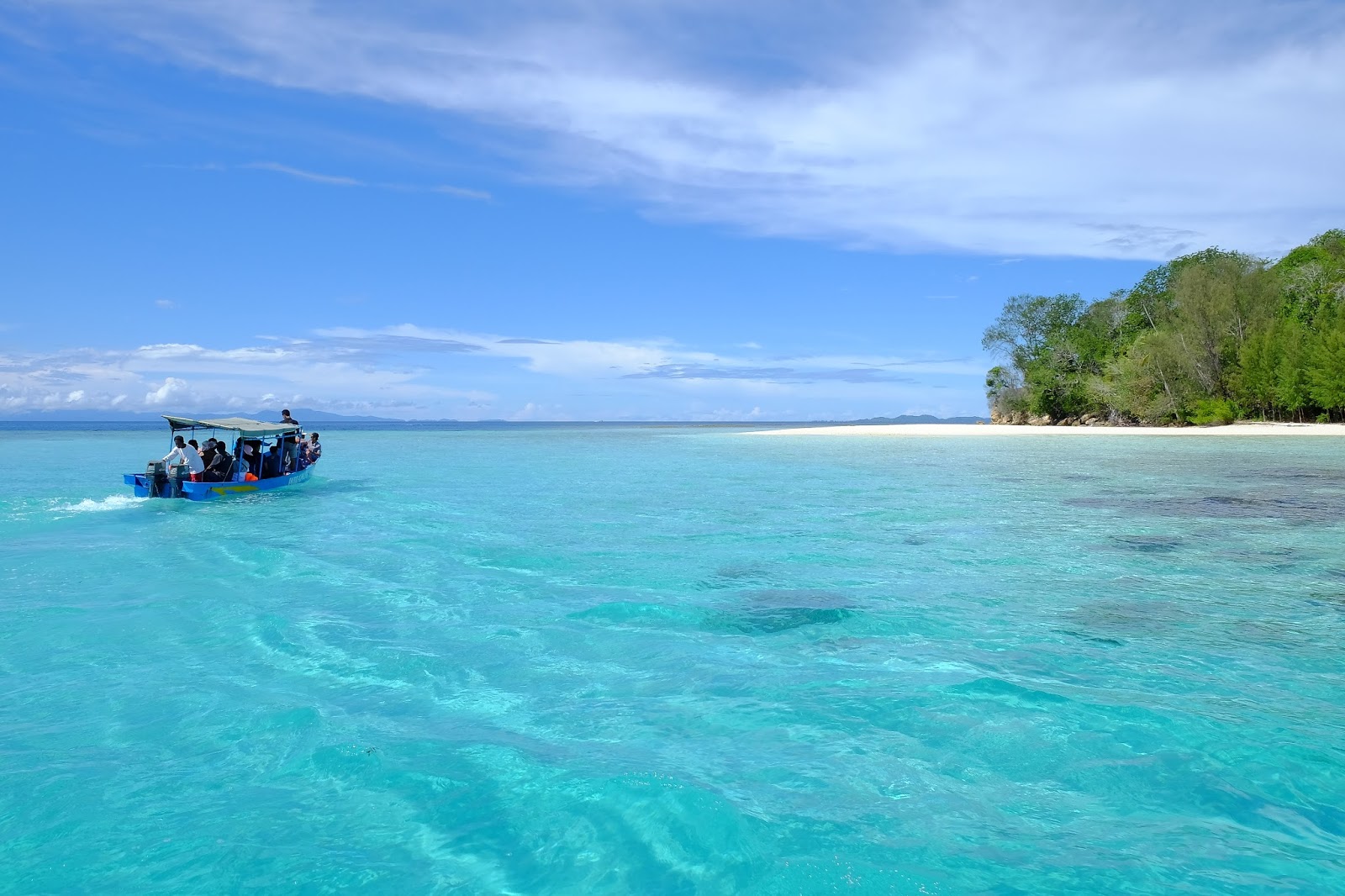
Arborek, Raja Ampat. Arborek is a small island village of about 44 households in Raja Ampat, Southwest Papua. According to its profile on the Ministry of Tourism’s village tourism portal, it has around nine homestays, all owned by people from the village, and a dive centre that villagers also own. Women in the village weave “manta hats” from sea pandan leaves, a craft now sold to visitors from abroad. The village has also won cleanliness awards.
Yoboi, Lake Sentani. Most houses in Yoboi, in Jayapura regency, stand on stilts over Lake Sentani. Behind the village lies about 1,600 hectares of community-owned sago forest with some 30 kinds of sago palm, Antara reported in 2023. Visitors walk through it on a 420-metre wooden boardwalk with rest shelters. In this way, the village turns its everyday food source into an attraction. For more on sago, see Papua Sago Supply.
In both cases, the money stays local because villagers own the homestays, the boats and the crafts.
Can tourism grow without harming nature and culture?
Tourism growth can clearly create new ways to earn money, but too many visitors can sometimes harm nature. Indeed, larger crowds can cause problems with trash, water safety, and quiet village spaces. However, community ownership provides a very strong defense to manage these travel risks safely and effectively.
Because residents own the land, they set clear rules to protect sensitive forest areas and keep cultural habits safe. Furthermore, local government teams can train villagers on how to handle waste and run green homestays. With these smart steps, Papua can enjoy tourism growth without putting its beautiful nature in any danger. Therefore, balancing guest numbers with nature care keeps the villages safe and healthy for years to come.
What comes next?
Papua’s tourism power becomes truly special when local people manage and earn from it directly. More importantly, public marketing helps these small village projects reach bigger markets and attract new guests. When local skills, small business ideas, and government help join together, tourism creates wide and lasting wealth.
Over time, community-based tourism builds strong local wealth while keeping the natural beauty that makes Papua unique. Ultimately, this positive teamwork ensures a bright, secure, and green future for all local families.