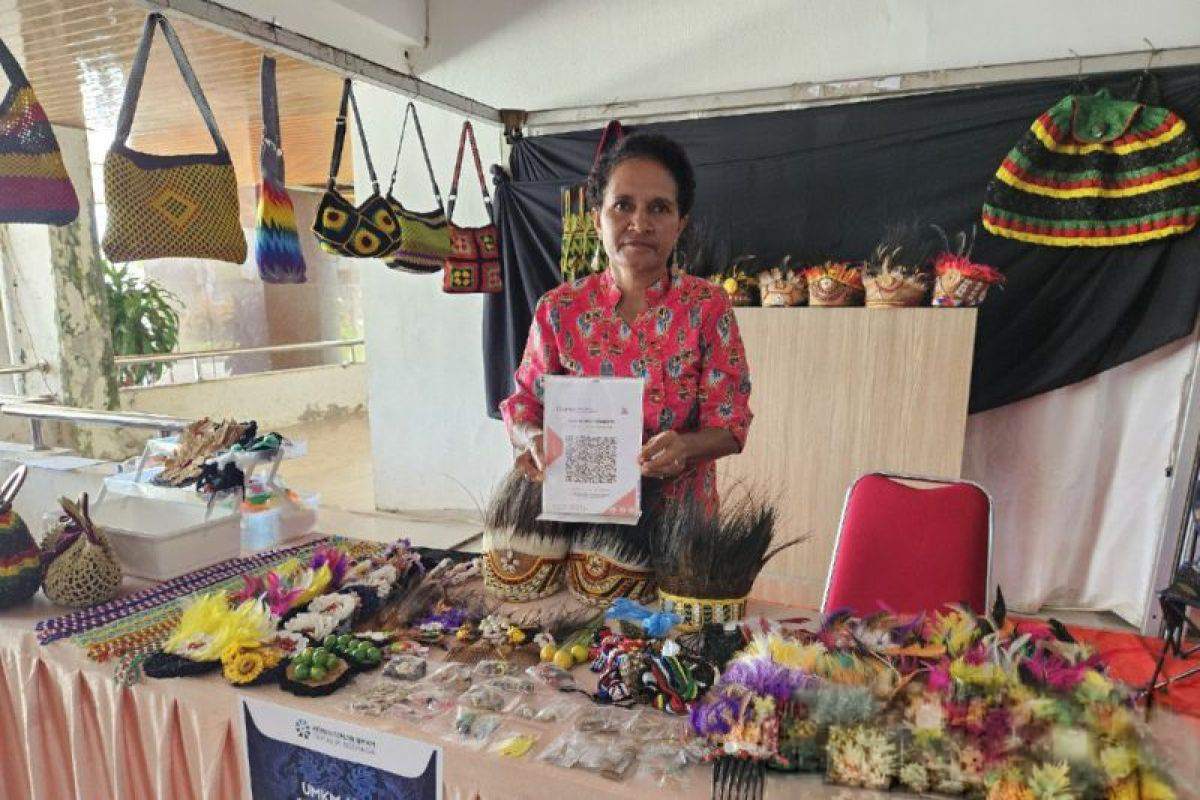
Small traders in rural Papua can now accept cashless payments through QRIS, Indonesia’s national QR code system. Buyers pay by scanning a code with a banking or e-wallet app. Bank Indonesia counted more than 230,000 QRIS merchants in its Papua working area in early 2025, although weak signal and few smartphones still limit use in remote villages.
How are digital payments in Papua reaching rural markets?
Digital payments are quickly changing how people handle everyday buying and selling across Indonesia. Furthermore, the QRIS system gives small traders in Papua a great new option for receiving money without relying only on physical cash. For remote village markets, this new tool makes shopping much easier when buyers already use digital wallets on their phones. However, success still depends on good internet, proper phones, and basic digital skills. Fortunately, bringing digital access to rural areas creates exciting new chances for small traders to grow their businesses. Consequently, this step slowly connects rural markets with Papua’s larger, modern economy.
Why does QRIS help small traders?
QRIS Makes Daily Transactions More Flexible
Cashless payments give small sellers in Papua much more freedom when serving their daily buyers. For instance, QRIS lets customers pay simply by scanning a payment barcode through mobile banking apps. Therefore, the main benefits for local sellers include:
- Easy payments: First, buyers can pay quickly without needing exact change or carrying physical cash.
- Faster service: Second, scanning a digital code saves time and cuts down on counting paper money.
- More choices: Third, sellers can easily serve visitors and city travelers who prefer using digital wallets.
- Clear records: Finally, digital apps automatically save a clear, safe history of every sale made during the day.
Moreover, these helpful features make daily business much smoother for Papuan traders who join the system. QRIS, therefore, provides a very useful digital tool for building stronger local trade.
👉 ALSO READ: Community Tourism in Papua: How Village-Run Homestays Keep Money Local
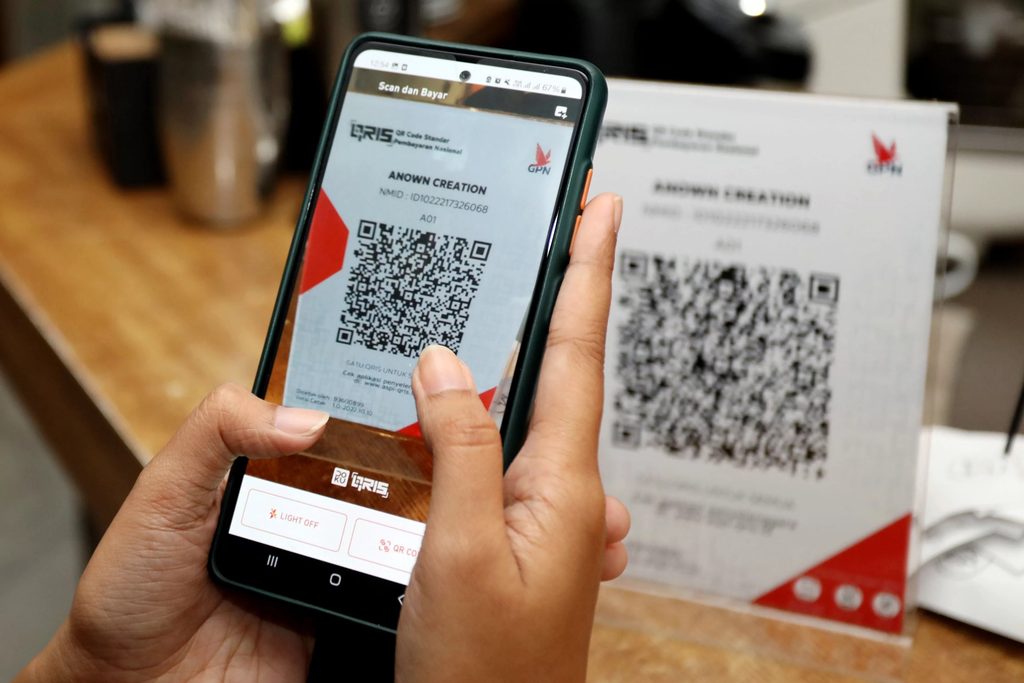
Digital Payments Connect Rural Traders to Wider Markets
Digital payments also help local people join the larger, modern economy in Papua. In addition, small sellers become much better prepared to serve buyers who love using cashless methods. Over time, digital payment records help traders understand their daily profits and track their business growth easily. Meanwhile, the use of QRIS is already growing very fast across Papua.
According to Bank Indonesia’s Papua office, the number of QRIS merchants in its working area reached 230,446 in the first quarter of 2025, Jubi reported. Most were in the city and regency of Jayapura (131,691), followed by Merauke (21,822) and Mimika (19,403). Over the whole of 2025, the office recorded about 39.5 million QRIS transactions in the region, Antara reported.
Where is QRIS used most in Papua?
Use is concentrated in towns. Jayapura alone accounted for more than half of all QRIS merchants in the Bank Indonesia Papua working area in early 2025. Merauke and Mimika, both regional trade centres, came next. In contrast, many highland and coastal villages still rely mostly on cash.
Bank Indonesia has promoted QRIS through events such as the Cenderawasih Festival, a coffee festival and “QRIS weeks”, as well as competitions in Merauke and Mappi and payments at places of worship, Jubi reported. These efforts target civil servants, soldiers and police, students and the general public.
What still holds digital payments back?
Digital tools cannot immediately replace paper cash in every single rural market across Papua. Indeed, many remote villages still face weak phone signals, a lack of smartphones, or limited knowledge about digital banking. Yet, these real problems show why we must support better internet towers and digital training alongside QRIS.
Fortunately, local government teams, banks, and community leaders can teach sellers how to use digital money safely. Furthermore, physical cash must remain an option where internet signals are not yet strong or reliable. Ultimately, a slow and steady plan makes digital changes much more useful and fair for Papua’s rural sellers.
What comes next?
A simple QRIS payment might seem like a very small change, but it truly makes daily business much easier for local sellers. More importantly, digital tools help rural markets match new buyer habits while improving overall payment choices. Going forward, better internet, computer skills, and banking access will decide how quickly this change spreads across Papua.
Bringing digital tools to remote areas helps connect small sellers with bigger business chances. Over time, fair digital access will make Papua’s rural markets much stronger, more modern, and ready for the future economy.