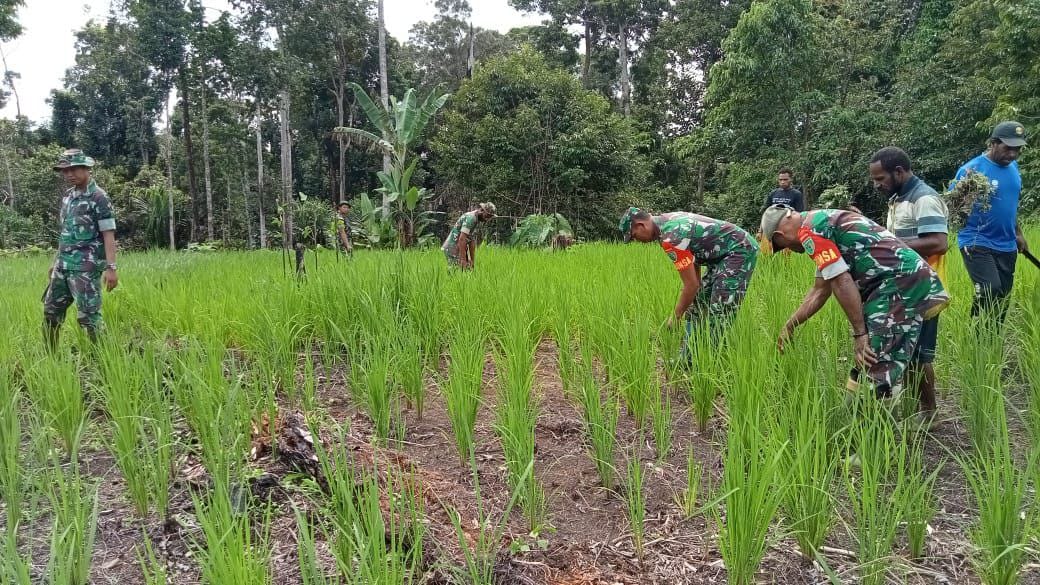
Indonesian Army village officers, known as Babinsa, accompany agricultural extension workers to remote Papuan farms, organizing village meetings and helping deliver seeds, fertilizer and tools. The article says extension workers should keep sole control of farming advice while soldiers handle logistics and coordination, so the arrangement adds support without replacing civilian experts.
Building Food Security from Local Farms
Food security begins with productive rural farms and resilient local communities capable of maintaining steady agricultural output. Across Papua, local farming families cultivate essential staples including sago, tubers, corn, and fresh vegetables to nourish regional populations. However, smallholder farmers frequently encounter significant operational challenges, including limited access to modern agronomic knowledge, isolated geography, difficult terrain, and restricted agricultural supplies. Addressing these complex barriers requires creative, ground-level solutions that connect remote farming villages with structured public support.
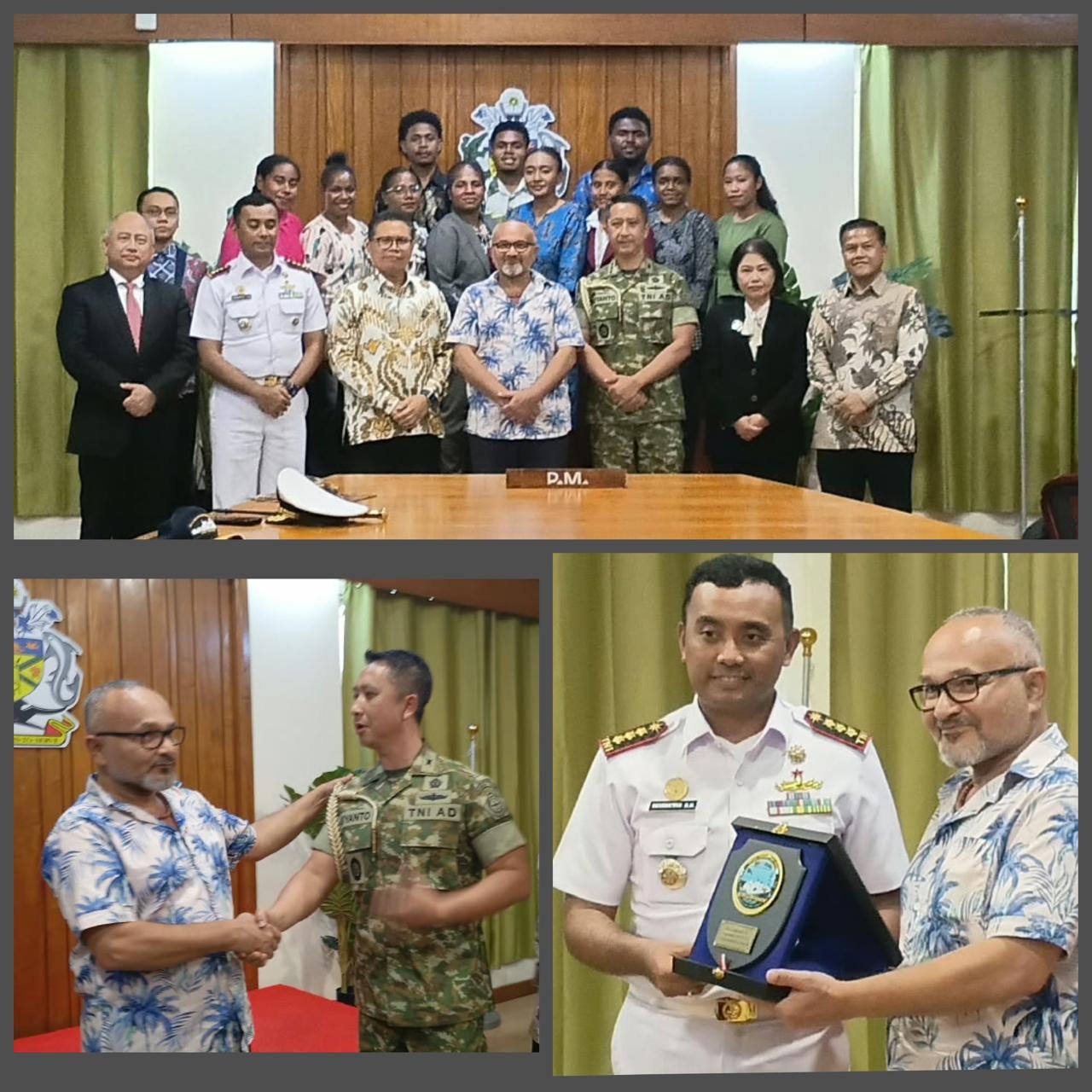
To bridge these geographic and operational gaps, practical collaboration between Indonesian Army community liaison officers—known locally as Babinsa—and professional agricultural extension workers provides essential field-level assistance directly to farming households. While extension specialists deliver technical agronomic expertise, military community officers offer crucial logistical support, local communication channels, and field coordination across remote districts. This civil-military synergy connects local farmers with modern agricultural methods, state assistance programs, and broader national food security initiatives.
Key Pillars of Agricultural Collaboration
Bringing Agricultural Support Closer to Farmers
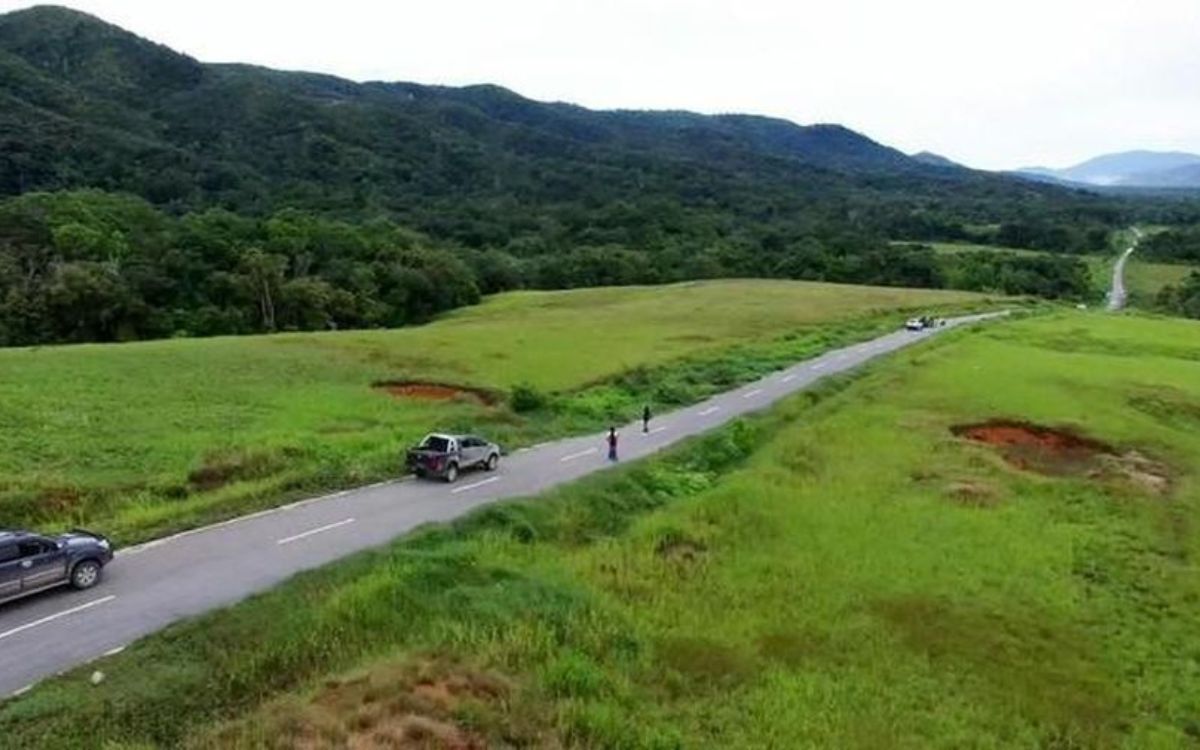
Professional agricultural extension workers serve a critical role in teaching rural communities modern soil management, crop rotation, pest control, and efficient harvesting techniques. However, reaching isolated farming settlements across Papua’s mountainous interior and dense rainforests presents immense logistical hurdles for civilian extension personnel working with limited transport resources. In these remote areas, local Indonesian Army personnel step in to provide essential field coordination, assisting extension officers in traversing difficult terrain and establishing trust with local village elders.
Active civil-military cooperation generates tangible benefits for rural agricultural development:
- Improved Service Delivery: Joint field visits ensure technical guidance reaches remote agricultural communities that rarely receive civilian government services.
- Enhanced Local Communication: Military community officers help organize village meetings, facilitating smooth dialogue between indigenous farmers and technical agricultural specialists.
- Streamlined Distribution of Inputs: Collaborative logistics networks ensure high-quality seeds, organic fertilizers, and basic tools arrive safely at local collection points without delay.
- Rapid Problem Identification: Continuous daily presence in rural villages allows field personnel to spot crop disease outbreaks or water shortages early and report them to agricultural authorities.
Consequently, close cooperation brings state assistance directly to rural doorstep, making agricultural development far more accessible across inland Papuan districts.
👉 ALSO READ: Papua Movement: Modern Coastal Fisheries for Stronger Communities
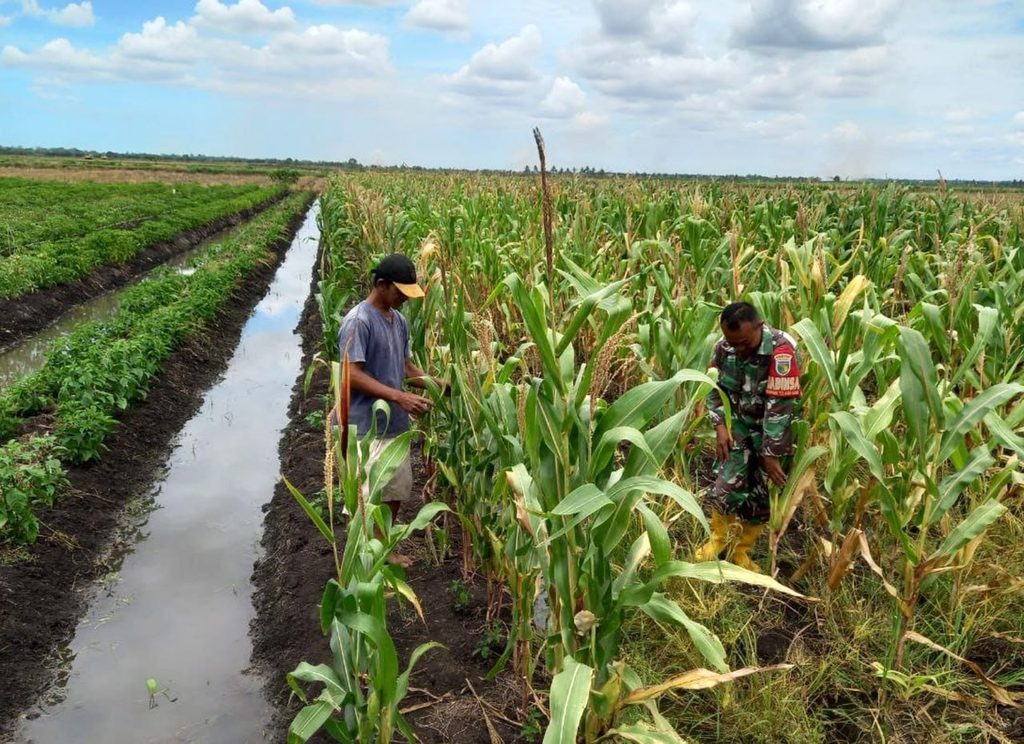
Strengthening Papua’s Contribution to Food Security
Developing sustainable local farming practices contributes significantly to wider regional and national food security. When rural communities gain access to improved crop varieties, proper soil nutrients, and consistent field mentoring, agricultural yields stabilize and expand. Moreover, close coordination between military community officers and agricultural extension workers supports the effective execution of national food self-sufficiency programs tailored to local environmental conditions.
Connecting small-scale farm development with national food policies transforms rural regions into active food-producing zones. Encouraging sustainable farming reduces reliance on expensive food imports from other islands, lowers local market prices, and generates reliable household income for indigenous farming families. Over time, building resilient local food systems strengthens regional self-reliance and secures Papua’s long-term economic stability.
Addressing Concerns: Defining Clear Roles in Civil-Military Collaboration
Civilian involvement with military personnel in rural agricultural programs can naturally raise questions regarding institutional roles and development responsibilities. Critics often emphasize that agricultural extension demands technical expertise that belongs strictly within professional civilian domains. Indeed, long-term agronomic guidance must always be led by qualified agricultural scientists and professional farm advisors.
However, civil-military synergy functions most effectively when operational roles are clearly delineated and transparent. Professional extension workers maintain sole authority over technical farming instruction, crop selection, and soil management techniques. Meanwhile, Indonesian Army community officers focus exclusively on logistics, local coordination, community outreach, and physical support during land preparation. With clearly defined responsibilities and active community participation, civil-military cooperation provides valuable additional resources without displacing civilian agricultural experts.
What do official figures show?
In April 2026 the army’s regional command signed a construction agreement for new rice fields in Merauke with a target of 50,000 hectares, Disway Papua Selatan reported. In September 2025, a Merauke clan head told the Constitutional Court that a national food project had cleared forests and swamps his community relied on without proper dialogue.
Conclusion: Growing Food Security Through Cooperation
In conclusion, achieving lasting food security depends on actionable support delivered directly to local farming communities. Across Papua, functional cooperation between Indonesian Army community officers, technical extension specialists, and local farmers brings vital agronomic assistance to isolated rural fields.
Strengthening connections between rural villages, technical agricultural experts, and public institutions builds a resilient foundation for sustainable farming. Ultimately, fostering inclusive field-level collaboration empowers Papuan farmers, improves rural livelihoods, and enables Papua to contribute meaningfully to Indonesia’s national food security goals.