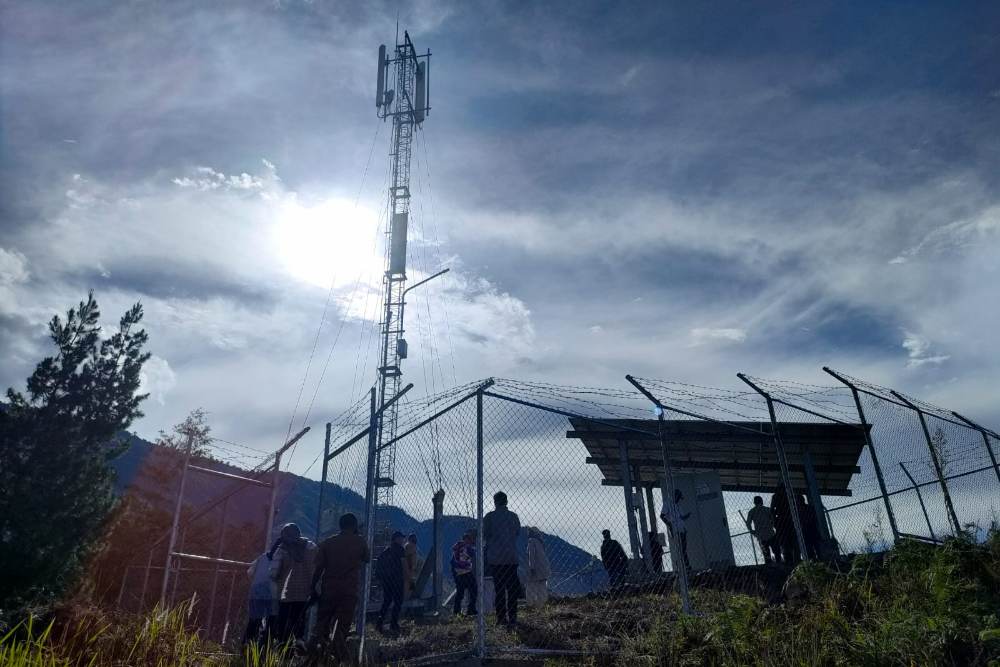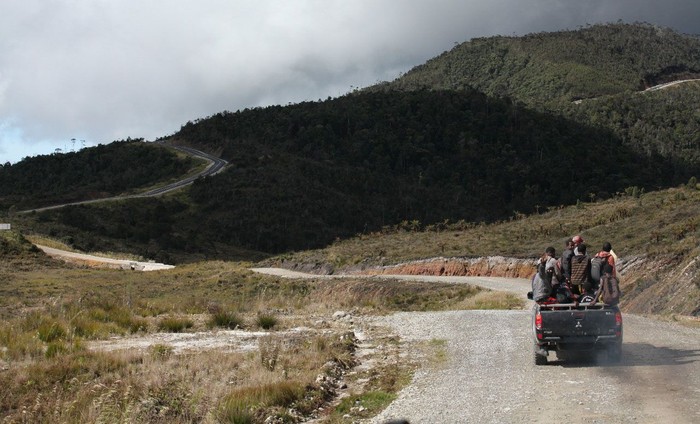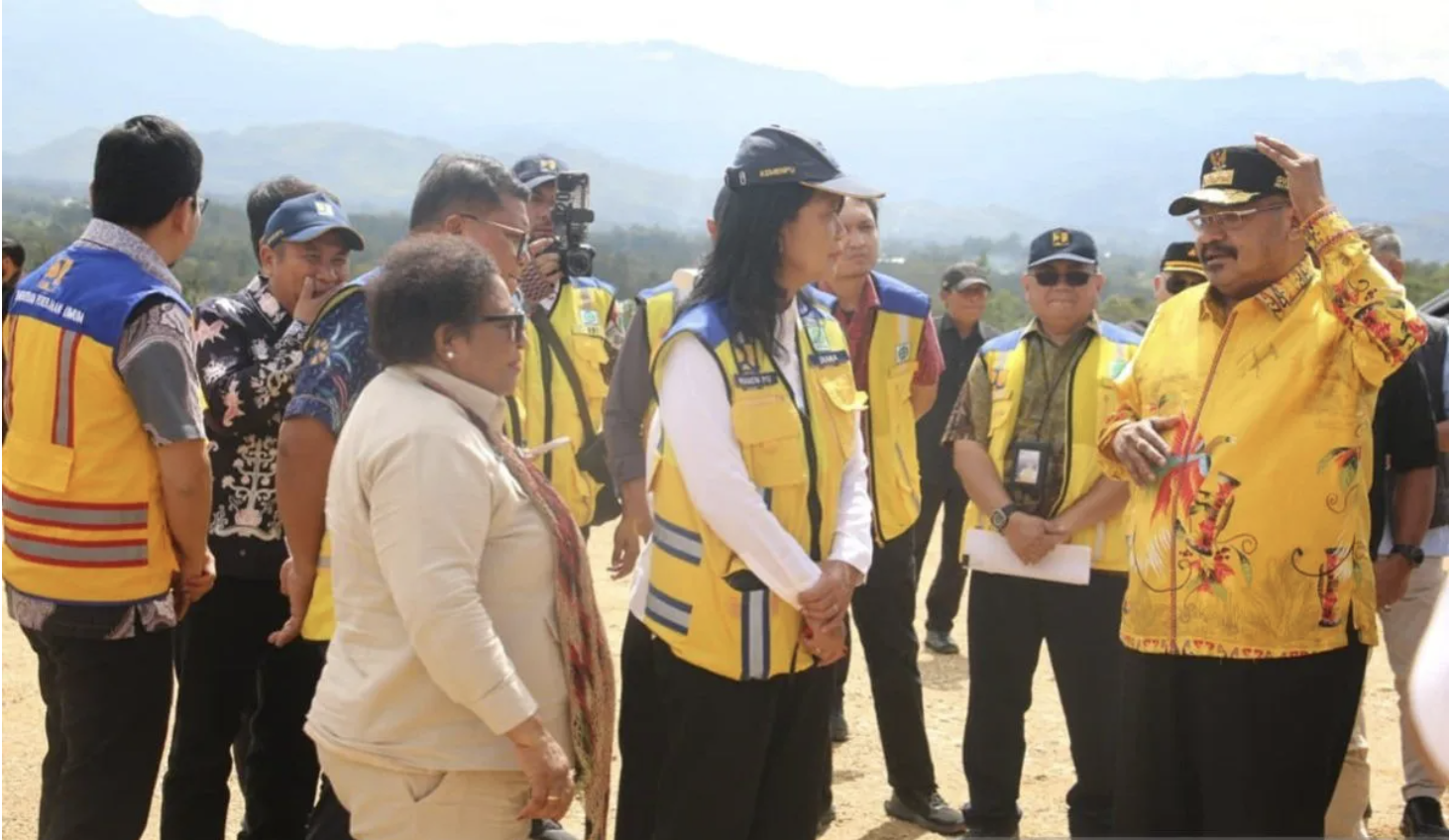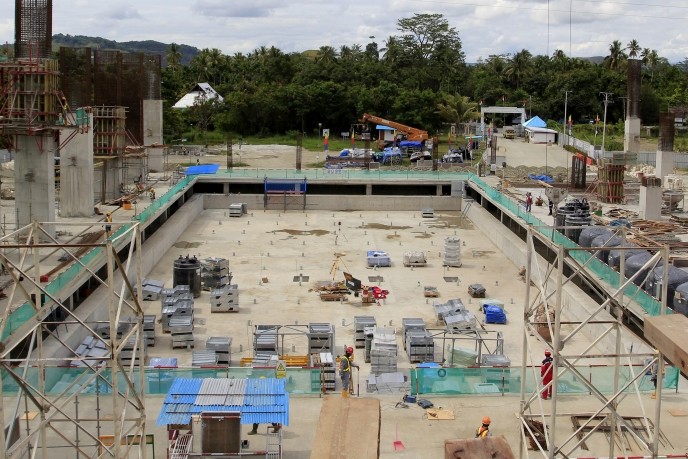
Counting the kilometers of road built in Papua says little about whether those roads help feed people. A better test is whether they link farmland to seeds, tools, processing centers and markets, so harvests travel faster, with less waste and lower shipping costs. This article reviews Papua’s road building against those four food-security indicators.
Papua’s Roads in the Food Security Policy Framework
Road development in Papua requires more than measuring completed kilometers. In fact, policymakers must evaluate whether new roads improve agricultural connectivity.
Better transport routes support national food security. Consequently, connecting productive farmland to distribution hubs allows food to move faster. Therefore, infrastructure planning directly strengthens regional trade.
Integrating Road Development and Food Policy in Papua
Paving roads alone cannot guarantee long-term food security. For this reason, public policy must align infrastructure with agricultural production.
For Papua, this integration connects rural farming zones to national buyers. Furthermore, proper policy coordination ensures that road construction supports regional farmers. As a result, public investments deliver maximum value for local communities.
Measuring Policy Outcomes
Effective policy evaluation examines whether road projects create real improvements. Four success indicators matter most:
- Better Farm Access: Roads help local growers reach seeds, tools, and processing centers easily.
- Efficient Crop Distribution: Harvested food reaches regional markets faster with minimal waste.
- Lower Shipping Barriers: Improved road networks significantly reduce transportation costs across Papua.
- Stronger Market Access: Local producers gain opportunities to supply larger national buyer networks.
Ultimately, tracking these clear metrics shows the true impact of public infrastructure investments.
ALSO READ: The Papua Movement: Building Developmental Sovereignty Through State Capacity
What do official figures show?
By mid-2026 the government had developed 83,030 hectares of new rice fields across Papua, most of them in South Papua, according to the Ministry of Agriculture. In the National Food Agency’s 2026 Food Security Index, all 18 regencies rated “very vulnerable” in Indonesia are in Papua, and Highland Papua’s regencies average about 36 out of 100, against a national average of about 72. The gap between new farmland in the south and food insecurity in the highlands is the main test for current policy.
Integrated Public Policy
Roads are key parts of a broader strategy. In addition, connecting transport routes with supply chains creates long-term economic value.
By regularly reviewing policy outcomes, Papua strengthens the link between connectivity and food resilience. In conclusion, this integrated approach secures a sustainable future for Indonesia’s food supply.