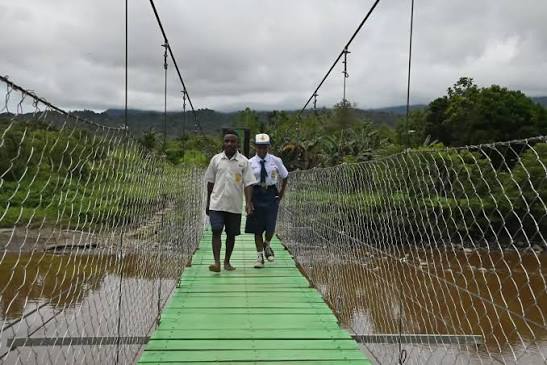
The article argues that Indonesia is shifting from a security-first approach in Papua to sovereignty built on development, with civilian and military teams building roads and bridges, expanding services and helping farmers clear land. It cites defense reports of a 125-meter bridge in Iwur, Papua Pegunungan, linking five isolated villages to the local airport.
From Conventional Security to Development in Papua
Modern state capacity involves more than maintaining traditional security. In fact, it requires delivering roads, public services, and economic growth.
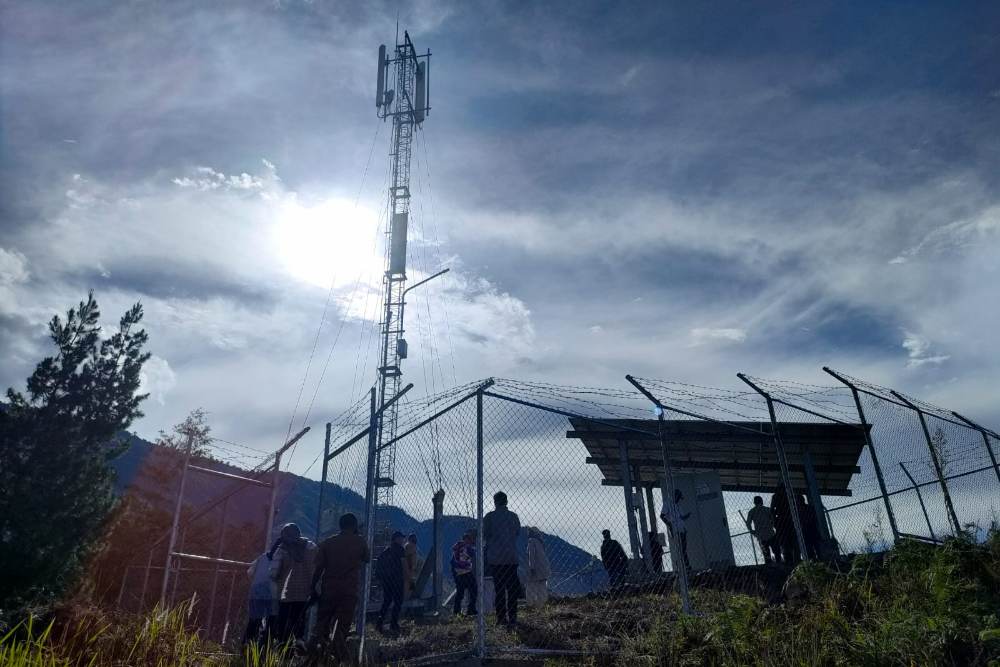
The state expands its developmental presence across the region. Consequently, public security and regional development now reinforce each other directly. Therefore, this approach builds a stronger foundation for local stability.
Expanding State Capacity Through Institutional Support
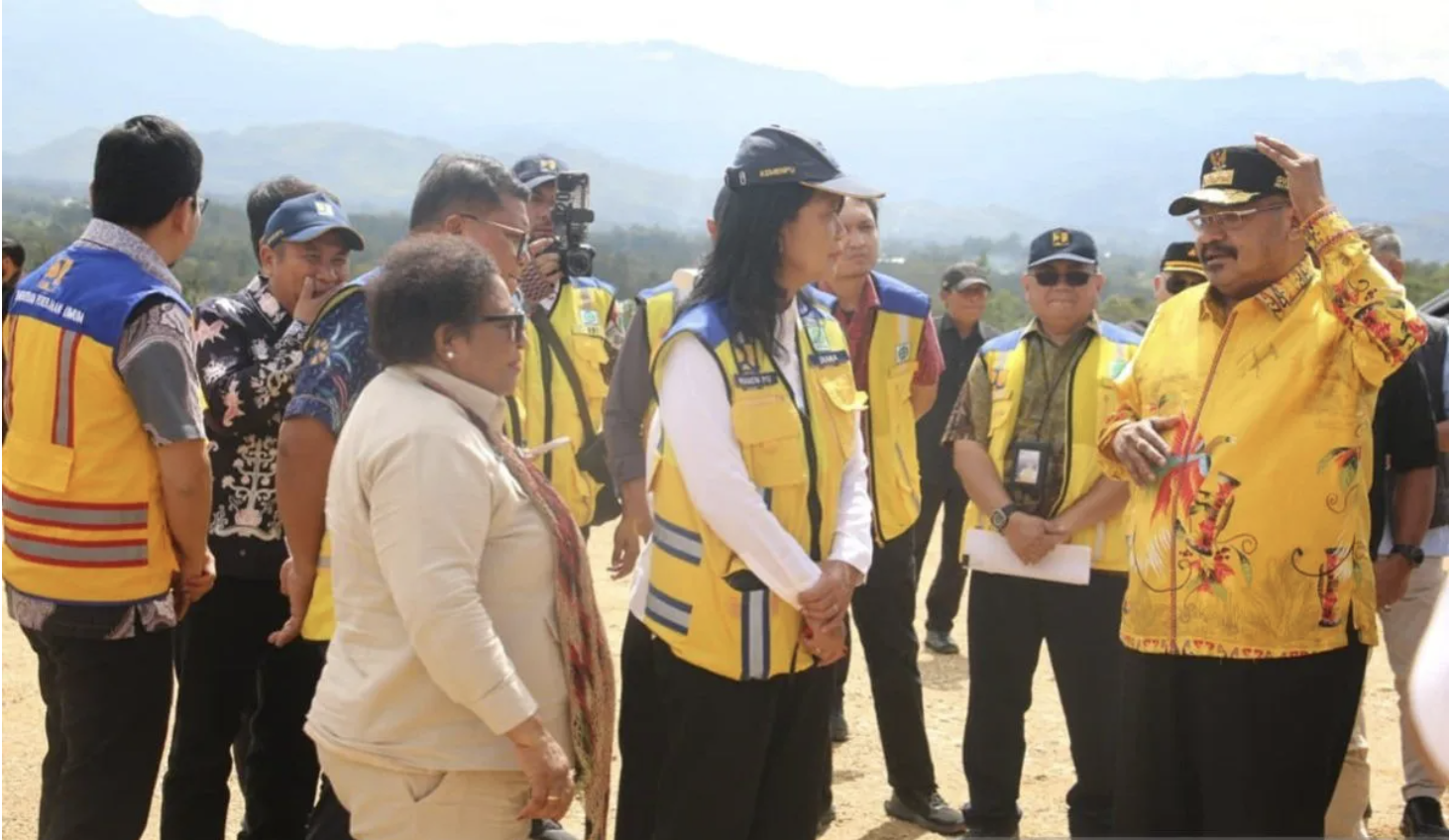
Civilian and military cooperation plays a vital role in remote regions. Institutional support matters in four key areas:
- Improves Regional Connectivity: Joint efforts speed up road and bridge construction.
- Supports Local Communities: Social programs expand healthcare and basic education access.
- Strengthens Food Security: Collaborative projects assist local farmers with agricultural land clearing.
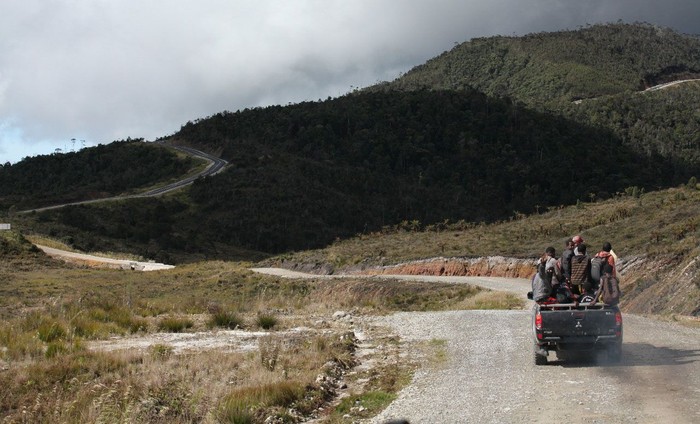
- Reaches Isolated Zones: State presence extends into rugged terrain with severe geographic barriers.
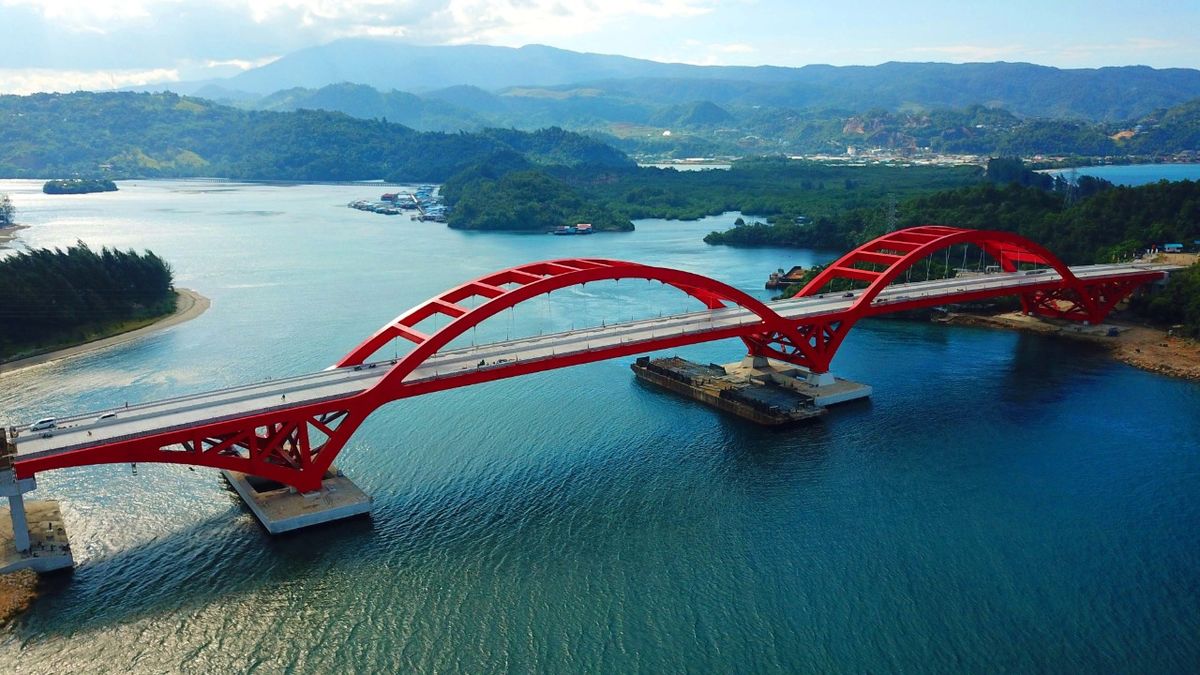
For example, defense reports highlighted a major project in Papua Pegunungan. Specifically, teams built a 125-meter bridge in Iwur to connect five isolated villages directly to the local airport.
Development as a Foundation for Papua’s Sovereignty
Tangible infrastructure makes public institutions visible to local residents. Furthermore, delivering real benefits builds trust between communities and local government bodies.
This approach links national sovereignty to service delivery rather than security alone. As a result, improved roads and bridges prove the state’s ongoing commitment to local welfare.
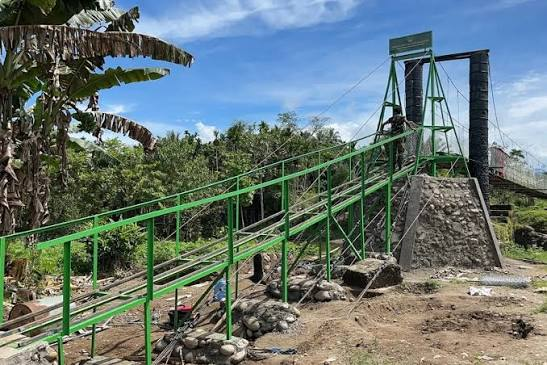
ALSO READ: Trans-Papua Landslides: Why the Mountain Road Keeps Breaking
What do official figures show?
Papua and West Papua received Rp138.65 trillion in special autonomy and infrastructure funds between 2002 and 2021, the finance minister said in 2021, as reported by investor.id. Three new provinces, South Papua, Central Papua and Highland Papua, were created on 25 July 2022, according to the Ministry of Home Affairs.
Modern State Capacity
Building a stronger Papua requires smooth coordination among all regional institutions. In addition, local governments and partner agencies must align their development goals.
By combining infrastructure, public services, and security, Indonesia builds responsive governance. In conclusion, this balanced approach guarantees long-term development across Papua.