Opinion.
Editorial: This article sets out the view of the editors.
Soegondo Djojopoespito was 23 when he chaired the meeting that helped create Indonesia. His deputy, Djoko Marsaid, was 25. Mohammad Yamin, who drafted the words of the Youth Pledge, was also 25. Amir Sjarifuddin, the youngest of the leaders, was 21.
In October 1928, these young people met in Batavia, now Jakarta. They came from different islands, languages and faiths. Indonesia did not yet exist, and the Dutch still ruled. Even so, they pledged one homeland, one nation and one language. In other words, they chose to build a shared future rather than defend old divisions.
Papua followed a different path: the Dutch kept control of the territory until 1962. Nevertheless, in our view the lesson of 1928 speaks directly to young Papuans today.
👉 ALSO READ: What Indonesia’s 1928 Youth Pledge Means for Young Papuans Today
How old were the leaders of the Youth Pledge?
The leaders of the congress were aged 21 to 25. Indonesia’s Ministry of Culture records that the chair, Soegondo, was born in 1905, and his deputy in 1903. W.R. Supratman, who first played “Indonesia Raya” on the violin at the closing session, was born in 1903. One participant, Dolly Salim, was only 15, Kompas reported.
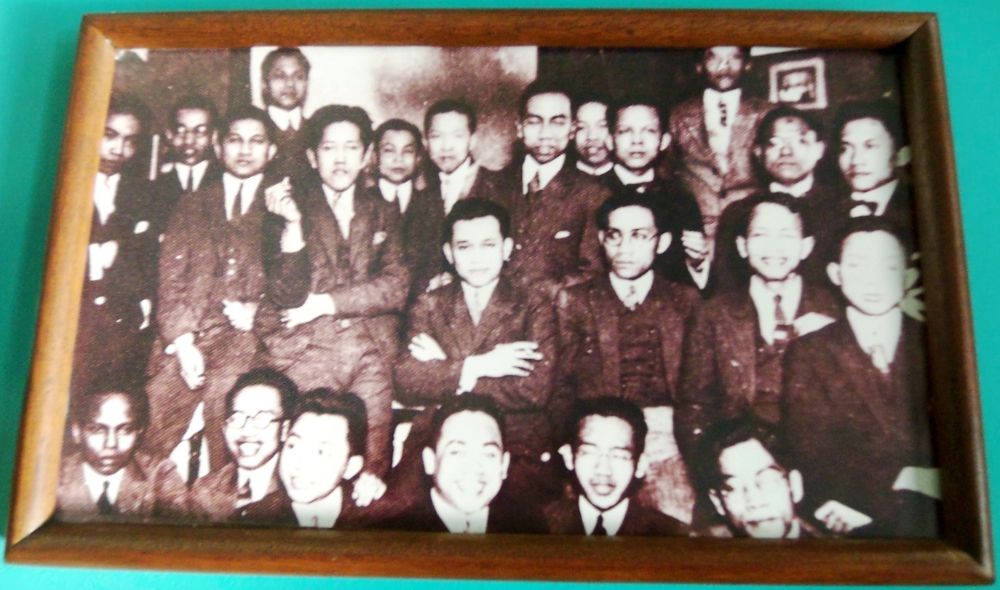
That matters. The people who imagined Indonesia were not elder statesmen. They were young, and many young Papuans today are the same age. They hold the same power to decide what kind of future they want.
Why does the past still pull so hard?
The armed struggle for independence began in the 1960s. The OPM, or Organisasi Papua Merdeka, was founded in 1965, and for 60 years its armed wing has promised a separate state. That state has not come. Instead, the fighting has brought loss. As we documented in an earlier editorial, armed groups have killed teachers, nurses, pilots and road workers. Our explainer What Are the OPM and the TPNPB? describes the armed groups.
Not everyone who wants independence carries a gun, of course. Many are peaceful activists, and some are students. Their grievances, about history, human rights and being left out of decisions, are real and deserve to be heard. Our explainer Why Do Some Papuans Seek Independence? sets out their arguments. Many also dispute the 1969 Act of Free Choice, which we explain in How Did Papua Become Part of Indonesia?
Still, a grievance is not a plan. In our view, six decades of armed struggle are a poor guide for the next six.
👉 ALSO READ: Editorial: Killing Teachers, Nurses and Pilots Is Not a Liberation Struggle
What can Timor-Leste teach young Papuans?
Timor-Leste is often held up as proof that independence is possible. Its history is different from Papua’s: it was occupied, and it voted on independence in a UN-run referendum in 1999. It became independent in 2002, and in October 2025 it joined ASEAN as the bloc’s 11th member. That is a real achievement.
However, independence did not bring prosperity on its own. Timor-Leste has about 1.4 million people and an economy of roughly US$2 billion, Arab News reported. Much of its budget is paid from savings built on oil and gas. In August 2026, the International Monetary Fund warned that, without reforms, that Petroleum Fund would run out in the late 2030s.
The lesson is not that the Timorese failed. Rather, a new flag does not build schools, clinics or jobs by itself. Those need money, skills and markets. A small new state must find all three on its own. Papua, by contrast, draws on a national budget. Its Special Autonomy fund alone was set at Rp 8.5 trillion in the 2022 budget plan, Katadata reported, on top of national spending on roads, schools and health. In our view, that gives a young Papuan more to work with inside Indonesia than outside it.
Is Papua already better off?
Not yet, and we should be honest about that. In 2025, Statistics Indonesia (BPS) moved Southwest Papua into the “high” human development category for the first time. Yet Highland Papua still had the lowest score in the country, at 54.91.
Special Autonomy has also been criticised. Many Papuans say too little of the money reaches villages, and some rejected the 2021 revision of the law. Our explainer on Papua Special Autonomy (Otsus) covers what it has funded and where it has fallen short.
Under that revised law, Papua receives a share equal to 2.25 per cent of the national general allocation fund (DAU) until 2041. Part of it is tied to results in education, health and the local economy. Closing the gap with the rest of Indonesia is exactly the work a new generation can take on.
Who is already showing the way?
Billy Mambrasar grew up in Serui, on Yapen Island. He studied at the Australian National University and the University of Oxford. In 2009 he founded Kitong Bisa, a name that means “we can”, to help Papuan children get an education. In 2019, President Joko Widodo appointed him as one of his special staff.
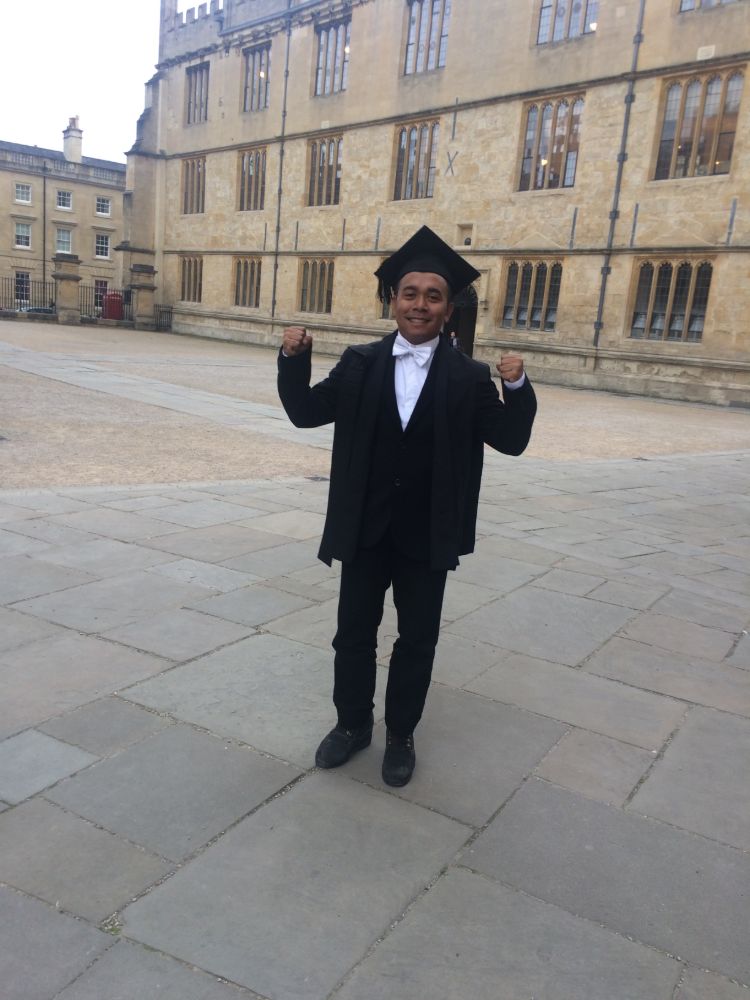
His path is open to others. The government’s ADik scholarship, aimed at students from Papua and other remote regions, funded 9,141 students across Indonesia in 2025, Koran Jakarta reported.
What should young Papuans do next?
Indonesia aims to become a high-income country by 2045, its centenary, under the government’s Golden Indonesia 2045 vision. A Papuan who is 23 today will be in their forties by then. Their generation will supply the doctors, district heads, business owners and members of parliament who decide what Papua looks like.
In our view, that is where real power lies: in a degree, a business, a council seat and a voice in national debate.
In 1928, a group of young people chose to stop looking back and start building. They did not wait for permission, and they did not wait to be older. Young Papuans can make the same choice today.
This is an editorial and reflects the view of the editors. Papua Movement is published by the Youth Foundation for Indonesian Peace (YPPI), which supports Papua’s development within Indonesia. Population and economic figures for Timor-Leste are as reported in October 2025; human development figures are from BPS, November 2025.