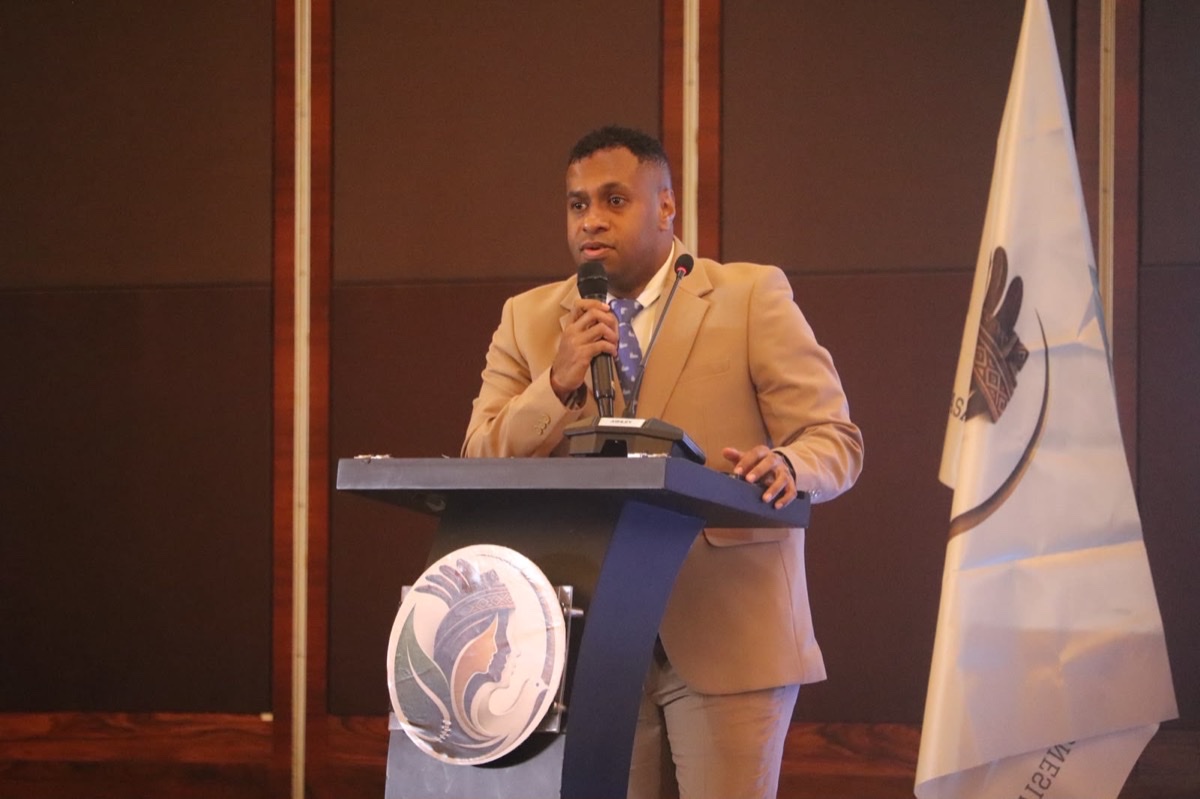
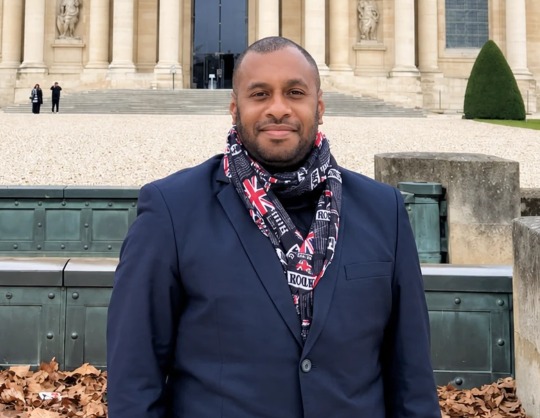
Opinion. Steve Mara is the editor of Papua Movement, which is published by the Youth Foundation for Indonesian Peace (YPPI). He is a co-founder of YPPI, heads YPPI London and chairs the Melanesian Youth Diplomacy Forum.
Every 28 October, Indonesia marks the Youth Pledge, or Sumpah Pemuda. For young Papuans, the day should be more than a ceremony. It is a chance to ask what unity means in practice, and what we are doing to prepare for the country’s future.
👉 ALSO READ: Modern Education Prepares Young Papuans for Future
What was the Youth Pledge?
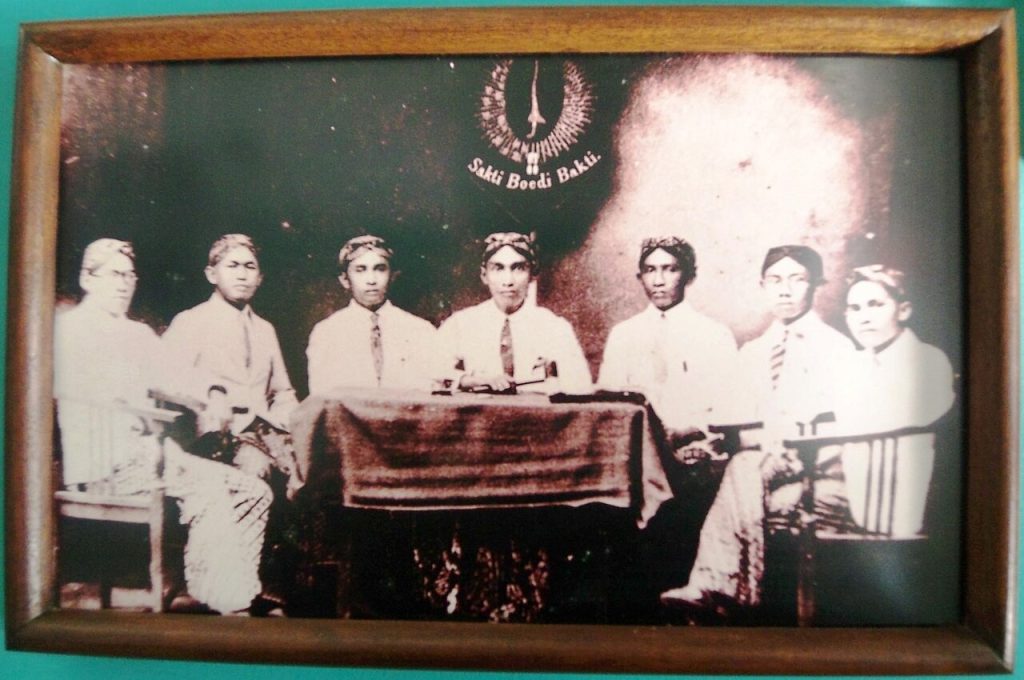
The pledge came out of the Second Youth Congress, held in Batavia, now Jakarta, on 27 and 28 October 1928. Delegates from youth organisations across the archipelago met at three venues. The closing session took place at Kramat Raya 106, which is now the Youth Pledge Museum (RRI).
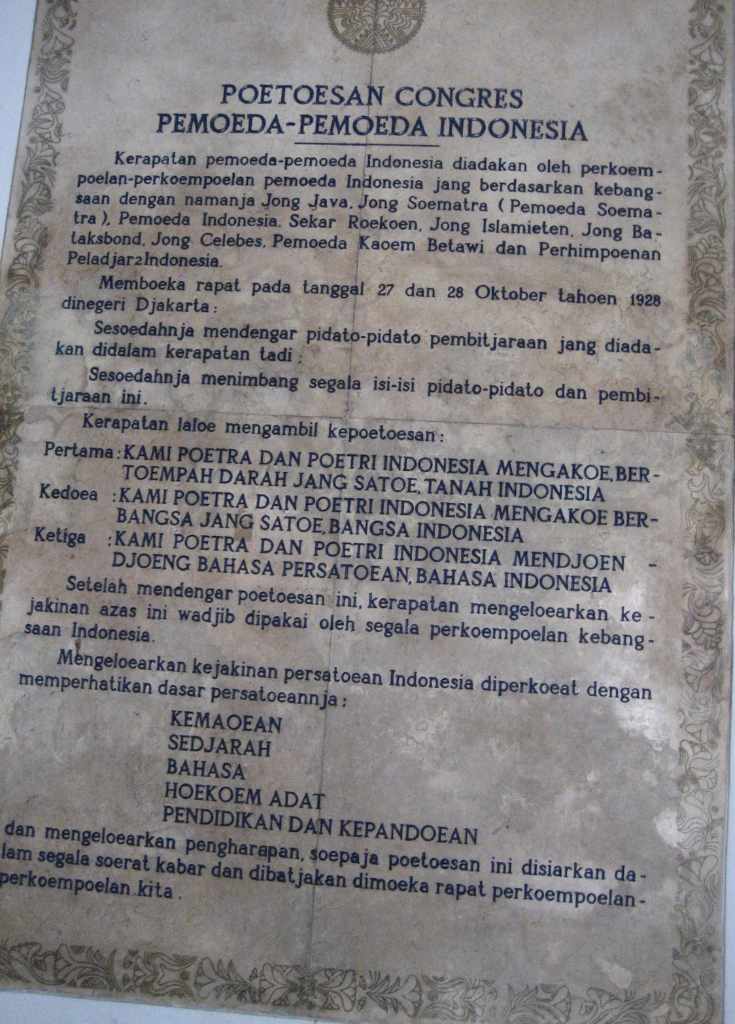
The delegates represented groups such as Jong Java, Jong Sumatra, Jong Celebes, Jong Bataksbond, Jong Islamieten and Pemuda Kaum Betawi. At the end of the congress, they affirmed one homeland, one nation and one language: Indonesia. In English (our translation), the three pledges read:
First: We, the sons and daughters of Indonesia, acknowledge one motherland, the land of Indonesia.
Second: We, the sons and daughters of Indonesia, acknowledge one nation, the Indonesian nation.
Third: We, the sons and daughters of Indonesia, uphold the language of unity, the Indonesian language.
At the same meeting, W.R. Supratman played “Indonesia Raya”, later the national anthem, on the violin. He did not sing the words, to avoid trouble with the Dutch colonial authorities.
Those young people came from different islands, languages and faiths. Even so, they chose a shared future seventeen years before independence.
👉 ALSO READ: Papua’s Role in Connecting Indonesia with Melanesia
Is unity only a slogan?
It should not be. In my view, unity has to show in what we do: in how we study, how we work, and how we treat people who disagree with us.
Young Indonesians face real pressures today. In my conversations with young people, many worry about education, jobs and social welfare. Many also feel left out of the decisions that shape their lives. These concerns are legitimate, and they deserve answers.
Can young people criticise the government?
Yes. In a democracy, young people have every right to speak out, to protest peacefully, and to remind the government when a policy does not meet people’s needs. The state needs to hear those voices.
However, that freedom comes with responsibility. We can disagree about politics and still share one commitment to Indonesia. Criticism works best when it comes with a proposal. As I told Jayapura Post this week, we should not only be a generation that criticises; we should be a generation that offers solutions.
What does unity mean for Papua?
Indonesia was built on diversity, and in my view Papua is part of that mosaic. Papuans bring a Melanesian identity, with its own cultures and history, into the Indonesian story.
Unity does not mean ignoring differences or closing the door on people’s aspirations. Instead, it means respect, fairness and open dialogue. Every young person should feel valued, heard and able to contribute.
I know that not every young Papuan sees it this way. Some feel that their grievances have not been heard, and some still seek independence. Our explainer Why Do Some Papuans Seek Independence? sets out those arguments and the government’s response. The answer to that frustration is not silence. It is dialogue, justice and real opportunity.
Why does this matter beyond Indonesia?
The world around us is changing fast. Rivalry between major powers, disinformation, new technology and regional security all affect our future. In my view, guns and patrols alone cannot protect a country’s unity. Education, science, a strong economy, diplomacy and skilled people matter just as much.
Young Papuans also have a special role. We are part of Indonesia and, at the same time, part of the Melanesian family in the Pacific. Through youth dialogue, cultural exchange and study partnerships, we can build understanding between Indonesia and its Pacific neighbours. For background, see Where Do Pacific Countries Stand on West Papua?
What should young people do now?
First, prepare. Study hard, learn new technology and understand how diplomacy works. Second, take part in public life with integrity. Third, use your voice to build bridges rather than walls.
The delegates of 1928 showed that difference is not a reason to split apart. Rather, it can be a strength for building a bigger nation. The future of Indonesia, and of Papua within it, will depend on whether our generation is ready to carry that promise forward.
This article draws on remarks Steve Mara gave to Jayapura Post on 28 October 2026, but it is largely new writing. This article is an opinion piece. The views are the author’s own. Read more about how Papua became part of Indonesia in our explainer on how Papua became part of Indonesia.
Updated 30 October 2026 to state that YPPI publishes Papua Movement, to clarify how this article relates to the author’s remarks to Jayapura Post, and to add photo credits.