Teachers and health workers in Papua’s conflict-affected areas face risks that extend beyond their workplaces. Attacks, threats and insecurity can force them to leave communities that depend on their services. International humanitarian law provides protection for civilians, including educators and medical personnel, but ensuring their safety requires more than legal guarantees.
When Conflict Reaches Schools and Health Facilities
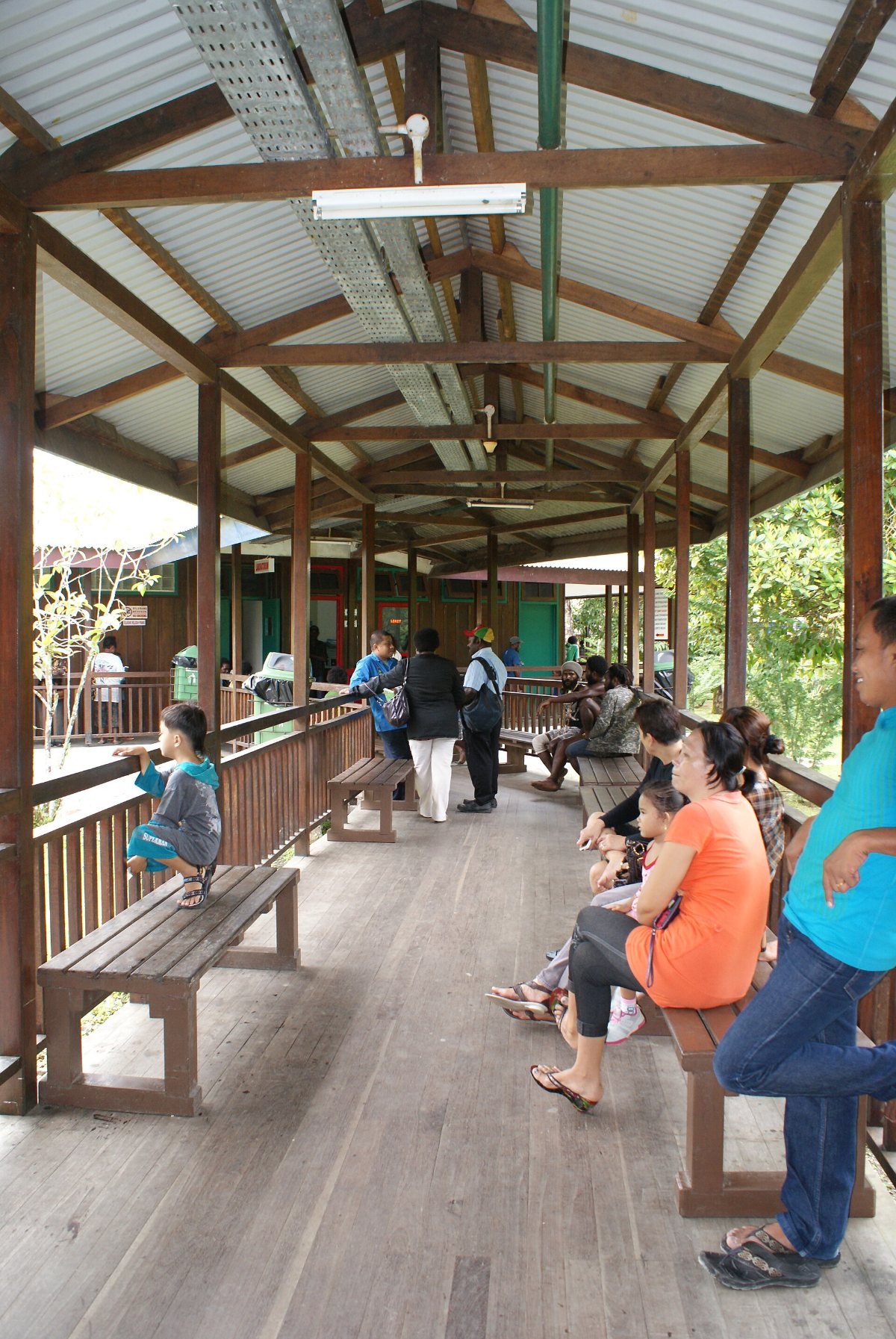
Teachers and health workers provide essential services in communities across Papua, including remote areas affected by armed violence. When insecurity disrupts their work, the consequences extend beyond individual employees. Children may lose access to education, while residents can struggle to receive medical treatment when health facilities close or personnel are evacuated.
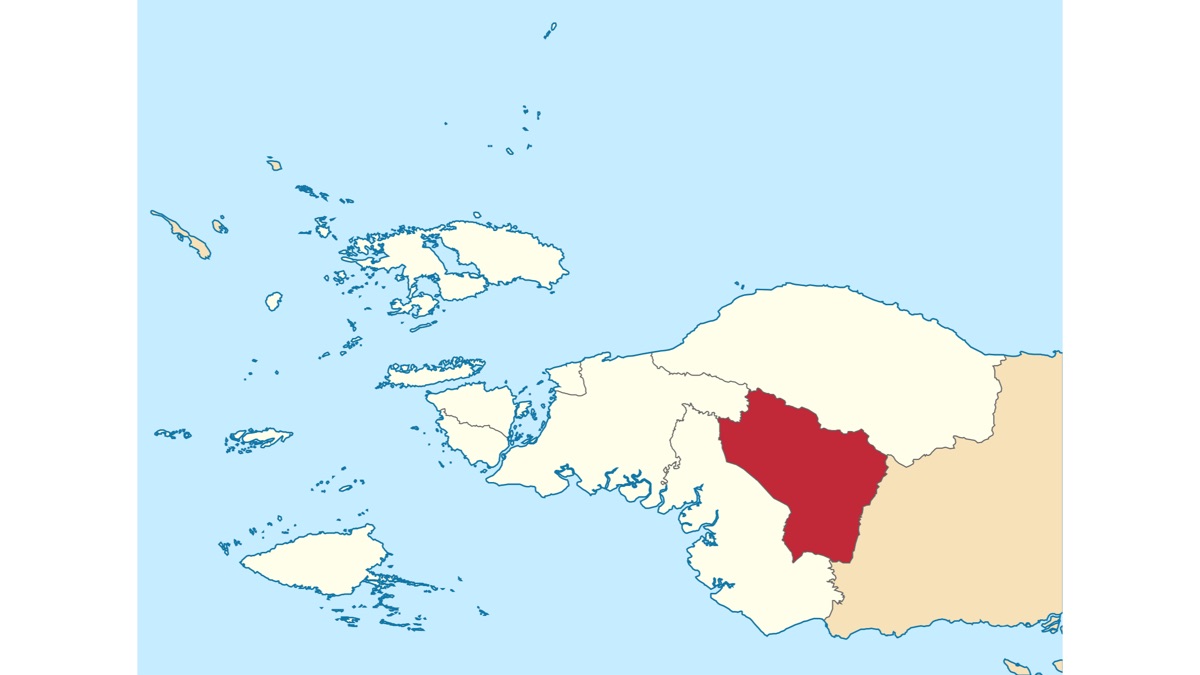
One example occurred in Anggruk District, Yahukimo Regency, in Papua Pegunungan, on 21 March 2025. Komnas HAM reported that an attack by an armed group killed one teacher, injured six other civilians and resulted in the burning of a school building and a teacher’s house. Following the incident, local authorities, together with security personnel, evacuated education and health workers from districts considered vulnerable.
The incident illustrates how violence against civilian workers can disrupt basic services. Even when schools and clinics are not directly attacked, threats and fear can make it difficult for staff to remain in their posts.
👉 ALSO READ: Maybrat Displacement: The Human Cost
Key Pillars of Civilian Protection
1. Teachers and Schools Are Protected Under Humanitarian Law
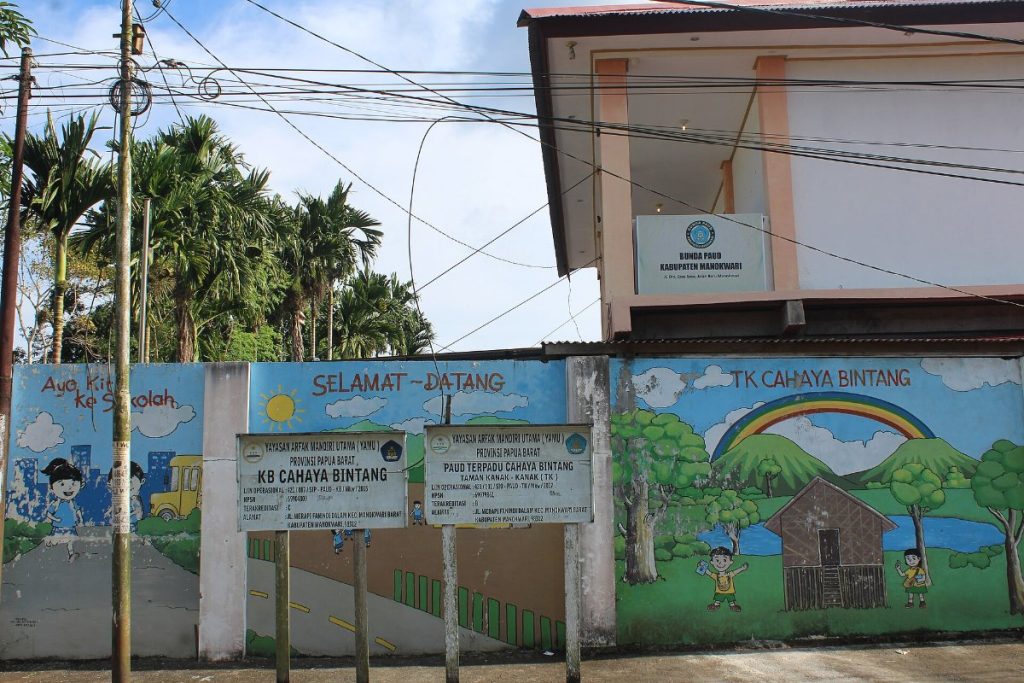
International humanitarian law (IHL) establishes that civilians must not be deliberately targeted during armed conflict. Teachers and students are generally considered civilians, while schools are normally civilian buildings. The International Committee of the Red Cross (ICRC) explains that attacks against students, teachers and schools are prohibited under IHL.
Schools can lose protection against attack in specific circumstances, such as when they are used for military purposes. Even then, parties to the conflict must take feasible precautions to protect civilians and avoid disproportionate harm.
2. Medical Personnel Have Additional Protection
Health workers receive specific protection under IHL because of their role in treating the wounded and sick. Medical facilities, ambulances and medical personnel must be respected and protected, regardless of which side the patients belong to. Civilian medical personnel must also be allowed to carry out their humanitarian duties.
Additional Protocol I to the Geneva Conventions, Article 15, states that civilian medical personnel must be respected and protected. Although this provision concerns international armed conflicts, protections for medical personnel also exist under other IHL rules applicable to non-international armed conflicts.
Addressing Concerns: Are Legal Protections Enough?
Legal guarantees do not automatically ensure safety on the ground. In July 2026, Komnas HAM reported 42 incidents of violence in Papua during the first half of the year, involving 59 fatalities, most of them civilians. The commission said civilian protection remained inadequate and stressed the need to prioritise security, healthcare, education and temporary housing.
Protection also requires practical measures. Authorities need to investigate attacks, assess security risks, maintain access to schools and health facilities, and provide safe evacuation when necessary. Armed actors must respect civilian status and avoid using schools or medical facilities for military purposes. Any security response should also protect civilians and allow essential services to resume as soon as conditions permit.
Conclusion: Protecting the People Who Serve Communities
Teachers and health workers are not participants in armed hostilities simply because they work in conflict-affected areas. Their safety is essential to keeping education and healthcare available for communities already facing difficult conditions.
International humanitarian law provides important protections, but those rules must be respected in practice. Protecting civilian workers means preventing attacks, ensuring safe access to essential services and supporting their return when conditions allow. Without these measures, conflict affects not only those directly involved in violence but also the future of entire communities.