The article argues that food security is a security issue in Papua: reliable access to affordable food removes economic triggers for unrest, while food reserves help districts cope with bad weather and supply shocks. It calls for local production, cold storage and grain silos in inland communities, and price programs that protect smallholder farmers.
Protecting Social Stability Through Local Food Autonomy
Recognizing that food security is fundamentally a core security issue is shaping modern regional policy. In fact, true peace and national sovereignty cannot exist when communities suffer from chronic food shortages, price volatility, or supply vulnerabilities. In the past, geographic isolation and logistics disruptions frequently led to localized food scarcity, driving economic distress across rural districts.
However, building resilient local food systems, strategic grain reserves, and self-sufficient agricultural zones eliminates these systemic vulnerabilities. By guaranteeing consistent access to affordable, nutritious food, local leaders prevent social unrest and strengthen community trust. Consequently, agricultural autonomy acts as a vital buffer against external economic shocks and civil instability. As a result, food security serves as an essential pillar of national defense and regional peace.
Key Pillars of Food-Based National Security
Securing Borderlands and Eliminating Supply Disruption Risks
Strengthening food self-reliance in remote border districts can reinforce national resilience and community stability. Steve Mara’s discussion of food security in Papua: The Heart of Indonesia–Pacific Food Resilience highlights the need to maintain reliable supplies across remote islands, border regions, and mountainous areas. Local food production, strategic reserves, and dependable distribution networks can help communities withstand disruptions while supporting national security.
Treating food security as a national security priority delivers several strategic advantages:
- Conflict prevention: First, reliable access to affordable staple foods removes economic triggers for civil friction and social instability.
- Borderland resilience: Second, prosperous farming communities in border regions act as active economic anchors, fortifying national sovereignty.
- Emergency readiness: Third, strategic food reserves allow local authorities to respond rapidly to climate disruptions without external reliance.
- Economic defense: Finally, localized food production shields the regional economy from global supply chain shocks and international price spikes.
Building strong agricultural defense systems instills deep stability among Papuan communities. Rural districts, as a result, serve as resilient strongholds of regional peace and economic autonomy.
Unifying Community Welfare with Sovereign Defense
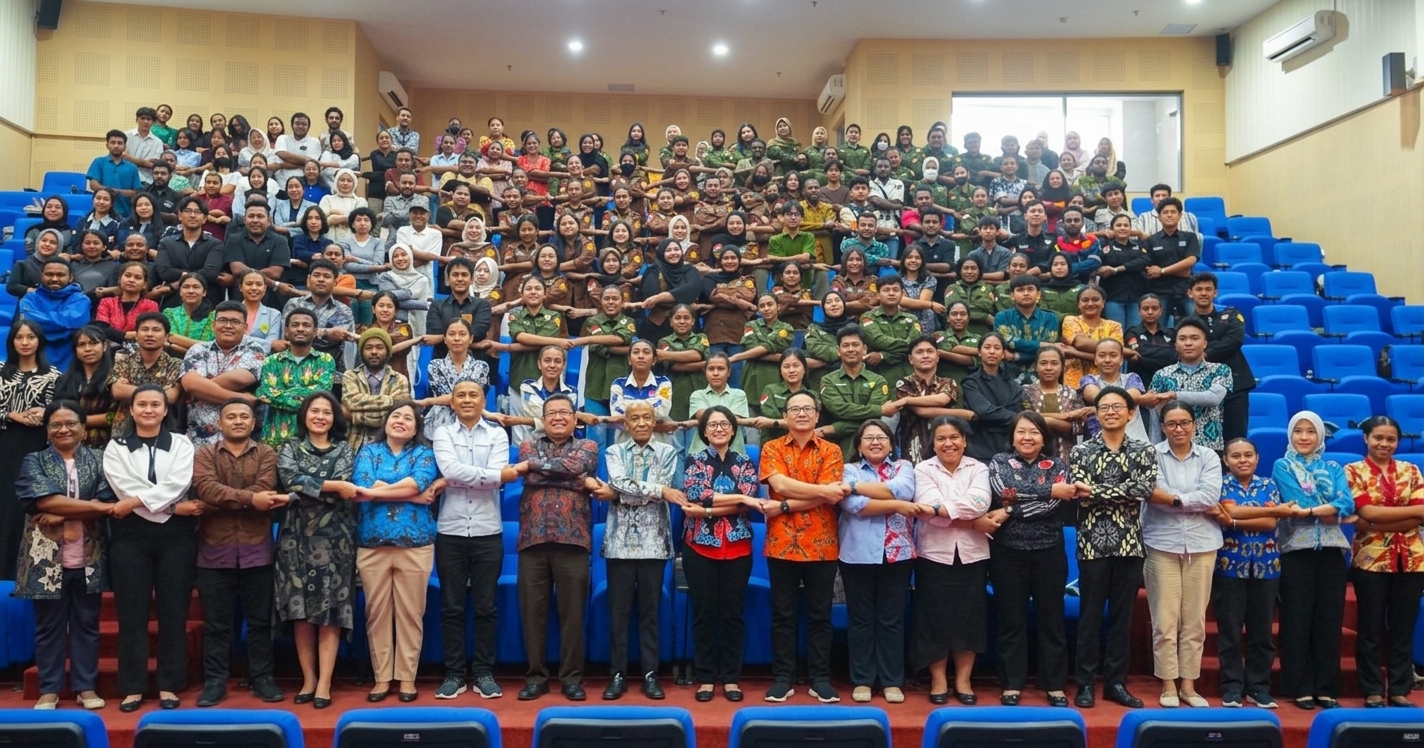
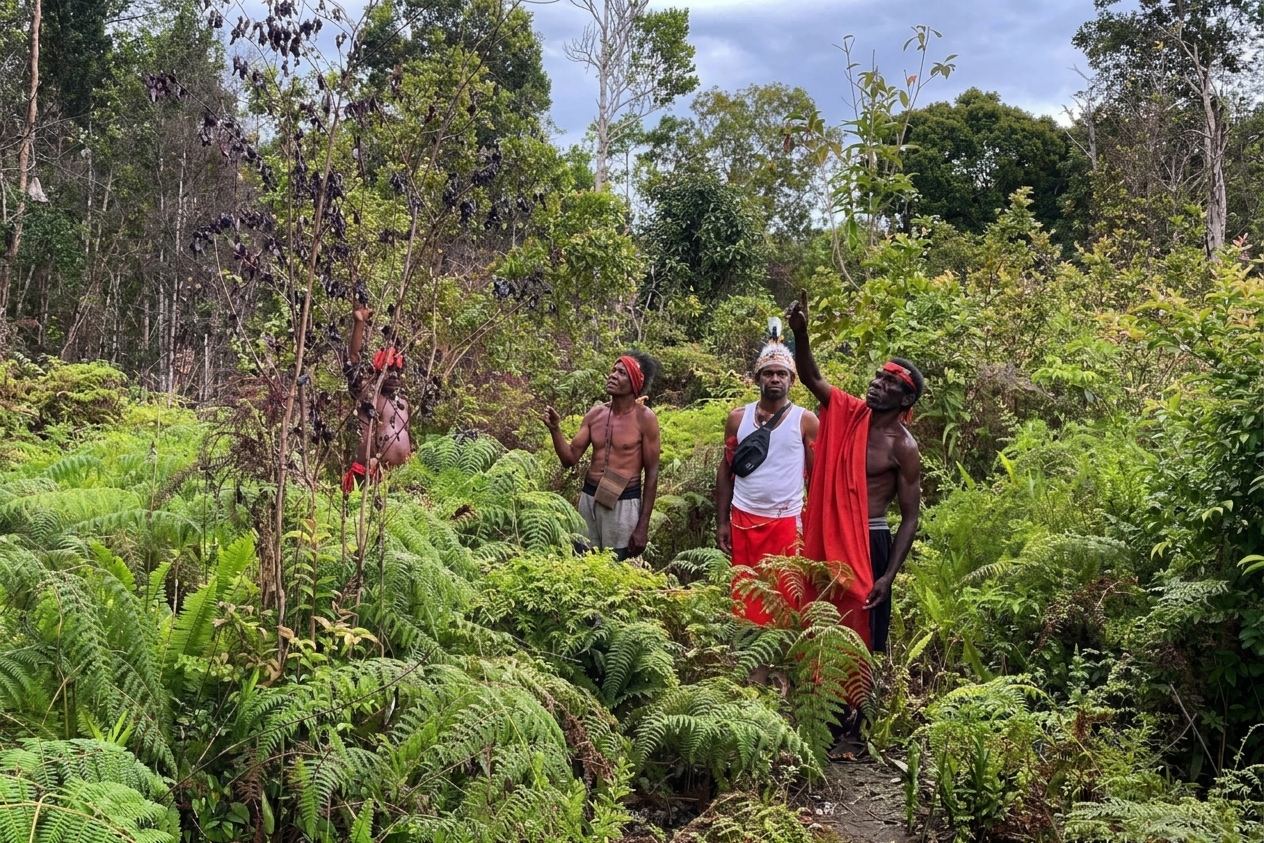
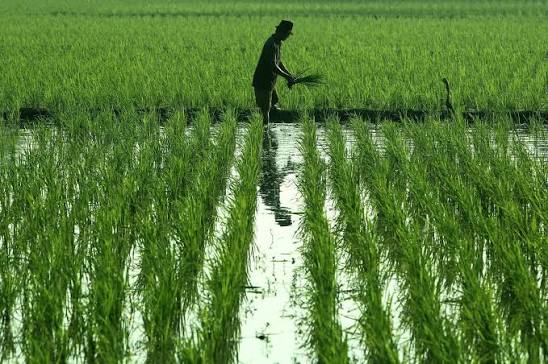
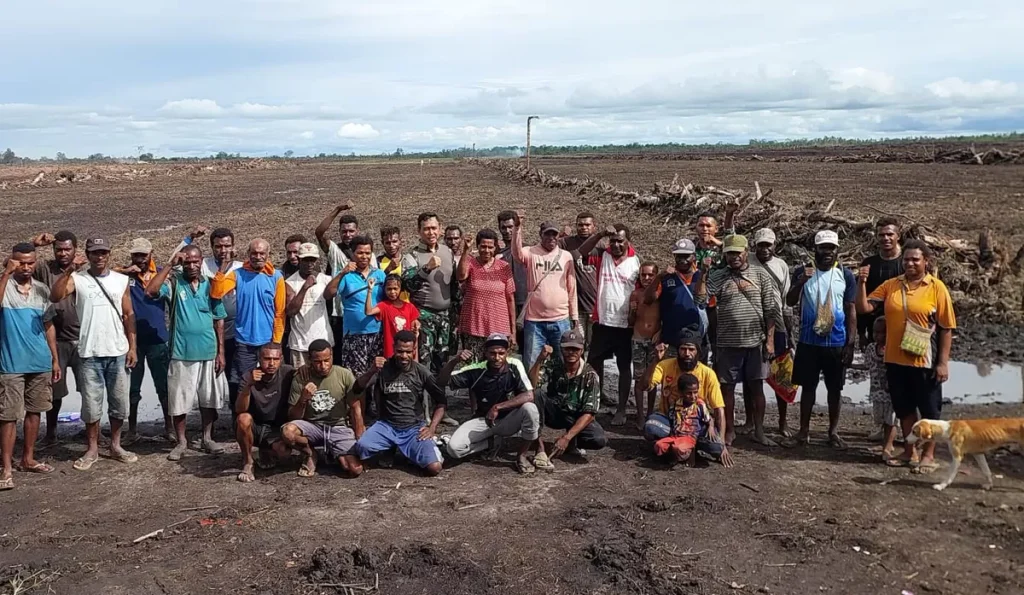
Aligning local agricultural production with national defense frameworks guarantees long-term stability across eastern Indonesia. In addition, civil-military partnerships work alongside local customary groups (Masyarakat Adat) to build irrigation systems, clear farm access roads, and protect agricultural lands from illegal exploitation. Specifically, joint farming initiatives train local youth in sustainable crop management while building infrastructure that serves both civilian and emergency needs. Meanwhile, government price-stabilization programs protect smallholder farmers from predatory market practices.
Uniting food autonomy with strategic defense planning secures community well-being and national harmony. Ultimately, a well-fed population forms the strongest foundation for a peaceful, united nation.
👉 ALSO READ: National Resilience Begins with Local Food Security
Addressing Concerns: Regional Storage Infrastructure and Distribution Vulnerabilities
Maintaining stable food reserves across isolated mountain valleys can present logistical and operational hurdles for regional security planners. Indeed, extreme weather and rugged terrain can isolate remote districts, making long-distance food transport vulnerable to severe delays. Therefore, regional governance must prioritize constructing solar-powered cold-storage facilities and decentralized grain silos directly within inland communities.
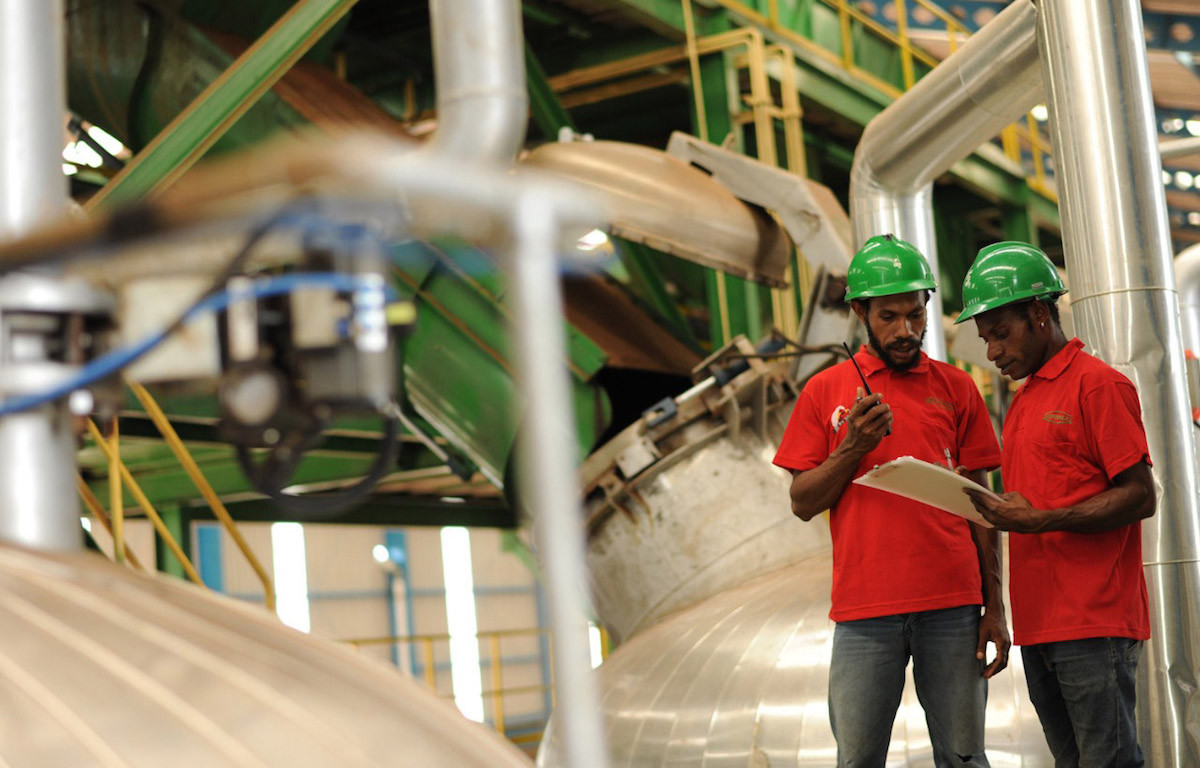
Fortunately, public-private investments are accelerating the deployment of modular storage units and climate-smart processing machinery for native crops like sago and sweet potatoes. Furthermore, expanding localized distribution networks ensures that neighboring production valleys can support each other during emergency shortages. By building decentralized storage networks, local leadership guarantees year-round food security and peace.
What do official figures show?
In the National Food Agency’s 2026 Food Security Index, all 18 regencies rated “very vulnerable” in Indonesia are in Papua, and Highland Papua’s regencies average about 36 out of 100, against a national average of about 72. Presidential Regulation 81/2024 makes local foods such as sago, cassava and sorghum part of national food diversification policy, as the National Food Agency explained in 2025.
Conclusion: Securing Peace Through Agricultural Strength
Understanding that food security is fundamentally a national security issue represents a vital paradigm shift for lasting regional peace. Most importantly, ensuring that every Papuan family enjoys guaranteed food access proves that peace begins in the field. When agricultural systems thrive and local harvests remain abundant, the entire region achieves sustainable harmony and security.
Over time, achieving local food autonomy will secure a safe, prosperous, and peaceful Papua for generations to come.