The article argues that Indonesia’s national resilience depends on food security in remote regions such as Papua, where supply delays and price shocks hit isolated communities hardest. It calls for more local food production, regional storage and sago processing to hold reserves, and better roads and cold storage to cut costly air transport to highland valleys.
Strengthening Sovereignty Through Regional Food Independence
Achieving local food security serves as a vital pillar for overall national resilience. In fact, a nation cannot remain truly sovereign if its remote border regions depend heavily on imported food supplies or long-distance logistics. In the past, sudden distribution delays and global supply shocks created severe vulnerabilities across eastern island communities.
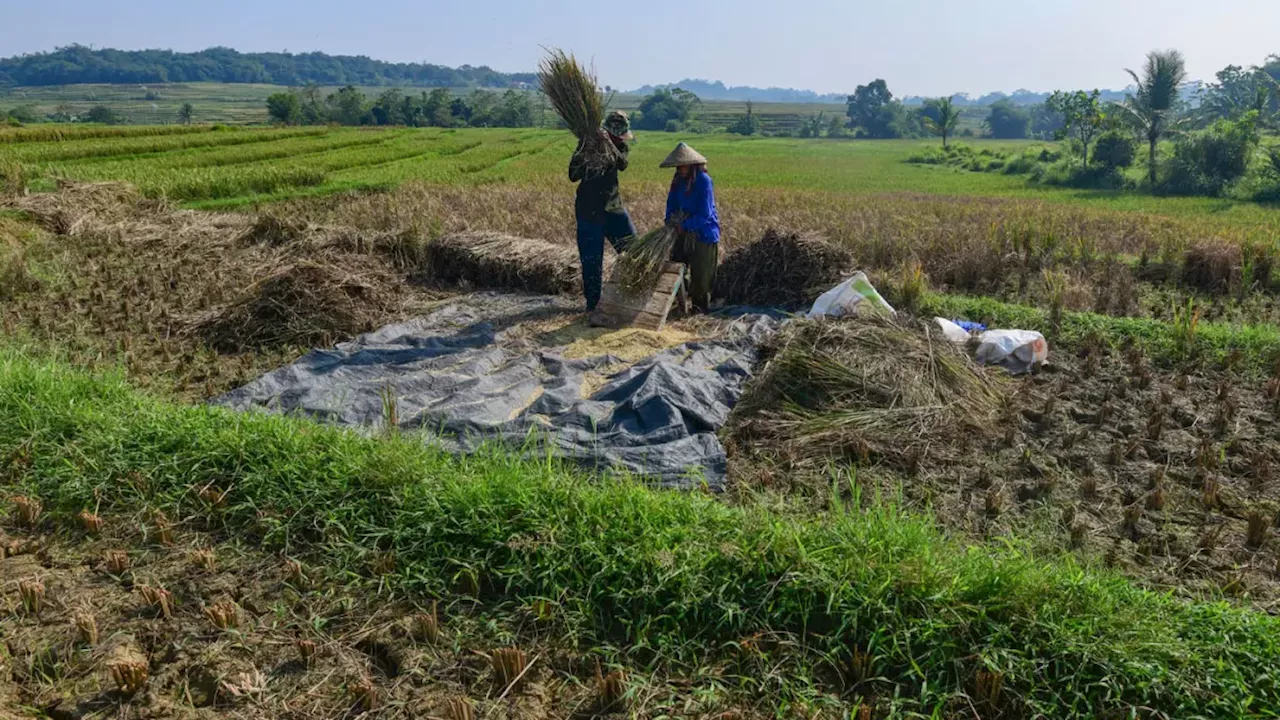
However, strengthening local food production can help districts build more reliable supplies and reduce exposure to external disruptions. In Papua: The Heart of Indonesia–Pacific Food Resilience, Steve Mara emphasizes that empowering local farmers, applying technological innovation, and preserving Indigenous food knowledge are essential to sustainable agricultural development. By strengthening these local systems, Papua can support community welfare while contributing to Indonesia’s broader food resilience.
Key Pillars of Food-Based National Resilience
Building Regional Food Hubs and Strategic Reserves
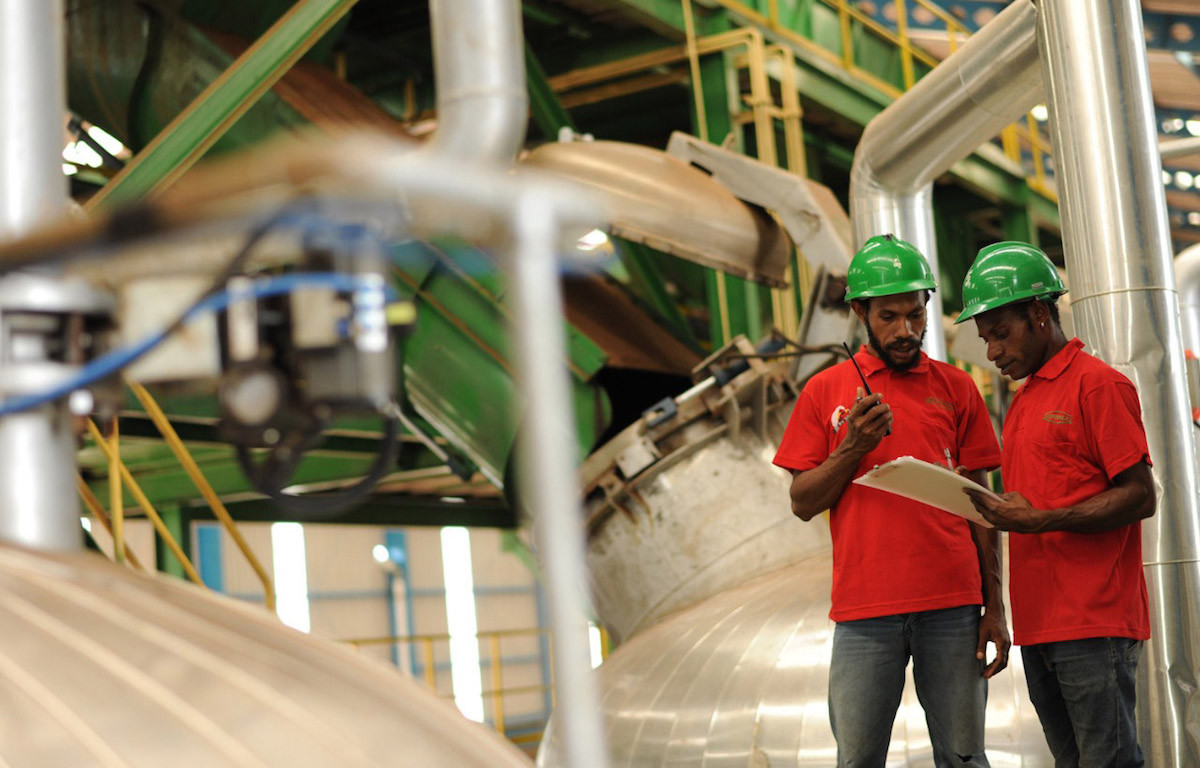
Establishing decentralized agricultural processing centers gives Papuan communities a powerful shield against supply chain disruptions. For example, regional storage facilities and localized sago processing plants maintain emergency grain and flour reserves directly within provincial borders. Therefore, local markets remain fully stocked even during extreme weather conditions or global market fluctuations.
Reinforcing regional food security delivers several direct benefits for national strength:
- Supply independence: First, expanding local crop production reduces vulnerability to international trade restrictions and price surges.
- Borderland stability: Second, thriving agricultural zones in border districts fortify territorial economic security and community prosperity.
- Nutritional security: Third, abundant local harvests prevent childhood malnutrition and support healthy, productive future generations.
- Civil-military synergy: Finally, joint agricultural programs between local farmers and security personnel ensure rapid disaster response capability.
Building these resilient food hubs instills deep security among rural and urban households alike. Local populations, as a result, actively contribute to a self-sufficient, stable, and strong nation.
Fostering Community Stewardship and Agricultural Defense
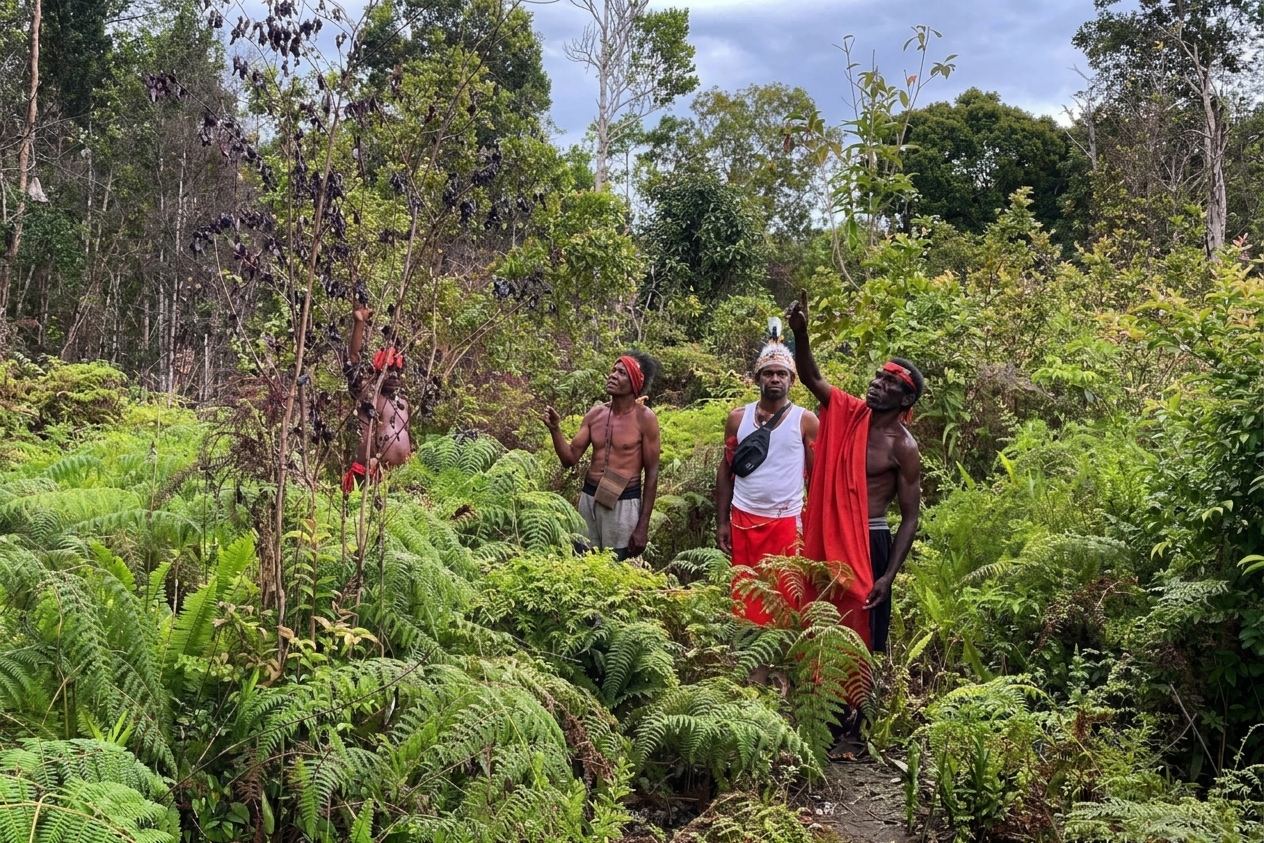
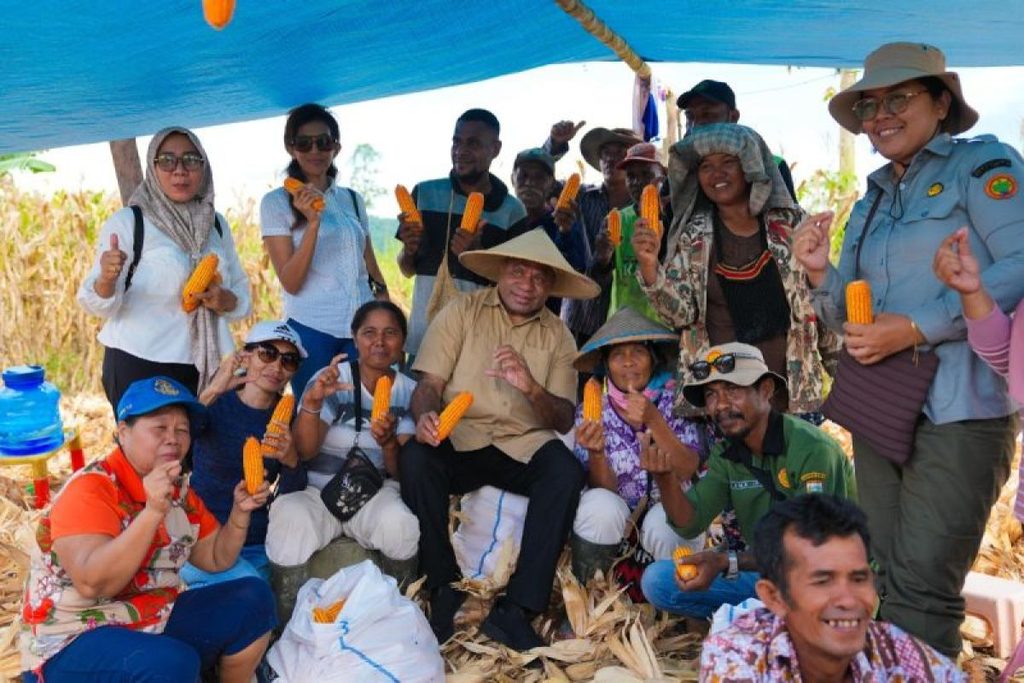
Empowering local growers to protect and cultivate their ancestral lands reinforces national territorial integrity. In addition, rural farming cooperatives act as active stewards of regional natural resources, preventing illegal land exploitation in remote areas. Specifically, young agricultural leaders utilize modern farming methods to transform unused plots into high-yielding food forests and vegetable gardens. Meanwhile, national policy frameworks support indigenous landholders with modern tools, certified seeds, and market guarantees.
Treating agricultural growth as a matter of national defense aligns local farming prosperity with sovereign security. Ultimately, food-secure border regions create a resilient, peaceful, and self-reliant republic.
👉 ALSO READ: Young Papuans Lead the New Agricultural Revolution
Addressing Concerns: Logistics and Price Stabilization
Maintaining consistent food pricing across isolated highland districts can sometimes pose operational challenges for regional authorities. Indeed, flying produce into mountain valleys creates high transport overheads that can inflate local market prices. Therefore, national economic planning must focus on building strategic regional cold-storage networks and supporting low-cost cargo transport links.
Fortunately, state-backed food stabilization programs and local agricultural cooperatives work together to guarantee fair baseline prices for smallholder growers. Furthermore, expanding local road connections between production valleys and town centers reduces reliance on expensive air transport. By establishing localized distribution loops, government agencies ensure that nutritious food remains affordable for every citizen.
What do official figures show?
In the National Food Agency’s 2026 Food Security Index, all 18 regencies rated “very vulnerable” in Indonesia are in Papua, and Highland Papua’s regencies average about 36 out of 100, against a national average of about 72. The subsidised Tol Laut sea route T-19 links Merauke, Fakfak, Sorong, Supiori and Jayapura, and in 2021 a single voyage carried 56 containers of Merauke rice, Antara reported.
Conclusion: Securing the Nation Through Agricultural Strength
Promoting food security as national resilience stands as a crucial national commitment for sustainable stability across eastern Indonesia. Most importantly, ensuring that every Papuan family has guaranteed access to locally grown food proves that national strength starts in the field. When local agricultural communities thrive, the entire country stands united, sovereign, and secure.
Over time, achieving complete food independence will secure a prosperous, peaceful, and resilient Papua for generations to come.