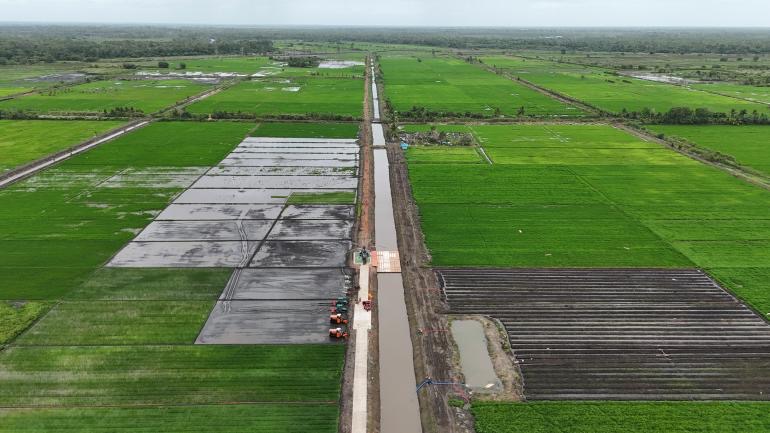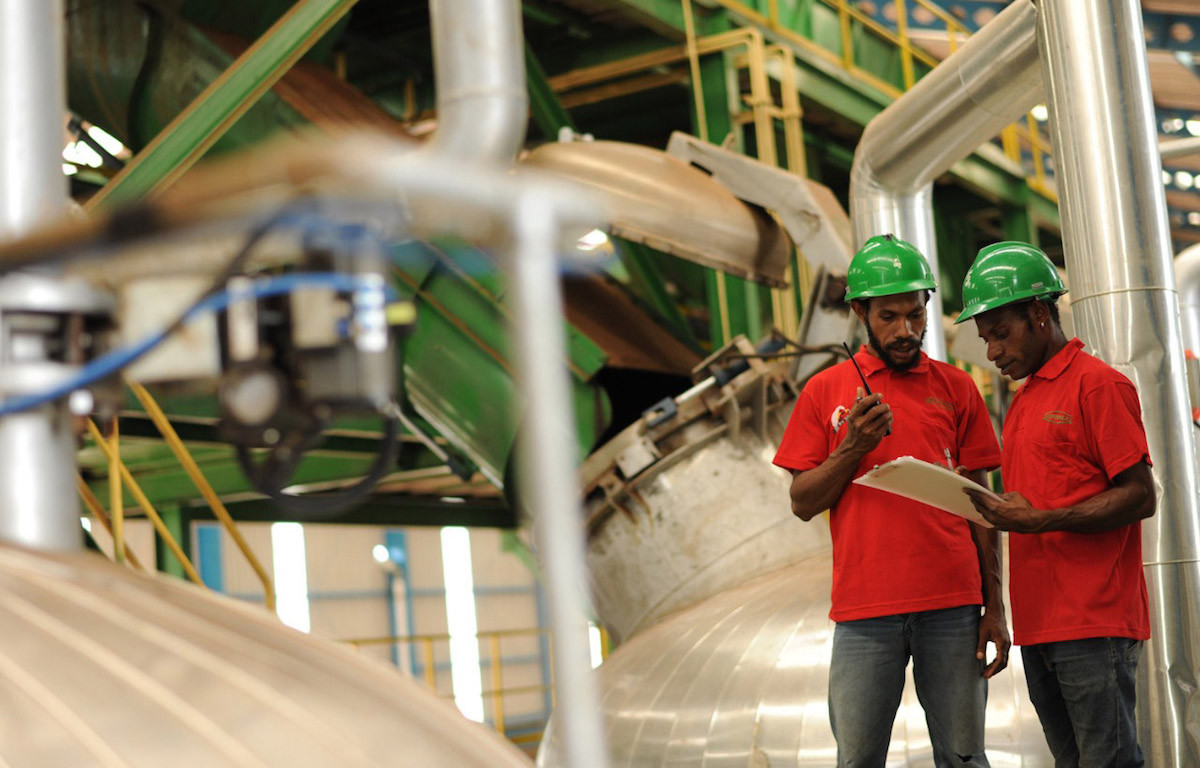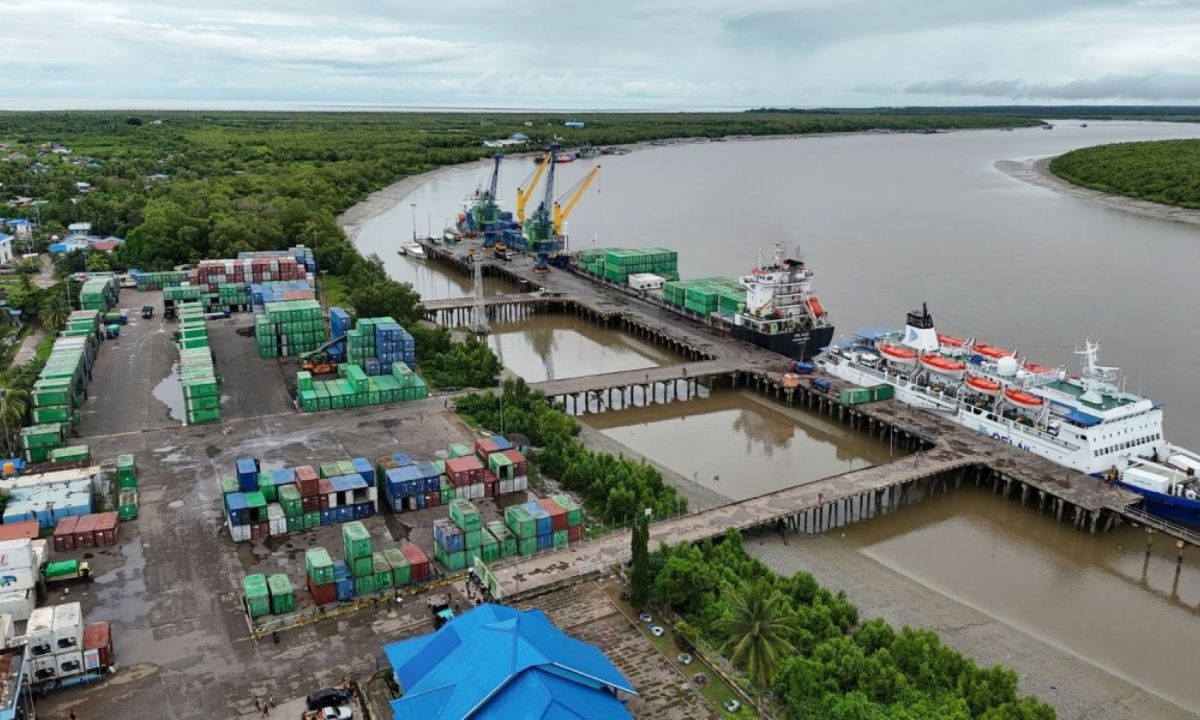
High freight costs and fragmented transport have long pushed up the price of everyday goods in Papua’s inland markets. Cold storage, logistics hubs and shared trucking cooperatives can cut those costs, keep fish, vegetables and fruit fresh on the way to distant buyers, and let rural producers keep a fairer share of the final price.
Why are everyday goods so expensive in inland Papua?
Transforming regional logistics systems is addressing the missing link in eastern Indonesia’s economic expansion. In fact, an abundant harvest or thriving local enterprise cannot achieve true financial success without reliable, cost-effective distribution channels. In the past, high freight charges and fragmented transport networks inflated the prices of daily goods across inland markets.
However, strategic logistics hubs, cold-storage networks, and integrated multimodal transport now connect rural producers directly with urban buyers. By streamlining supply chain routes, local agricultural and commercial co-ops significantly reduce post-harvest waste and transport delays. Consequently, efficient logistics lower living expenses and boost profit margins for native entrepreneurs. As a result, rural farming families gain equal commercial opportunities and lasting economic security.
Price data shows the cost of distance: the further a market is from the coast, the more households pay for the same staples.
| Price per kilogram, October 2026 | Medium rice | Branded cooking oil |
|---|---|---|
| Indonesia (national average) | Rp 16,650 | Rp 23,600 |
| Papua province (average) | Rp 19,550 | Rp 26,700 |
| Merauke (south coast port) | Rp 16,000 | – |
| Jayawijaya (inland highlands) | Rp 25,100 | Rp 31,600 |
How can better logistics help Papuan producers?
What do cold storage and logistics hubs do?
Developing cold-storage facilities and distribution centers helps local growers preserve perishable goods and reach distant markets. As Steve Mara discusses in Papua: The Heart of Indonesia–Pacific Food Resilience, stronger logistics infrastructure is essential for connecting production areas with markets. For instance, temperature-controlled storage can protect fresh fish, vegetables, and fruit during transport, helping maintain product quality and reduce losses.
Modernizing regional logistics delivers several direct benefits for local commerce:
- Cost reduction: First, multimodal transport networks lower freight expenses for basic commodities and agricultural supplies.
- Quality preservation: Second, cold-chain infrastructure preserves the freshness of local seafood and horticulture harvests for distant markets.
- Digital tracking: Third, smart logistics platforms allow rural cooperatives to track shipment schedules and manage inventory efficiently.
- Fair pricing: Finally, direct transport routes eliminate unnecessary middleman markups, ensuring fair earnings for native producers.
Building strong logistical connections instills deep commercial confidence among local business owners. Village producers, as a result, expand their output rapidly to supply national and international supply chains.
How can transport cooperatives cut shipping costs?
Connecting small rural transport operators into organized logistics cooperatives creates reliable, scheduled freight services across inland districts. In addition, mobile dispatch technology allows local truck drivers and cargo operators to optimize load capacity and fuel consumption. Specifically, rural coffee and cacao growers share cargo space in temperature-controlled trucks to ship goods efficiently to coastal ports. Meanwhile, digital management tools give village entrepreneurs real-time visibility over cargo arrivals and market demand shifts.
Modernizing fleet logistics turns remote location challenges into smooth commercial operations. Ultimately, seamless transport networks ensure that every native business owner benefits from regional economic integration.
👉 ALSO READ: Strategic Roads and Bridges Open Remote Papua
What makes freight in Papua difficult?
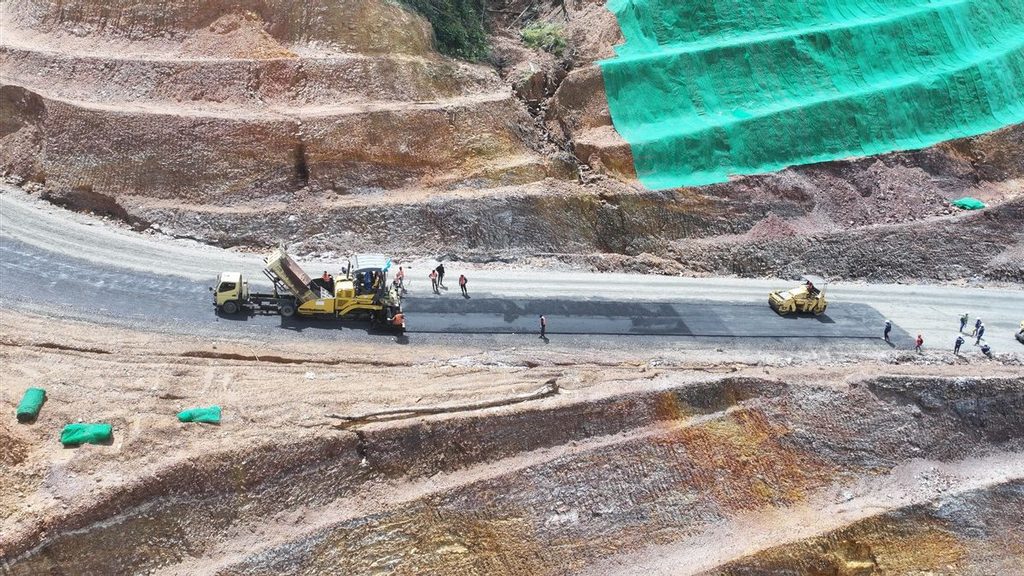
Navigating steep mountain passes, vast river basins, and unpredictable tropical weather creates ongoing operational challenges for logistics managers. Indeed, fuel price fluctuations and difficult terrain can increase vehicle maintenance costs and slow down delivery schedules. Therefore, regional government policies and private sector partners must support fuel price stabilization and build solar-powered charging infrastructure for transport hubs.
Fortunately, modern fleet telematics and durable, eco-friendly cargo transport options allow logistics operators to navigate difficult routes safely. Furthermore, regional training centers provide local youth with professional supply chain management and vehicle maintenance skills. By building resilient transport infrastructure and skilled human capital, local authorities guarantee continuous, cost-effective freight operations.
Conclusion: Connecting Local Supply to National Prosperity
Solving logistics bottlenecks stands as the ultimate key to unlocking Papua’s vast economic potential and regional prosperity. Most importantly, building seamless distribution channels proves that local products can compete successfully in national and global markets. When rural producers send their harvests safely and affordably across the country, the entire region grows stronger and more prosperous.
Over time, establishing modern, efficient logistics will ensure a connected, flourishing, and economically self-reliant Papua for generations to come.
Frequently Asked Questions
High freight charges and fragmented transport networks raise the cost of moving goods across Papua’s mountains and river basins. Those costs are passed on to buyers, inflating the price of everyday goods in inland markets, while producers lose part of their harvest to delays and spoilage.
Temperature-controlled storage and refrigerated transport keep fish, vegetables and fruit fresh on the way to distant buyers. Producers lose less of their catch or harvest and can sell in markets farther away, instead of selling quickly at low prices before goods spoil.
It is a group of small truck and cargo operators that pools vehicles and schedules. Members share cargo space, for example coffee and cocoa growers shipping together to coastal ports, and use dispatch apps to fill trucks and save fuel, which makes freight more regular and cheaper.
Steep mountain passes, wide river basins, unpredictable weather and changing fuel prices raise vehicle costs and slow deliveries. The article calls for fuel price stabilization, better vehicle tracking and training local young people in supply chain management and vehicle maintenance.