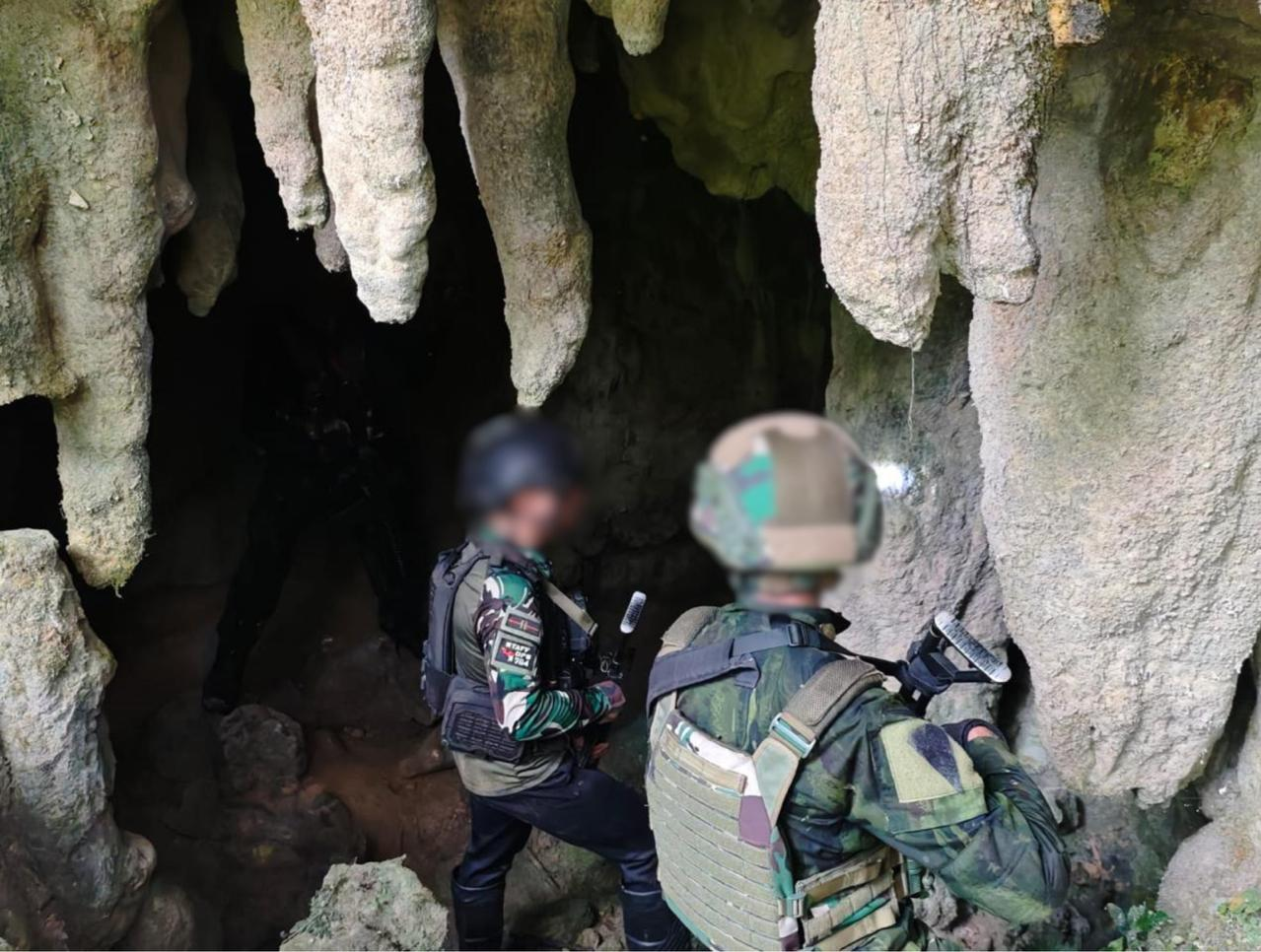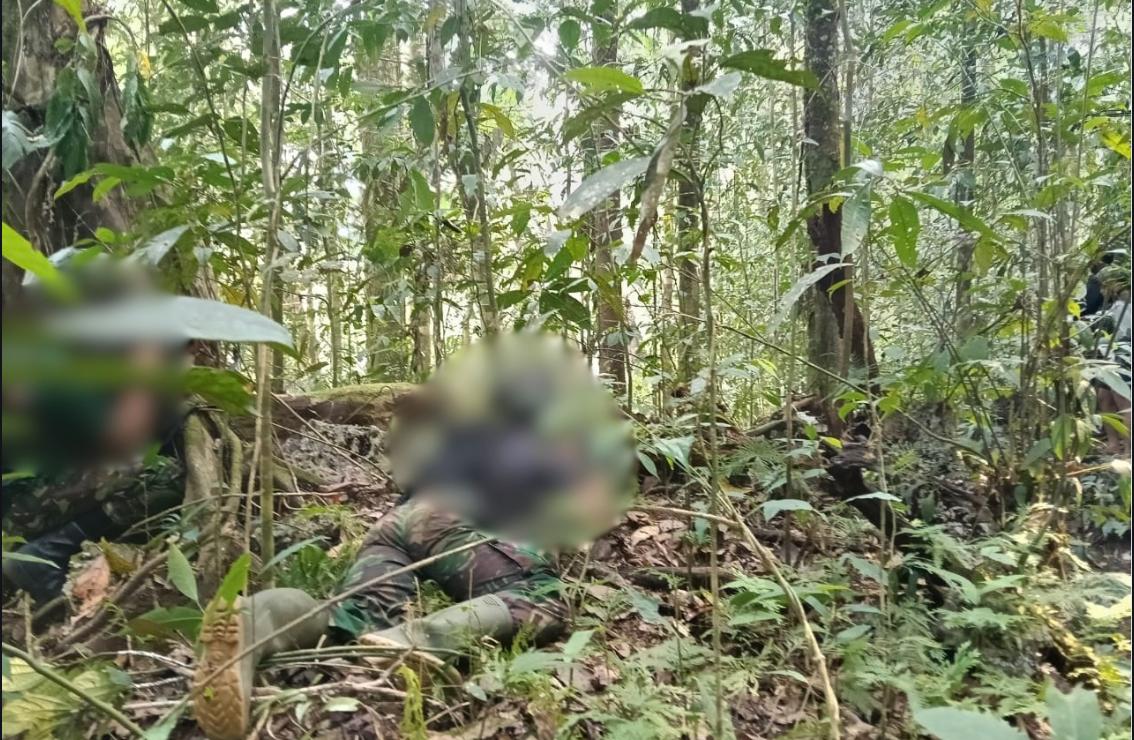
The aftermath of the jungle encounter between Indonesian security forces and armed groups in Maybrat, Southwest Papua.
A recent armed clash in Southwest Papua highlights an ongoing conflict. On October 9, 2026, Indonesian security forces engaged the Free Papua Movement (OPM). The military says the encounter in Maybrat Regency killed three rebels; Papua Movement could not independently verify this. The incident underscores persistent regional security challenges. These challenges run parallel to Indonesia’s infrastructure development efforts.
What the Military Reported
The Indonesian Military’s Habema Operations Command (Koops Habema) described the clash in a press release reported by the state news agency ANTARA and by Kompas. According to the command, the firefight began at around 9 a.m. local time near the Frambu River, north of Kamat Village in the Aifat Timur District. Kompas reported that troops from the Rajawali V task force and the 9th Marine Infantry Battalion task force were involved.
Lieutenant Colonel Wirya Arthadiguna, the command’s spokesperson, told Kompas that three members of the OPM’s Sorong Raya regional command (Kodap IV) were shot. According to the military, troops found one body at the scene and believe it is Manfred Fatem, the group’s operations commander. The military said two other men were swept away by the river and tentatively named them as Anton Fatem and Yesias Fatem; it said the search for them was continuing. Based on its preliminary report, the military said it suffered no casualties.
👉 ALSO READ: A Pragmatic Shift: How Grassroots Human Security Outflanked Political Agitation in Melanesia
Recovered Arsenal and Historical Context
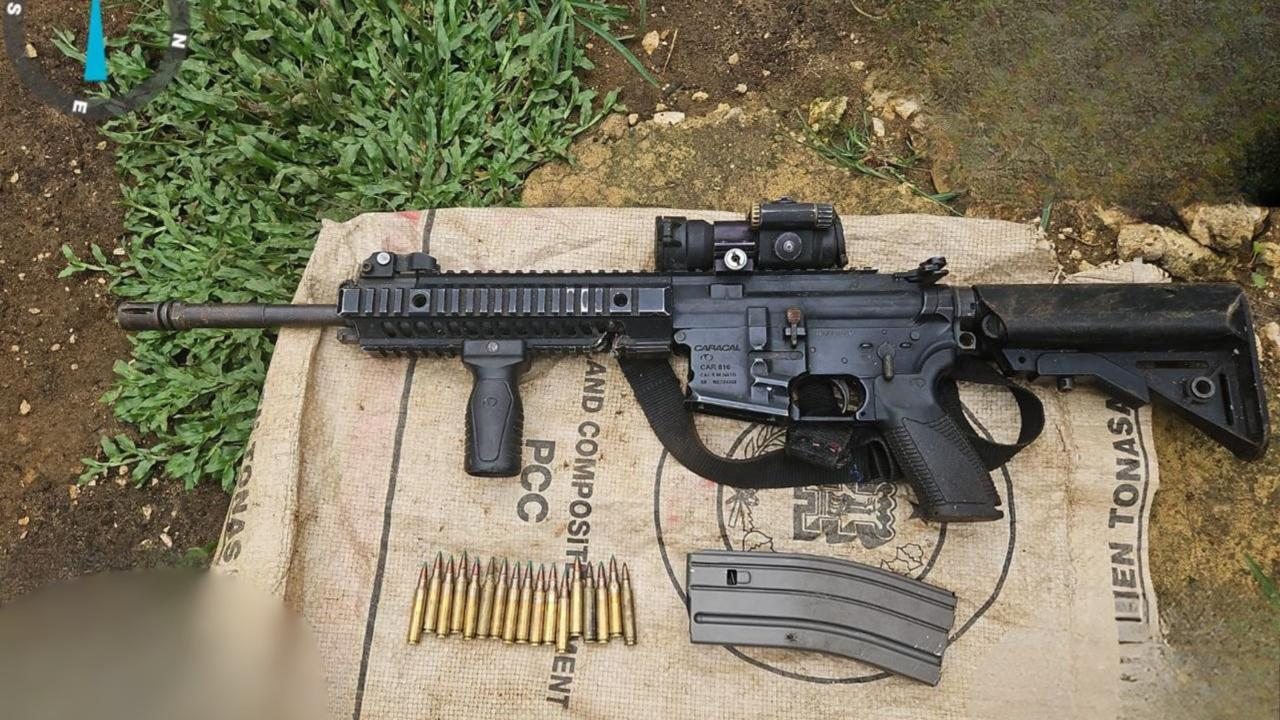
After the firefight, security forces secured the perimeter. Troops recovered significant military hardware at the site.
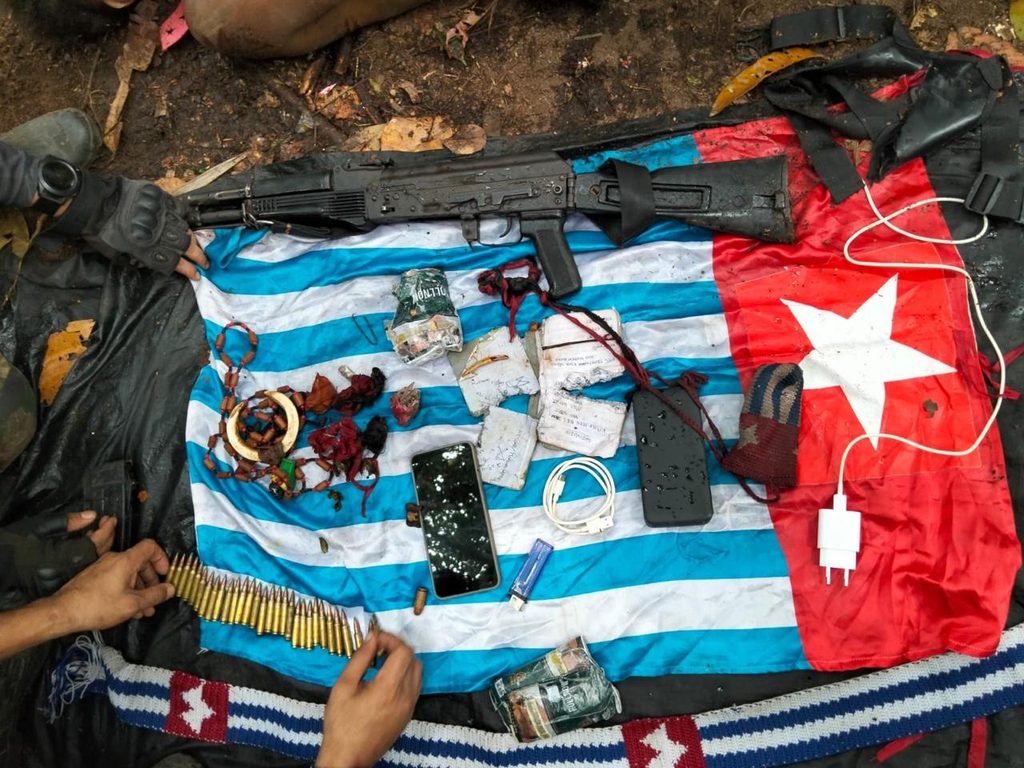
The military said troops recovered an AK-101 rifle, ammunition and communication devices after the clash.
According to the military’s account, the items included an AK-101 assault rifle, thirty rounds of ammunition, two mobile phones and internal documents found on top of a Morning Star flag. The military also said a soldier lost a firearm in the river during the clash.
Regional security analysts frequently monitor Pacific affairs. Institutions like the Lowy Institute note high OPM activity in Sorong Raya. The Indonesian military links this specific group to previous regional disruptions. This includes a deadly ambush in Kampung Sorry. That earlier attack killed two Indonesian Marines. The attackers also stole military-issue firearms during that ambush.
Claims Papua Movement could not verify
Papua Movement could not independently verify the military’s account, including the identities of the dead and the two men it says were swept away. The report does not include comment from the West Papua National Liberation Army (TPNPB), the OPM’s armed wing, or from the men’s families. Press freedom groups say Indonesia restricts foreign journalists from reporting freely in Papua, which makes independent checks on claims from either side difficult. Statements attributed to TPNPB spokesperson Sebby Sambom that circulated on social media after the clash gave a different account; Papua Movement could not find them in a credible published source and has not relied on them.
Indonesia’s Stated Regional Objectives
The Indonesian military maintains a strict operational posture in Papua, which it says aims to restore public order. Brigadier General Riyanto, who commands Koops Habema, told Kompas that “all security operations were carried out selectively, proportionately and professionally, in line with the law and the applicable rules of engagement, while prioritising public safety.”
The official statement outlines a broader ultimate goal. Security measures extend beyond merely neutralizing armed threats. The military asserts the need for a stable environment. Stability allows public services and economic development to resume safely.
Jakarta continues to push a two-pronged strategy in Maybrat. The government pairs decisive security enforcement with territorial development. This approach aims to stabilize the resource-rich region.
Sources: Koops TNI Habema press release, as reported by ANTARA (9 October 2026) and Kompas (9 October 2026). Quotes from Indonesian-language reports were translated by Papua Movement.