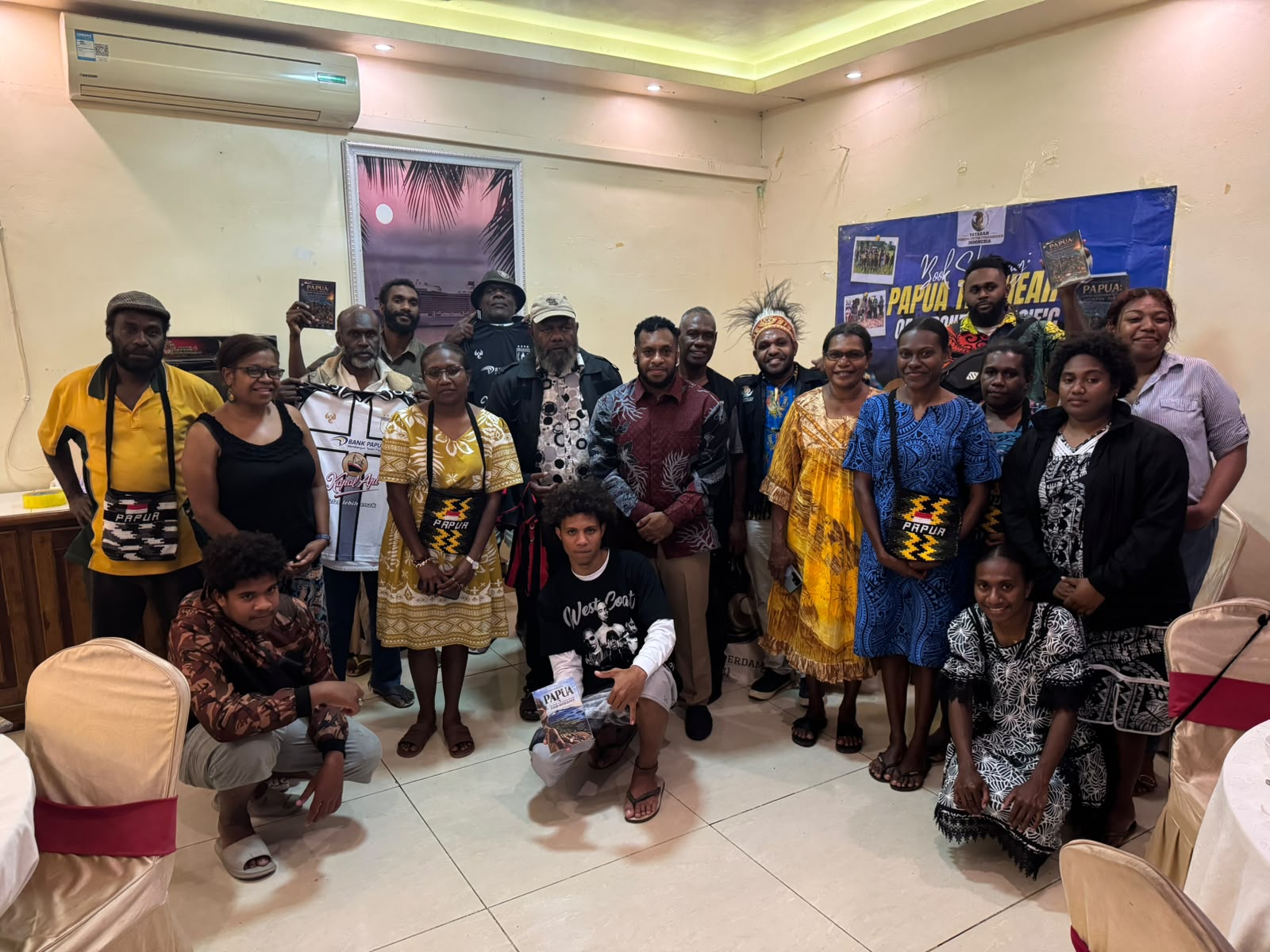
Developing a regional food hub in Papua offers practical answers to Pacific isolation. Civil society leaders, youth groups, and policy analysts recently met in Port Vila to debate this strategy. They reviewed policy frameworks from the research document Papua: The Heart of Indonesia–Pacific Food Resilience. The session exposed how direct trade corridors can resolve chronic food deficits across Melanesia.
For decades, Pacific island states have suffered severe climate shocks. Cyclones, droughts, and rising sea levels disrupt farming every year. In addition, fragile shipping lanes cause price spikes and food shortages. Small island states lack enough land to grow staple crops. Conversely, neighboring Papua has fertile soil and expanding transport infrastructure. Port Vila discussions showed a pragmatic shift away from political rhetoric toward mutual survival.
Core Pillars of the Food Strategy
Mobilizing Resilient Agro-Systems for Regional Security
Island nations face high risks from expensive food imports. According to the Food and Agriculture Organization, import reliance leaves remote islands exposed to global market volatility. Pacific communities urgently require staple crops that withstand extreme weather events.
Under the framework evaluated by the Papua Movement, key indigenous food staples anchor regional stability:
- Sago Forest Reserves: Lowland sago palms survive severe storms and floods. They provide an immediate caloric reserve during food emergencies.
- Resilient Tuber Crops: Native sweet potato, cassava, and taro grow reliably across diverse elevations. They sustain steady harvests during prolonged droughts.
- Fisheries and Marine Hubs: Developing processing plants near coastal waters secures fresh protein. This strategy protects local fisheries from distant foreign fleets.
- Agroforestry Belts: Shaded tree farms shield native rainforests. They also deliver steady cash harvests for rural indigenous families.
Land area alone does not guarantee food resilience. Sustainable success requires integrated commercial supply lines. Developing cold-storage warehouses, local processing units, and direct sea routes will turn harvests into regional assets.
👉 ALSO READ: Papua Movement: Bringing Papuan MSME Products to National Markets
How Trade Logistics Strengthens Regional Resilience
Forum participants in Port Vila reviewed verified infrastructure data from across Papua. They examined modern seaport terminals, arterial highways, and agricultural processing zones. These metrics offered fresh clarity and challenged outdated claims about regional stagnation.
Direct food logistics serves as effective economic diplomacy across Oceania. Political agitation cannot feed isolated island communities. Aligning mutual interests with policies from regional bodies strengthens collective resilience. Concrete programs—such as shared grain reserves, agronomic training, and joint sea routes—solve critical structural problems. Attendees in Port Vila recognized that reliable trade alliances provide genuine protection against global supply shocks.
Protecting Customary Land and Local Sovereignty
Delegates examined environmental protection and indigenous rights within large agricultural schemes. Poorly planned industrial farming can damage biodiversity and displace local populations.
Agro-industrial growth must respect customary land tenure and local community consent. Sustainable food corridors must enrich native landowners rather than marginalize them. Modern supply systems should combine green farming standards with local equity. When indigenous farmers retain direct control, regional trade networks remain strong and sustainable.
Conclusion: Lasting Partnerships Across the Pacific
The Port Vila meeting proves that public consciousness is shifting across the region. Ideological posturing is losing ground to urgent needs for food security, climate adaptation, and economic trade.
As documented by the Papua Movement, Papua naturally serves as a reliable agricultural supplier for its Pacific neighbors. Replacing political friction with cold economic logic and vital supply alliances builds durable regional stability.