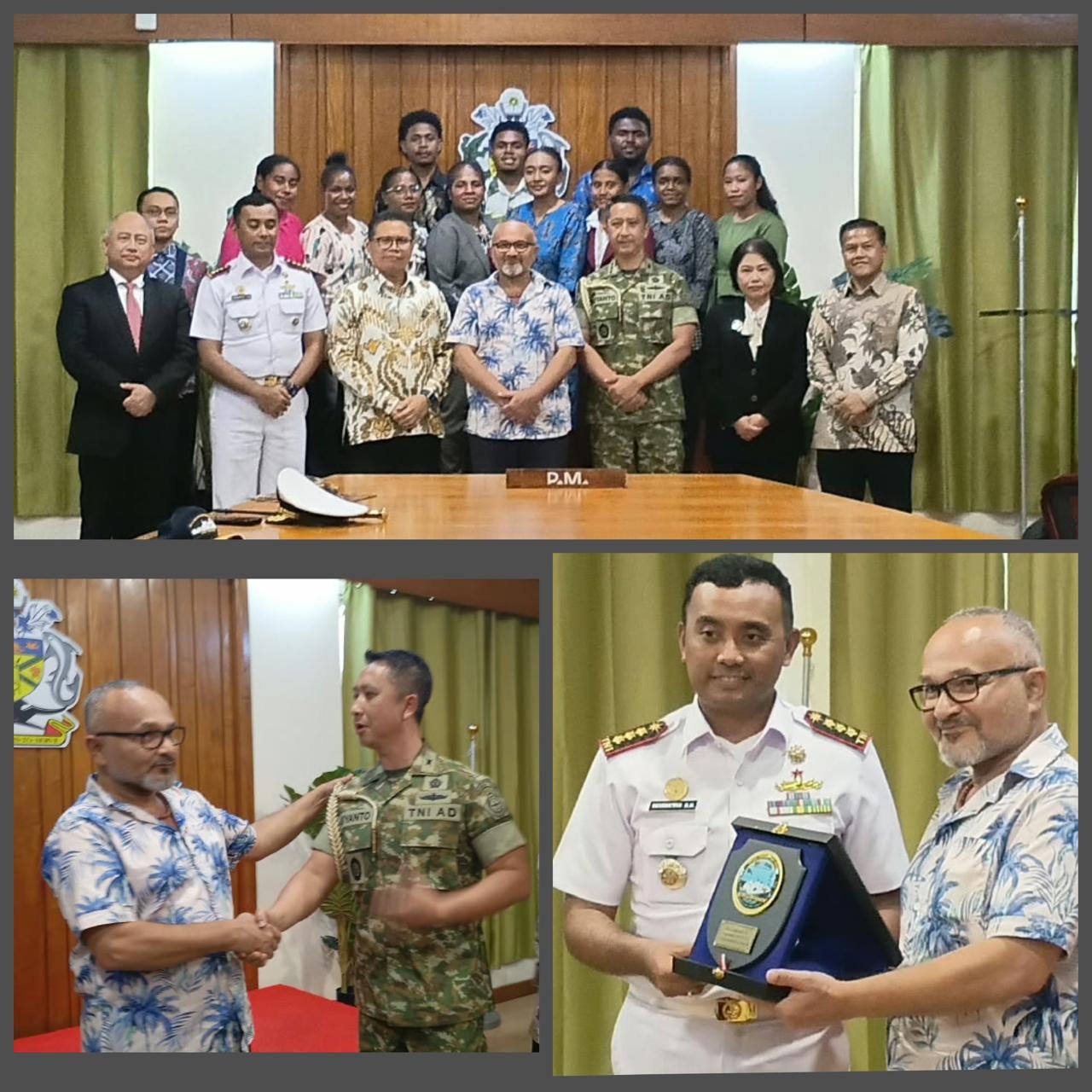
This article argues that development in remote Papua moves faster when local residents, the regional government and the military work together, for example on village roads, clinic repairs, clean water systems and disaster response. It stresses that the civilian government should lead and control the budgets, with open consultation of customary leaders and public reporting.
Uniting Strengths for Shared Regional Growth
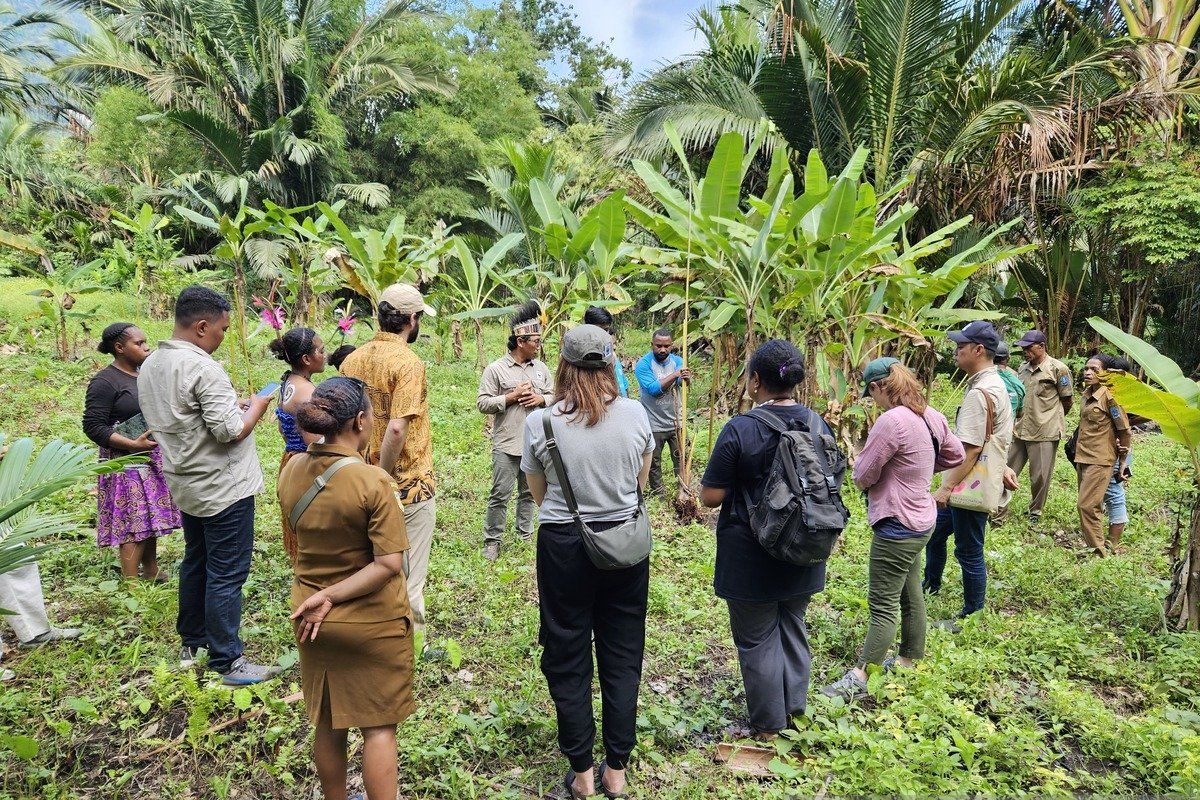
Active collaboration between local residents, regional authorities, and military personnel is opening vibrant pathways toward true self-reliance. In fact, building long-term prosperity across remote eastern districts requires a unified effort from every level of society. In the past, developmental projects often operated in isolated silos without proper coordination.
However, strong multi-stakeholder partnerships now allow civilian teams and security personnel to work side-by-side with village leaders. By combining administrative budgets, military logistics, and indigenous knowledge, local communities achieve faster developmental results. Consequently, this shared commitment builds deep trust and strengthens public safety across all highland and coastal regions. As a result, rural families enjoy reliable infrastructure, better social care, and expanding economic chances.
Key Pillars of Regional Synergy
Combining Resources for Rapid Community Development
Working together allows local government agencies and military units to deliver essential services far more efficiently. For example, joint civil-military teams routinely construct rural access roads, renovate medical clinics, and build clean water systems in isolated villages. Therefore, rural residents gain instant access to vital public facilities without waiting for prolonged procurement delays.
This three-way partnership provides several direct advantages for rural development:
- Fast infrastructure: First, military engineering units help build crucial bridges and mountain roads in record time.
- Improved security: Second, joint presence protects peaceful village markets and allows local trade to flourish safely.
- Disaster relief: Third, unified emergency teams respond immediately during landslides or severe flooding events.
- Community trust: Finally, daily social work fosters warm relationships between local citizens and state officers.
Building these strong cooperative bonds creates a safe and stable environment for sustainable growth. Local residents, as a result, feel deeply supported and active in driving their own community’s progress.
Empowering Local Voices in Decision Making
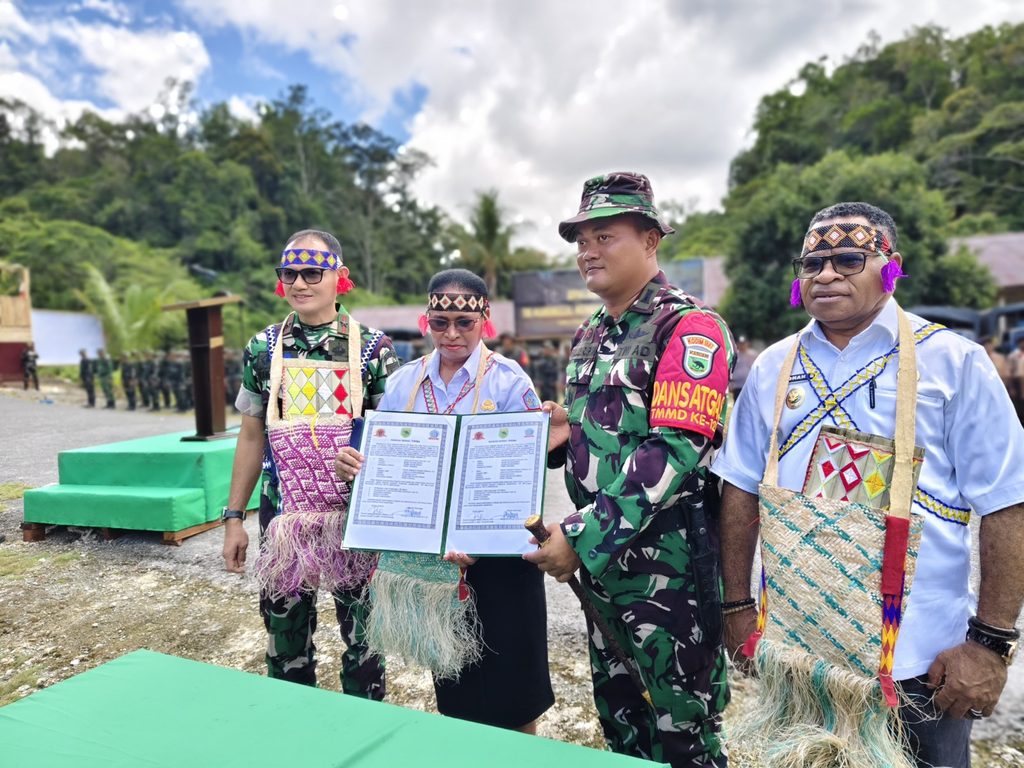
Ensuring sustainable regional progress requires listening closely to native tribal leaders and village councils. In addition, local government officials now regularly host open community forums before launching major development projects. Specifically, civilian leaders consult tribal elders to ensure that new infrastructure respects customary land rights and sacred cultural sites. Meanwhile, military officers assist in logistical planning while honoring local customs and traditional decision-making processes.
Giving indigenous voices equal weight in regional planning prevents misunderstandings and fosters genuine ownership. Ultimately, this inclusive process transforms rural citizens from passive observers into active partners in their own development.
👉 ALSO READ: Young Generations and Indigenous Communities Guard Papuan Forests
Addressing Concerns: Maintaining Transparency and Trust
Collaborative civil-military projects can sometimes raise valid questions regarding administrative boundaries and authority. Indeed, public infrastructure and civilian social welfare must always align with local democratic governance. Therefore, regional government leaders remain the official coordinators of all public development budgets and strategic goals.
Fortunately, clear joint operational guidelines keep every project transparent, ethical, and fully aligned with civilian law. Furthermore, regular public reports allow village councils to review project timelines and financial resource allocations. By maintaining complete transparency and mutual respect, all partners ensure that collective efforts deliver maximum benefit to local residents.
What do official figures show?
In April 2026 the army’s regional command signed a construction agreement for new rice fields in Merauke with a target of 50,000 hectares, Disway Papua Selatan reported. In September 2025, a Merauke clan head told the Constitutional Court that a national food project had cleared forests and swamps his community relied on without proper dialogue.
Conclusion: Building a Self-Reliant Papua
Achieving sustainable regional independence stands as the ultimate goal for communities across eastern Indonesia. Most importantly, combining the unique strengths of the public, regional leaders, and military forces proves that shared challenges can be overcome through unity. When every sector works together with trust and purpose, rural villages thrive and regional economies grow resilient.
Over time, this unified dedication will build a vibrant, self-reliant, and flourishing Papua for generations to come.