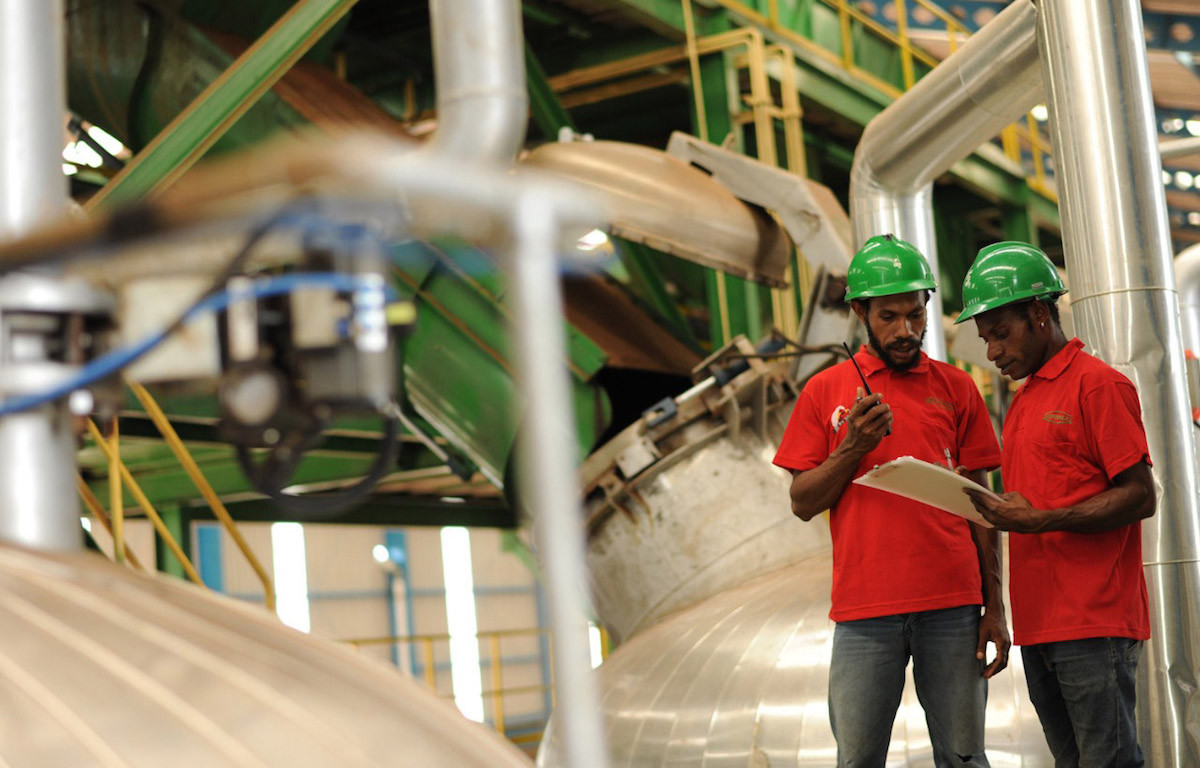
Young inventors in Papua are building simple, locally repairable machines, such as solar food dryers, low-cost fish processors and water filters, from materials available in their villages. Government business incubators can help turn these prototypes into companies with mentoring, workshop space, seed funding and early public purchase orders.
Innovation Serving Local Needs
Grassroots innovation created by young local entrepreneurs is building exciting new economic momentum. In fact, smart youths are inventing practical, appropriate technologies to solve everyday challenges faced by rural communities. In the past, remote villages often relied heavily on expensive imported equipment that was difficult to repair locally.
However, creative young builders now design simple, effective machinery using accessible materials from their own environment. By creating local solutions for crop processing, clean energy, and small-scale manufacturing, these young inventors empower local trade directly. Consequently, this grassroots energy transforms remote villages into self-reliant production centers. As a result, local households enjoy higher productivity and improved daily earnings.
Key Pillars of Grassroots Innovation
Developing Practical Solutions for Community Growth
Creating practical technology gives local Papuan businesses a huge advantage in daily operations. For example, young engineers build solar food dryers, low-cost fish processing machines, and water filtration tools specifically tailored to village life. Therefore, small sellers can process raw agricultural goods into higher-value products right in their hometowns.
These youth-led technical inventions provide several direct benefits to the community. First, appropriate machines drastically reduce manual labor and cut processing time for local harvests. In addition, using locally designed tools lowers repair costs because spare parts are easily available nearby. Furthermore, value-added processing allows farmers to sell packaged goods at much higher profit margins. Finally, young inventors create new technical jobs for local youth who help build and service these machines.
Developing these practical inventions builds strong technical confidence among young builders. Local innovators, as a result, become vital leaders who actively solve community problems through smart engineering.
Connecting Youth Innovation with Business Incubation
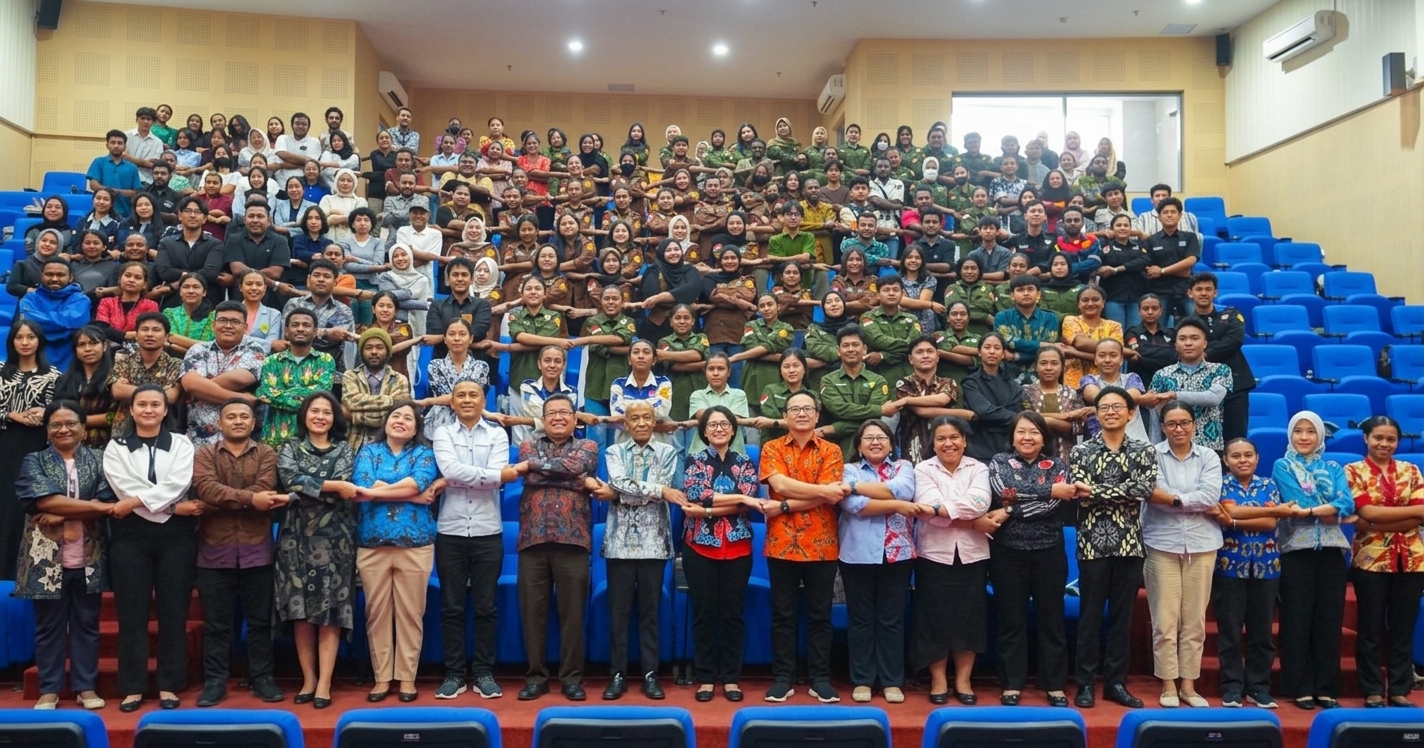
Creative inventions achieve maximum economic impact when paired with structured business support. Specifically, regional government incubation programs now actively invite young inventors to refine their commercial strategies. In addition, experienced mentors teach young builders how to manage budgets, register official patents, and market their products effectively. Meanwhile, official incubation centers provide shared workshop space, modern prototyping tools, and direct seed funding.
Linking local grassroots innovation with official government incubation bridges the gap between creative prototypes and sustainable commercial products. Ultimately, this strong partnership ensures that promising inventions turn into scalable, profitable local companies.
👉 ALSO READ: Sustainable Farming Builds Long Term Food Security in Papua
Addressing Concerns: Access to Capital and Scaling
Transforming a working prototype into a mass-market product presents real financial challenges for young creators. Indeed, many talented inventors lack the initial startup money needed to build professional production lines. Therefore, regional government offices and financial partners must provide accessible micro-loans and grant programs.
Fortunately, public incubation centers actively connect promising youth startups with venture mentors and local development funds. Furthermore, local government agencies can prioritize buying locally invented machines for public agricultural projects. By securing stable early orders and reliable financial backing, young entrepreneurs can safely scale up their manufacturing operations.
What do official figures show?
In Manokwari, the vegetable shop Anggi Mart sold produce from Arfak Mountains farmers online during the pandemic, when buyers avoided crowded markets, Antara reported. Bank Indonesia counted 230,446 QRIS merchants in its Papua working area in early 2025, more than half of them in Jayapura, Jubi reported.
Conclusion: Fueling Regional Growth Through Innovation
Grassroots innovation serves as a powerful engine for long-term regional economic independence. Most importantly, youth-led technical solutions prove that local ingenuity can solve complex development challenges from the ground up. When young Papuan inventors build successful businesses around their inventions, they inspire the entire region to embrace creative problem-solving.
Over time, combining youthful creativity with official business incubation will build a modern, resilient, and prosperous Papua.