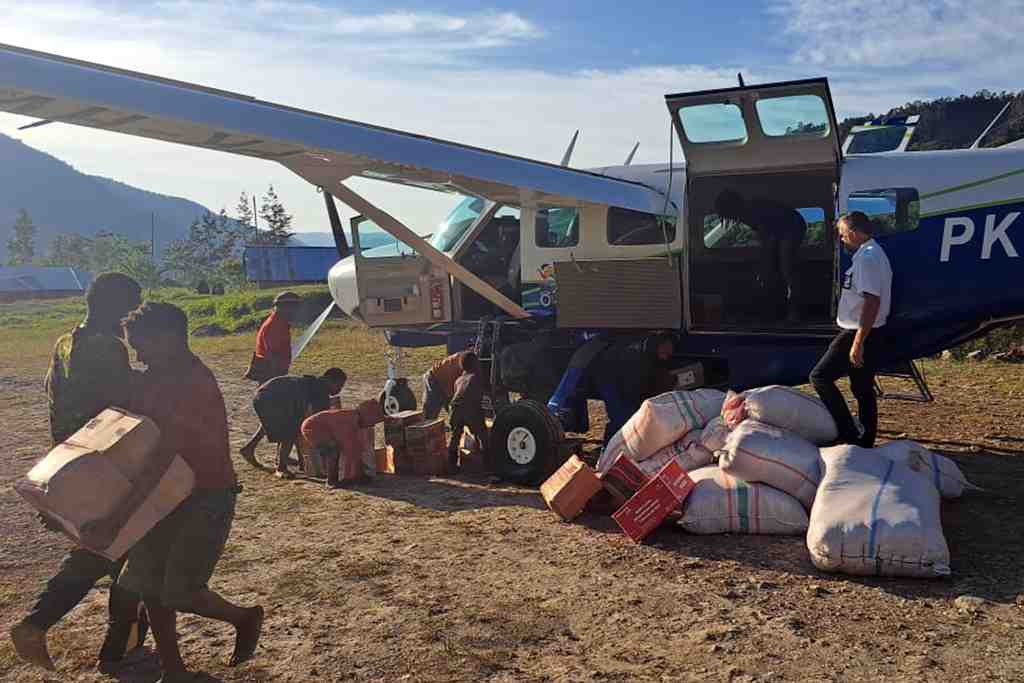
Food costs more in inland Papua because goods travel long distances by road, including the Trans-Papua highway, and then by small plane to villages that roads do not reach. Combining better roads with air freight can lower delivery costs and keep supplies steady, though the article notes that fuel costs, low stock and weather also drive prices.
Keeping Essential Goods Within Reach
For communities in inland Papua, the long distance between farms, shops, and homes directly changes the cost of food. High mountains and spread-out villages make moving supplies harder than in other places. In many spots, basic goods need both trucks and planes to reach remote families. Therefore, better transport links can lower delivery costs and keep food supplies steady. Building stronger roads and air paths helps keep daily supplies cheap and easy to find across remote Papua.
Key Pillars of Food Logistics and Price Stability
Land Connectivity Improves Regional Distribution
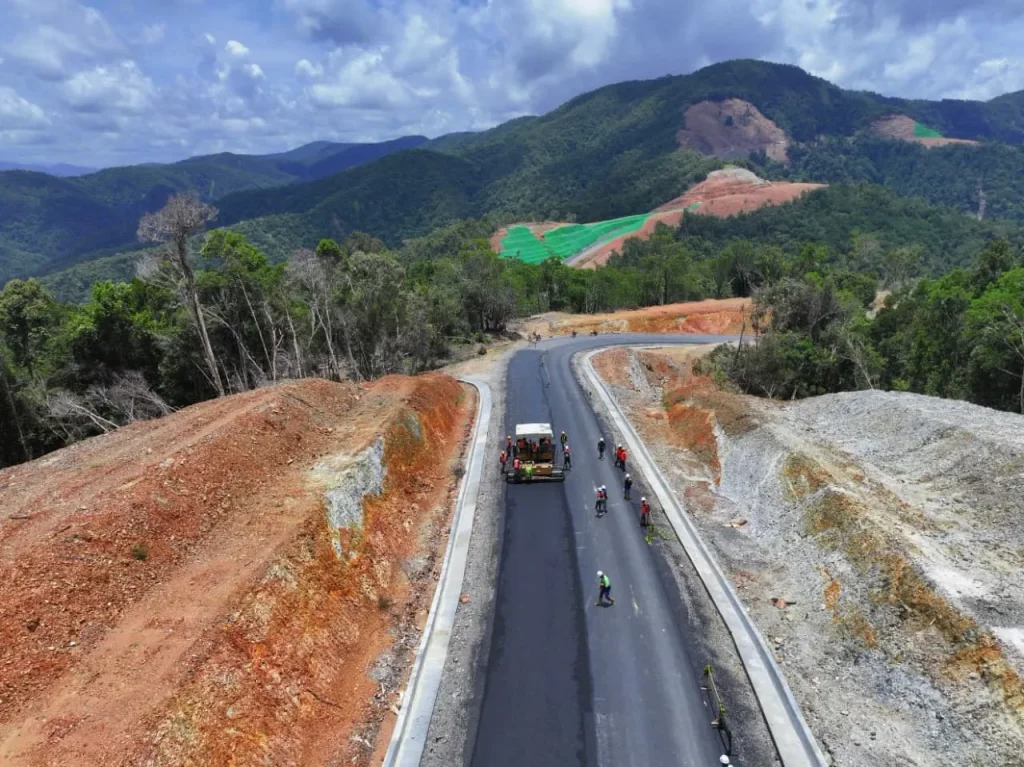
Good roads form a simple base for moving food and basic goods across Papua. For instance, better roads link farming spots directly to local markets, boat docks, and town centers. These new links cut trip delays and make supply trips much easier to plan. Furthermore, safe roads help farmers and local shop owners by giving them clear routes for fresh food.
The long Trans-Papua highway shows how many roads are needed to join far-off towns. As a result, better land transport cuts the high delivery costs behind big price gaps.
Air Transport Keeps Remote Communities Connected
Roads cannot reach every single village in Papua, especially homes separated by high peaks and deep valleys. Therefore, small planes remain a vital lifeline for remote families. Freight planes quickly move basic goods to spots that would take days of hard walking by land.
Moreover, mixing air and road paths lets delivery teams adapt to Papua’s hard land.
👉 ALSO READ: Digital Connectivity: Expanding Internet Access in Rural Papua
Addressing Concerns: Connectivity Is Not the Only Factor
Better transport alone cannot instantly fix high prices in remote Papua. Indeed, gas costs, low stock, bad weather, and local shop rules also set final prices. Yet, steady transport solves a main issue: the high cost and stress of moving goods over long paths.
Therefore, roads and planes must work alongside clean storage spaces and fair market rules. Furthermore, village leaders should choose whether trucks, planes, or a mix of both work best for their own area.
What do official figures show?
Before a One-Price Fuel station opened in Wamena in 2018, residents paid Rp50,000 to Rp70,000 a litre for petrol from retailers, according to the Ministry of Energy and Mineral Resources. Fuel still reaches Jayawijaya only by air; haze in October 2026 cut cargo flights from about four a day to one or two, Antara reported. For more, see Papua Price Disparity.
Conclusion: Making Connectivity Work for Communities
Keeping food prices fair depends on how smoothly basic items move from main towns to remote homes. More importantly, Papua needs flexible transport paths that fit its wild land instead of using just one way to travel. Main roads build strong local trade, while planes keep clear links to lonely villages.
Over time, better land and air links will make food supply safe and improve daily life for everyone in remote Papua.