Local government training helps Papuan small businesses selling coffee, sago, wild honey, herbal products and handicrafts improve packaging and obtain halal, BPOM and P-IRT certification so they can sell in national stores and online. The article notes that training alone is not enough without affordable shipping, access to capital and ongoing mentoring.
Why do Papuan small businesses struggle to sell nationally?
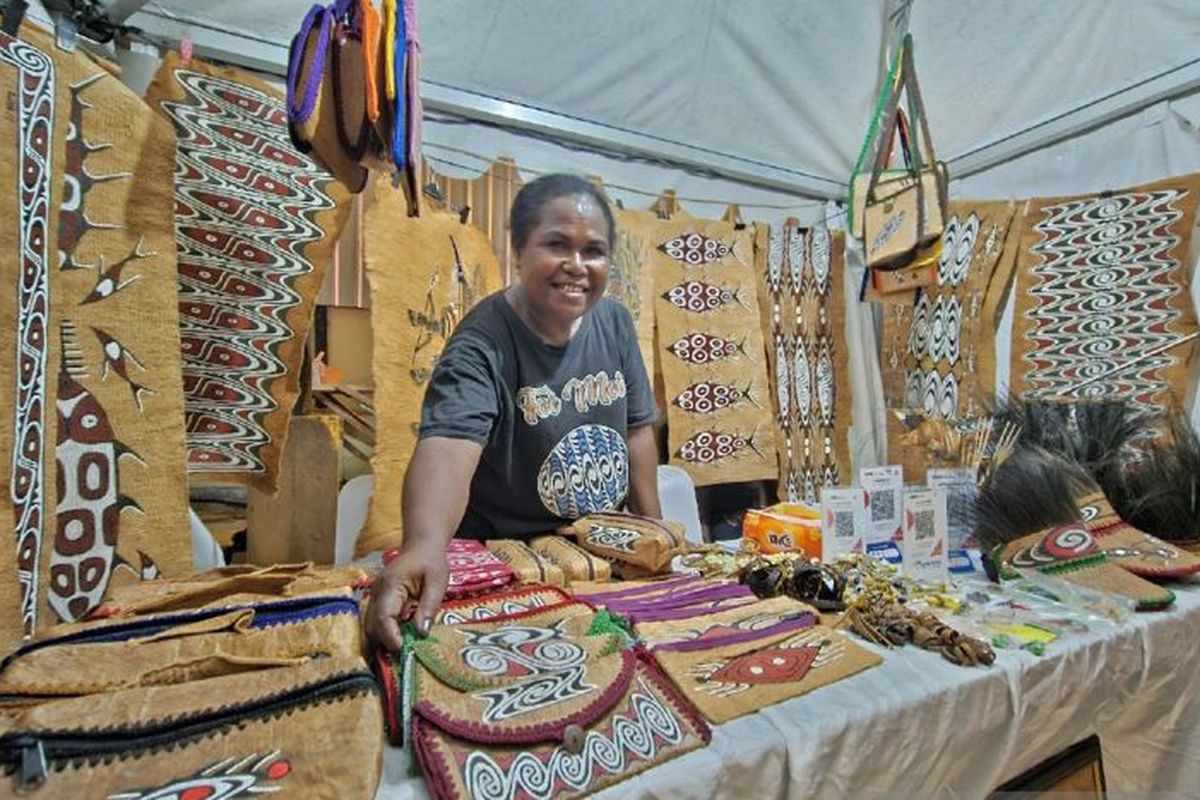
Papua is rich in authentic local products. Processed foods, organic coffee, natural herbal remedies, and traditional handicrafts all reflect its natural resources and indigenous culture. Yet many Papuan micro, small, and medium enterprises (MSMEs) have historically struggled to break into markets beyond their immediate region. The problem is rarely product quality. It’s usually gaps in packaging, certification, branding, and business administration.
To close that gap, local government training programs give Papuan entrepreneurs practical tools. These tools help turn raw local goods into competitive consumer products. Equipping business owners with practical skills and direct market exposure opens up opportunities well beyond their home communities.
Official records show how small Papua’s share of Indonesia’s small businesses still is.
| Province | Registered MSMEs (31 October 2025) |
|---|---|
| West Java (highest in Indonesia) | 5.4 million |
| East Java | 4.58 million |
| Central Java | 4.45 million |
| Papua | 64,761 |
| Central Papua | 17,258 |
| South Papua | 13,281 |
| Indonesia (all provinces) | 30.19 million |
What do Papuan MSMEs need to grow?
What does MSME training in Papua cover?
Local government training gives Papuan MSMEs the knowledge needed to meet national standards. Workshops cover the full arc of business development: hygienic food processing, eco-friendly packaging, legal certification, financial management, and e-commerce marketing. This helps entrepreneurs meet strict consumer expectations. At the same time, it keeps the authentic character of their products intact.
Supporting local MSMEs delivers clear benefits for regional growth:
- Standardized Packaging and Quality Control — Modern sealing and packaging extends shelf life. Perishable Papuan foods can travel long distances safely.
- Legal and Health Certifications — Producers who secure halal, BPOM, and P-IRT certification build consumer trust in national retail networks.
- Financial and Digital Literacy — Digital bookkeeping and online payment training streamlines day-to-day business management.
- Scalable Production Capacity — Stronger operational skills let workshops handle larger, more consistent supply orders as demand grows.
With this kind of skill development, Papuan business owners can scale up with confidence. They move from informal home industries to structured commercial enterprises.
👉 ALSO READ: How Papua Farmers Reach Local Markets: Roads, Storage and New Sellers
How can Papuan products reach national buyers?
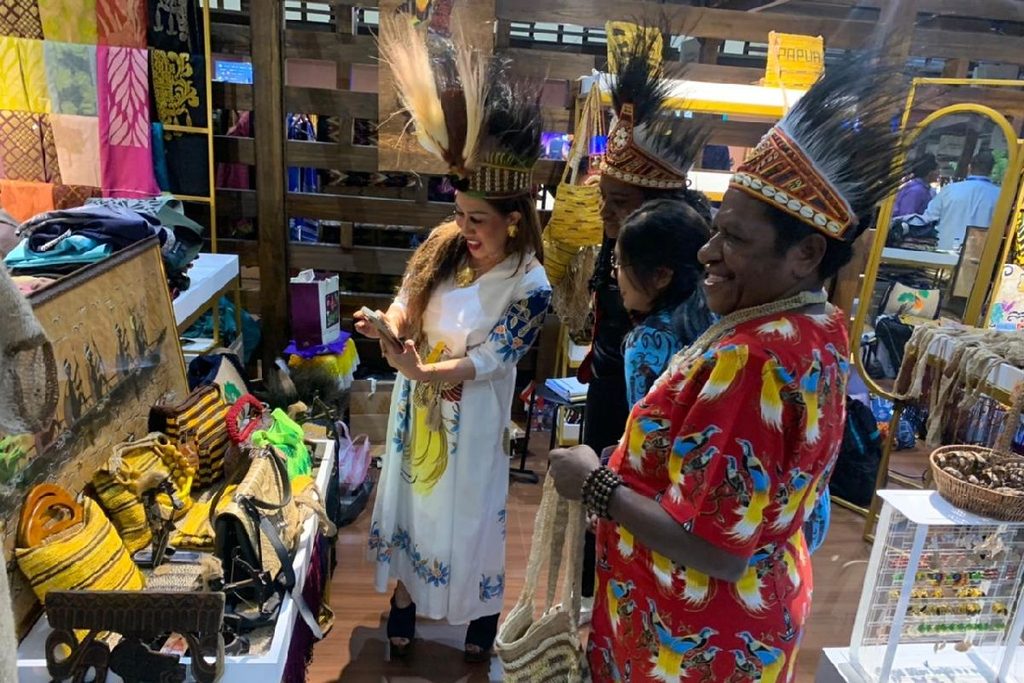
Product development has far more impact when business owners also gain direct access to new customers. Effective MSME strategies need to actively link Papuan entrepreneurs with national trade exhibitions, retail chains, wholesale distributors, and digital marketplaces. Regional products like organic sago, wild forest honey, specialty Papua coffee, and woven crafts gain real commercial exposure through these channels.
Structured commercial corridors connect local producers with corporate buyers and national retail outlets. Greater market visibility gives entrepreneurs reason to boost production. It also encourages them to buy more raw materials from local farmers and create jobs in their own neighborhoods. A single coffee cooperative gaining a national retail listing can ripple outward. It pulls in more smallholder growers, local packagers, and delivery drivers as demand grows. Over the long run, linking small businesses into national supply chains sustains economic activity across Papuan communities.
Is training enough for Papuan small businesses?
Critics rightly point out that workshops alone can’t guarantee national success for every small business. Training has to be paired with accessible capital, affordable shipping logistics, direct distribution channels, and steady market demand. Without those pieces in place, even a well-packaged product can stall before it reaches a national buyer.
Even so, ongoing skill development is the baseline everything else depends on. Practical training becomes far more powerful when it connects with micro-financing schemes, logistics subsidies, and established retail partnerships. Mentorship matters too: entrepreneurs who get guidance after their initial training tend to sustain quality more consistently than those left to apply new skills alone. Sustainable development moves beyond one-off training sessions. It builds a lasting support system for business growth.
Conclusion: Growing Papua’s Local Business Potential
Authentic Papuan products have real commercial potential. They can reach consumers far beyond their places of origin. Empowering small business owners lets local communities turn cultural heritage and natural resources into prosperous, self-reliant enterprises.
Continued government support and stronger business literacy let local entrepreneurs expand their reach step by step. Direct access to national markets gives that growth somewhere to go. Ultimately, building competitive Papuan MSMEs strengthens an inclusive regional economy — generating local wealth and bringing Papua’s finest products to consumers across Indonesia.
Frequently Asked Questions
Papuan micro, small and medium enterprises (MSMEs) make processed foods, organic coffee, wild forest honey, sago products, natural herbal remedies and traditional handicrafts such as woven goods. Many are made from local natural resources and reflect indigenous culture, and training aims to turn them into products that can compete in shops across Indonesia.
The article says the problem is rarely product quality. It is usually gaps in packaging, certification, branding and business administration, along with high shipping costs and limited access to capital and to buyers outside the region. Workshops on hygiene, packaging, certification and e-commerce aim to close these gaps.
Food producers selling in national retail usually need halal certification, BPOM registration from Indonesia’s food and drug agency, or P-IRT, a home-industry food permit. These show buyers and retailers that products meet safety standards, and the article says producers who secure them build consumer trust in national retail networks.
Training works best when paired with affordable shipping, micro-financing, links to retailers, distributors and online marketplaces, and mentoring after the course. The article notes that entrepreneurs who receive ongoing guidance keep quality more consistent than those left on their own.