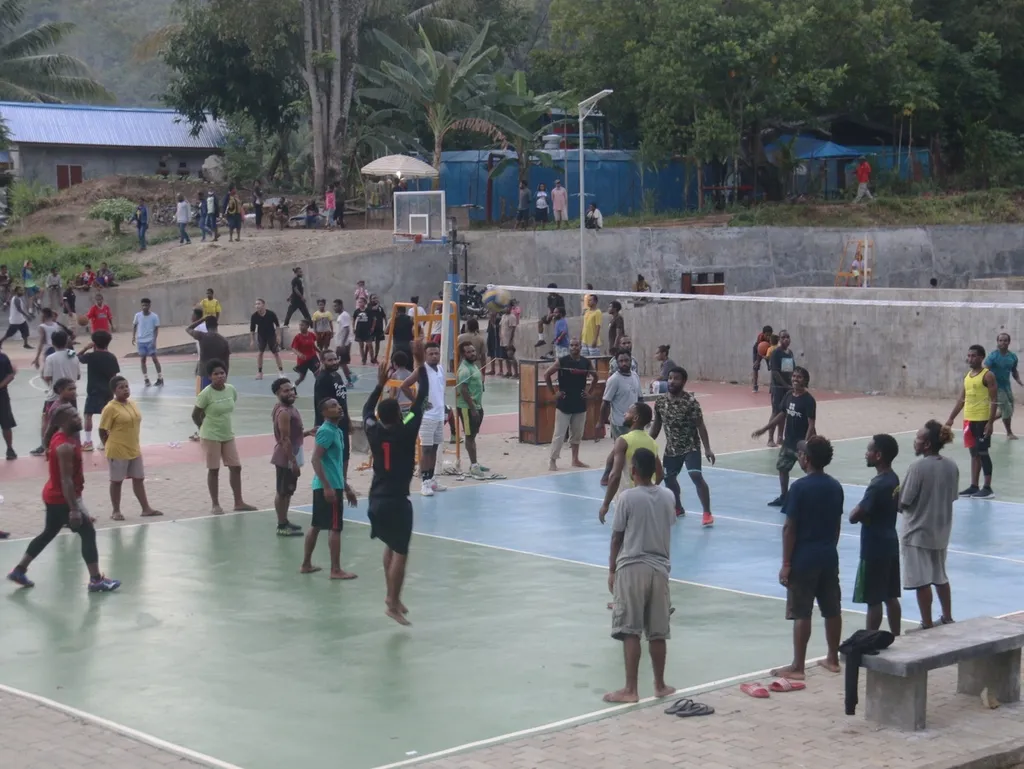
Papuan villages are using village development funds (Dana Desa) to build football pitches, volleyball fields and multipurpose courts, giving young people safe places to play close to home. The article argues that tournaments run with parents and elders bring generations together, and that facilities stay in use when youth groups help manage them.
Sports as Essential Community Spaces in Papua
Across Papua’s neighborhoods, sports facilities function as vital social spaces. Village courts and open fields give young people a place to meet, compete, and build lasting friendships. In many rural districts, these public sports areas double as the community’s central gathering point during afternoon hours and weekend events.
Youth empowerment has become a growing priority in local development. By channeling village development funding (Dana Desa) toward basic sports infrastructure, local leaders can build and maintain facilities that reflect the community’s actual needs. The result is accessible sports spaces that strengthen youth participation and deepen social connections throughout Papuan neighborhoods.
Key Pillars of Youth Sports Participation
Sports Facilities Encourage Active Youth Development
Accessible sports infrastructure gives young Papuans a direct incentive to stay physically active. Multipurpose courts, football pitches, and volleyball fields offer safe, nearby places for daily recreation — removing the need to travel long distances to urban sports centers.
Directing village funding toward sports infrastructure delivers three distinct benefits:
- Leadership and Discipline — Organizing local matches builds teamwork, personal responsibility, and healthy habits.
- Productive Space Utilization — Converting idle village land into active sports grounds cuts down on negative social behaviors.
- Targeted Allocation — Village budgets go directly toward what younger residents actually want and need.
Regular sports participation gives young Papuans a constructive outlet for their energy — one that supports both personal growth and community engagement.
👉 ALSO READ: Connecting Districts to Strengthen Social Cohesion in Papua
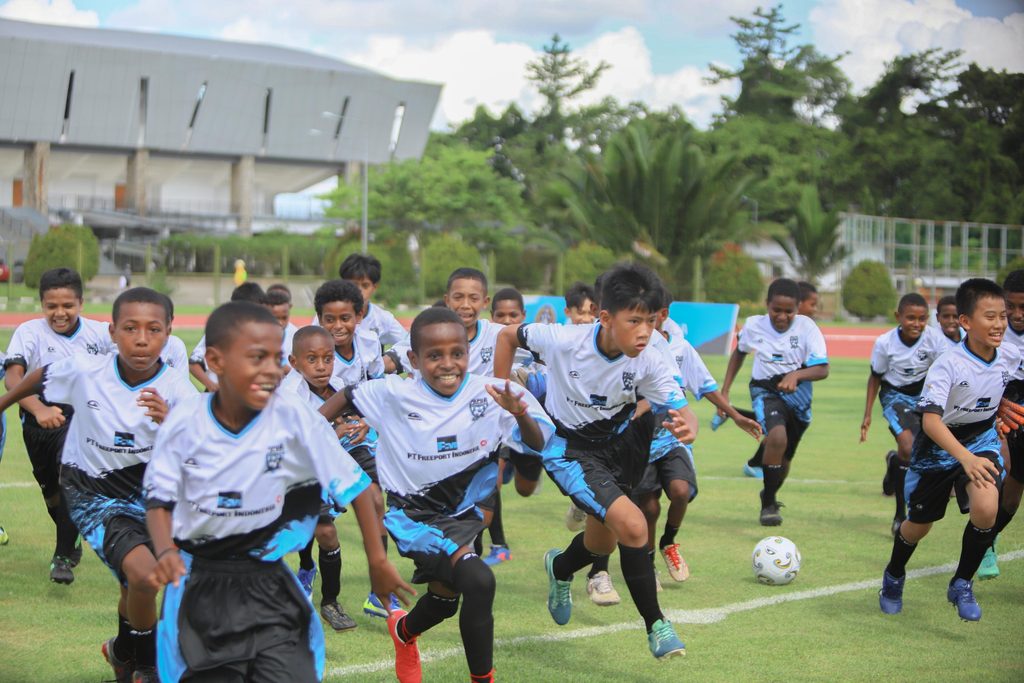
Sports Build Intergenerational Community Unity
Beyond individual fitness, sports act as a bridge between residents from different family backgrounds. Friendly neighborhood competitions naturally open up communication and build mutual respect among young people.
Local tournaments actively draw in parents, village elders, and community leaders as organizers and supporters. These shared events create meaningful contact across generations — turning village sports facilities into practical platforms for social cohesion and long-term community building.
Addressing Concerns: Sustainability and Youth Management
A common question is whether village sports facilities stay active once construction ends. It’s a fair concern: infrastructure alone can’t guarantee lasting youth engagement. But transparent management and genuine community involvement go a long way toward solving that problem.
Local governments and village councils can partner with youth organizations to run regular tournaments and training sessions. Involving young residents in facility upkeep also builds a real sense of ownership. With structured community management, a simple field becomes a sustainable, long-term community asset.
What do official figures show?
Papua hosted the 20th National Sports Week (PON XX) in October 2021, which the vice president closed at Lukas Enembe Stadium in Jayapura, according to the Ministry of Youth and Sports. Large events need lasting local facilities and clubs if they are to benefit young people after the games end.
Conclusion: Building Stronger Papuan Communities
Sports facilities give Papuan youth real opportunities for recreation, personal growth, and social unity. Directing village development funds toward this kind of infrastructure ensures public investment addresses genuine community priorities.
Empowering the younger generation through accessible sports is building more resilient, connected neighborhoods — and a healthier, more unified future for every Papuan community.