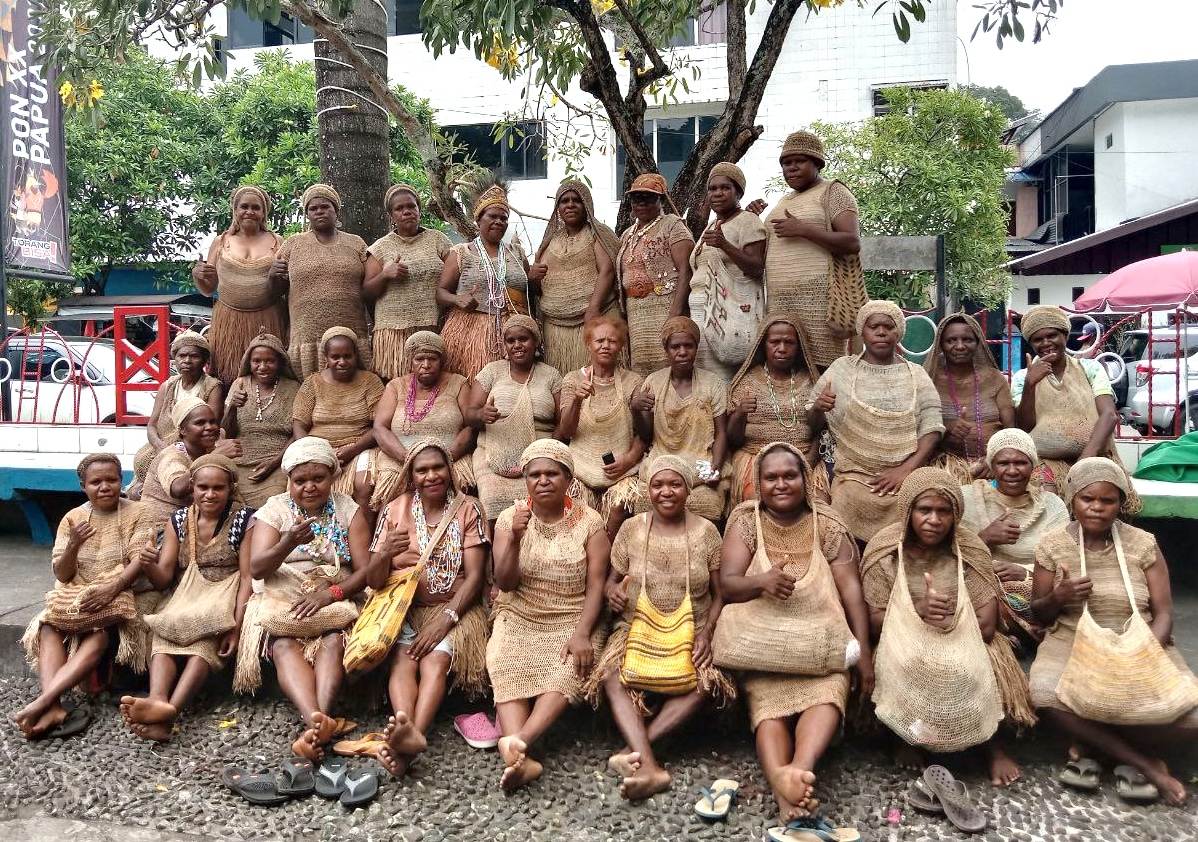
Papuan women support their families through farming, fishing and selling produce and handicrafts in local markets, and they pass cultural values and traditions on to their children. The article argues that financial literacy, skills training and better access to public facilities can help them build stronger small businesses and take on community leadership roles.
Women at the Heart of Community Life
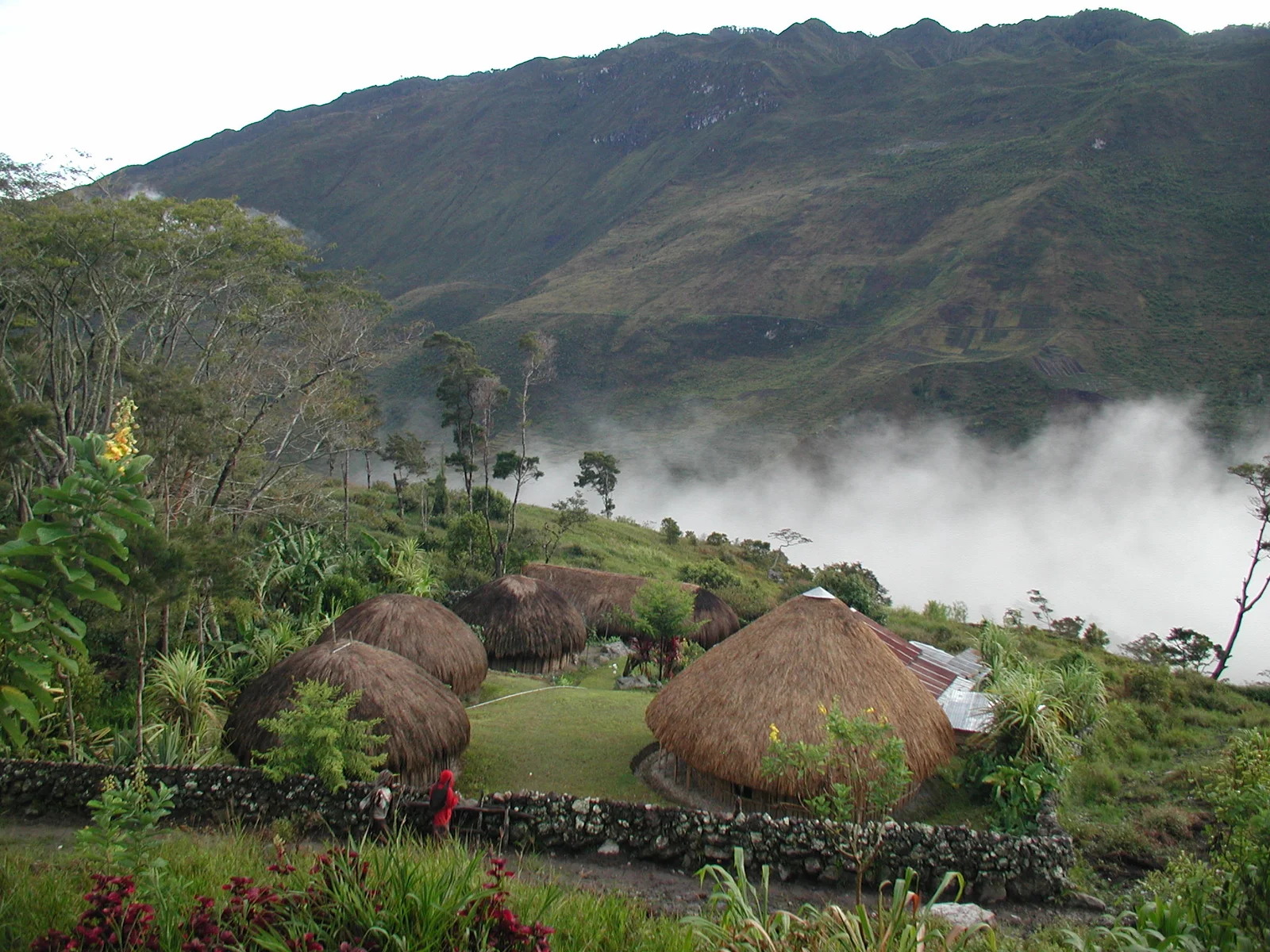
Across Papua, women play essential roles in supporting families and managing local livelihoods. Many Papuan women contribute directly through farming, fishing, and small trade.
Expanding opportunities for women strengthens family incomes and social resilience. Consequently, empowering Papuan women with economic access creates stronger foundations for inclusive regional development.
Key Pillars of Women’s Empowerment
Women Drive Family Economies
Papuan women play a direct role in generating and managing household income. For instance, many sell agricultural produce and local handicrafts in regional markets.
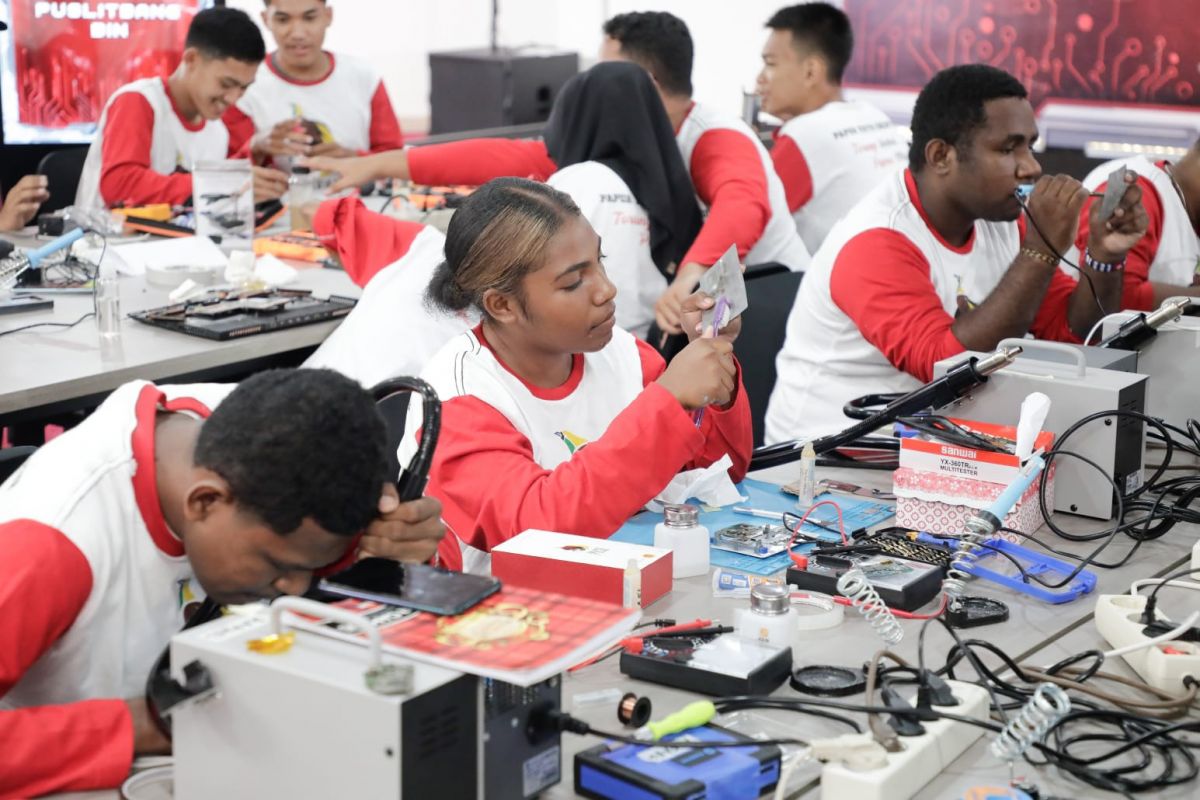
Better access to public facilities helps women reach consumers efficiently. In addition, financial literacy and skills training support stronger small businesses. As a result, expanded economic access strengthens household resilience across local communities.
👉 ALSO READ: Highland and Coastal Papua: How Far Apart Are They?
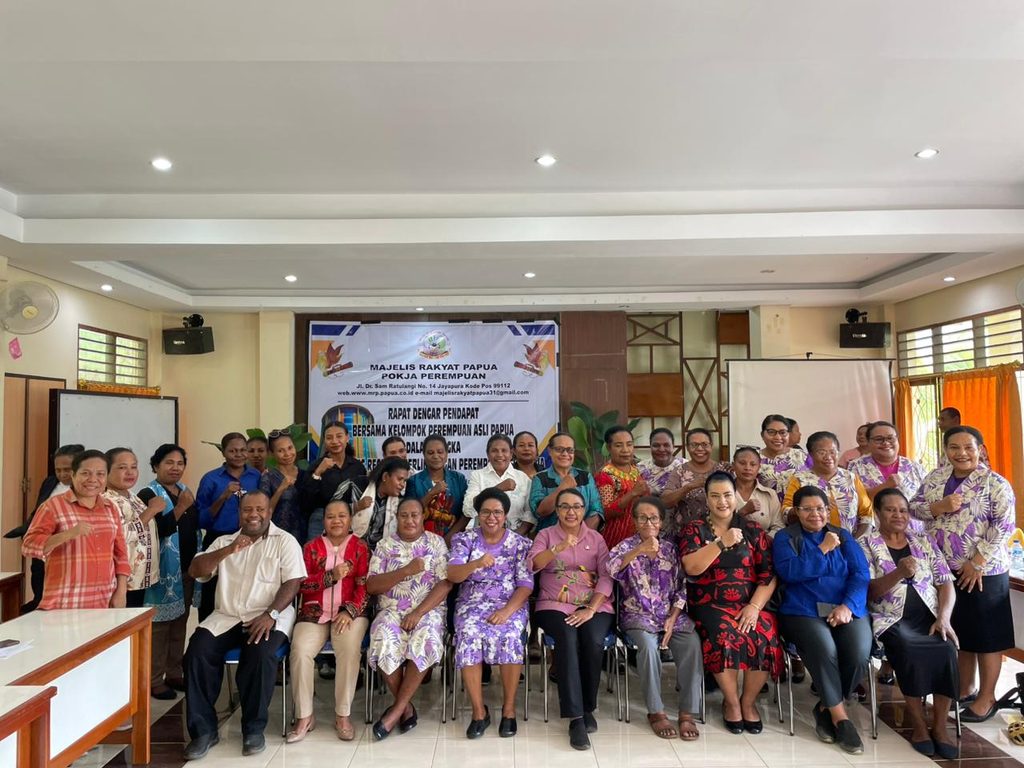
Women Strengthen Communities and Local Traditions
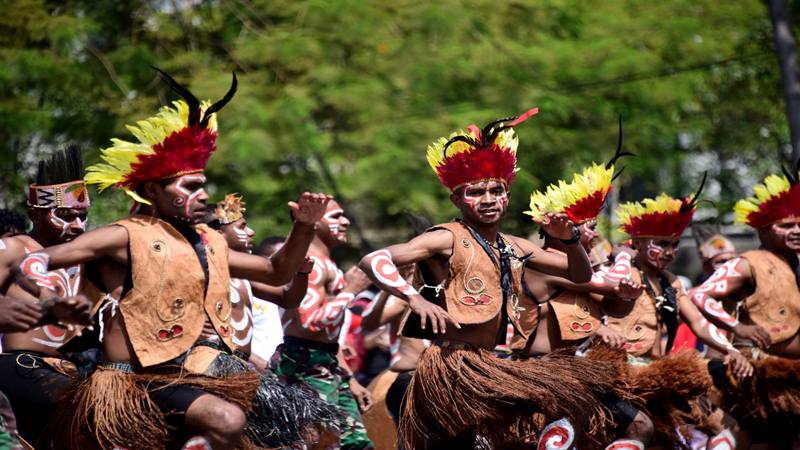
Women contribute beyond household economies by supporting social networks and cultural continuity. Mothers play a vital role in passing cultural values and local traditions to younger generations.
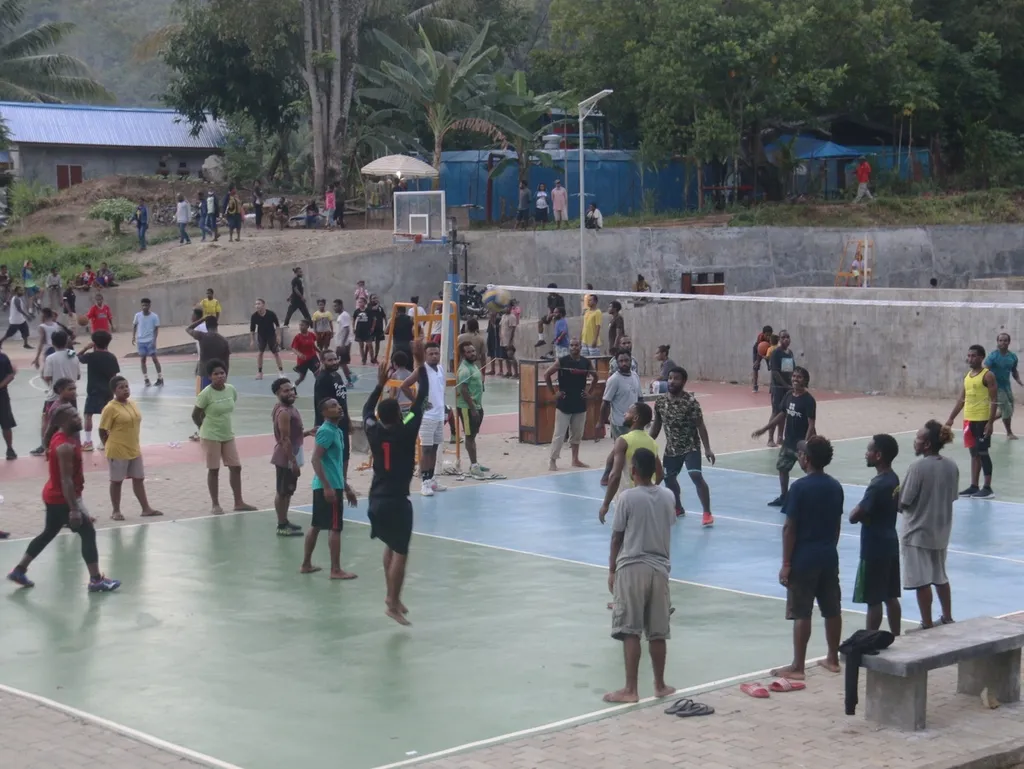
Women-led initiatives support food production and community cooperation. Meanwhile, accessible public programs enable women to develop leadership roles. Therefore, empowering women strengthens both economic independence and social cohesion throughout Papua.
What do official figures show?
In Manokwari, the vegetable shop Anggi Mart sold produce from Arfak Mountains farmers online during the pandemic, when buyers avoided crowded markets, Antara reported. In Arborek, a Raja Ampat island village of about 44 households, all nine or so homestays and the dive centre are owned by villagers, according to the Ministry of Tourism’s village tourism portal. There, women also weave “manta hats” from sea pandan leaves, a craft now known abroad.
Conclusion: Investing in Papua’s Community Pillars
In conclusion, Papuan women remain essential pillars of family economies and community life. Their daily contributions extend from local markets to cultural preservation.
Empowering women creates more inclusive economic opportunities across Papua. Consequently, investing in women strengthens families, communities, and Papua’s long-term future.