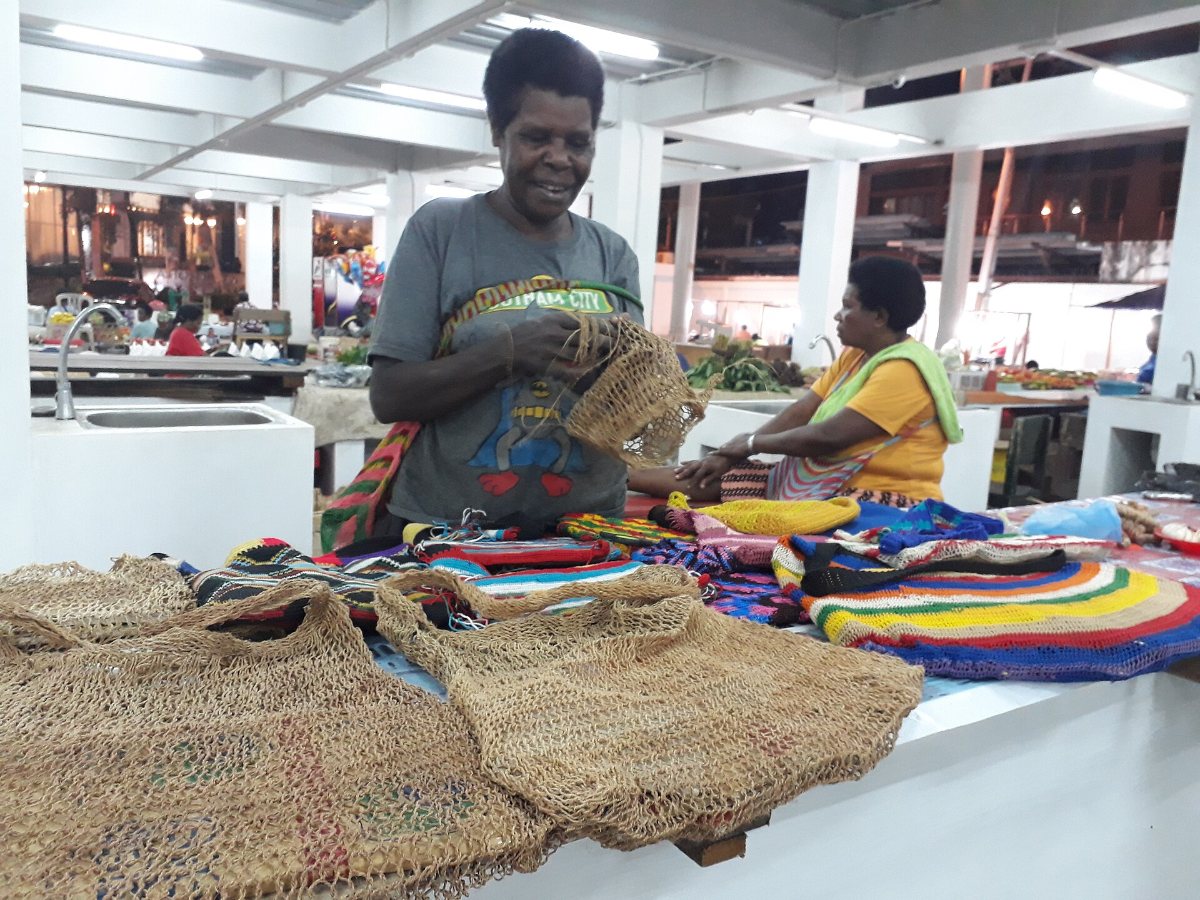
Noken sellers in Papua are finding new ways to reach customers beyond traditional market stalls. Social media and online marketplaces allow them to display products, receive orders and connect with buyers in other cities. However, selling online also requires product photography, digital marketing skills, reliable communication and practical delivery arrangements.
Noken sellers in Papua are using Instagram, Facebook, WhatsApp and Shopee to reach buyers beyond local markets. In Manokwari, University of Papua staff and students trained market sellers in digital marketing in December 2025. But sellers still need digital skills, internet access and affordable delivery, and a 2024 study found many female noken sellers in Jayapura knew little about selling online.
How Are Noken Sellers in Papua Selling Online?
For many noken sellers, traditional markets and roadside stalls remain important places to meet customers. However, these sales channels depend on people visiting the location. Online platforms offer another option: sellers can display products and receive orders from buyers who live far beyond their local area.
Instagram, Facebook and WhatsApp can help sellers introduce their products through photos, videos and direct messages. Meanwhile, marketplaces such as Shopee provide additional tools for displaying products and processing orders. These platforms create opportunities for small businesses to reach customers without relying entirely on physical shops.
One example comes from Jayapura, where Noken Clothing, a Papuan fashion brand that uses noken motifs, has used Shopee to reach customers beyond Papua. In an August 2026 report, Face Indonesia profiled its owner, Paris Asa Bumbungan, who said online sales had helped more people discover the brand and order its products from different parts of Indonesia. The business began selling more actively through Shopee in 2021 and has also explored international markets. However, the owner said bringing materials to Papua remains slow and costly, showing that wider online reach also depends on logistics.
👉 ALSO READ: Bringing Papuan MSME Products to National Markets
Which Platforms Help Noken Sellers Reach Customers?
Social Media Helps Products Reach More Customers
Social media gives sellers a relatively accessible way to promote their products. A clear photograph, product description and contact information can help potential buyers understand what is available. Sellers can also share new designs, respond to questions and communicate directly with customers.
In December 2025, ANTARA reported that lecturers and students from the University of Papua (Unipa) assisted noken sellers in Manokwari with digital marketing. The programme targeted sellers in Amban, Brawijaya, Sanggeng Market and Wosi Market. Seven of the eight kiosks approached took part in the mentoring, which included creating and improving Facebook accounts, taking product photographs with mobile phones and writing simple promotional captions.
Marketplaces Can Connect Sellers With Buyers Outside Papua
Social media is useful for promotion, while e-commerce platforms can help sellers manage orders from different locations. For noken businesses, these platforms provide opportunities to display different products, communicate with potential buyers and receive orders beyond local markets. Sellers can use product photos, clear descriptions and direct communication to build customer interest. However, successful online sales also depend on reliable payment systems, product availability and delivery services. These factors determine whether online promotion can lead to completed transactions and sustainable business opportunities.
The national picture also shows that online selling has room to grow. According to Statistics Indonesia (BPS) 2024 e-commerce data published by the Ministry of Trade, 42.02% of businesses in Indonesia had made online sales. The remaining 57.98% had not. Among businesses that did not sell online, the most common reason given was a lack of interest, followed by a lack of knowledge; fewer cited a lack of devices or infrastructure. Although these figures are not specific to Papuan craft sellers, they highlight some of the barriers small businesses may face when entering digital markets.
What Makes Selling Noken Online Difficult?
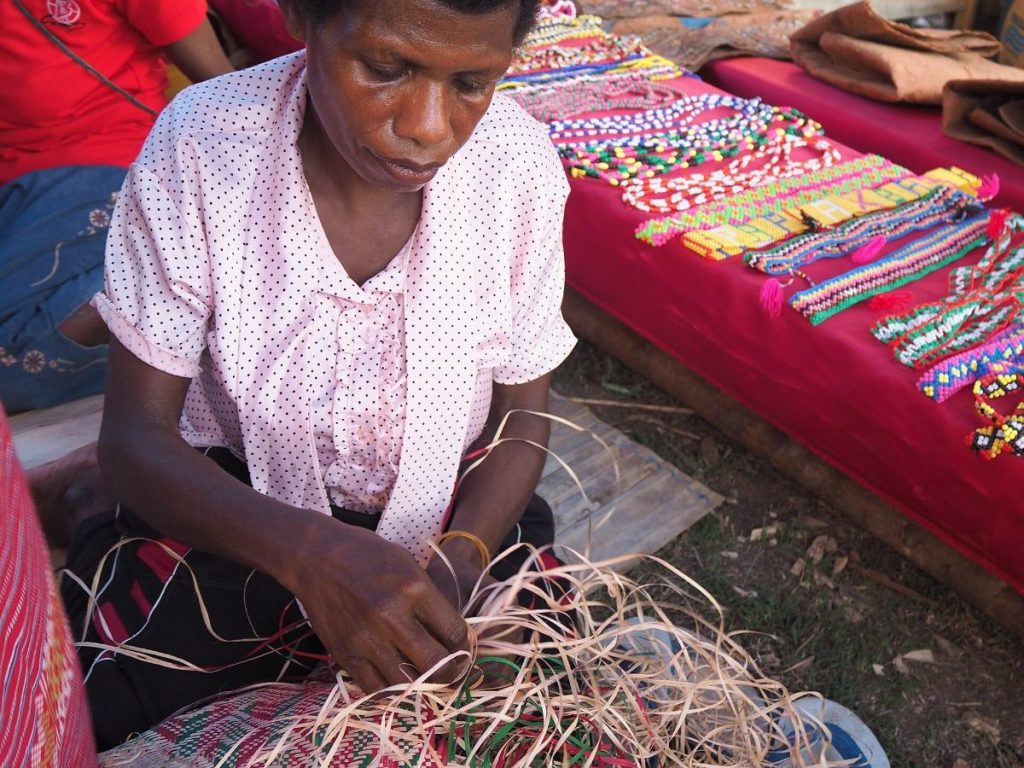
Digital markets do not automatically guarantee higher sales. Sellers need internet access, suitable devices, time to manage messages and reliable delivery services. They may also have to learn how to photograph products, write descriptions and handle online payments. Research published in 2024 on the marketing communication skills of female noken sellers in Jayapura found that their understanding of digital entrepreneurship remained limited. Some sellers did not know how to sell noken online or use Facebook, Instagram and WhatsApp for marketing.
Delivery costs can also affect the final price, particularly when products travel from remote areas to major cities. Packaging, shipping fees and payment arrangements must be considered before sellers expand their online operations. Digital mentoring, such as Unipa’s programme in Manokwari, can help address some of these barriers by teaching practical skills. However, sellers also need reliable internet access and delivery options to turn online interest into completed sales.
Does Going Online Lead to Real Sales for Noken Sellers?
Social media and e-commerce offer noken sellers additional ways to find customers beyond local markets. Noken Clothing’s use of Shopee in Jayapura and digital marketing assistance in Manokwari show that online promotion and transactions are already being explored by local sellers.
However, wider online exposure is only the first step. Better digital skills, reliable delivery arrangements and clear product information are also necessary. The real measure of progress is not simply how many people see a product online, but whether digital channels help sellers secure orders and earn a fair return from their work.