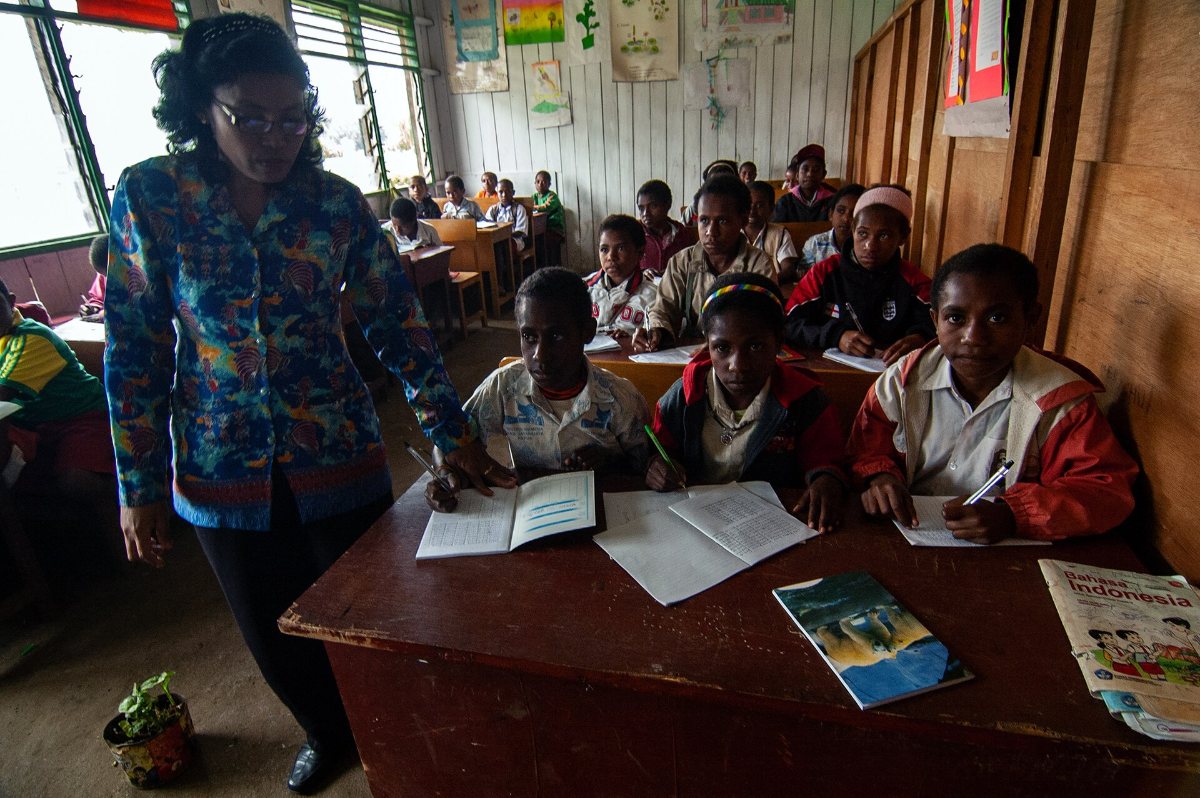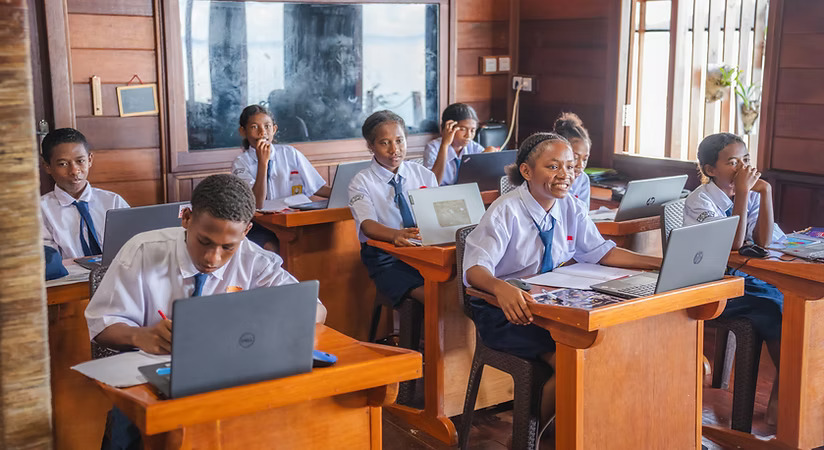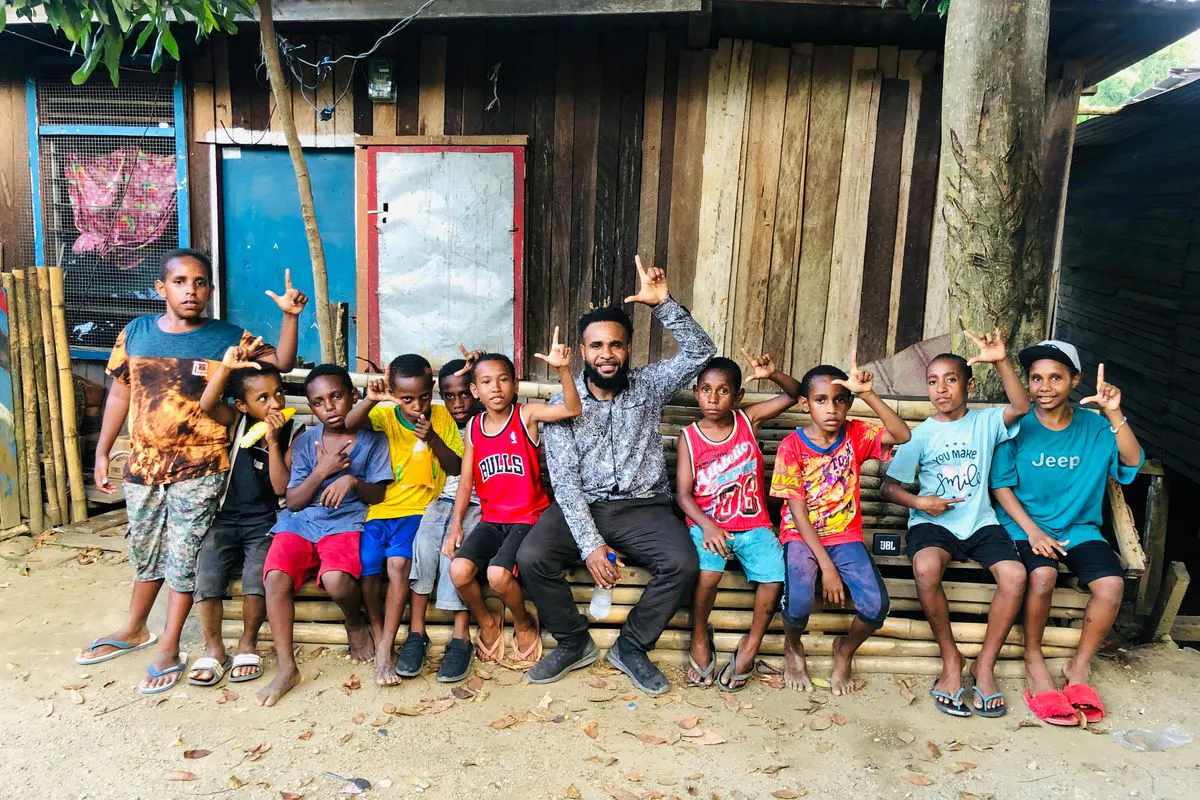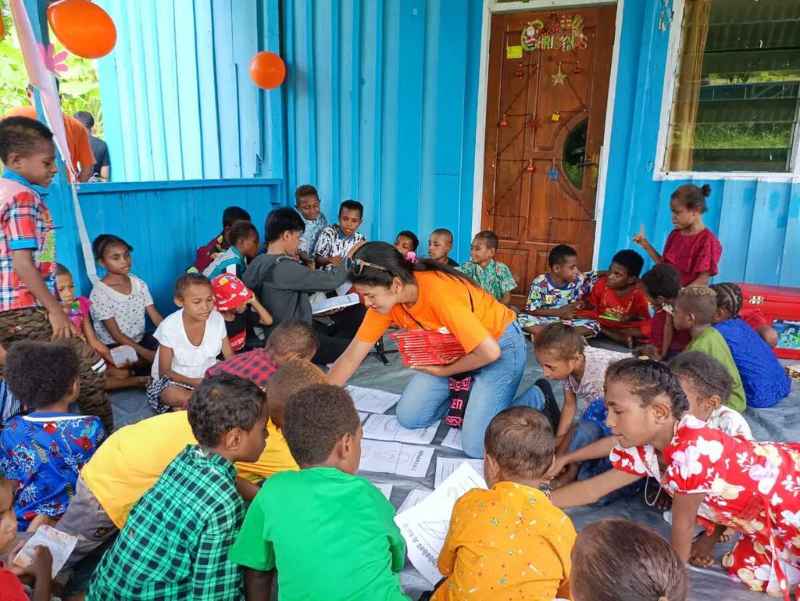
Education development across Papua requires inclusive approaches that bridge systemic gaps and enhance student engagement. In 2025, Statistics Indonesia (BPS) recorded a literacy rate of 68.32% among residents aged 15 and over in Highland Papua and 85.82% in Central Papua, the two lowest of any province and well below the national rate of 97.1%. Early foundational learning relies heavily on how children connect classroom instruction with their daily linguistic environments, and learning to read first in the mother tongue is one approach discussed below. Addressing these educational challenges demands practical strategies that respect local contexts while improving overall academic outcomes.
Building a Strong Foundation Through Local Languages
The early years of formal schooling represent a critical window for cognitive development and linguistic acquisition. When children begin their educational journey in a language they do not speak at home, they may face additional challenges in understanding classroom instructions and reading materials. Integrating mother tongue instruction during the initial primary grades helps bridge this gap by making foundational concepts more accessible.
👉 ALSO READ: Who Are the People of West Papua, and What Languages Do They Speak?
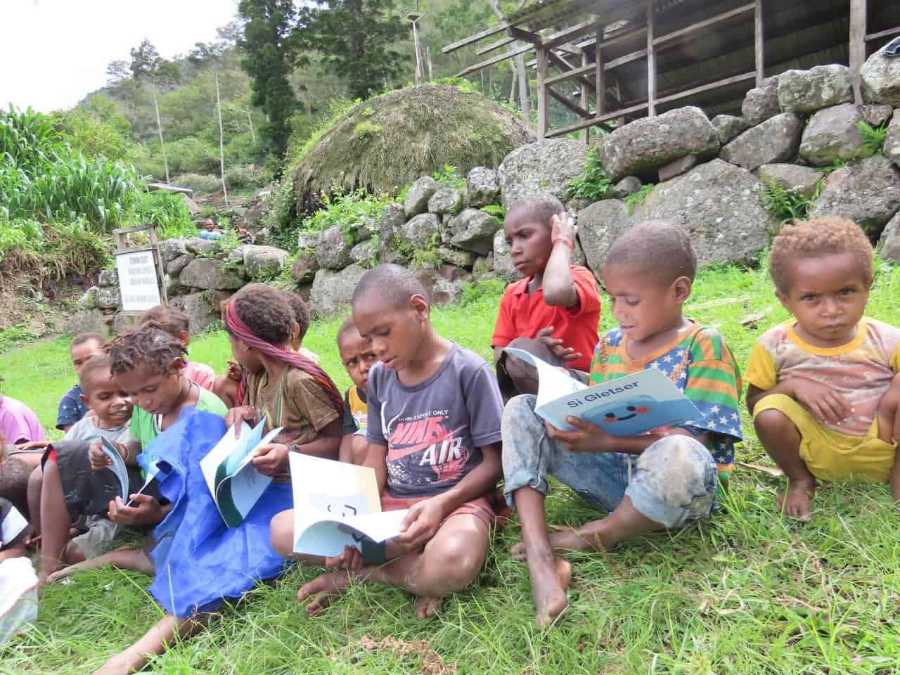
A 2016 review commissioned by UNICEF, covering 21 countries in Eastern and Southern Africa, found positive links between using a child’s home language in school and learning outcomes, including in reading and mathematics. Similarly, a 2013 paper titled Using Folktales to Strengthen Literacy in Papua, published in the Australian and International Journal of Rural Education, describes a local project that developed and distributed children’s books based on indigenous Papuan folktales, an approach the authors say shows some potential for early literacy. These approaches connect reading activities with children’s familiar languages, traditions, and everyday experiences.
Key Pillars of Mother Tongue Literacy
Curriculum Adaptation and Teacher Training
Successful mother tongue literacy programs depend heavily on well-structured curricula and adequately trained educators. Implementing bilingual or mother tongue-based multilingual education requires localized teaching materials that reflect students’ everyday realities and cultural contexts.
- Localized Learning Materials: Developing reading books, stories, and exercises in regional languages ensures that children can relate more easily to written narratives.
- Educator Capacity Building: Providing teachers with specialized training in multilingual pedagogy helps them manage classrooms where local languages support early learning.
Evidence-Based Monitoring and Institutional Support
Strengthening foundational education requires assessment mechanisms to track progress and refine teaching practices. A study by the Ministry of Education’s Center for Policy Research (Puslitjak), published by INOVASI, examines how schools use the mother tongue as a strategy for teaching early literacy, with children moving gradually into Bahasa Indonesia.
Outside Papua, INOVASI’s Unlocking Learning Through Language documents a regional pilot program in Nagekeo, East Nusa Tenggara, launched in 2020, that used the local Nage language as a bridge to Bahasa Indonesia. INOVASI reported improvements in basic literacy and writing skills in the pilot schools. Such experiences demonstrate the importance of teacher preparation, localized materials, and institutional support.
Addressing Concerns: Balancing National Integration and Local Identity
Implementing mother tongue education often sparks discussions regarding the potential trade-offs between local language preservation and national language proficiency. Some parents and educators may worry that focusing on regional languages could delay students’ mastery of Bahasa Indonesia.
However, mother tongue-based multilingual education does not require abandoning the national language. Instead, it provides a gradual learning pathway that connects familiar vocabulary and concepts with additional languages. Clear communication with parents and communities also helps ensure that bilingual foundational learning supports academic development while preserving cultural identity.
Conclusion: Bridging Gaps for a Brighter Educational Future
In conclusion, incorporating mother tongue instruction into early grade classrooms offers a practical approach to addressing literacy challenges. Aligning teaching methods with children’s linguistic realities can create more inclusive learning environments across diverse school districts.
The experiences above show how localized reading materials, teacher development, and community participation can strengthen foundational education. Ultimately, investing in early literacy through familiar languages can help students build stronger academic foundations while maintaining their cultural roots.