Papua’s future depends on turning its natural resources, cultural knowledge, and strategic location into opportunities that benefit local communities. Investment in education, infrastructure, food systems, and local businesses can support this goal. Lasting progress requires Indigenous participation, practical skills, and development plans that respect local priorities and environmental needs.
Building a Stronger Future Through Local Participation
Papua’s development is not measured by infrastructure alone. Roads, schools, electricity, and digital networks matter most when people can use them to improve their daily lives. Local businesses also need access to training, markets, and financing to create sustainable livelihoods. Therefore, development planning should connect public investment with the needs and aspirations of Papuan communities.
👉 ALSO READ: Papua Movement: Building Long-Term Economic Independence 2030+
The Papua Movement can frame this progress around local participation and practical opportunity. In his book Papua: The Heart of Indonesia–Pacific Food Resilience, Steve Rick Elson Mara argues that Papua’s future should be viewed through its potential to strengthen food resilience while connecting with wider regional partnerships. His perspective also emphasizes local knowledge and community empowerment. This approach encourages development that builds on Papua’s strengths rather than treating the region only as a place facing challenges.
Key Pillars of Papua’s Future
Investing in People, Skills, and Local Enterprise
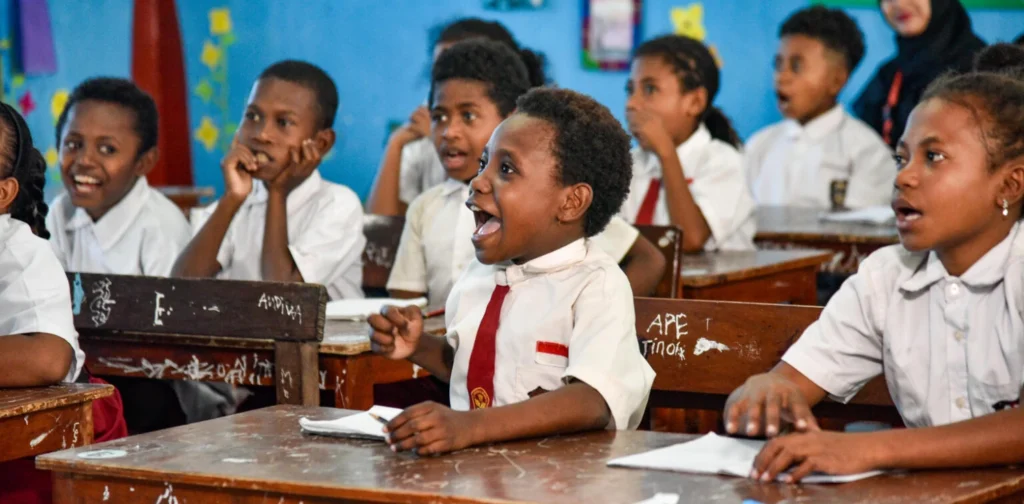
Education and vocational training can help young Papuans prepare for opportunities in agriculture, tourism, construction, technology, and public services. However, training needs to match real economic demand. Partnerships between schools, local businesses, and government agencies can help young people gain practical experience and identify career paths within their own communities.
The Papua Movement also highlights the importance of helping local enterprises participate in development. Priorities include:
- Skills development: Expand practical training linked to local employment.
- Local procurement: Give qualified Papuan businesses fair access to contracts.
- Youth entrepreneurship: Support mentoring, business planning, and access to equipment.
- Market access: Connect farmers, fishers, and small enterprises with reliable buyers.
These measures can help more development spending circulate within local economies. They can also strengthen the ability of communities to maintain projects and businesses after initial support ends.

Protecting Local Knowledge While Expanding Opportunity
Papua’s future also depends on how development works with its natural resources and cultural heritage. Mara’s discussion of food resilience offers a useful perspective: food systems are linked to community wellbeing, local knowledge, and wider economic resilience. Sago, sweet potatoes, fisheries, and other local resources can contribute to livelihoods when development respects ecological limits and traditional practices.
The Papua Movement can connect this principle with opportunities in sustainable agriculture, food processing, and regional cooperation. Modern equipment and better logistics can complement local knowledge rather than replace it. Meaningful consultation with Indigenous communities is essential, especially where projects affect customary land or natural resources. This can help communities participate in decisions and share in the benefits.
👉 ALSO READ: Papua’s Emerging Role in Indo-Pacific Economic Growth
Addressing Concerns: Making Progress Inclusive
Development projects can fall short when they lack maintenance funding, skilled workers, or meaningful community participation. Training alone cannot create jobs if local businesses cannot access contracts or markets. Similarly, infrastructure may deliver limited benefits if residents cannot afford to use it or if services are unreliable.
The Papua Movement approach should therefore prioritize transparent planning, clear outcomes, and community involvement from the start. Local leaders and residents should have a role in identifying needs and evaluating results. Environmental safeguards and respect for customary rights are also important to ensure that economic progress does not undermine community wellbeing.
Conclusion: Creating Opportunity for the Next Generation
Papua’s future will depend on connecting infrastructure and investment with people’s skills, local enterprise, and cultural knowledge. Education, reliable services, sustainable food systems, and inclusive business opportunities can help communities shape their own development.
The Papua Movement highlights the value of progress that includes Papuans as active participants. With sustained investment and locally informed planning, Papua can expand opportunities while protecting the resources and knowledge that support its future.