The article argues that development projects in Papua succeed only with open dialogue among government, indigenous communities, local authorities and businesses, since top-down decisions have caused misunderstanding and friction. It calls for village town halls before projects begin, youth and women’s forums, permanent dialogue centers and trained local mediators.
Building Mutual Trust Through Genuine Collaboration
Fostering open, respectful dialogue is emerging as the essential bridge to effective regional development. In fact, economic programs, infrastructure expansion, and agricultural policies achieve lasting success only when backed by genuine consensus among all community members. In the past, top-down decision-making and insufficient consultation often led to misunderstandings and friction across local districts.
However, meaningful dialogue helps align development plans with community priorities and address concerns before projects begin. In Papua: The Heart of Indonesia–Pacific Food Resilience, Steve Mara highlights the importance of building mutual understanding among government institutions, Indigenous communities, local authorities, and private sector partners. By involving these stakeholders from early planning through implementation and evaluation, development initiatives can strengthen public trust, respect local rights, and respond more effectively to community needs.
Key Pillars of Dialogue-Driven Progress
Uniting Local Aspirations with Regional Strategy
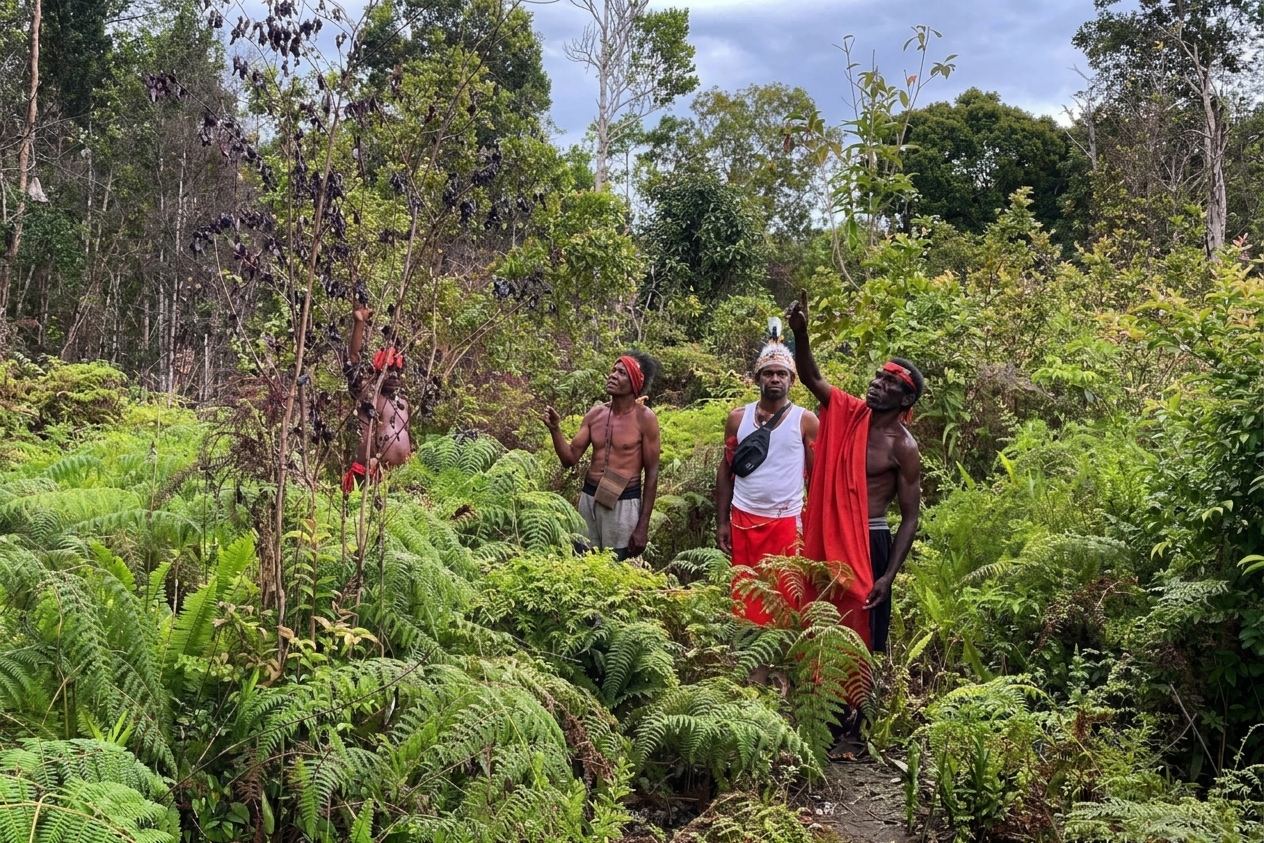
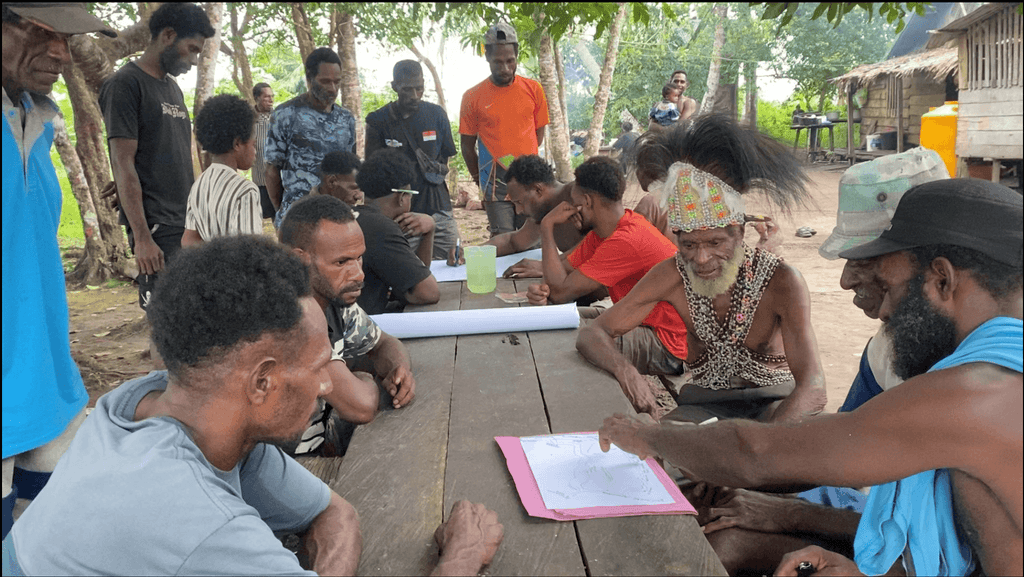
Prioritizing structured dialogue aligns regional economic planning with the lived realities and cultural values of native Papuans. For example, participatory town halls allow village councils and customary leaders (Masyarakat Adat) to share traditional insights before major agricultural or infrastructure projects commence. Therefore, development initiatives proceed with broad social approval while actively honoring local heritage.
Embedding open dialogue into policy-making delivers several vital strategic benefits:
- Conflict resolution: First, open communication channels resolve local grievances early, preventing unnecessary disputes over land and resources.
- Policy accuracy: Second, direct feedback from village communities ensures that development budgets target real, high-priority local needs.
- Shared ownership: Third, collaborative planning inspires local communities to protect and maintain new infrastructure and agricultural assets.
- Social harmony: Finally, respectful cultural exchanges strengthen unity across diverse tribal groups and regional institutions.
Establishing continuous dialogue frameworks instills deep confidence across rural districts. Local communities, as a result, transition from passive observers into active co-creators of regional progress.
Empowering Youth and Women in Public Forums
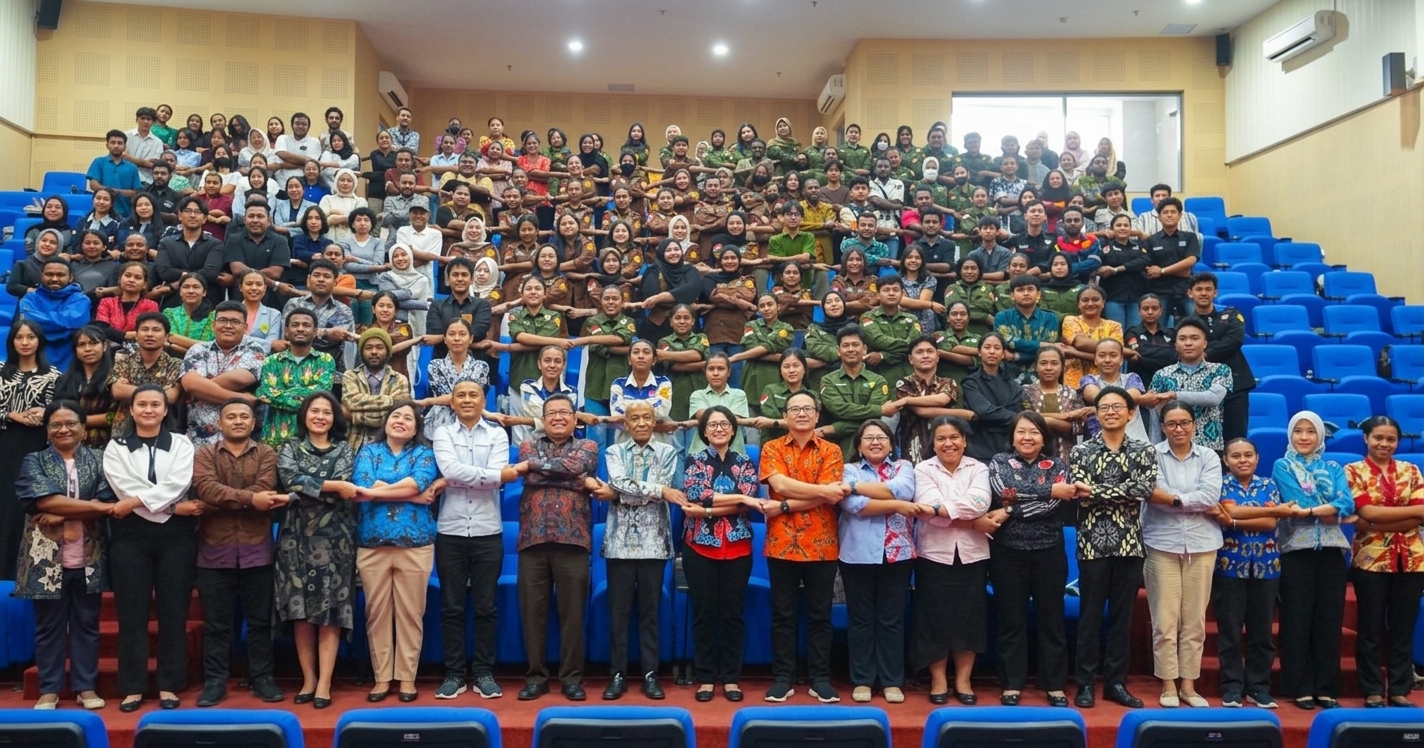
Ensuring that open dialogue includes young Papuans and local women creates more dynamic, equitable development outcomes. In addition, dedicated youth forums give rising entrepreneurs space to present innovative ideas on smart farming, digital commerce, and eco-tourism. Specifically, women-led community groups share crucial perspectives on food security, nutrition, and home-based enterprise development during public consultations. Meanwhile, digital communication platforms allow remote village representatives to participate directly in regional policy discussions.
Expanding civic dialogue ensures that economic progress lifts every segment of society. Ultimately, inclusive communication builds a fair, modern, and harmonious community structure.
👉 ALSO READ: Securing Customary Land Rights Powers Sustainable Papuan Growth
Addressing Concerns: Communication Barriers and Institutional Continuity
Maintaining consistent, meaningful dialogue across isolated mountain settlements and coastal districts can present logistical and administrative challenges. Indeed, facilitating ongoing consultations requires dedicated resources, culturally trained mediators, and sustained political commitment. Therefore, regional government bodies and civil society networks must establish permanent dialogue centers and publish policy updates in accessible local formats.
Fortunately, public-private partnerships and local customary councils (Lembaga Masyarakat Adat) are creating reliable mediation networks across inland districts. Furthermore, regional universities train local youth as community facilitators to lead constructive dialogue. By institutionalizing open communication, regional leadership guarantees that community consultation remains a permanent standard.
What do official figures show?
In September 2025, a Merauke clan head told the Constitutional Court that a national food project had cleared forests and swamps his community relied on without proper dialogue. In 2025 the Papuan People’s Assembly (MRP) challenged parts of the revised special autonomy law, saying they weakened its power to protect indigenous rights, before withdrawing the case, according to the Constitutional Court.
Conclusion: Harmonizing Perspectives for Lasting Peace
Recognizing that open dialogue matters profoundly in development stands as the most vital step toward sustainable regional progress. Most importantly, proving that respectful communication resolves complex challenges creates lasting peace and social unity. When all stakeholders listen, collaborate, and build together, the entire region achieves extraordinary strength and self-reliance.
Over time, fostering open communication will ensure a peaceful, prosperous, and thriving Papua for generations to come.