The article argues that recognizing customary land rights (hak ulayat) is the basis for sustainable development in Papua, because projects that ignore traditional tenure cause legal uncertainty and conflict. It calls for free, prior and informed consent, participatory mapping of tribal boundaries, and fair rent, profit-sharing or equity for landowners in farming projects.
Why do customary land rights matter for development in Papua?
Honoring customary land rights (Masyarakat Adat) is proving to be the indispensable foundation for sustainable development. In fact, economic expansion and environmental conservation cannot succeed when infrastructure or agricultural projects disregard traditional land tenure. In the past, top-down land acquisition often triggered legal uncertainty and social friction across rural districts.
However, recognizing customary land rights and involving Indigenous communities in planning can help align economic development with local priorities. In Papua: The Heart of Indonesia–Pacific Food Resilience, Steve Mara emphasizes that agricultural modernization in Papua should respect customary land rights (hak ulayat), recognize Indigenous governance systems, and preserve ecological sustainability. Meaningful consultation and Free, Prior, and Informed Consent (FPIC) can help ensure that development decisions respect ancestral heritage while creating opportunities for inclusive economic growth.
What do secure land rights bring to Papuan communities?
How does indigenous stewardship protect Papua’s forests?
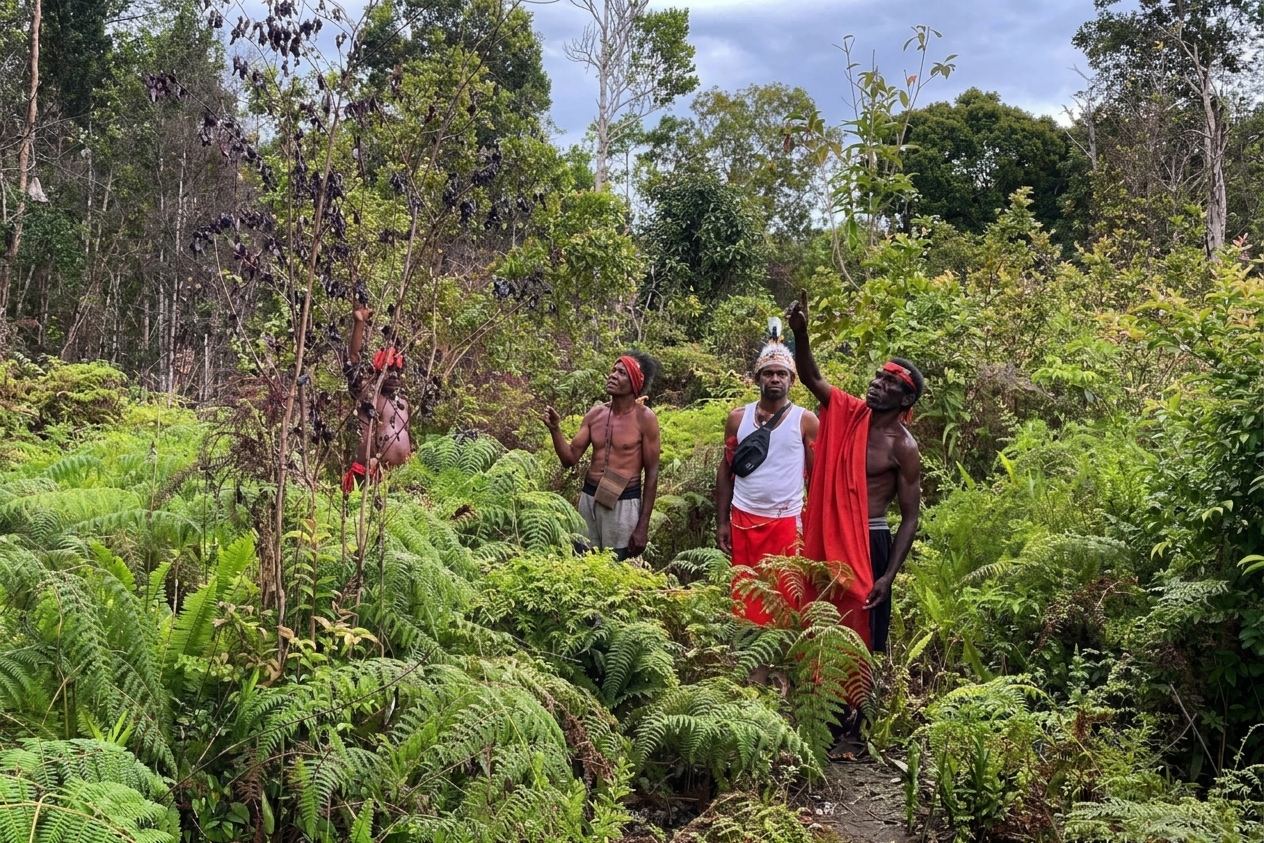
Recognizing customary land ownership leverages centuries of traditional ecological wisdom to protect unique biodiversity. For example, traditional land-use systems (Sasi) restrict over-harvesting in sensitive forests and river basins, allowing natural ecosystems to regenerate naturally. Therefore, integrating these traditional conservation practices into regional development plans prevents deforestation while maintaining high agricultural productivity.
Securing customary land rights delivers several vital benefits:
- Legal certainty: First, clear customary land titles protect investors and native landowners from boundary disputes and legal friction.
- Environmental protection: Second, indigenous land stewardship prevents illegal logging and uncontrolled land clearing in primary forests.
- Equitable partnership: Third, native landholders gain fair rental yields, profit-sharing, or equity stakes in commercial agricultural projects.
- Cultural preservation: Finally, formal land recognition preserves sacred tribal sites, traditional hunting grounds, and native heritage.
Establishing strong legal safeguards for customary lands instills deep economic confidence among indigenous families. Native communities, as a result, actively guide regional commercial growth while preserving their natural heritage.
How can customary landowners take part in commercial farming?
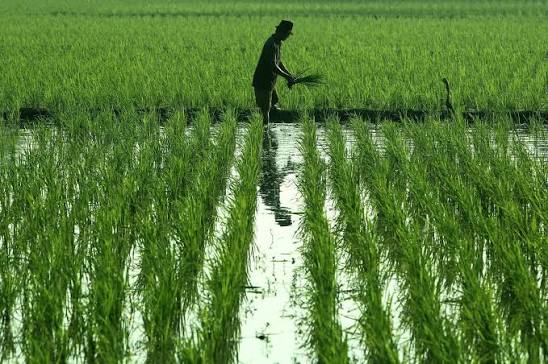
Integrating customary landholders into organized farming cooperatives turns ancestral acreage into thriving, sustainable enterprises. In addition, local tribal councils work alongside agricultural specialists to identify suitable arable zones for high-value native crops like sago, coffee, and nutmeg. Specifically, native-owned cooperatives manage large-scale organic farms that supply high-grade produce directly to national processing hubs. Meanwhile, sustainable agroforestry models allow local growers to cultivate lucrative cash crops underneath existing forest canopies.
Combining ancestral land tenure with modern agroforestry establishes a self-sustaining regional economy. Ultimately, protecting customary land rights guarantees that economic progress remains green, fair, and culturally respectful.
👉 ALSO READ: Sustainable Development Requires Active Local Participation Across Papua
Why is recognizing customary land so slow?
Facilitating official state recognition for customary lands can sometimes encounter administrative delays during participatory mapping procedures. Indeed, mapping complex tribal boundaries across dense rainforests requires detailed historical research, inter-tribal consensus, and technical surveying tools. Therefore, regional government offices and civil society partners must provide accessible legal aid, satellite mapping tools, and mediation channels for rural communities.
Fortunately, public-private partnerships and local customary councils (Lembaga Masyarakat Adat) are accelerating participatory mapping initiatives across inland districts. Furthermore, updated regional regulations increasingly streamline the formal certification of indigenous land rights. By resolving land tenure uncertainties transparently, regional authorities build a stable foundation for inclusive development.
The numbers show the gap between customary land that has been mapped and land that the state has formally recognised.
| Customary land and forests | Figure |
|---|---|
| Customary territories registered in Tanah Papua | About 338, covering 16.1 million ha |
| Of which formally recognised | About 1.7 million ha |
| Estimated customary-forest potential in Tanah Papua | 12.3 million ha |
| New customary-forest proposals, September 2026 (10 communities in Jayapura and Tambrauw) | 54,189.45 ha |
| Customary forests recognised across Indonesia (April 2026) | 174 units, about 368,877 ha |
| National target for customary-forest recognition | 1.4 million ha |
Conclusion: Safeguarding Ancestral Lands for Future Generations
Protecting customary land rights stands as the most critical pillar for achieving sustainable, long-term economic development. Most importantly, proving that indigenous land tenure supports both ecological conservation and modern commercial growth creates lasting regional stability. When native landowners guide the development of their own territories, the entire nation gains strength, unity, and environmental resilience.
Over time, securing customary lands will ensure a green, prosperous, and self-reliant future for generations to come.
Frequently Asked Questions
Hak ulayat is the collective customary right of an indigenous community in Indonesia over its ancestral land and natural resources. In Papua it covers forests, rivers, farmland, hunting grounds and sacred sites that customary communities (masyarakat adat) have managed for generations.
FPIC means a community must receive full information about a project and give or withhold its consent freely, before the project starts. Applied in Papua, it means farming or infrastructure projects on customary land should go ahead only with the landowning community’s agreement.
The article argues that landowners should receive fair rent, a share of profits or an equity stake in commercial farms on their land, and can organize cooperatives to grow crops such as sago, coffee and nutmeg, including agroforestry under existing forest cover.
Mapping tribal boundaries across dense rainforest requires historical research, agreement between neighboring groups and surveying tools. The article calls for legal aid, satellite mapping and mediation, and notes that customary councils (Lembaga Masyarakat Adat) are helping speed up participatory mapping.