The article argues that development in Papua lasts only when indigenous communities take part from the start, because top-down plans often ignore local culture, customary land rights and traditional knowledge. It points to participatory mapping of ancestral land and sacred sites before construction, village forums on budgets, and training for village leaders.
Building Sustainable Progress Through Grassroots Ownership
Ensuring active local participation is proving to be the fundamental key to successful, long-term development. In fact, top-down regional planning often fails when project designs ignore unique local cultures, customary land rights, and traditional knowledge. In the past, external development models were sometimes implemented without sufficient consultation with village elders and local leaders.
However, community-led decision-making helps ensure that infrastructure and agricultural programs reflect local priorities and cultural values. In Papua: The Heart of Indonesia–Pacific Food Resilience, Steve Mara emphasizes that sustainable agricultural development requires meaningful community involvement, respect for Indigenous rights, and the preservation of traditional knowledge. By placing Indigenous Papuans at the center of planning, development initiatives can strengthen local ownership while supporting more inclusive and lasting economic progress.
Key Pillars of Participatory Development
Honoring Customary Rights and Traditional Knowledge
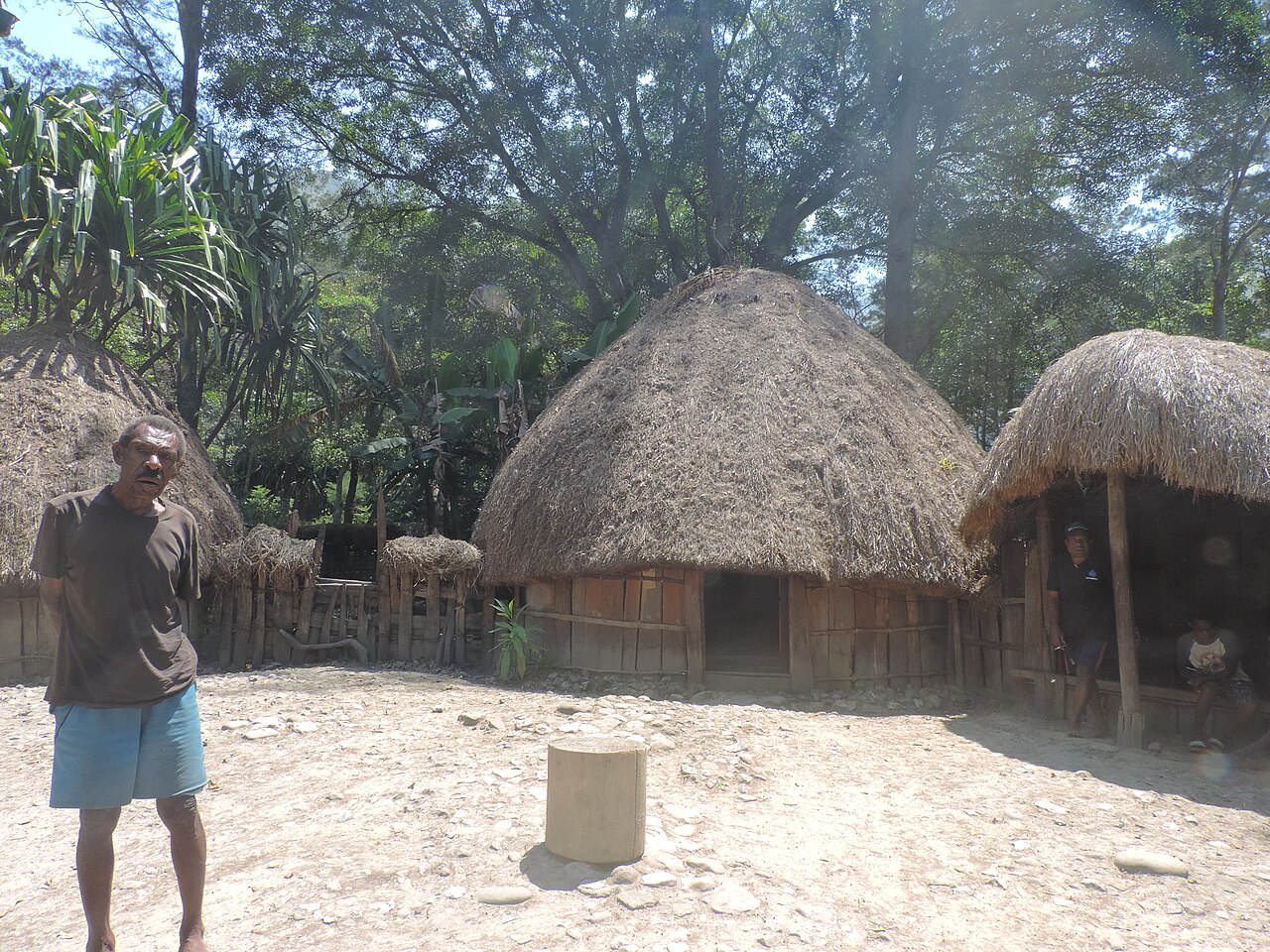
Engaging indigenous communities (Masyarakat Adat) from the very beginning guarantees that modern infrastructure and farming initiatives align seamlessly with local values. For example, participatory mapping projects allow village elders to demarcate ancestral land boundaries, sacred sites, and sustainable farming zones before construction begins. Therefore, development projects proceed smoothly while fully protecting local cultural heritage.
Fostering active local participation delivers several vital strategic benefits:
- Cultural alignment: First, community-led project designs protect traditional social structures and customary land stewardship.
- Program sustainability: Second, locally managed infrastructure and farming co-ops experience higher long-term maintenance and success rates.
- Empowered leadership: Third, participatory governance trains native youth and village councils in project management and financial transparency.
- Inclusive wealth: Finally, prioritizing local workers and native suppliers ensures that development capital remains directly within village economies.
Establishing genuine participatory frameworks instills deep pride and civic ownership across rural districts. Indigenous communities, as a result, become key architects of a prosperous and harmonious Papua.
Strengthening Village Cooperatives and Civic Representation
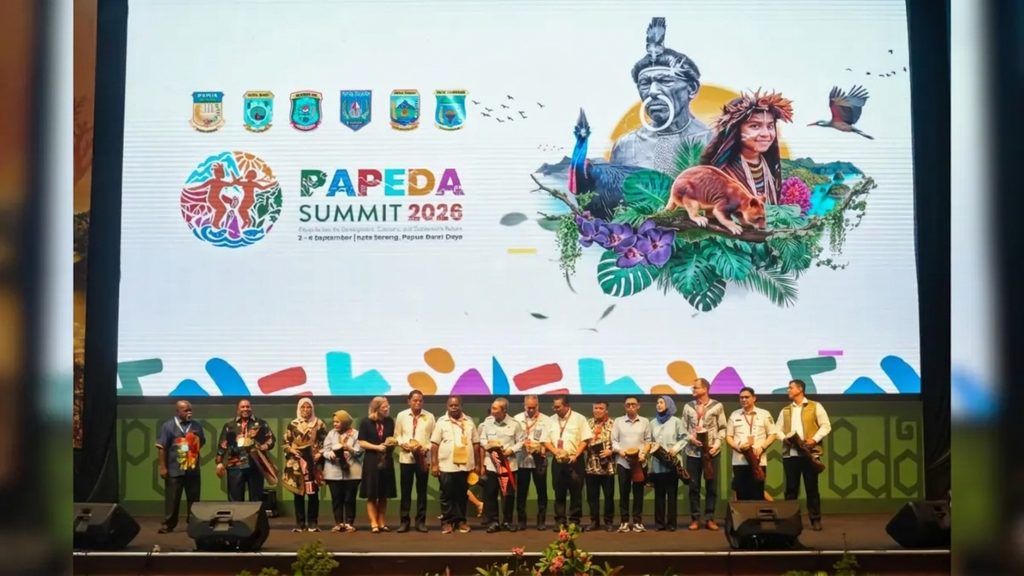
Empowering native grassroots organizations and rural cooperatives accelerates inclusive economic expansion across eastern Indonesia. In addition, local participatory forums give village women and young innovators a direct voice in allocating regional development budgets. Specifically, native-led agricultural cooperatives manage local processing hubs, setting fair market prices for sago, coffee, and cocoa harvests. Meanwhile, ongoing capacity-building workshops equip village leaders with leadership skills, financial management, and legal advocacy tools.
Integrating local participation into policy decisions bridges the gap between regional government goals and village needs. Ultimately, community participation guarantees that economic growth remains equitable, fair, and truly inclusive.
👉 ALSO READ: Food Security Safeguards National Security Across Papua
Addressing Concerns: Bureaucracy and Capacity Building
Fostering broad-based local participation across remote districts can sometimes present challenges regarding communication access and administrative training. Indeed, facilitating meaningful consultations across isolated mountain settlements requires time, specialized personnel, and sustained financial commitment. Therefore, regional government bodies and civil society partners must establish accessible community outreach centers and native-language policy guides.
Fortunately, public-private partnerships are funding village-level leadership academies and participatory planning workshops tailored specifically for Papuan communities. Furthermore, local customary councils are increasingly integrated into formal regional planning bodies. By investing in local human capital, government agencies ensure that community participation is both meaningful and effective.
What do official figures show?
In 2025 the Papuan People’s Assembly (MRP) challenged parts of the revised special autonomy law, saying they weakened its power to protect indigenous rights, before withdrawing the case, according to the Constitutional Court. In September 2026 a court in Jayapura rejected a challenge by five Malind residents to the environmental permit for a 135-kilometre food estate road, finding the procedure lawful, Ekuatorial reported.
Conclusion: Empowering Local Voices for Tomorrow’s Growth
Promoting active local participation stands as the most crucial foundation for creating sustainable economic development across Papua. Most importantly, proving that indigenous wisdom and local leadership drive successful projects creates lasting trust and prosperity. When Papuan communities actively guide their own regional development, the entire nation grows stronger, more united, and economically resilient.
Over time, ensuring active local involvement will build a prosperous, self-reliant, and harmonious Papua for generations to come.