Processing sago, coffee, cocoa and nutmeg near where they are grown, into flour, noodles, roasted coffee or oils, lets Papuan farmers earn more from each harvest, cut post-harvest losses and create local jobs in machine operation and packaging. The article notes that remote plants need stable power, such as solar microgrids, and trained technicians.
Accelerating Economic Growth Through Local Processing
Establishing regional agro-processing industries is becoming a vital necessity for long-term economic independence. In fact, relying solely on raw crop exports leaves farming communities vulnerable to market price shocks and post-harvest losses. In the past, smallholder growers sold unprocessed commodities like sago, coffee beans, and nutmeg at low profit margins.
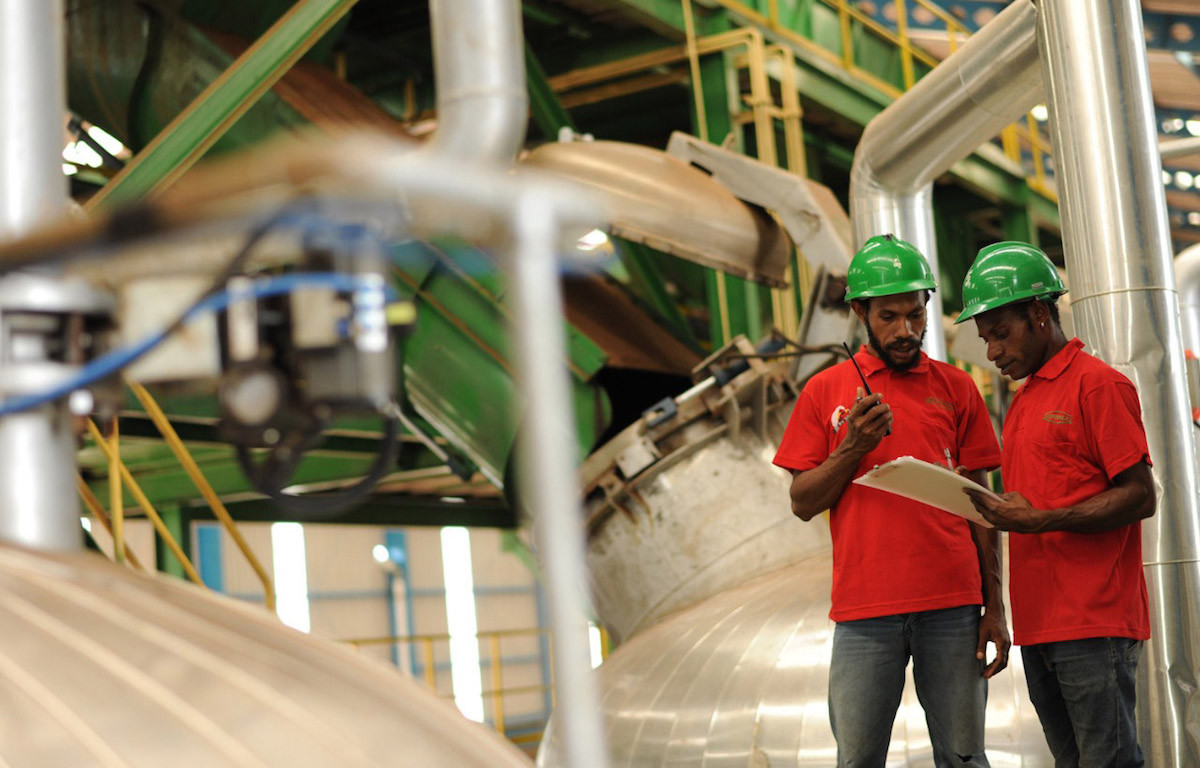
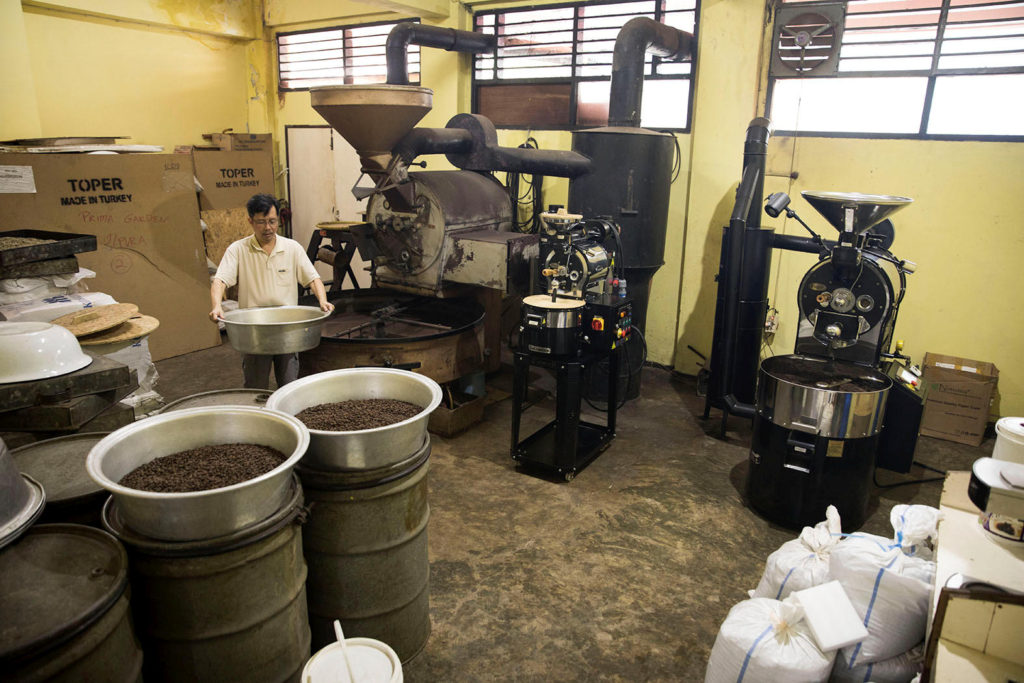
However, modern processing facilities, drying plants, and refineries now allow native farmers to add value directly within their home districts. By processing raw harvests into packaged flour, roasted coffee, and refined oils, rural communities capture maximum financial value locally. Consequently, this industrial transformation creates high-paying technical jobs for local youth while strengthening regional commercial autonomy. As a result, native farming cooperatives build lasting financial prosperity.
Key Pillars of Agro-Industrial Growth
Maximizing Harvest Value and Reducing Post-Harvest Loss
Developing localized agro-processing facilities gives Papuan farmers a stronger position in national markets. As Steve Mara discusses in Papua: The Heart of Indonesia–Pacific Food Resilience, sago can be transformed into flour, noodles, biscuits, and other value-added products. Processing these commodities near production areas can reduce post-harvest losses while allowing local cooperatives to capture more economic value before distribution.
Expanding agro-processing industries delivers several direct advantages:
- Value addition: First, converting raw crops into processed goods increases total market value and profit margins significantly.
- Waste reduction: Second, localized drying and preservation technology prevents perishable harvests from spoiling during transport delays.
- Employment generation: Third, processing facilities create diverse technical jobs in machine operation, packaging, and quality control.
- Market stability: Finally, shelf-stable processed goods allow farmers to store inventory safely and avoid panic selling during price drops.
Building downstream industrial capabilities instills deep economic confidence among native agricultural producers. Rural communities, as a result, shift from raw suppliers into competitive leaders within the national food industry.
Standardizing Local Quality for National Supply Chains
Meeting rigorous national health standards and obtaining commercial certifications opens lucrative retail pathways for local agro-processors. In addition, food scientists work closely with rural cooperatives to enforce strict hygiene and quality management protocols. Specifically, small-scale cocoa and coffee plants now manufacture premium goods that carry national Halal and BPOM quality seals. Meanwhile, digital tracking systems on packaged products guarantee complete transparency from farm harvest to consumer shelves.
Elevating local food safety standards connects rural enterprises directly with national supermarket chains and export channels. Ultimately, professional quality control converts traditional crops into trusted, high-value consumer brands.
👉 ALSO READ: Processing Native Harvests Builds Sustainable Papuan Food Industry
Addressing Concerns: Energy Infrastructure and Technical Skills
Operating agro-processing machinery in remote districts can present operational hurdles regarding stable electrical power and technical upkeep. Indeed, processing equipment requires steady energy supplies and skilled maintenance technicians to ensure uninterrupted production. Therefore, regional government policies and private partners must invest in solar microgrids and local technical training academies.
Fortunately, modern agro-processing units are designed to be energy-efficient, modular, and easy to maintain in tropical conditions. Furthermore, regional vocational institutes train local youth to operate and repair processing machinery effectively. By combining renewable energy with practical technical education, rural communities establish fully self-sustaining agro-industrial centers.
What do official figures show?
A state-owned sago flour factory in South Sorong was designed to produce 100 tonnes of flour a day, according to the State Secretariat. According to the Ministry of Agriculture, Papua holds about 5.3 million hectares of sago, more than 95 percent of Indonesia’s sago land, yet the country uses only about 6 percent of its sago potential.
Conclusion: Refining the Harvest for a Sustainable Future
Developing agro-processing industries across Papua stands as the most effective strategy for building durable regional economic strength. Most importantly, refining local harvests within native districts proves that rural communities can manufacture competitive, world-class products. When local farmers manage the complete supply chain from field to packaged goods, the entire region gains economic independence.
Over time, expanding agro-processing industries will ensure a prosperous, self-reliant, and economically thriving Papua for generations to come.