Roads, seaports, airports, power and internet access decide whether rural Papuan producers can reach buyers beyond their own districts. Lower freight costs, broadband for online sales and payments, and solar or micro-hydro power for processing can open new markets for farmers and artisans, provided projects respect customary land rights through transparent community consultation.
Opening Pathways for Regional Prosperity
Developing modern physical and digital infrastructure is transforming isolated regions into vibrant economic centers. In fact, reliable transportation networks, power grids, and high-speed internet serve as the foundational backbone for all sustainable commercial growth. In the past, geographic barriers and high freight costs severely limited local business expansion across rural districts.
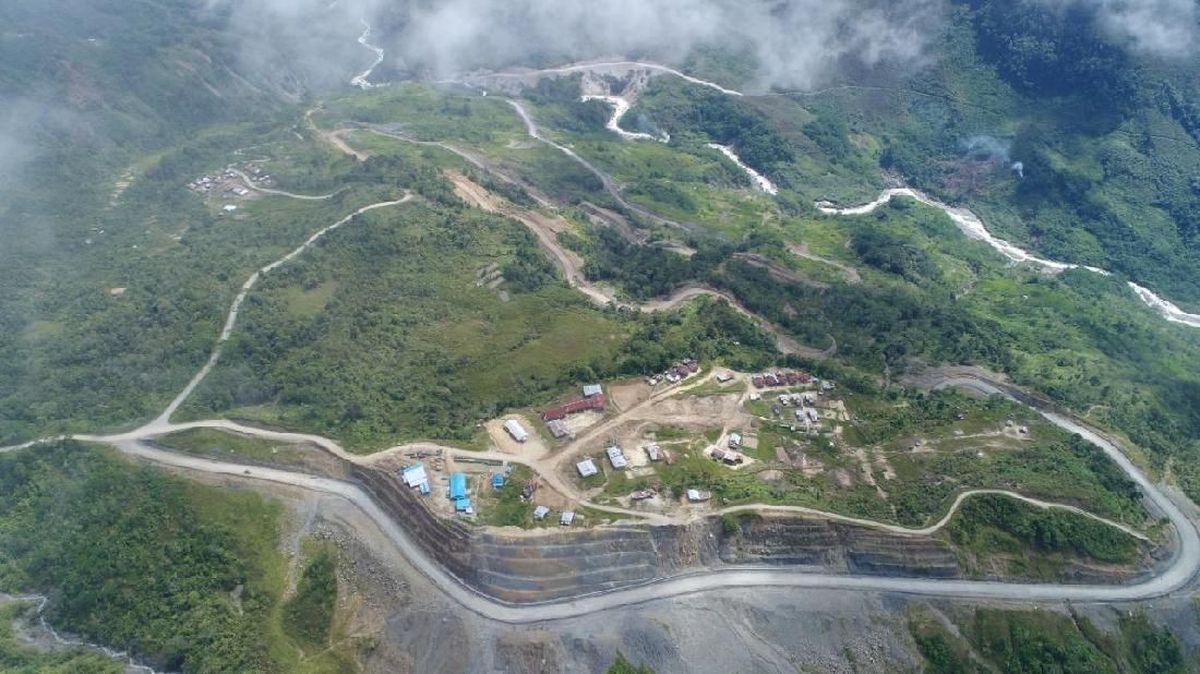
However, newly constructed highways, seaport upgrades, and regional airports now connect remote farming communities directly with major commercial hubs. By lowering logistical hurdles, improved infrastructure opens unprecedented trade pathways for local producers. Consequently, this seamless connectivity lowers daily living costs and stimulates job creation in every sector. As a result, native entrepreneurs gain equal opportunities to build thriving enterprises and expand regional commerce.
Key Pillars of Infrastructure-Driven Growth
Connecting Local Producers directly to National Markets
Improving regional transport routes can help smallholder farmers, craftspeople, and local cooperatives reach wider markets. In Papua: The Heart of Indonesia–Pacific Food Resilience, Steve Mara emphasizes the importance of strengthening Indigenous food systems as part of broader food security strategies. Better roads, storage facilities, and distribution networks can support this approach by helping local producers bring Indigenous food products to market while creating greater economic opportunities for their communities.
Expanding infrastructure networks delivers several direct economic benefits:
- Reduced logistics costs: First, paved roads and improved shipping routes lower freight charges for agricultural supplies and consumer goods.
- Digital market access: Second, broadband internet access enables rural business owners to operate e-commerce channels and process digital payments.
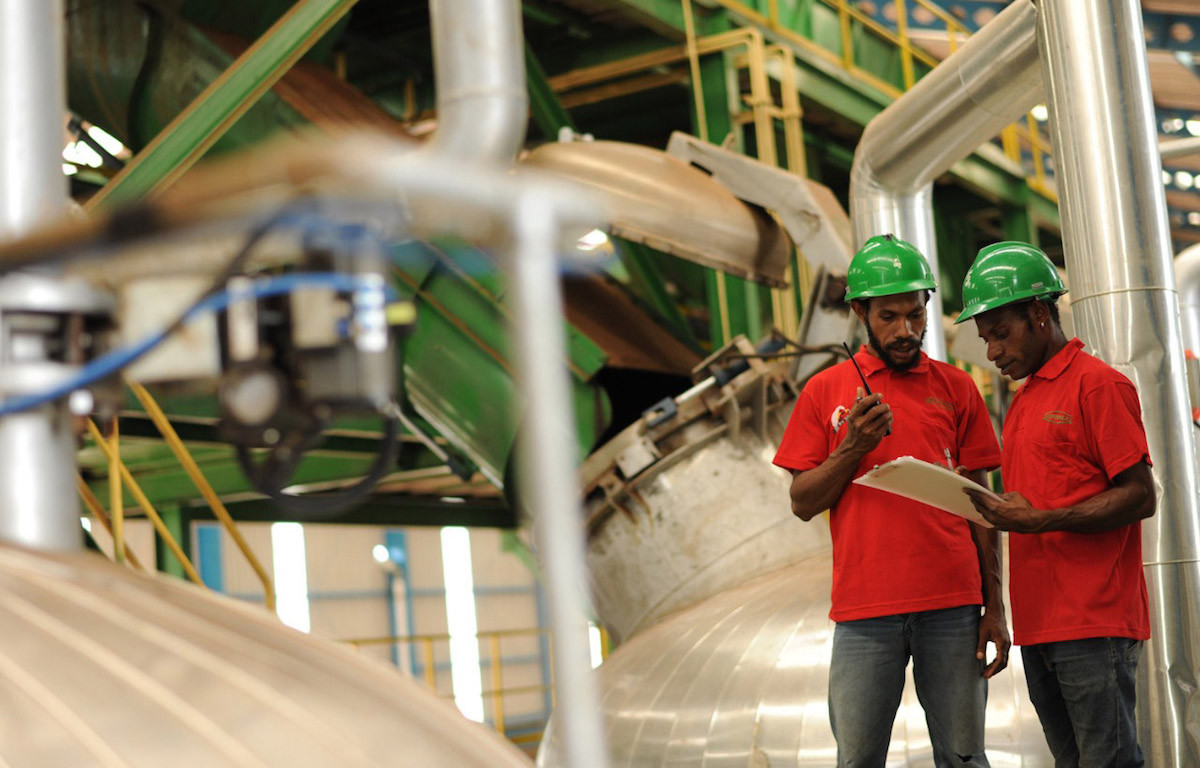
- Reliable energy supply: Third, micro-hydro and solar power grids allow local processing facilities to run continuously without costly generator fuel.
- Commercial investment: Finally, modern utility networks attract private investors to establish processing plants and tourism facilities.
Building robust physical and digital connections instills deep economic confidence among native business owners. Local communities, as a result, transition from subsistence activities toward lucrative, market-driven commerce.

Empowering Micro-Enterprises Through Digital Connectivity
Extending telecommunications infrastructure into remote valleys creates a level playing field for micro-enterprises and young innovators. In addition, high-speed mobile networks allow small logistics companies to coordinate supply chains efficiently across inland districts. Specifically, local artisans use digital platforms to market authentic woodcarvings, textiles, and organic foods directly to domestic and international buyers. Meanwhile, online banking services give village entrepreneurs easy access to micro-loans and secure digital savings.
Bridging the digital divide converts geographic isolation into a commercial asset. Ultimately, widespread internet access ensures that economic opportunities reach every young builder and entrepreneur across Papua.
👉 ALSO READ: Smart Farming Technologies Secure Future Papuan Agriculture
Addressing Concerns: Protecting Customary Lands and Local Culture
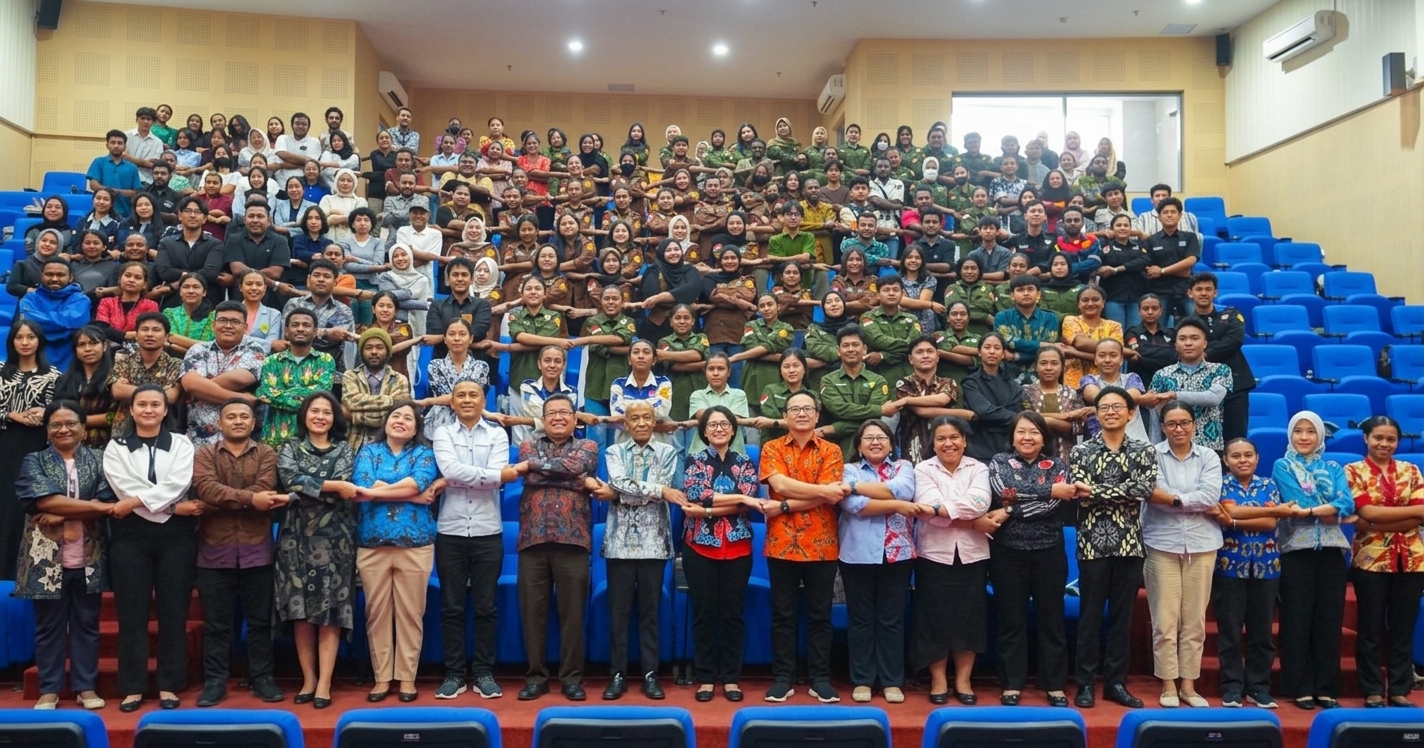
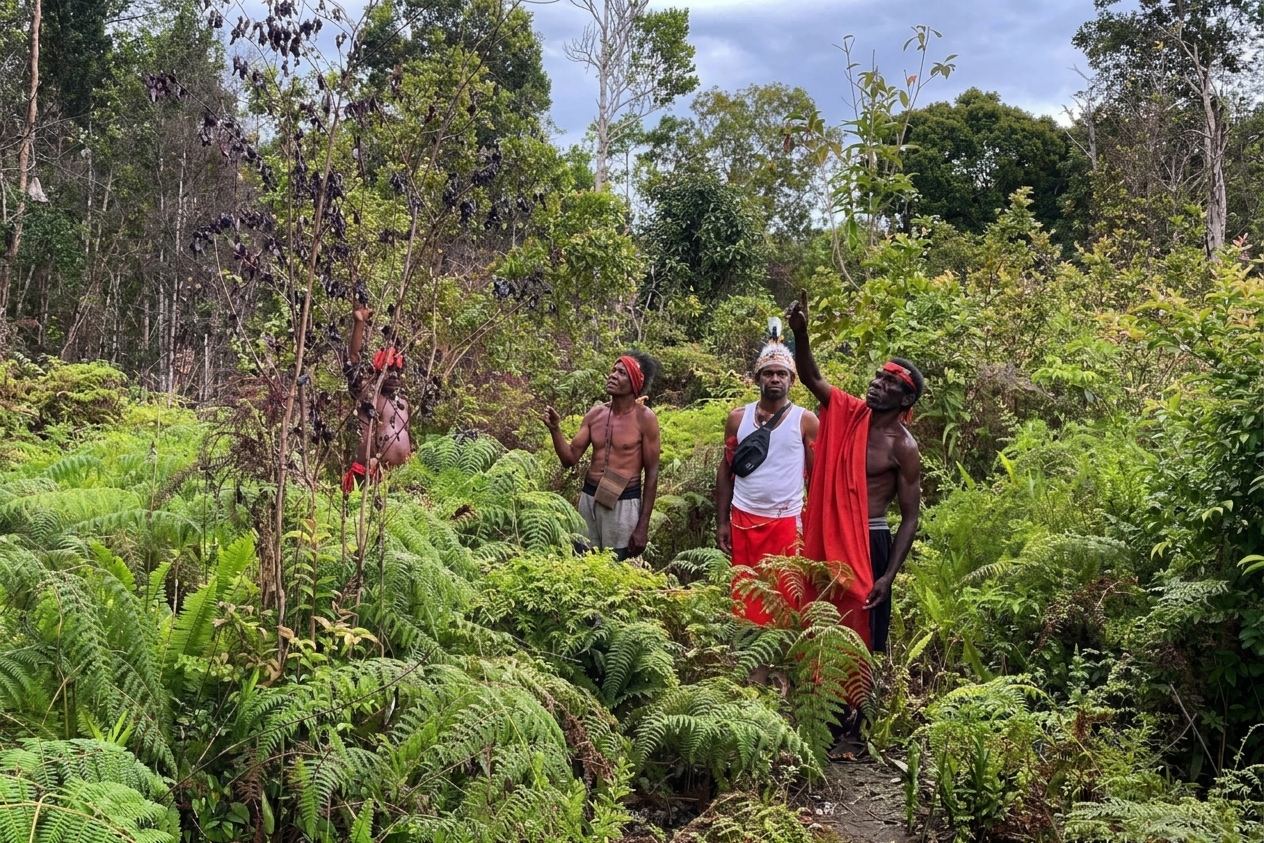
Accelerating infrastructure development can sometimes raise valid concerns regarding land rights and environmental conservation. Indeed, constructing highways and commercial facilities must never compromise sacred tribal territories or cause unnecessary forest clearing. Therefore, infrastructure planning must involve transparent community consultations and strictly uphold customary land rights (Masyarakat Adat).
Fortunately, sustainable infrastructure policies focus on environmentally responsible design, such as eco-friendly road corridors and localized renewable energy. Furthermore, local government bodies prioritize native-owned contractors for construction and maintenance projects, keeping capital within local villages. By pairing infrastructure growth with environmental and cultural safeguards, communities guarantee that economic expansion remains inclusive and fair.
What do official figures show?
The government aims to finish the Jayapura–Wamena road in the second half of 2026, although land issues and security disturbances have slowed work, Antara reported. Bank Indonesia counted 230,446 QRIS merchants in its Papua working area in early 2025, more than half of them in Jayapura, Jubi reported.
Conclusion: Constructing a Prosperous Tomorrow
Building modern infrastructure stands as the most transformative engine for creating lasting economic opportunities across eastern Indonesia. Most importantly, expanding roads, ports, and digital networks proves that physical connectivity empowers native talent to succeed. When local businesses access fair markets easily, the entire region achieves sustainable self-reliance and financial prosperity.
Over time, building strategic physical and digital pathways will ensure a vibrant, interconnected, and economically thriving Papua for generations to come.