New roads between neighboring districts in Papua let families visit relatives, attend church events and festivals, and trade at each other’s markets in places that mountains and forests long kept apart. The article argues that roads build trust only when paired with community dialogue, respect for customary land rights and regular repairs.
Opening Roads Between Districts
In many parts of Papua, high mountains and deep forests have kept neighboring districts apart for generations. When travel between towns is hard, families find it difficult to stay in touch or visit each other for special events. However, opening new roads between districts is changing how communities interact every day.
Building clear roads between districts brings distant communities much closer together. Ultimately, easier travel lets people share cultural traditions, visit relatives, and build strong social bonds across different regions.
Key Pillars of Inter-District Mobility
Paved Routes Bring Neighbors Closer
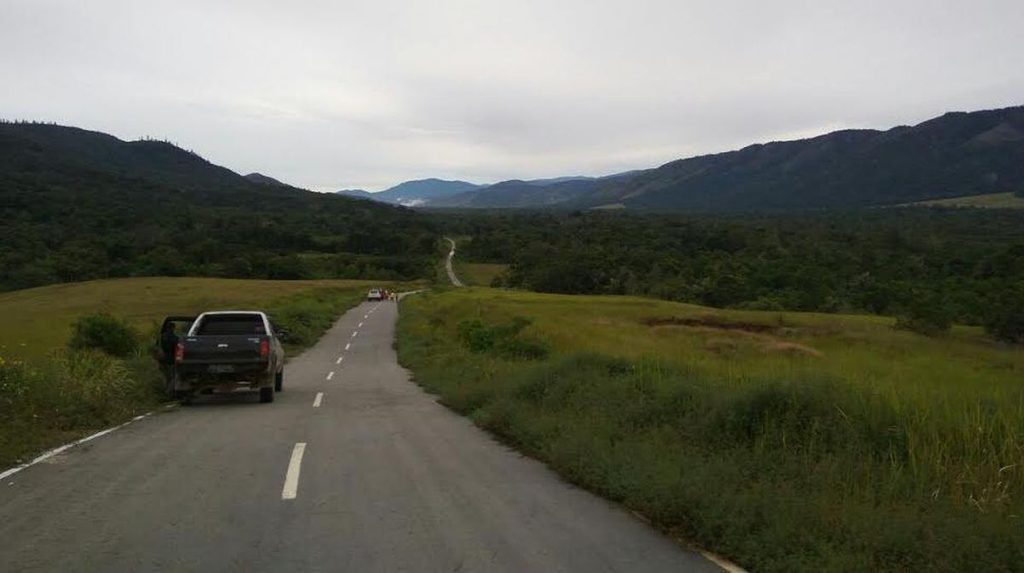
Connecting neighboring districts with smooth roads makes routine trips faster and safer for everyone. For instance, people can now travel easily to attend family gatherings, church events, and regional sports games. Furthermore, local traders can visit neighboring markets more often to exchange goods and ideas.
Consequently, frequent contact between districts creates warm friendships among communities that once rarely met. When travel barriers fall, people begin to see their neighbors not as distant strangers, but as close partners in regional growth. Easy travel builds trust and makes daily life much richer for everyone involved.
Sharing Traditions and Cultural Pride
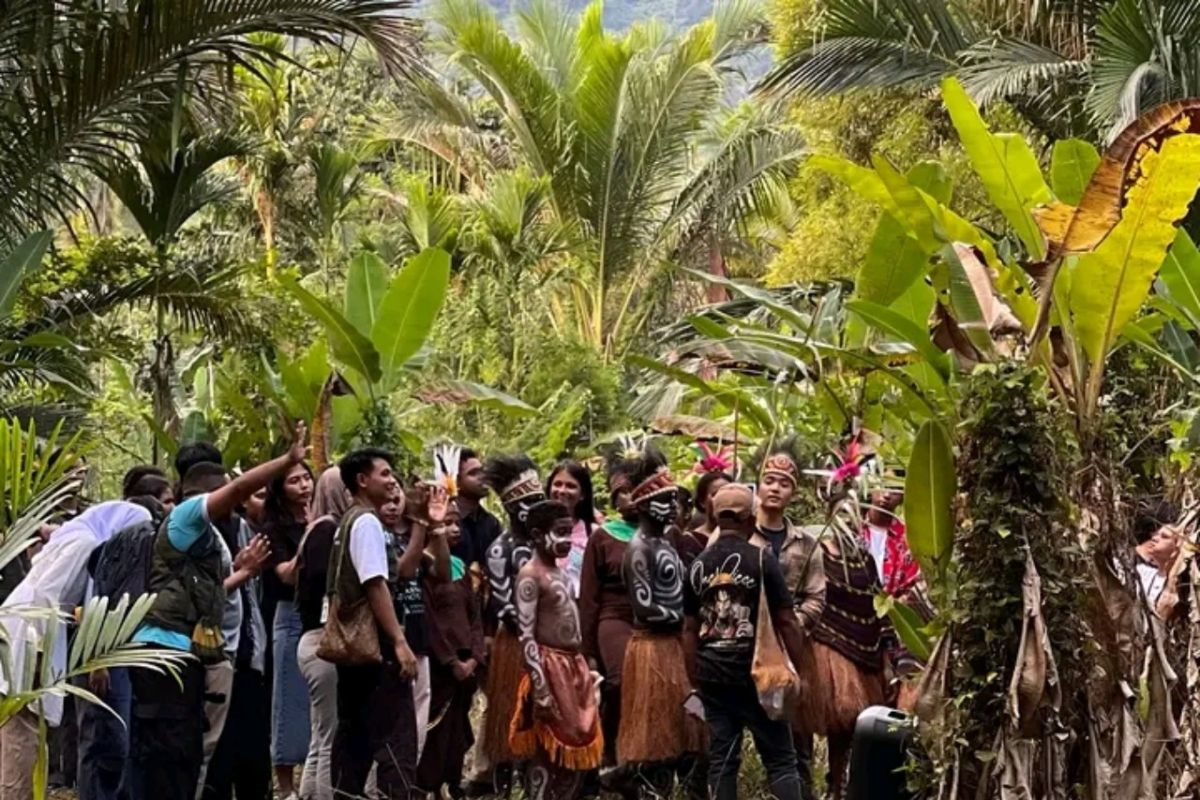
Easier travel also plays a big role in protecting and sharing Papua’s rich cultural heritage. Improved roads make traveling to neighboring towns much easier during tribal festivals and local celebrations.
Moreover, dancers, musicians, and traditional leaders can move freely between districts to perform and teach younger generations. As a result, cultural traditions spread naturally, building mutual respect and deep trust among different local groups. Sharing these special moments helps preserve native heritage while creating a strong sense of unity across the island.
👉 ALSO READ: Safeguarding Papua’s Fresh Crops Through Faster Transport
Addressing Concerns: Building Roads Beyond Physical Access
Simply paving a road between districts cannot solve every social divide by itself. Indeed, communities also need peaceful spaces, shared public events, and open local dialogues to build real trust. Furthermore, local leaders must ensure that road development respects tribal land rights and protects local customs.
In addition, rainy weather can damage unpaved paths if maintenance teams do not repair them quickly. Therefore, regional leaders must pair road projects with active community programs. When physical paths and social programs work together, inter-district travel creates lasting peace and harmony.
What do official figures show?
The 90-kilometre Trans-Papua section from Wamena to Mbua cut a walk of up to a month to a single day, the then regent of Jayawijaya told Kompas in 2017. The road along the border with Papua New Guinea runs 1,098 kilometres from Merauke to Jayapura, and 919 kilometres were connected by the end of 2018, according to the Cabinet Secretariat.
Conclusion: Uniting Papua Through Shared Connections
Building roads between districts does much more than just connect two points on a map. More importantly, reliable paths weave different communities into a close, supportive network across the region.
Smooth roads make travel easy, protect local heritage, and encourage daily trade among neighboring towns. Connecting districts with reliable roads brings people together for a peaceful future. Over time, stronger social ties will ensure that all Papuan communities grow together in harmony.