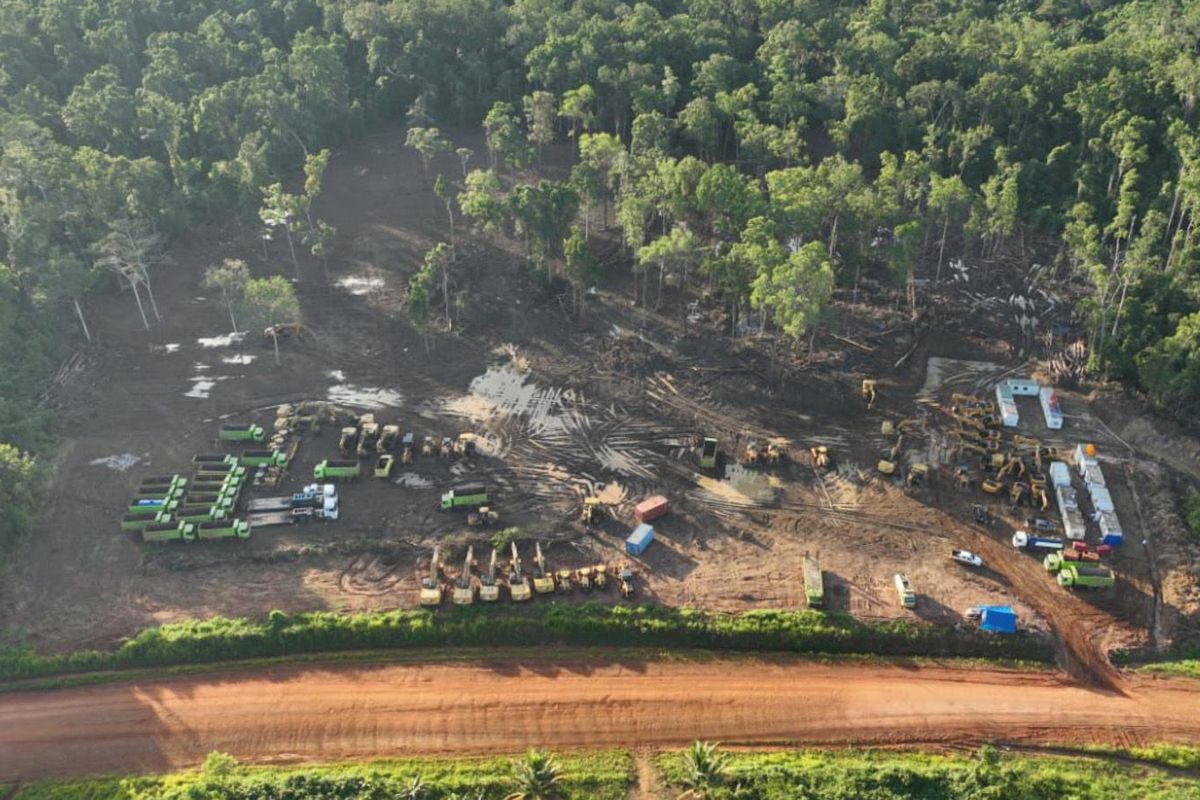
The article argues that Papua can move toward economic independence beyond 2030 by linking roads, sea ports, storage facilities and agriculture into one supply chain. Better roads widen market access and lower transport costs for rural producers, while integrated logistics move farm goods to regional trade hubs without costly delays.
Papua’s Economic Outlook Beyond 2030
The long-term economic outlook for Papua depends on integrating infrastructure, logistics, and agriculture effectively. Better connectivity helps local producers reach distant markets. In addition, stronger supply chains support the efficient movement of goods.
These sectors become connected foundations for regional growth. Consequently, Papua advances toward sustainable economic independence beyond 2030.
Key Pillars of Economic Growth
Road Connectivity Supporting Papua’s Economy
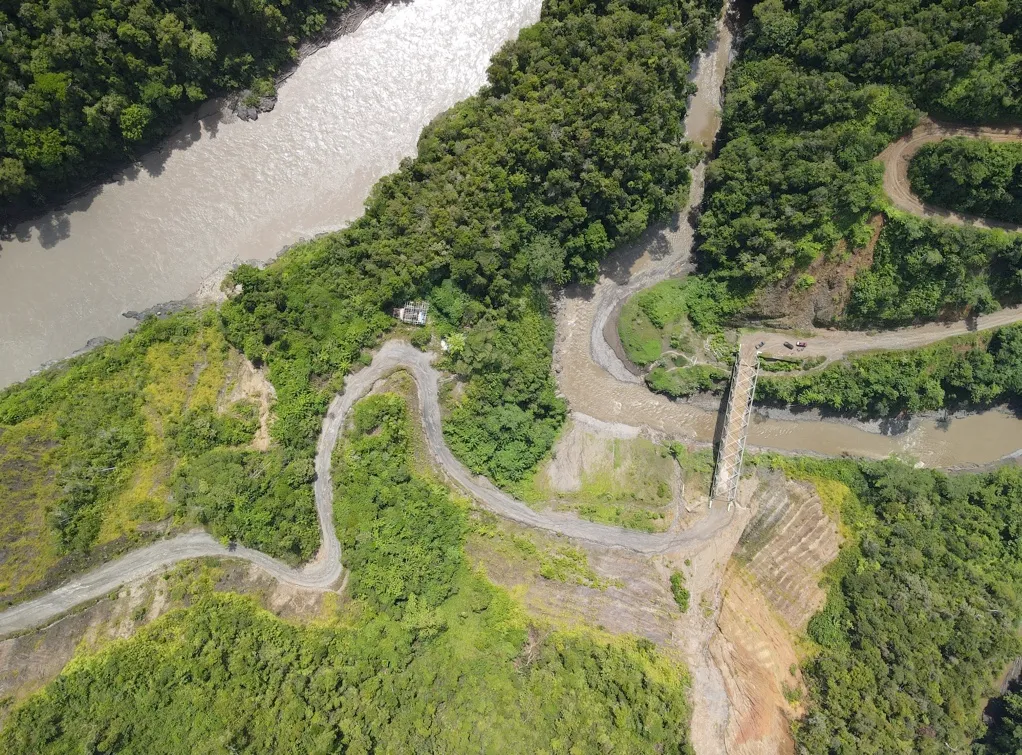
Road networks provide the essential physical link between production areas and consumer markets. For instance, improved connectivity reduces isolation across remote rural districts.
Better roads deliver several key benefits. First, they expand market access for rural producers. Second, they lower transport costs for local businesses.
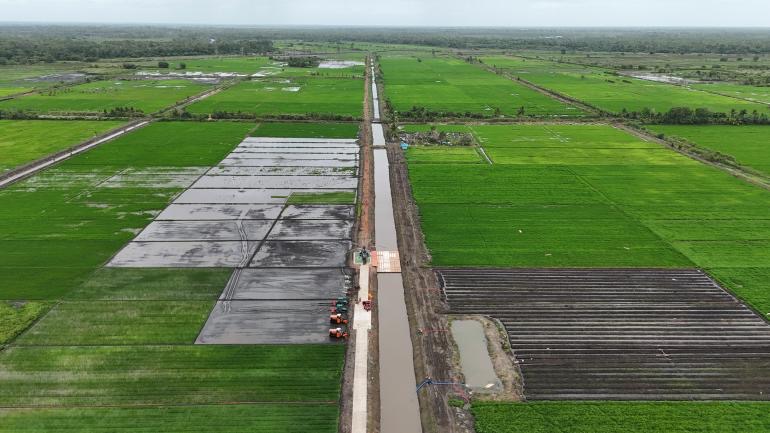
Furthermore, efficient transport networks accelerate agricultural distribution. As a result, new economic opportunities emerge along major trade corridors.
👉 ALSO READ: Papua Movement: Food, Infrastructure, and Security Synergy
Integrated Logistics and Regional Supply Chains
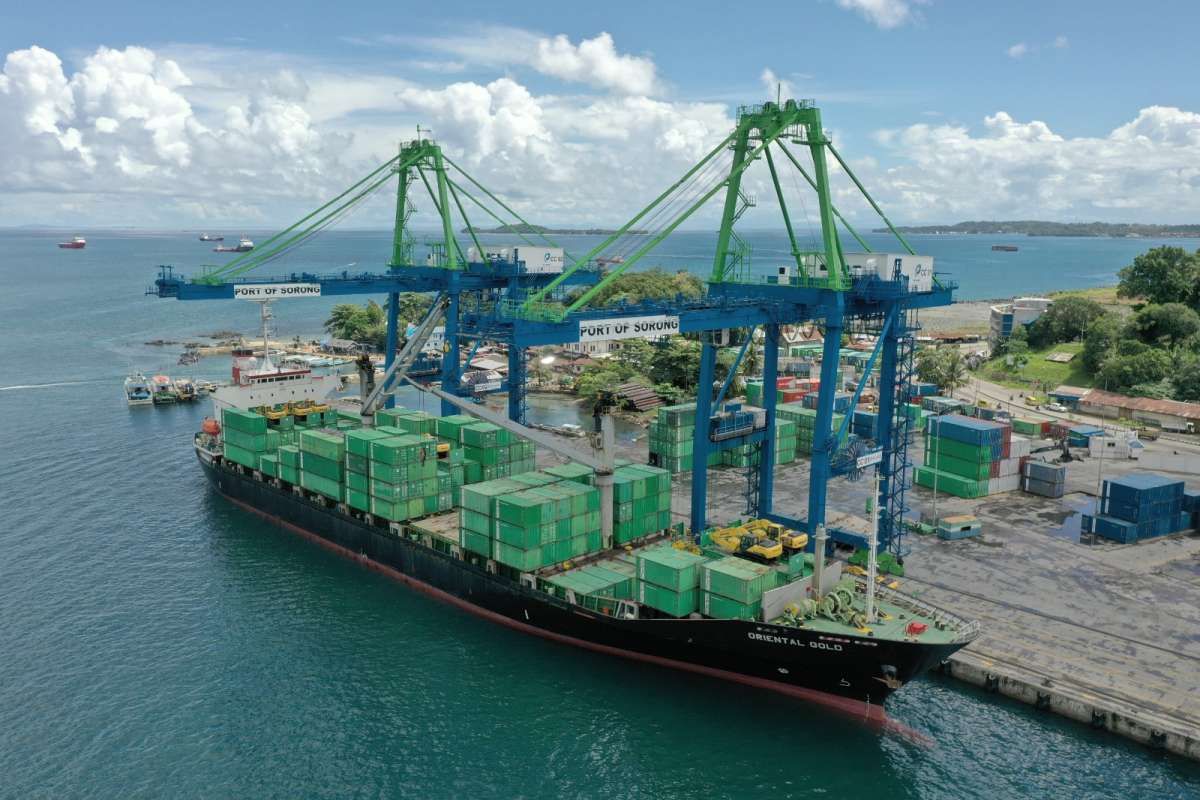
Strategic infrastructure development links regional roads directly with sea ports and storage facilities. Reliable logistics systems allow agricultural goods to move without costly delays.
Integrating transport networks strengthens supply chain resilience. Consequently, local producers gain reliable access to regional trade hubs. Therefore, long-term infrastructure investments drive continuous economic activity.
What do official figures show?
Papua and West Papua received Rp138.65 trillion in special autonomy and infrastructure funds between 2002 and 2021, the finance minister said in 2021, as reported by investor.id. Special autonomy funds rose from 2 to 2.25 percent of the national General Allocation Fund under Law No. 2/2021, according to the Ministry of Finance. The finance minister estimated that the extended fund would reach about Rp234.6 trillion until 2041.
Conclusion: Building Papua’s Economic Independence
In conclusion, achieving economic independence in Papua requires sustained investment and strong market connections. Integrating roads, logistics, and agriculture creates a resilient economic foundation.
Connecting these key sectors transforms regional potential into lasting prosperity. Consequently, Papua builds a self-reliant economy for 2030 and beyond.