Sorong’s best-known fish market is Jembatan Puri, a morning market where fishers sell their catch straight to traders, residents and curious tourists. The Sorong fish market sits at the heart of a growing marine economy in Southwest Papua. In addition, the government now wants to turn the area into a hub for processing tuna and other fish.
👉 ALSO READ: Visiting West Papua: What It Is Known For and How to Travel There
Sorong’s fishing economy at a glance
In short, these are the key numbers and places.
| Item | Detail | Source |
|---|---|---|
| Main fish market | Jembatan Puri, Sorong City (early morning trading) | Antara |
| Fishers in Sorong Regency | About 2,000 | Antara |
| Catch in Sorong Regency | About 7,500 tonnes a year, against a target of 10,638 tonnes | Antara |
| Main catch | Anchovy, scad, tuna, mackerel, Spanish mackerel, skipjack and grouper | Antara |
| Fish couriers (“ojek ikan”) | About 164, carrying fish from port to traders every day | Antara |
| Processing plan | Sorong Special Economic Zone as a seafood processing hub | Antara |
Sources: Antara, 2020; Antara, July 2026; Antara, September 2026.
What is the Jembatan Puri fish market?
Jembatan Puri is Sorong’s traditional fish market and auction place. Every morning, fishers and traders buy and sell many kinds of sea fish there. As a result, the market has also become a stop for foreign and domestic tourists (Antara).
Some of the buyers run seafood stalls at Tembok Berlin, a popular sunset spot in Sorong. There, diners choose their own fish, which is then grilled and served with rice and a sour chilli sauce called colo-colo (Telusuri).
Why do tourists visit a fish market in Sorong?
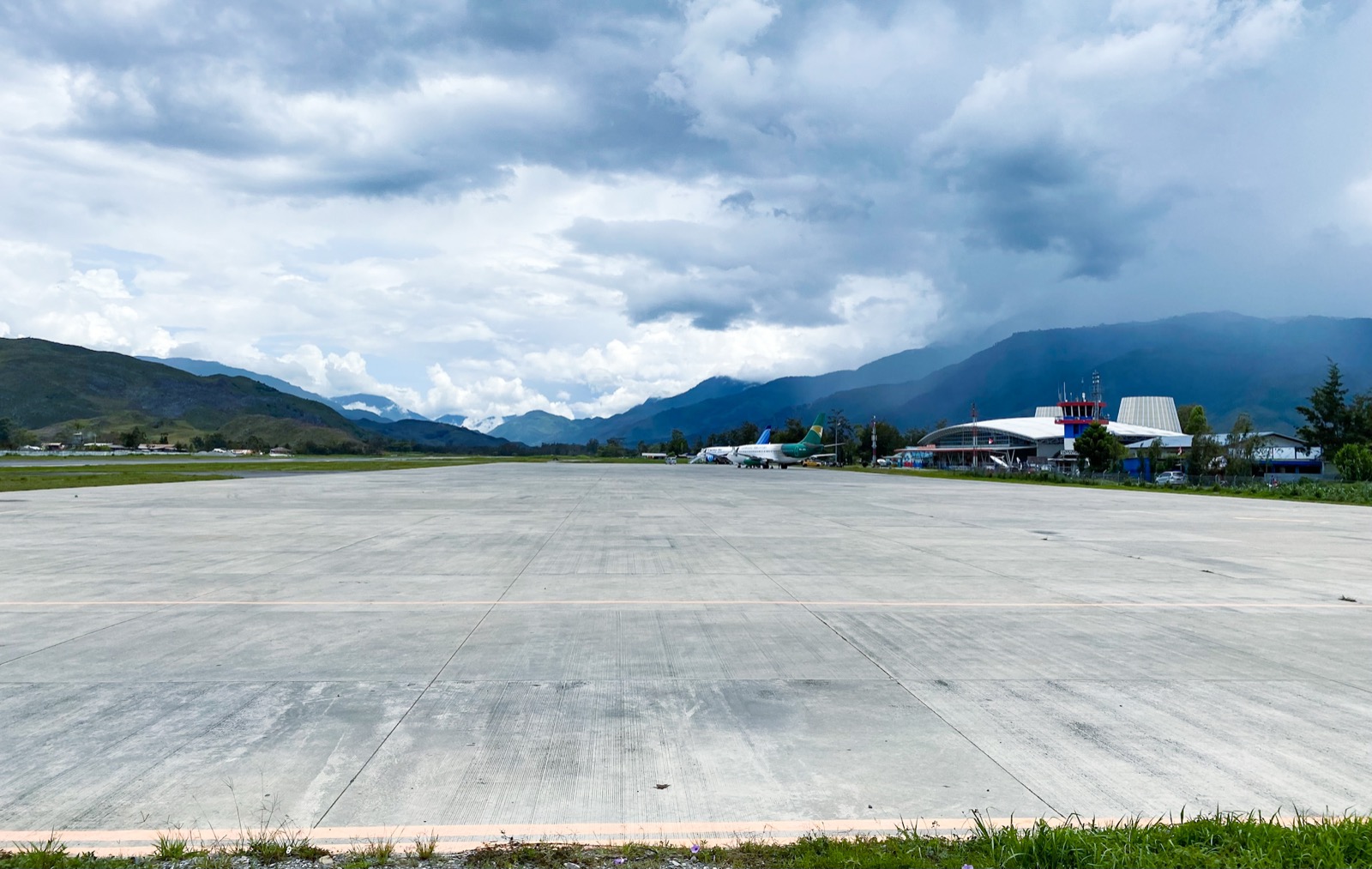
Sorong is the gateway to Raja Ampat. In fact, almost every visitor to Raja Ampat flies into Sorong’s Domine Eduard Osok Airport before taking a boat to the islands. Most visitors also spend a night in Sorong before or after the trip. Local guides therefore often bring them to watch the morning trading at Jembatan Puri. “I once took tourists from the Netherlands to see the fish trading at Jembatan Puri, and they were very happy,” a Raja Ampat guide told Antara. However, the same guide said the visitors objected when they saw young sharks for sale, and asked him to explain to locals why baby sharks should not be caught (Antara).
Who catches the fish?
Much of the fish comes from small-scale fishers. For example, in neighbouring Sorong Regency, about 2,000 fishers form the backbone of the sector. They land about 7,500 tonnes a year, or roughly 80% of the regency’s target, depending on weather and season. Their catch includes anchovy, scad, tuna, mackerel, skipjack and grouper. Then, about 164 fish couriers, known locally as “ojek ikan”, carry it from the port to traders and households every day (Antara).
However, the regency still has no fish landing facility of its own. So most fishers take their catch to the fishing port in Sorong City, which means much of the regency’s production goes unrecorded. Local officials have therefore asked the central government to build one (Antara).
What are the plans for fish processing?
The government wants more of the value to stay in Papua. In September 2026, an official from the Ministry of Investment and Downstream Industry said the Sorong Special Economic Zone could become “a prime location for the seafood processing industry”. Under this plan, tuna, skipjack and mackerel would be processed locally into products such as fish meal, fish oil, gelatin and collagen, instead of being sold as raw catch (Antara).
Even so, the same official listed the obstacles. These include high investment costs, weak infrastructure and distribution, a shortage of skilled workers, and banks that see fisheries as high-risk. He also called for vocational schools in fisheries, so that the industry does not have to rely on workers from other provinces (Antara).
What comes next?
For now, the morning market at Jembatan Puri remains the most visible face of Sorong’s marine economy. Next, a fish landing site in Sorong Regency and processing plants in the economic zone could add jobs and better data. Papua Movement will follow whether these plans move forward.
Sources
- Antara: Pasar tradisional jembatan puri Sorong disenangi para wisatawan (20 January 2020) (in Indonesian)
- Antara: Kabupaten Sorong usul bangun TPI dukung sektor perikanan tangkap (July 2026) (in Indonesian)
- Antara: Govt aims to develop Sorong Economic Zone into fishery processing hub (29 September 2026)
- Telusuri: Menyusuri Pasar Ikan hingga Warung Makan di Jembatan Puri Sorong (18 February 2021) (in Indonesian)
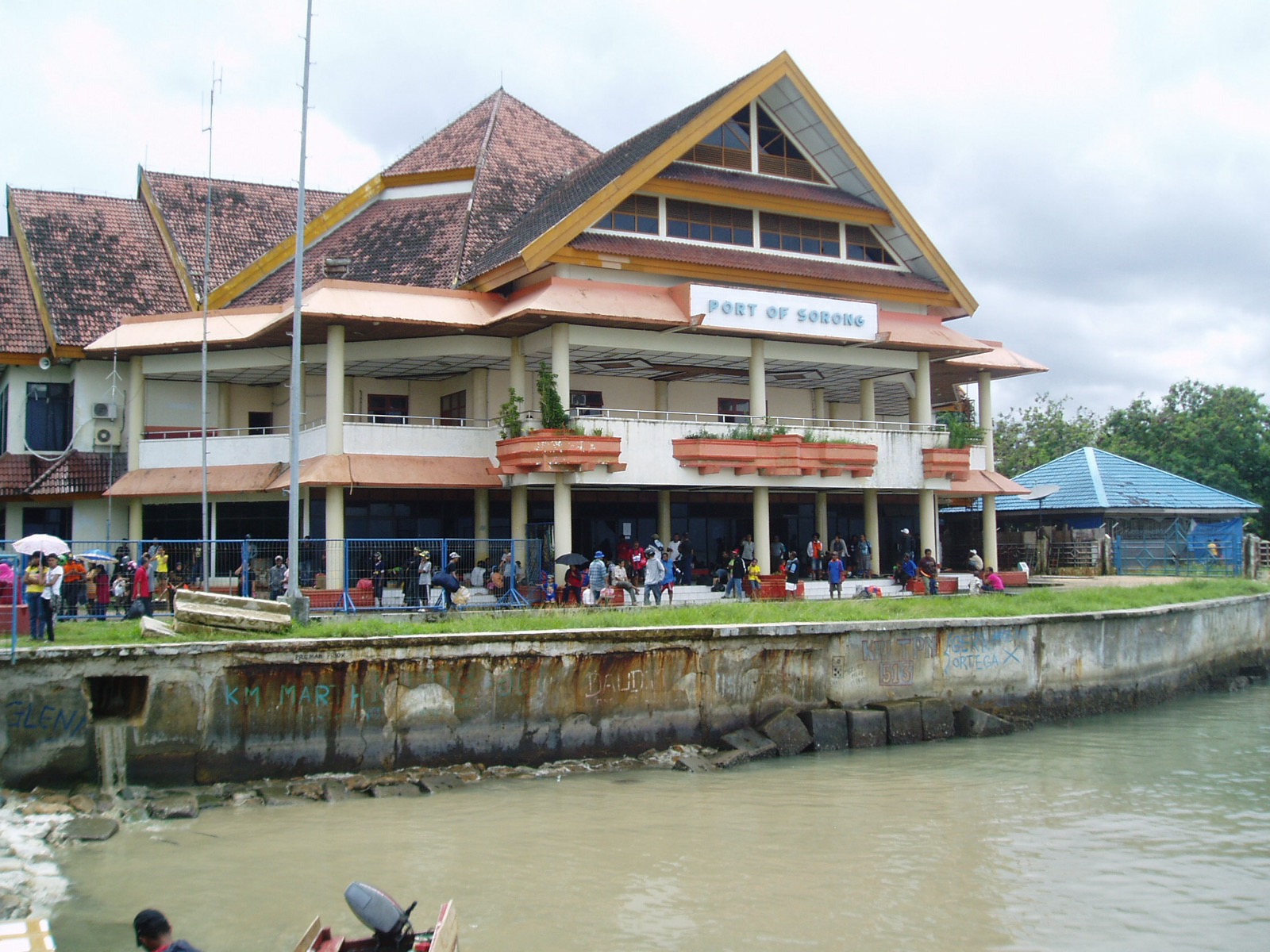
Featured image: The Port of Sorong passenger terminal, Southwest Papua (2010). Photo: Hardscarf, Wikimedia Commons, CC BY-SA 3.0.