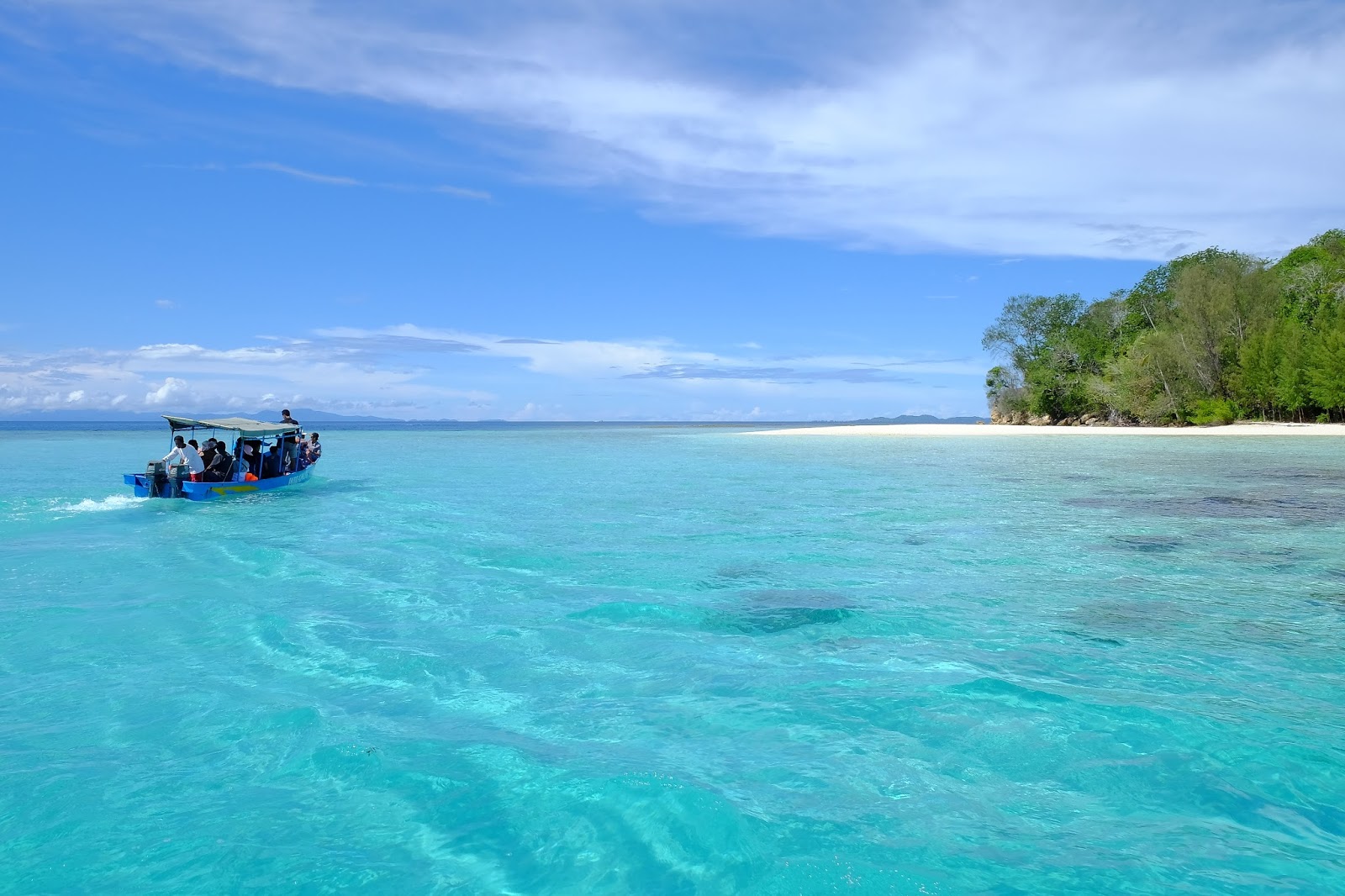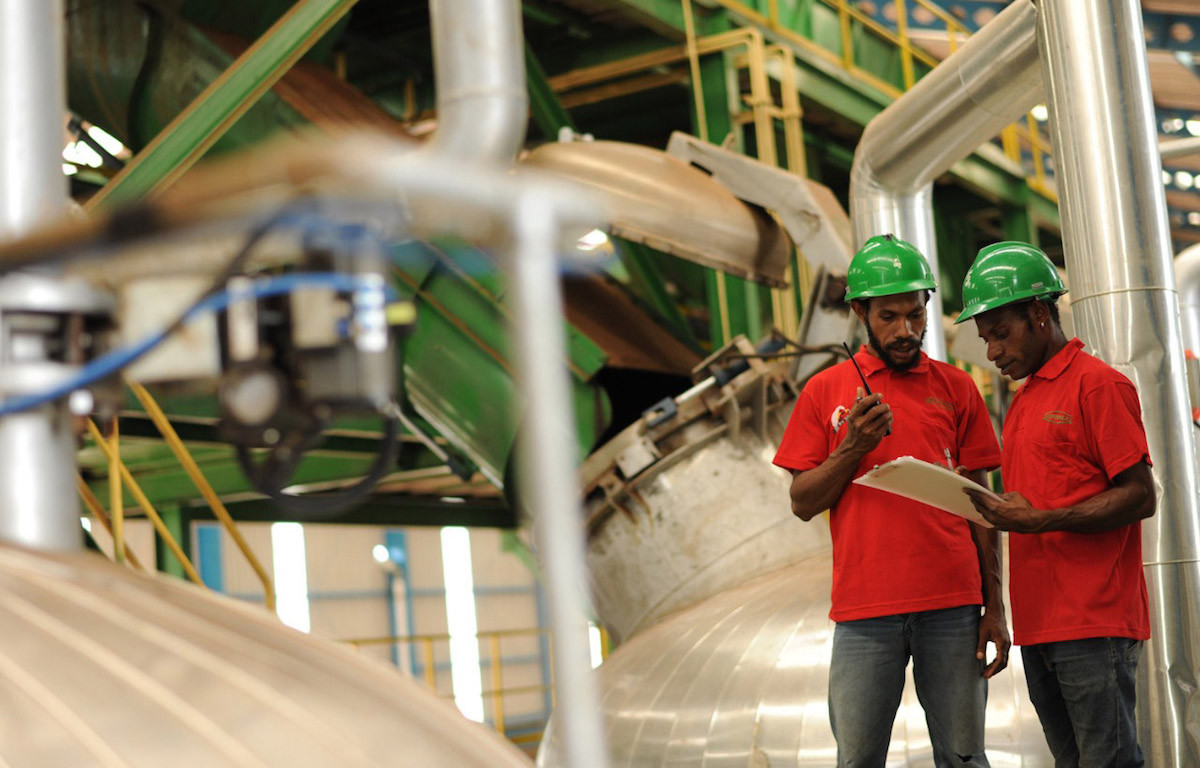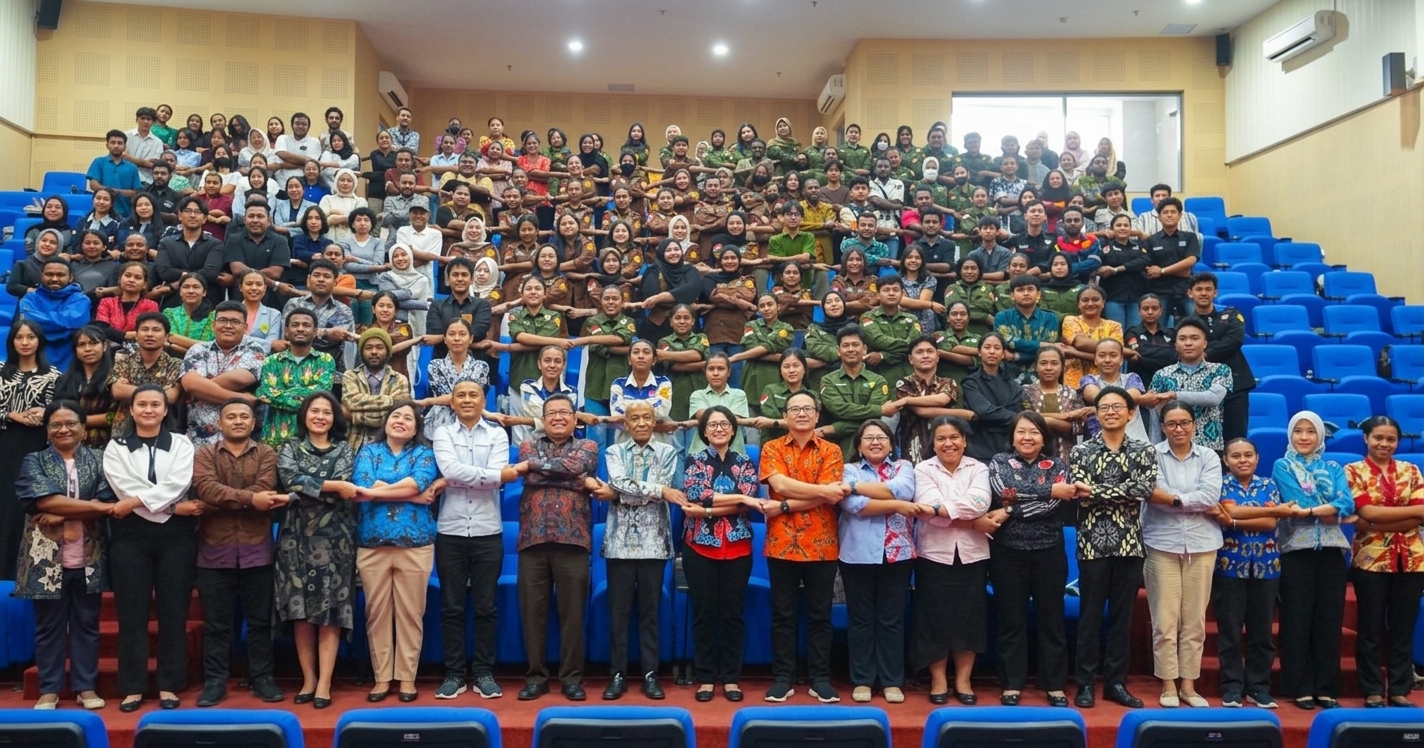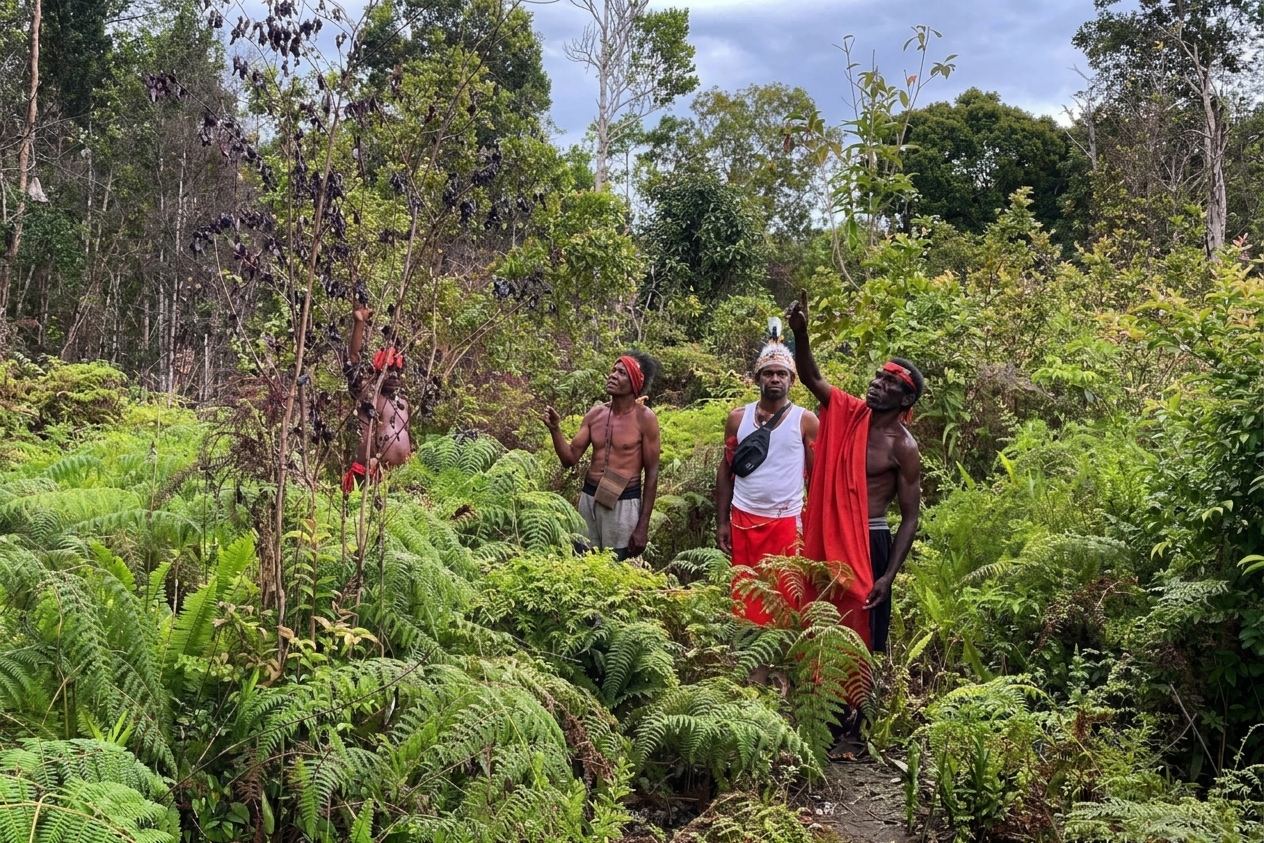
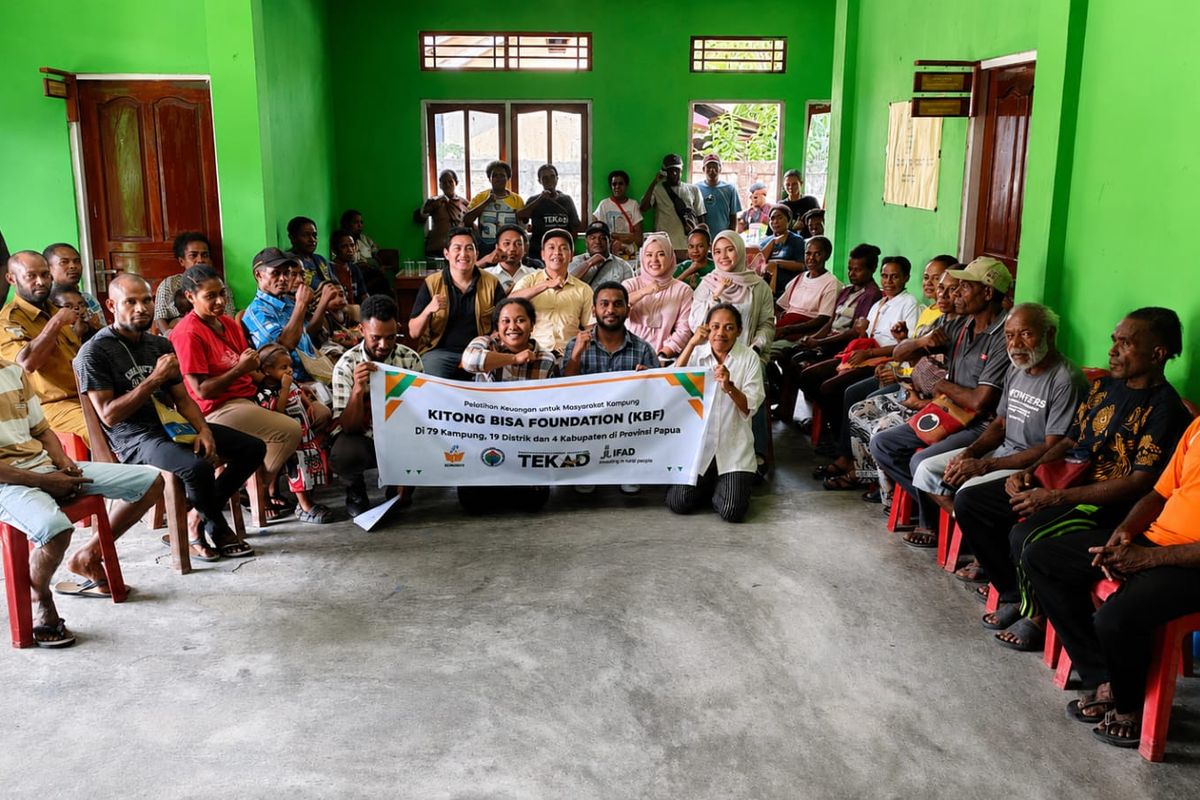
Minerals, forests and seas have long defined Papua’s wealth, but natural resources can run out or swing in price. Spending more of that revenue on schools, vocational training, health clinics and scholarships builds skills that keep producing value, so young Papuans can run local businesses and public services long after the resources are exhausted.
Investing in People Over Natural Wealth
Local communities and leaders are realizing that empowering people creates much greater value than relying solely on natural resources. In fact, rich minerals, dense forests, and vast seas have long defined the region’s immense physical wealth. However, finite underground resources eventually run out or fluctuate wildly in price on global markets.
In contrast, investing in quality education, health services, and professional skill-building yields permanent benefits for the entire region. By shifting focus toward human capital development, local authorities ensure that young citizens can innovate, build businesses, and lead their communities effectively. Consequently, this human-centered strategy builds true resilience across both urban centers and rural inland towns. As a result, Papuan families secure a far more stable and prosperous future.
Key Pillars of Human Capital Development
Prioritizing Education, Skills, and Health
Building a strong workforce requires steady support for basic schooling, specialized vocational training, and community health services. For example, well-funded classrooms and local health clinics ensure that young students stay healthy and eager to learn every single day. Therefore, investing in native talent creates a skilled workforce capable of driving modern industries forward.
This focus on human capital offers several direct benefits for regional development:
- Quality education: First, modern schools and scholarships provide young Papuans with vital knowledge in science, technology, and business.
- Vocational skills: Second, practical training centers teach essential trades like carpentry, mechanics, digital technology, and modern farming.
- Better healthcare: Third, accessible clinics and nutrition programs ensure that children grow up strong, active, and mentally sharp.
- Local leadership: Finally, empowering educated youth allows native leaders to manage local administration and commercial projects independently.
Strengthening these core pillars instills deep confidence among young workers and entrepreneurs. Local youth, as a result, become the main drivers of sustainable growth in their own hometowns.
Building Sustainable Local Economies
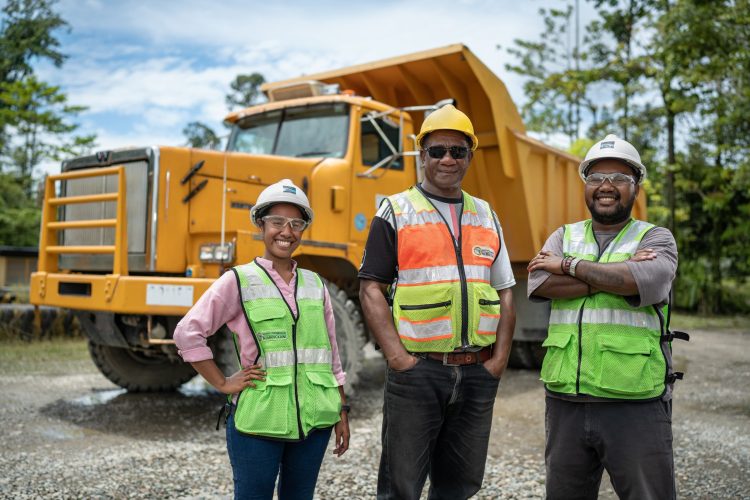
Human intelligence and creative problem-solving generate continuous wealth that never runs dry. In addition, highly skilled workers attract modern technology companies, green energy investments, and creative digital startups to the region. Specifically, educated local professionals can manage complex projects without needing outside expertise for every basic task. Meanwhile, successful local entrepreneurs create new jobs, reinvest profits into village projects, and mentor younger generations.
Prioritizing human capital transforms raw natural potential into sustainable economic independence. Ultimately, a knowledgeable population ensures that economic growth continues long after natural resources are exhausted.
👉 ALSO READ: How Local Empowerment Is Shaping Papua’s Future
Addressing Concerns: Balancing Resource Management with Education
Relying on natural resource revenues can sometimes create a false sense of security for regional planners. Indeed, selling raw minerals provides immediate financial capital, but it does not automatically guarantee long-term social progress for everyday families. Therefore, regional government policies must channel resource revenues directly into public education, teacher training, and healthcare facilities.
Fortunately, local leaders are increasingly using mining royalties to fund university scholarships and technical academies for Papuan youth. Furthermore, partnerships between local universities and international institutions expand learning opportunities for native scholars. By reinvesting natural wealth directly into human potential, communities guarantee that resource extraction leaves a positive, lasting legacy.
What do official figures show?
Under the ADik affirmative scholarship, the government has covered both selection and study costs for university students from Papua and West Papua, according to the Ministry of Higher Education. Special autonomy funds rose from 2 to 2.25 percent of the national General Allocation Fund under Law No. 2/2021, according to the Ministry of Finance.
Conclusion: Empowering People for Papua’s Future
Prioritizing human capital over finite natural resources stands as the ultimate key to sustainable regional success. Most importantly, empowering local minds proves that a region’s greatest asset is its people, not its underground minerals. When young Papuans gain quality education and practical skills, they lift their entire society toward long-term prosperity.
Over time, this dedicated focus on human potential will build a thriving, innovative, and resilient Papua for generations to come.