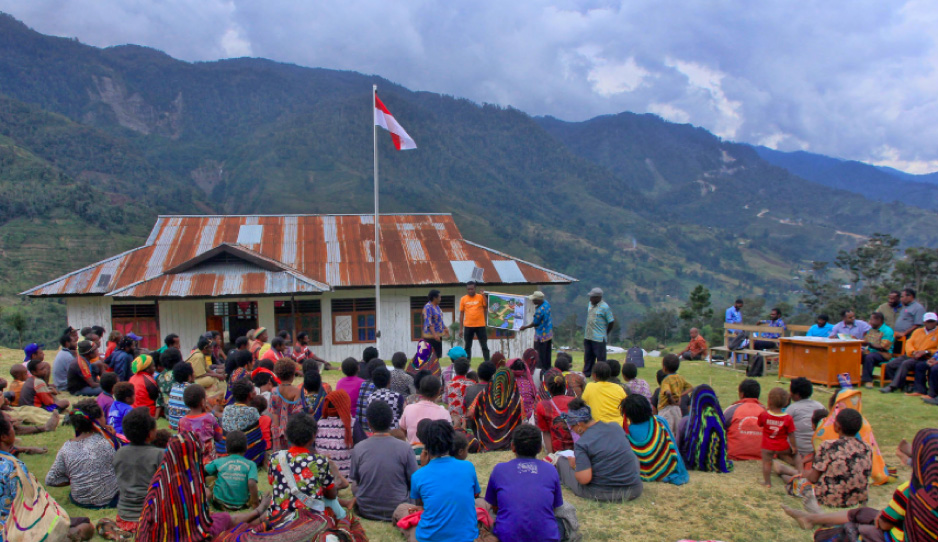
Roads, schools and clinics lay the groundwork, but lasting progress in Papua depends on local people leading it. Practical training in farming, repair, programming and eco-tourism, combined with community consultation on new projects and access to loans and markets, lets young Papuans build careers at home while respecting customary land rights.
Empowering Local Communities for Lasting Progress
Real progress across Papua begins with the strength, creativity, and dedication of its own people. While roads, schools, and health clinics build a strong physical base, true regional growth happens when local residents lead the way.
Today, young Papuans are stepping up as teachers, tech innovators, small business owners, and community organizers. Investing in local skills and native leadership ensures that development fits the real needs of rural families. Ultimately, empowering local citizens builds a self-reliant and proud future for the entire region.
Key Pillars of Local Development
Investing in Youth Skills and Local Talent
Creating long-term growth requires giving young people the tools and training they need to succeed in a modern economy. Across different towns, new vocational centers and digital workshops are teaching practical skills to eager students. For instance, young adults learn computer programming, sustainable farming techniques, mechanical repair, and eco-tourism management.
When youth gain practical knowledge, they do not need to leave their home villages to find rewarding careers. Instead, they apply their fresh skills directly within their home districts to start small shops, improve farm yields, and lead local projects. Consequently, training local talent creates vibrant economic activity and gives the younger generation a strong voice in shaping their own destiny.
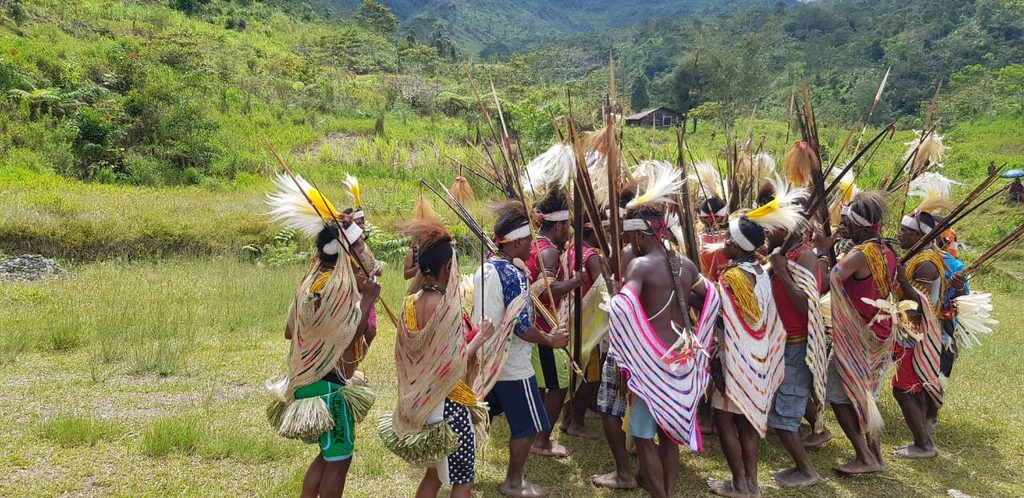
Community-Led Decisions Bring Sustainable Growth
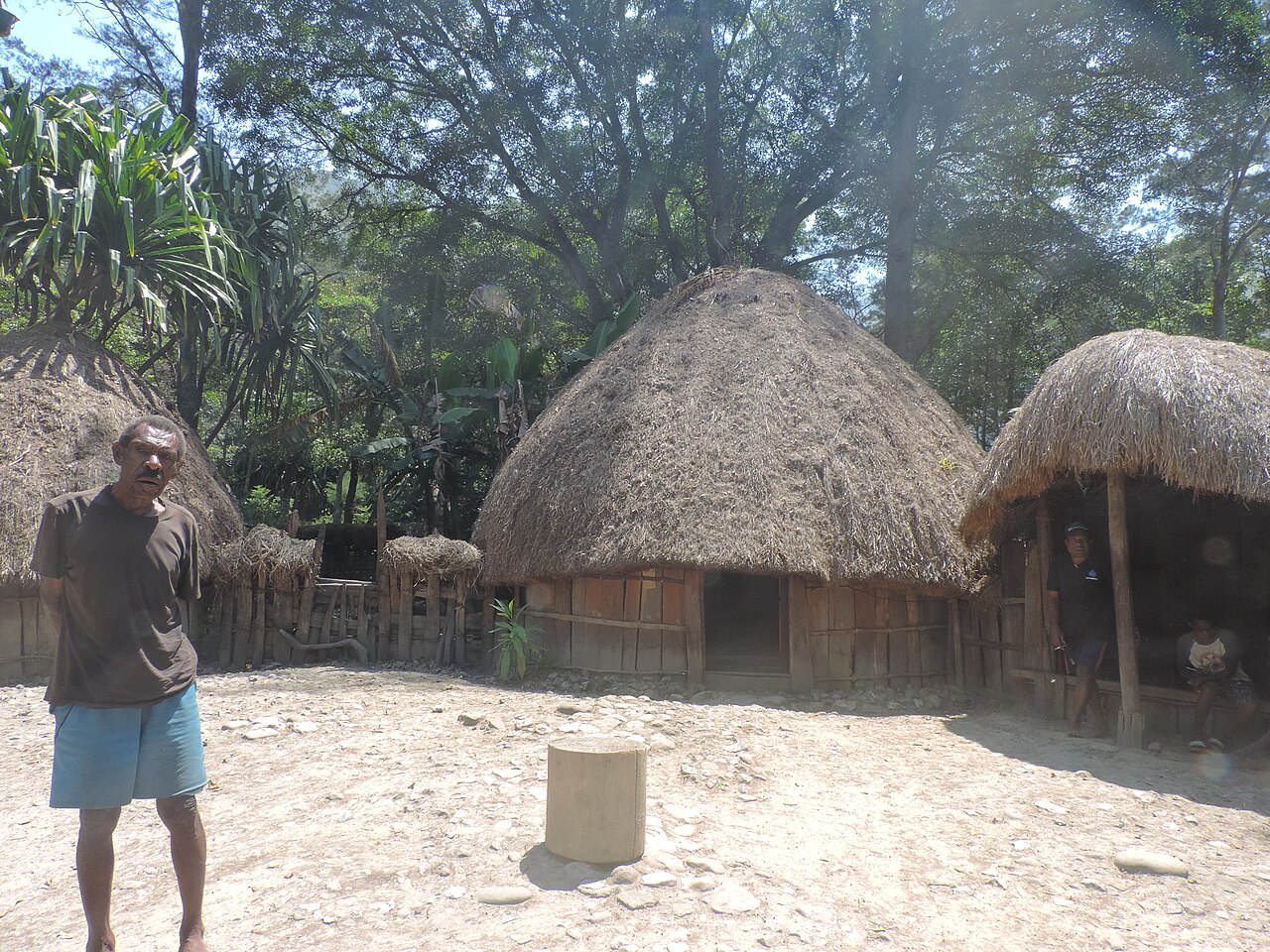
Top-down plans rarely succeed without the active participation and wisdom of native village leaders. Traditional tribal elders, women’s groups, and local youth councils understand the unique culture and geography of their lands better than anyone else. Therefore, sustainable development projects must actively consult local communities before building new facilities or launching new programs.
Involving native residents in planning ensures that new projects respect local traditions and tribal land rights. When communities take full ownership of local schools, water systems, and market hubs, they protect and maintain these facilities for future generations. Active local participation turns simple government projects into lasting community treasures.
👉 ALSO READ: Community Government and Military Synergy Drives Papuan Progress
Addressing Concerns: Beyond Training to Real Opportunities
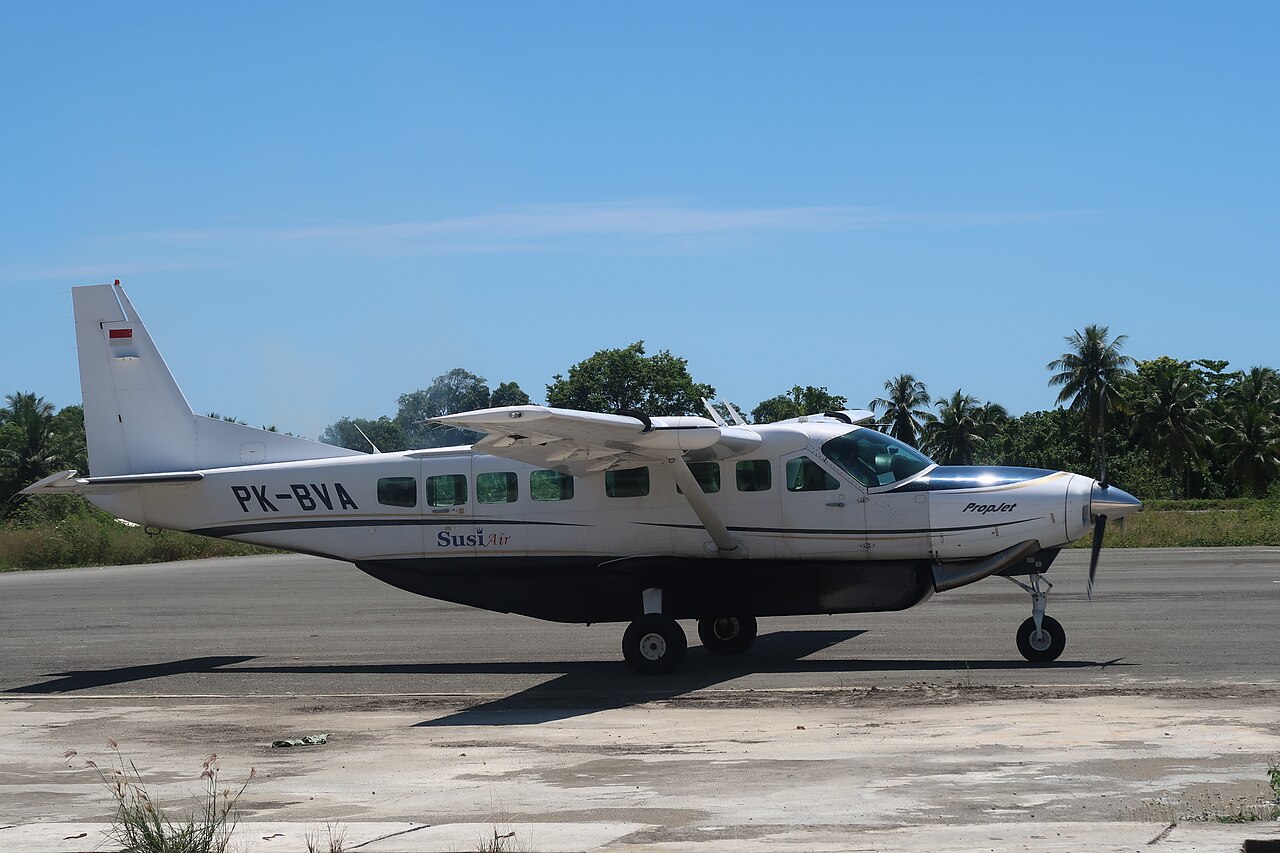
Offering skills training alone is not enough if young people cannot find real job opportunities or business funding afterward. Indeed, many trained workers face challenges when trying to secure bank loans, buying tools, or accessing wider markets for their goods. Furthermore, rural business owners often struggle with slow internet access and high transport costs when selling products outside their home districts.
Therefore, local government offices and private partners must support training programs with low-interest business loans, startup mentorship, and fair market access. Paving local farm routes and expanding digital networks also helps local entrepreneurs grow their businesses smoothly. When skill training connects directly with real economic opportunities, local talent flourishes across every district.
What do official figures show?
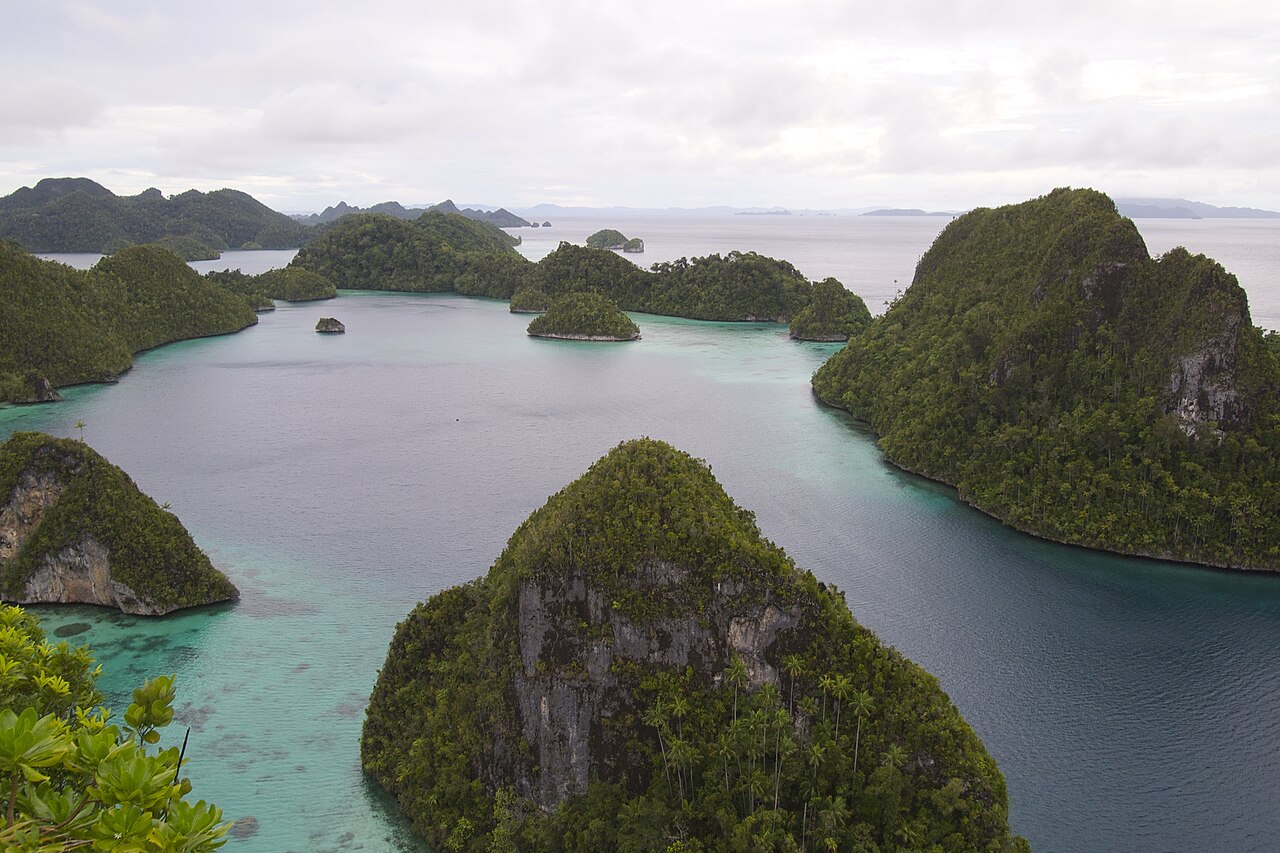
Special autonomy funds rose from 2 to 2.25 percent of the national General Allocation Fund under Law No. 2/2021, according to the Ministry of Finance. In Arborek, a Raja Ampat island village of about 44 households, all nine or so homestays and the dive centre are owned by villagers, according to the Ministry of Tourism’s village tourism portal.
Conclusion: Building a Bright Future Together
The future of Papua lies firmly in the hands of its hardworking people, vibrant youth, and wise native leaders. Physical infrastructure sets the stage, but local talent, cultural pride, and community action drive true regional progress.
By trusting and supporting local communities, Papua will build a prosperous, peaceful, and self-sufficient future for generations to come.