
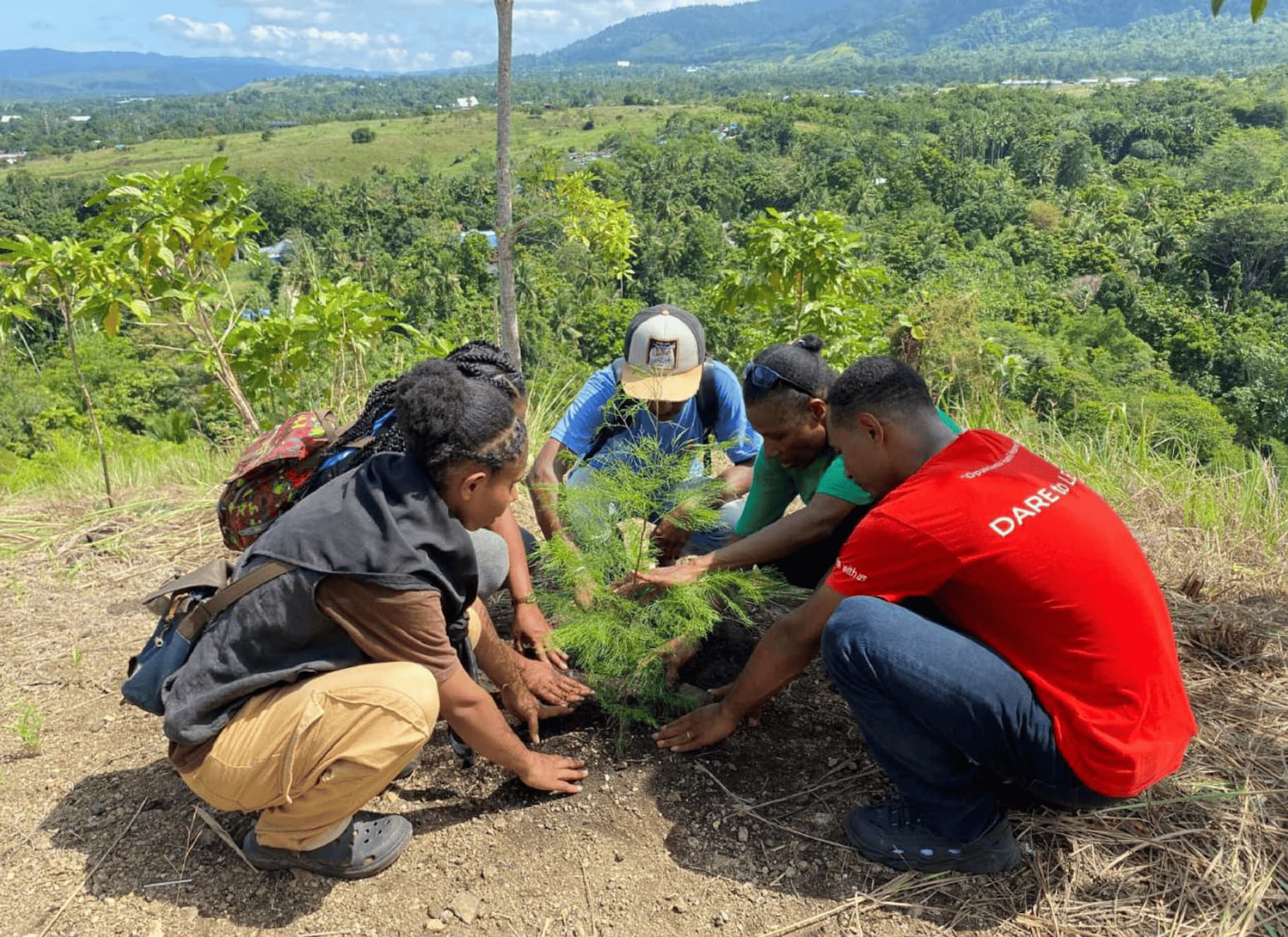
Indigenous elders and young volunteers in Papua are working together to protect ancestral rainforests from illegal logging and land clearing. Young people map customary land boundaries with GPS, run forest patrols and replant native trees, while income from nutmeg, rattan and eco-tourism helps families earn a living without cutting timber.
Protecting Ancestral Forests for Future Generations
Local communities are taking powerful action to protect eastern Indonesia’s ancient rainforests. In fact, preserving these expansive green canopies requires deep cooperation between tribal elders and passionate young activists. For generations, native tribes have safely guarded their ancestral lands through traditional conservation laws.
However, modern threats like illegal logging and rapid land clearing make active protection more urgent than ever before. By uniting age-old indigenous wisdom with energetic youth leadership, local villages actively defend their natural environment. Consequently, this strong partnership keeps native ecosystems healthy while protecting vital global carbon sinks. As a result, future generations inherit rich, living forests that continue to sustain their traditional culture.
Key Pillars of Forest Conservation
Combining Indigenous Wisdom with Youth Action
Blending customary forest rules with active youth participation creates a very resilient defense system for native habitats. For example, tribal elders teach young stewards how to honor sacred forest zones and practice sustainable hunting. Therefore, young men and women learn to respect nature while gaining practical skills to manage natural resources wisely.
This collaborative forest stewardship provides several direct benefits for rural communities:
- Customary mapping: First, youth use modern GPS tools to map ancestral land boundaries and protect tribal borders.
- Forest patrolling: Second, local volunteer teams conduct regular patrols to prevent illegal logging and wildlife poaching.
- Reforestation efforts: Third, community groups plant native tree seedlings to restore damaged forest areas quickly.
- Biodiversity protection: Finally, customary forest laws safeguard rare animals, clean rivers, and medicinal plants for everyone.
Building strong conservation habits instills deep environmental pride among young Papuans. Local youth, as a result, become dedicated guardians who protect their native heritage with true devotion.
Passing Down Traditional Wisdom Through Modern Technology
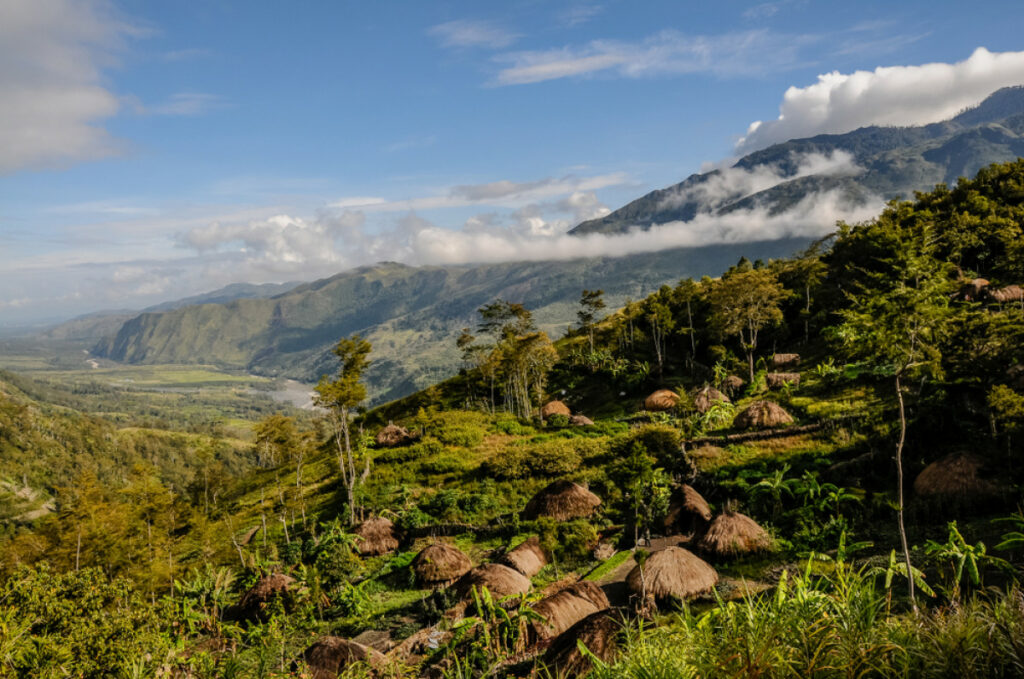
Preserving ancestral environmental knowledge requires passing sacred stories down to tech-savvy younger generations. In addition, young conservationists now use smartphones and drone mapping to monitor forest cover in real time. Specifically, digital tools allow rural teams to document forest changes and share conservation updates with global networks easily. Meanwhile, community elders ensure that modern technology always respects customary laws and spiritual traditions.
Bridging traditional wisdom with modern technology creates a powerful model for global environmental care. Ultimately, this balanced approach empowers indigenous tribes to manage their forests independently without losing their cultural roots.
👉 ALSO READ: New Investment Drives Local Job Growth in Papua
Addressing Concerns: Balancing Protection with Economic Needs
Protecting vast forest areas can sometimes trigger concerns about limiting economic growth for rural families. Indeed, local communities must find sustainable ways to earn income without cutting down valuable timber. Therefore, regional leaders actively promote eco-friendly industries like wild nutmeg harvesting, sustainable rattan, and eco-tourism.
Fortunately, sustainable forest products allow villagers to earn steady household incomes while leaving native trees standing. Furthermore, indigenous land rights recognize customary forests, preventing destructive commercial development on sacred territory. By combining legal land rights with green economic opportunities, communities prove that forest conservation and economic health work perfectly together.
What do official figures show?
In September 2025, a Merauke clan head told the Constitutional Court that a national food project had cleared forests and swamps his community relied on without proper dialogue. In September 2026 a court in Jayapura rejected a challenge by five Malind residents to the environmental permit for a 135-kilometre food estate road, finding the procedure lawful, Ekuatorial reported.
Conclusion: Safeguarding Papua’s Natural Heritage
Preserving ancient rainforests stands as one of the most important responsibilities for Papua’s future security. Most importantly, combining indigenous wisdom with youth energy proves that local stewardship offers the best defense against environmental destruction. When native communities stand together to guard their land, the entire world benefits from clean air and rich biodiversity.
Over time, this unwavering commitment will ensure that Papua’s lush green canopy thrives for generations to come.