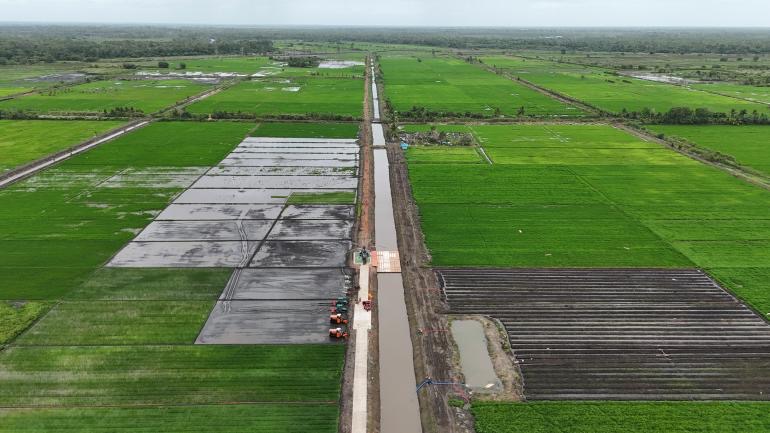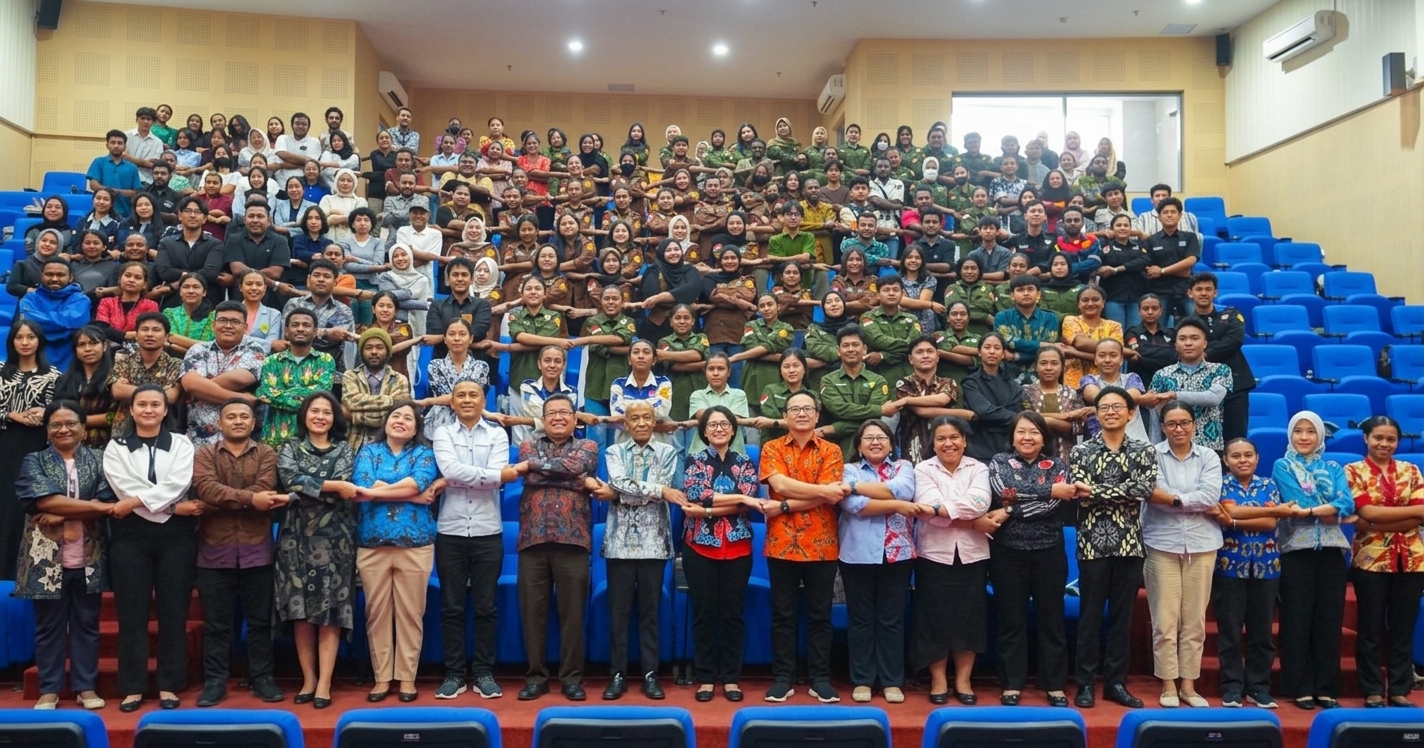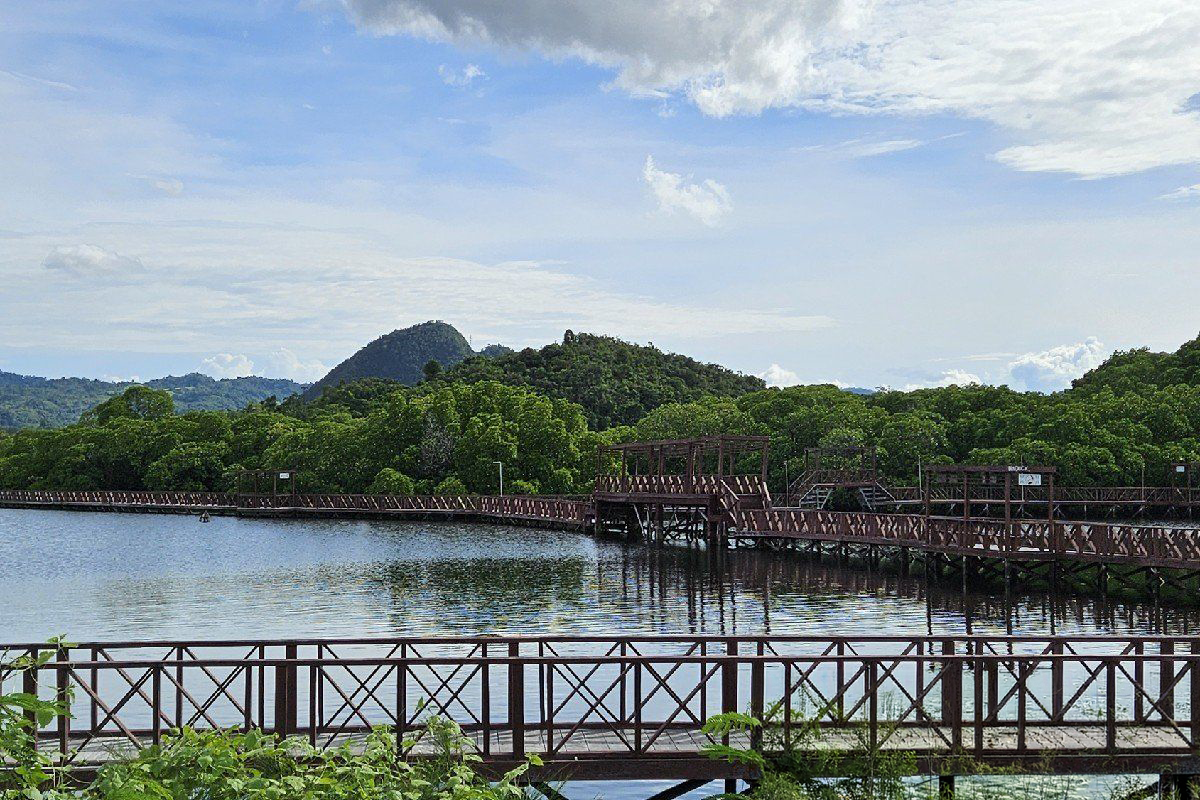
Investment in eco-lodges, guided tours, local transport and other services is creating jobs in Papua that offer an alternative to mining and logging work. The benefits stay local when companies are required to hire and train residents, and when vocational courses and micro-loans help guides, drivers, cooks and craft makers take on these roles.
Opening New Economic Opportunities Across the Region
Rising investments across eastern Indonesia are creating exciting new economic opportunities for local workers. Specifically, the rapid growth of ecotourism and modern service industries offers a strong alternative to traditional resource extraction. In the past, many rural areas depended heavily on mining or logging for formal jobs.
However, sustainable investments now encourage eco-friendly travel, local hospitality, and community services. By welcoming fresh capital into nature reserves and coastal towns, regional leaders actively boost local employment. Consequently, this positive shift helps young adults find meaningful work right in their hometowns. As a result, families enjoy higher daily incomes and better economic stability.
Key Pillars of Economic Expansion
Ecotourism and Service Sectors Expand Employment
Expanding green tourism and local service businesses gives Papuan communities a massive economic boost. For instance, new eco-lodges, guided jungle tours, and local transport services require dedicated, skilled workers every single day. Therefore, young men and women can readily turn their cultural knowledge and love for nature into steady careers.
These expanding industries provide several direct benefits for local job seekers:
- Direct jobs: First, eco-lodges and tour companies create direct jobs for local guides, drivers, and hospitality staff.
- Local business boost: Second, growing visitor numbers boost sales for nearby food stalls, handicraft makers, and family restaurants.
- Skills training: Third, service businesses invest in workplace training to help local employees master hospitality and language skills.
- Forest protection: Finally, sustainable tourism protects native forests while generating reliable tax revenue for public services.
Building strong service industries creates lasting pride among local workers. Young employees, as a result, become proud ambassadors who welcome global visitors while earning a respectable living.

Sustainable Investments Strengthen Regional Prosperity
Directing incoming private investment into community-based tourism creates long-term financial health across Papua. In addition, responsible investors partner closely with regional authorities to ensure local hiring remains a top priority. Specifically, new service projects often build local training centers before opening their doors to customers. Meanwhile, financial institutions offer micro-loans to help small service providers upgrade their facilities.
Aligning private investment with local workforce development builds a resilient economic foundation. Ultimately, this cooperative approach ensures that growing business revenues directly benefit native landowners and rural workers.
👉 ALSO READ: Young Papuan Entrepreneurs Drive Local Grassroots Innovation
Addressing Concerns: Ensuring Inclusive Growth for Locals
Rapid business investment can sometimes trigger worries about outside workers taking top jobs in new industries. Indeed, local communities must feel confident that new developments will serve their best interests first. Therefore, government regulations must require incoming companies to hire and train local residents systematically.
Fortunately, regional leaders and investor groups are establishing strict local hiring guidelines across all new projects. Furthermore, local vocational programs quickly adapt their courses to meet the specific needs of modern eco-lodges and service firms. By combining clear hiring policies with practical skills training, communities can ensure that economic expansion remains fair and inclusive.
What do official figures show?
Indonesia’s logistics costs equalled 14.29 percent of GDP in 2022, according to a joint calculation by Statistics Indonesia, Bappenas and the Coordinating Ministry for Economic Affairs. Bank Indonesia counted 230,446 QRIS merchants in its Papua working area in early 2025, more than half of them in Jayapura, Jubi reported.
Conclusion: Building a Resilient Local Economy
Sustainable investment in services and ecotourism represents a bright path toward lasting economic self-reliance. Most importantly, expanding local employment proves that environmental preservation and business growth can thrive together. When Papuan youth gain rewarding jobs in green industries, the entire region grows stronger and more prosperous.
Over time, expanding ecotourism and service sectors will ensure a flourishing, self-sufficient, and inclusive economy across Papua.