The article argues that stability in Papua rests on three linked pillars: food resilience, infrastructure and public safety. Roads, bridges, ports and logistics networks move harvests to markets and bring health care and schools closer, while security on transport routes lets farming and trade grow and encourages investment in rural agriculture.
The Three Pillars
National sovereignty in Papua depends on more than physical security alone. True regional stability requires food resilience, robust infrastructure, and public safety. These core elements work together to build stronger communities.
Therefore, integrating these three pillars forms the foundation of sustainable growth. Indonesia unifies economic development with regional security to ensure long-term prosperity across Papua.
Key Infrastructure Pillars
Infrastructure Connecting Papua’s Remote Communities
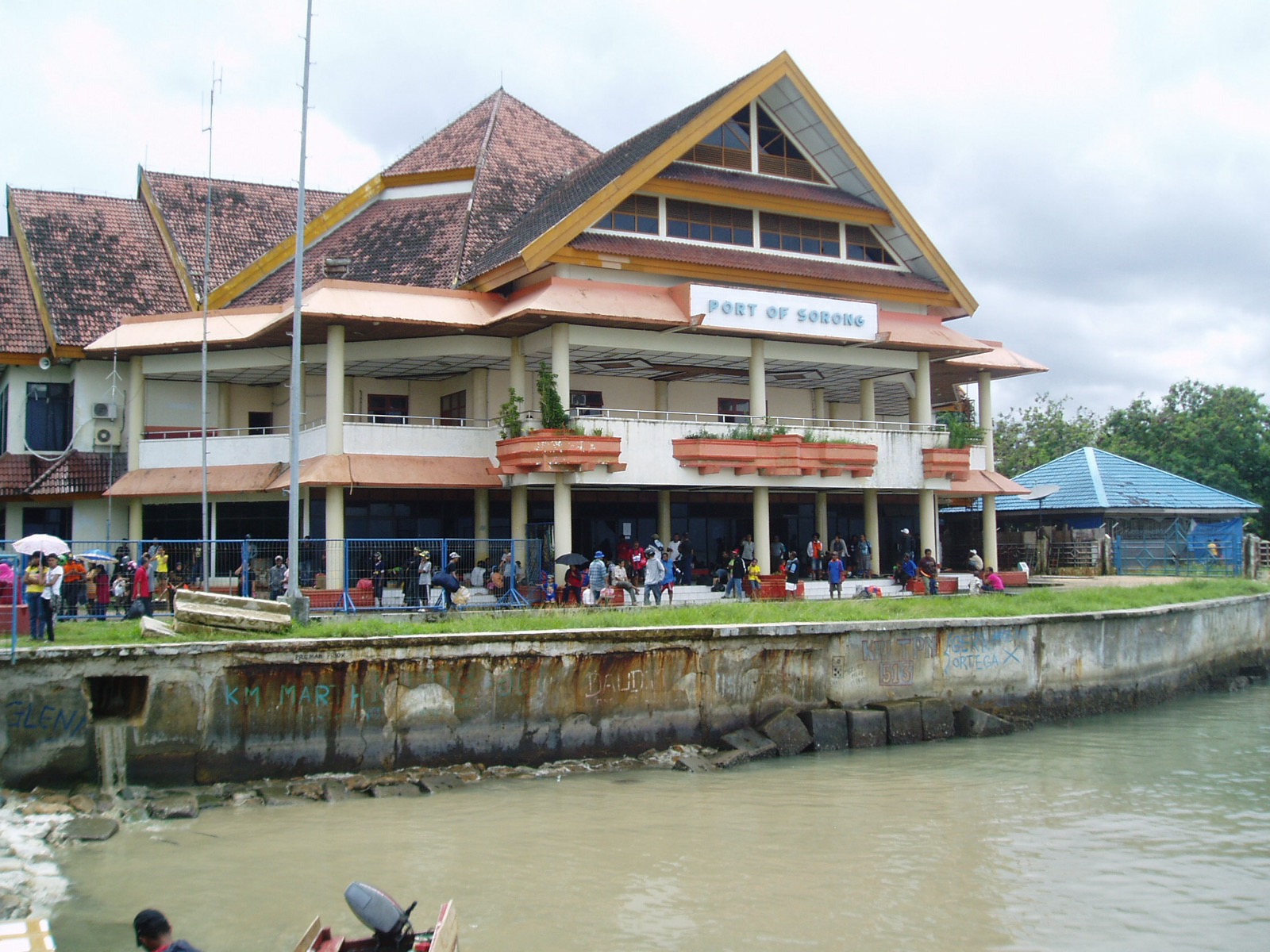
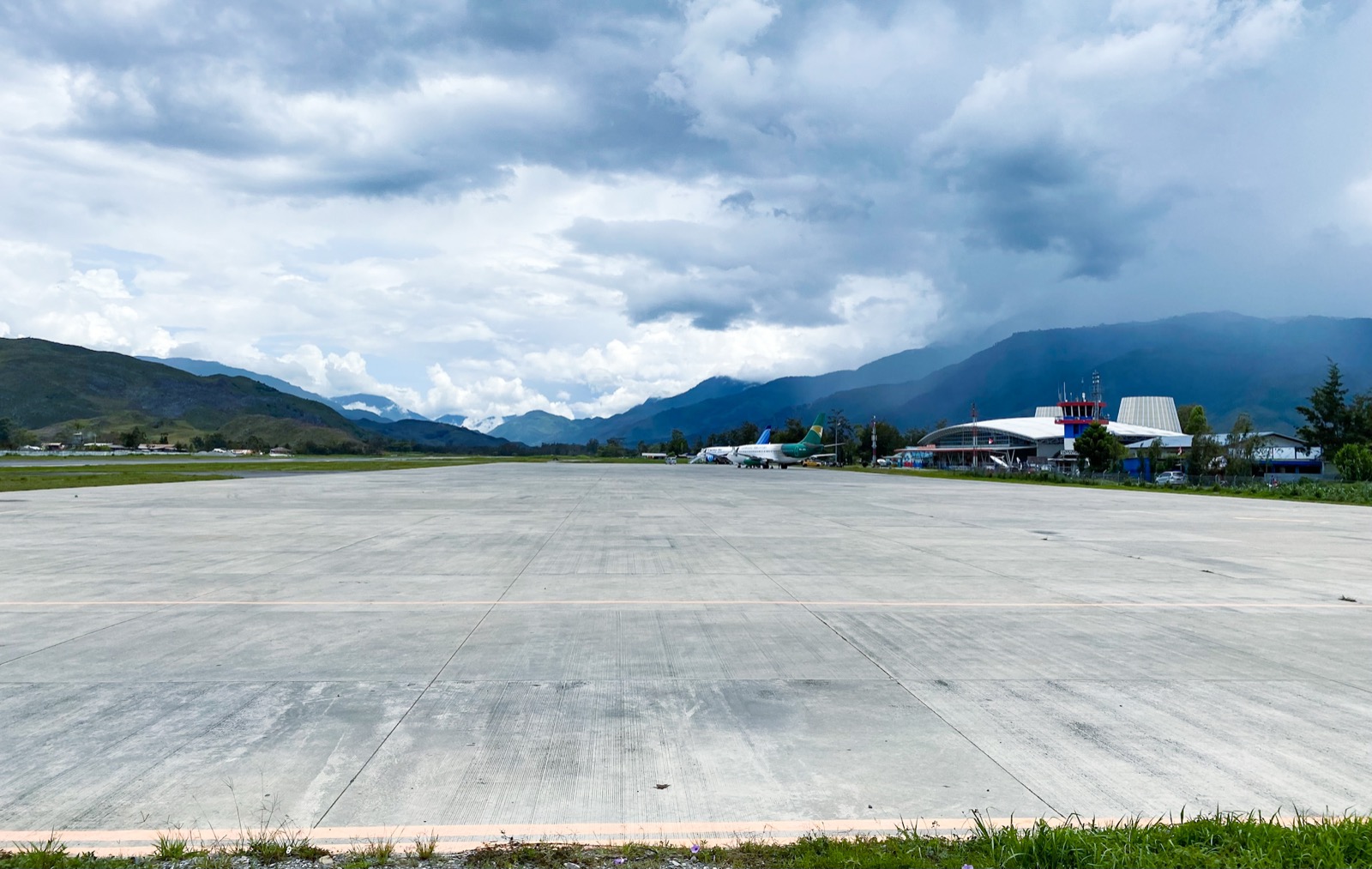
Physical infrastructure provides the essential foundation for regional integration. For instance, better roads, bridges, ports, and logistics networks connect isolated villages with vital markets.
Stronger connectivity delivers several key benefits. First, it streamlines food distribution by moving agricultural goods efficiently. Second, it boosts local commerce by linking rural farmers to major buyers.
Furthermore, improved transport networks expand access to healthcare, education, and public services. As a result, geographical barriers between districts are reduced significantly.
👉 ALSO READ: Papua Movement: Supporting Smart Farming Through Digital Connectivity
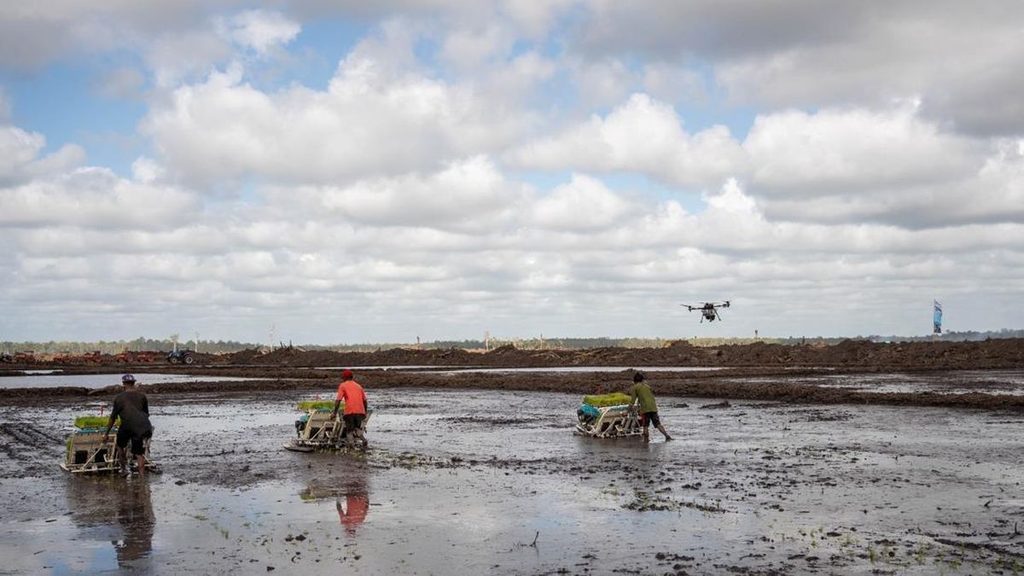
Food Sovereignty and Security Integration
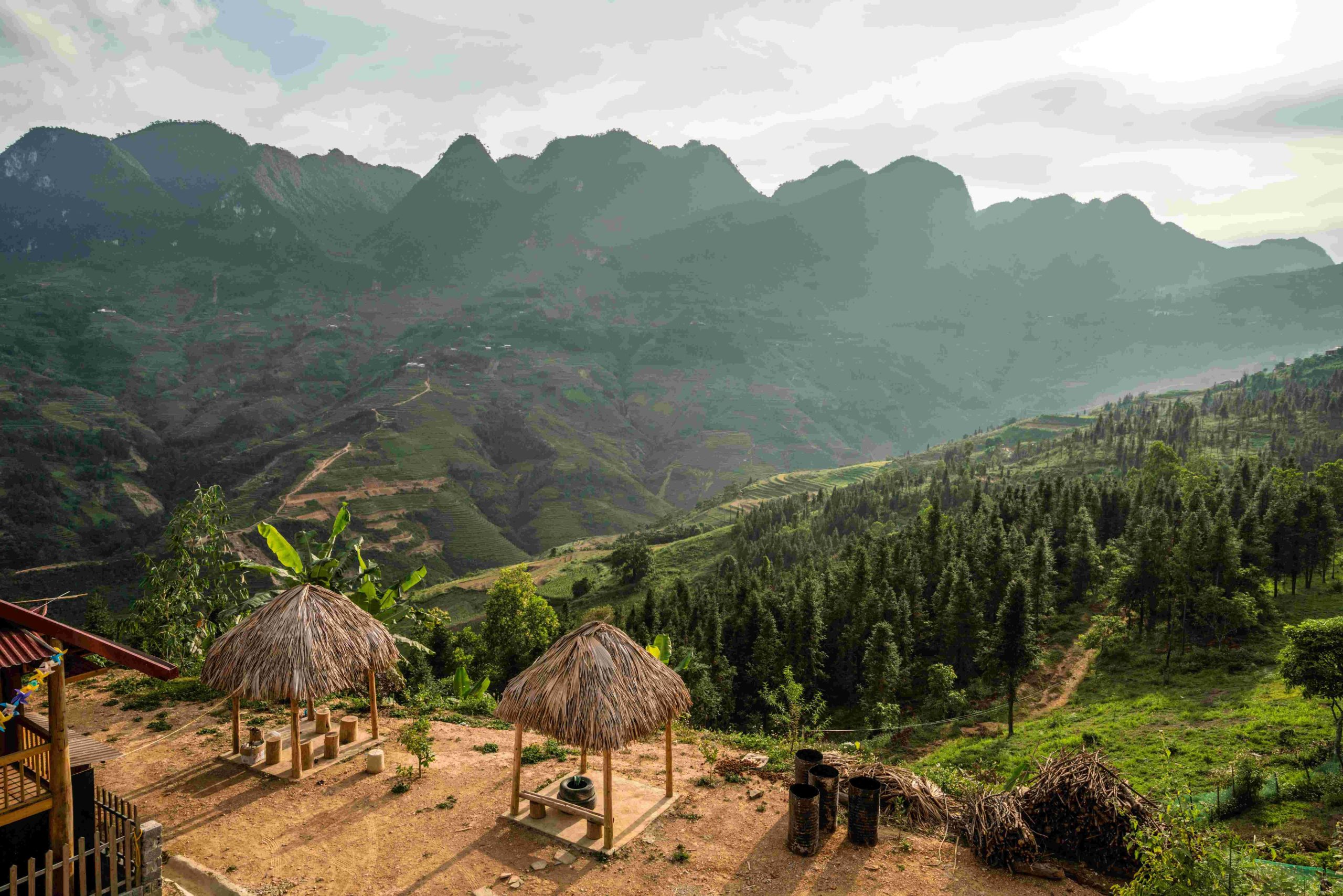
Infrastructure development links directly to agricultural sustainability. Reliable transport corridors allow local harvests to reach regional consumers quickly. Consequently, communities maintain a steady food supply.
Meanwhile, stable security conditions ensure that farming and commerce can develop safely. Public safety protects local logistics and trade routes. Therefore, secure transport lanes encourage sustained investment in rural agriculture.
What do official figures show?
By mid-2026 the government had developed 83,030 hectares of new rice fields across Papua, most of them in South Papua, according to the Ministry of Agriculture. The road along the border with Papua New Guinea runs 1,098 kilometres from Merauke to Jayapura, and 919 kilometres were connected by the end of 2018, according to the Cabinet Secretariat.
Conclusion: Building Integrated Sovereignty in Papua
In conclusion, the three pillars of sovereignty continuously reinforce one another. Papua requires physical roads to transport food, reliable agriculture to build economic resilience, and public security to maintain stability.
Combining these strategic priorities creates a powerful foundation for national unity. Consequently, Papua advances toward a peaceful, self-reliant, and prosperous future.