The article explores how agricultural cooperation between Papua and Pacific Island nations can strengthen food security, expand market access, and create income opportunities for local farmers. It highlights the importance of sharing farming knowledge, improving trade connections, and addressing shipping and biosecurity barriers to build resilient food systems and connect Papua’s agricultural products with wider regional markets.
Cultivating Shared Food Security Across Pacific Nations
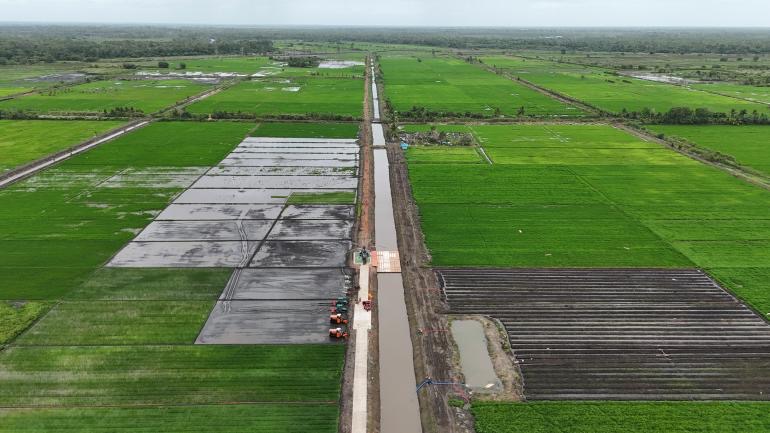
Pacific Island nations face food supply challenges linked to transportation costs, import dependence, and climate-related disruptions. Papua’s agricultural resources, including sago, sweet potatoes, and cocoa, offer opportunities to strengthen regional food cooperation. However, turning this potential into sustainable trade requires reliable partnerships and better connections between producers and buyers.
In Papua: The Heart of Indonesia–Pacific Food Resilience, Steve Mara presents Papua as a potential bridge for food security cooperation between Indonesia and Pacific Island nations. Highlights opportunities to expand food trade, share agricultural technologies, and strengthen regional logistics. Building on this perspective, cooperation can connect Papuan farmers with wider markets while supporting regional food availability. With reliable infrastructure and practical partnerships, these efforts can create economic opportunities for local producers and strengthen long-term relationships across the Pacific.
Key Pillars of Regional Food Cooperation
Expanding Agricultural Knowledge and Local Food Potential
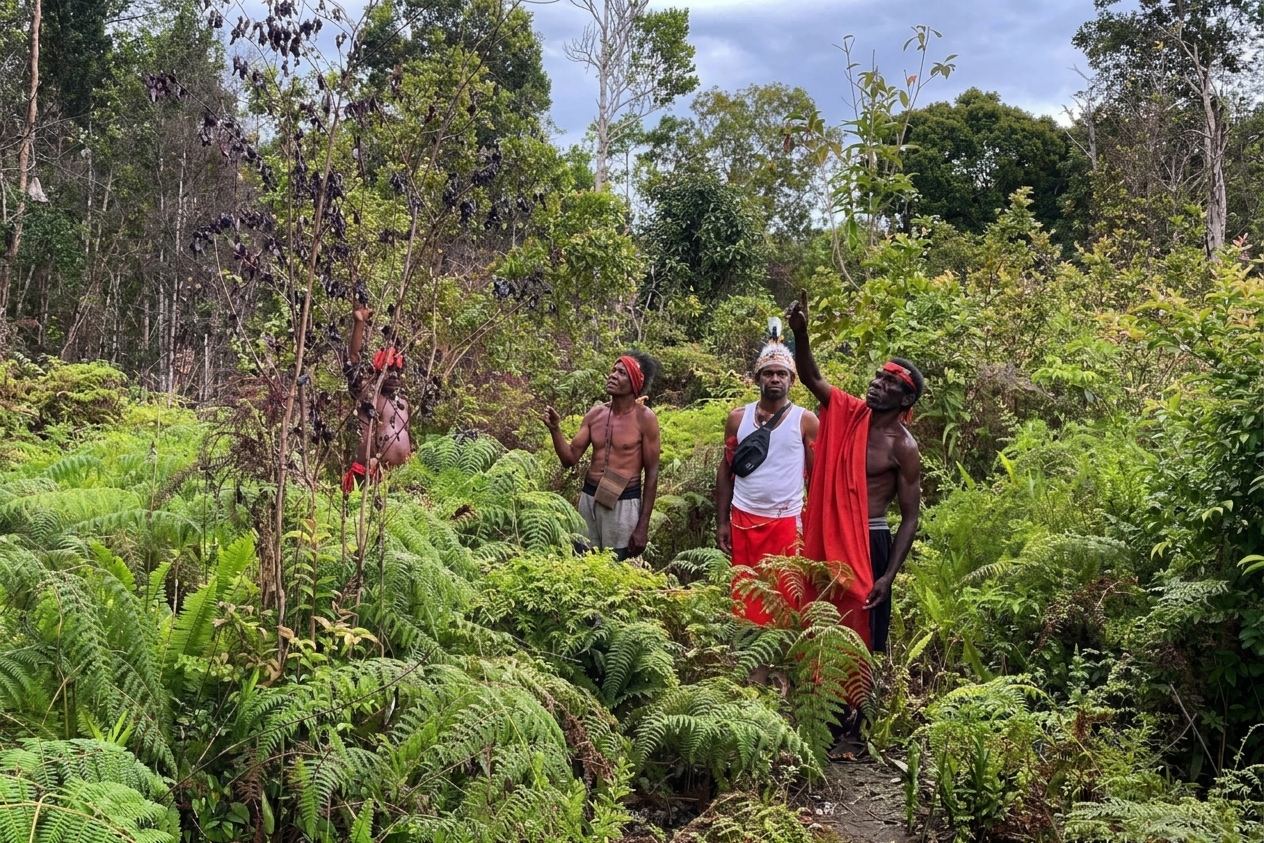
Sharing agricultural expertise can help Papua and Pacific Island communities improve production while protecting local resources. Farmers and agricultural researchers can exchange knowledge about sago cultivation, climate-resilient root crops, and sustainable farming methods. These practices can support productivity while helping communities adapt to environmental challenges.
Under the Papua Movement, stronger agricultural partnerships can offer several benefits:
- Food security: Coordinated planning can help communities prepare for supply disruptions and natural disasters.
- Market access: Trade partnerships can connect local farmers and cooperatives with additional buyers.
- Knowledge exchange: Agricultural training can introduce practical techniques to improve productivity.
- Local economic growth: Greater demand for regional produce can create income opportunities for farmers and small businesses.
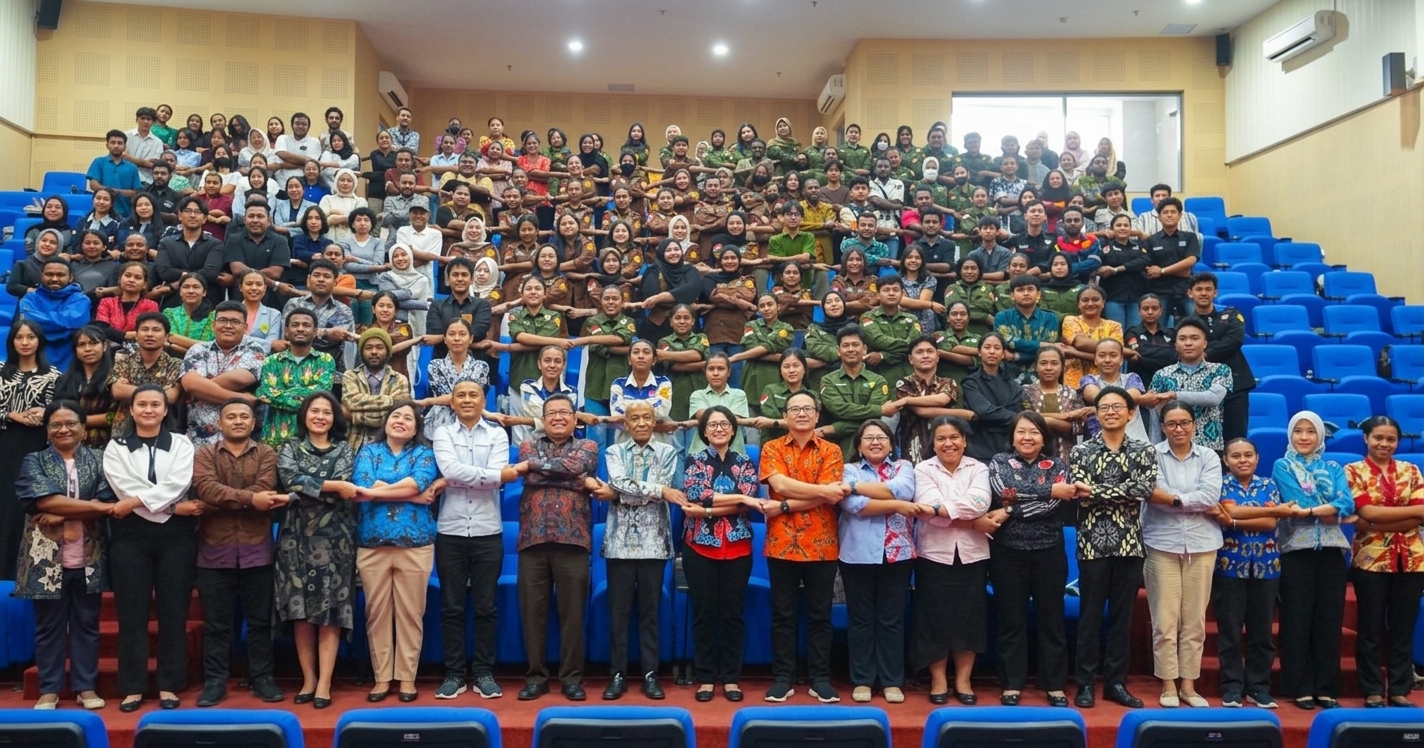
Developing these partnerships requires communication between agricultural institutions, local governments, and community producers. With appropriate support, Papua’s agricultural communities can strengthen their participation in regional food networks while preserving valuable local knowledge.

Strengthening Trade Connections and Agricultural Standards
Reliable trade connections are essential for moving agricultural products between Papua and Pacific markets. Efficient ports, dependable shipping schedules, and suitable storage facilities can help reduce transportation challenges, especially for fresh produce. Clear customs procedures and coordinated quarantine requirements can also make agricultural trade more predictable.
As part of the Papua Movement, improving connections between local producers and regional markets can help strengthen Papua’s role in Pacific economic cooperation. Practical measures include export documentation assistance, guidance on product quality standards, and improved access to cold-storage facilities. These measures can help small producers prepare for international markets while protecting agricultural and environmental health.
👉 ALSO READ: Strategic Pacific Position Powers Papuan Regional Growth
Addressing Concerns: Maritime Logistics and Trade Barriers
Expanding agricultural trade across the Pacific requires careful planning. Shipping costs, limited transport schedules, different import requirements, and insufficient storage can create difficulties for small producers. International markets also require compliance with food safety, quarantine, and product certification rules.
Governments, port operators, agricultural agencies, and local businesses can work together to address these barriers. Improving maritime connections, providing export training, and investing in suitable storage facilities can help reduce logistical challenges. Technical assistance can also prepare local cooperatives to meet international standards and manage commercial contracts. These practical steps can make regional agricultural trade more accessible to smaller producers.
Conclusion: Building a Resilient Pacific Food Network
Agricultural cooperation between Papua and Pacific Island nations can create opportunities for stronger food security, wider market access, and regional economic development. Combining local agricultural knowledge with reliable trade connections can help communities build resilient food systems and expand opportunities for local producers.
The Papua Movement highlights the potential of connecting Papua’s agricultural resources with regional partnerships. With practical cooperation, suitable infrastructure, and support for local enterprises, food trade can contribute to sustainable livelihoods and a more resilient Pacific future.