Papua became part of Indonesia in stages between 1962 and 1969. At first, the Netherlands kept the territory when Indonesia became independent in 1949. Then a UN-brokered agreement in 1962 placed it under temporary UN administration and, in 1963, under Indonesia. Finally, a 1969 vote by about 1,000 selected representatives confirmed integration, although people still dispute whether it was fair.
Timeline: from Dutch colony to Indonesian province
| Year | Event |
|---|---|
| 1828 | The Netherlands takes possession of western New Guinea. |
| 1949 | The Netherlands recognises Indonesia’s independence, but both sides postpone a decision on western New Guinea for a year. |
| 1954–1961 | Indonesia raises the dispute at the UN General Assembly; however, the Assembly adopts no resolution. |
| 1961–1962 | As tensions rise, Indonesia lands paratroops in the territory, and UN Secretary-General U Thant mediates. |
| 15 August 1962 | Indonesia and the Netherlands sign the New York Agreement. |
| 1 October 1962 | The UN Temporary Executive Authority (UNTEA) takes over administration. |
| 1 May 1963 | After that, administration passes to Indonesia. |
| 14 July – 2 August 1969 | Indonesia holds the “Act of Free Choice” (Penentuan Pendapat Rakyat, Pepera). |
| 19 November 1969 | Finally, the UN General Assembly adopts Resolution 2504, taking note of the outcome. |
Sources: United Nations; UN Digital Library; Wikipedia (dates of the 1969 consultations).
Why did the Netherlands keep Papua in 1949?
When the Netherlands recognised Indonesia’s independence in 1949, the two sides could not agree on western New Guinea. Instead, they agreed to postpone the question for a year and keep the “status quo” under the Dutch government. The Netherlands read this as continued Dutch sovereignty. Indonesia, however, read it as a temporary administrative role, after which the territory would join Indonesia (United Nations).
Why did Indonesia want West Papua?
Indonesia argued that the territory rightfully belonged to it and that Dutch colonial rule there should end. In contrast, the Netherlands argued that Papuans were not Indonesians and should decide their own future when ready. As a result, Indonesia took the dispute to the UN from 1954, and in 1962 it landed paratroops in the territory, saying they were Indonesian nationals entering Indonesia’s own territory (United Nations).
👉 ALSO READ: Where Is West Papua, and How Is It Different from Papua New Guinea?
What did the 1962 New York Agreement decide?
Under the New York Agreement of 15 August 1962, the Netherlands handed the territory to a UN Temporary Executive Authority (UNTEA) from 1 October 1962. With the help of about 1,500 Pakistani troops in a UN Security Force, UNTEA then ran the territory until 1 May 1963, when administration passed to Indonesia (United Nations). In addition, the agreement required an “act of free choice” by the end of 1969, in which all adults would be eligible to take part, in accordance with international practice (Act of Free Choice).
What was the Act of Free Choice in 1969?
Instead of a one-person, one-vote referendum, Indonesia held consultations (musyawarah) with regional councils between 14 July and 2 August 1969. Indonesian authorities chose just over 1,000 representatives, who then voted unanimously, and in public, to remain with Indonesia. However, sources differ on the exact number: 1,022 according to the National Security Archive, 1,025 in most reference works (Act of Free Choice), and 1,026 according to The Guardian. Meanwhile, a UN team led by Bolivian diplomat Fernando Ortiz Sanz observed the process.
How did the United Nations respond?
On 19 November 1969 the UN General Assembly adopted Resolution 2504, which took note of the Secretary-General’s report on the outcome. The vote was 84 in favour, none against and 30 abstentions (UN Digital Library: resolution; voting record). In other words, the resolution acknowledged the result but did not state whether the process met the New York Agreement’s requirements (Act of Free Choice).
Why is the 1969 vote still disputed?
The Indonesian government’s view. Indonesia considers the matter closed. For example, at the UN General Assembly in 2018, its representative Aloysius Selwas Taborat said Papua’s status was “final, irreversible and permanent”, referring to the 1969 UN resolution (The Guardian).
The critics’ view. Critics, including many independence supporters, sometimes call the 1969 process the “Act of No Choice”, arguing that a small, selected group could not express the will of the whole population (Act of Free Choice). In addition, US government documents that the National Security Archive published in 2004 show that Western observers at the time believed Indonesia could not have won an open vote and that most inhabitants favoured independence (National Security Archive). The UN team also relied on Indonesian authorities for housing and transport, and Ortiz Sanz noted that Indonesian officials “followed” his team “everywhere” (Act of Free Choice).
Beyond Papua, some Pacific governments, notably Vanuatu, have raised Papuan self-determination at the UN. Indonesia, however, says this challenges its sovereignty and territorial integrity (The Guardian).
Is Papua part of Indonesia today?
Yes. Indonesia governs the region as six provinces, and the UN General Assembly took note of the 1969 outcome. Even so, the debate over 1969 continues among Papuan groups, Indonesia’s government and international observers. For the geography of the region and how it differs from Papua New Guinea, see Where Is West Papua?
Papua Movement presents both the Indonesian government’s position and its critics’ arguments, so that readers can weigh the history for themselves.
Sources
- United Nations Peacekeeping: United Nations Security Force in West New Guinea (UNSF) – Background
- UN Digital Library: A/RES/2504(XXIV), Agreement between Indonesia and the Netherlands concerning West New Guinea (West Irian), 1969
- UN Digital Library: Voting record for Resolution 2504 (XXIV)
- National Security Archive, George Washington University: Indonesia’s 1969 Takeover of West Papua Not by “Free Choice” (2004)
- The Guardian: Indonesia accuses Vanuatu of ‘inexcusable’ support for West Papua (2 October 2018)
- Wikipedia: Act of Free Choice
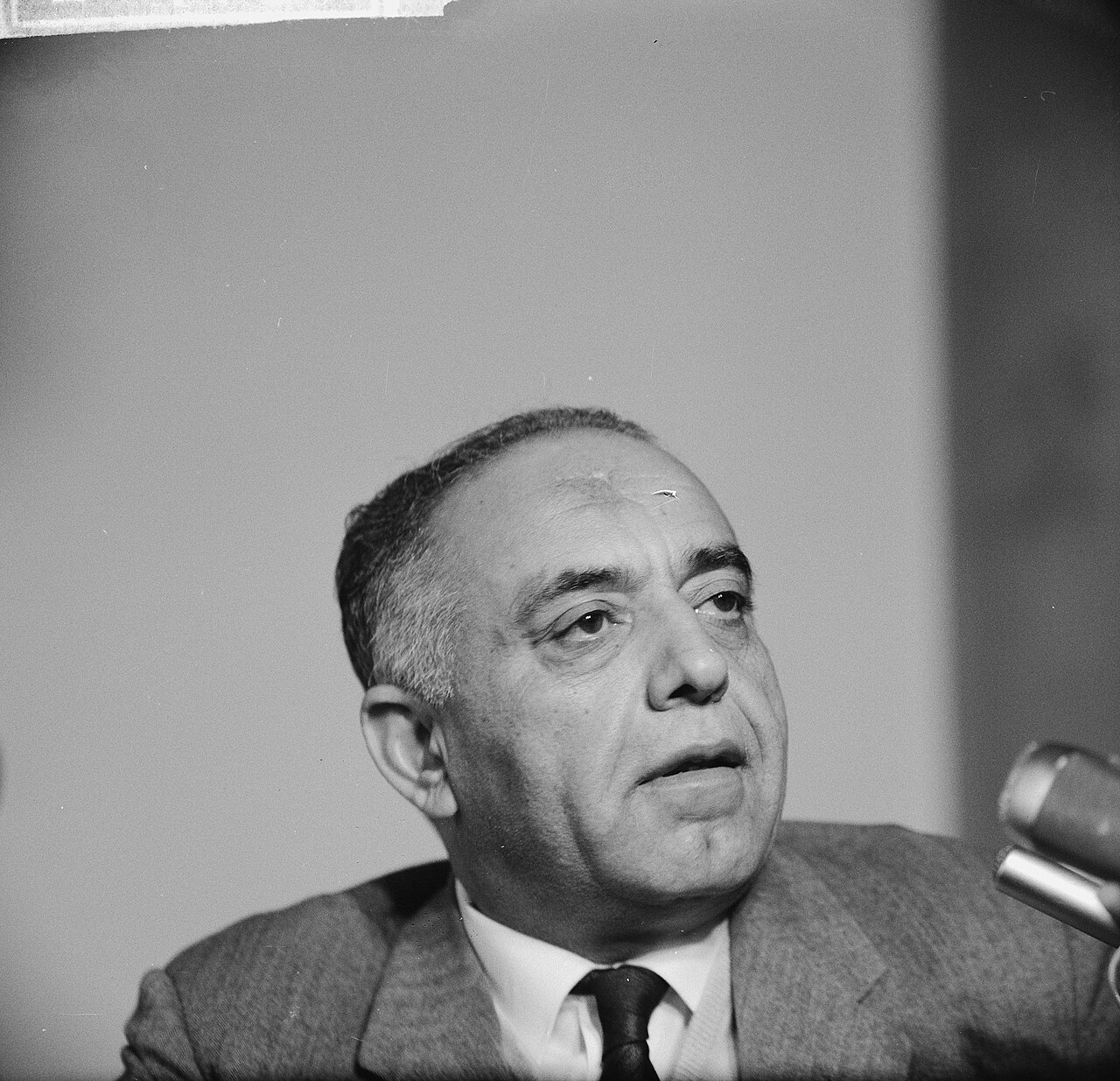
Featured image: Djalal Abdoh, head of the UN Temporary Executive Authority (UNTEA) in West New Guinea, at a press conference on 1 November 1962. Photo: Jack de Nijs for Anefo, Nationaal Archief / Wikimedia Commons, CC0.